Call us on
 Products
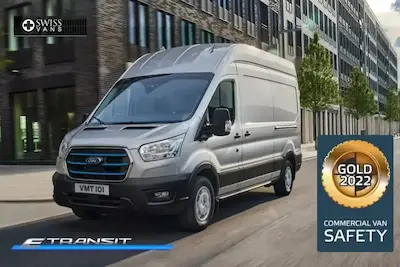
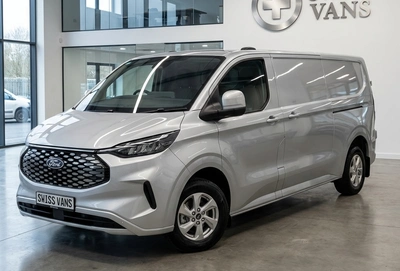
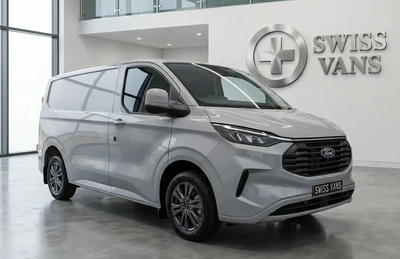
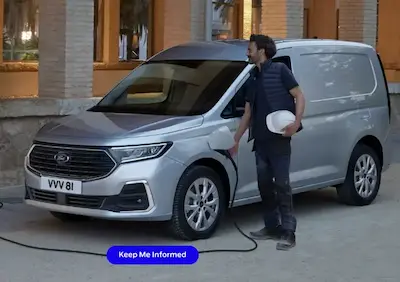
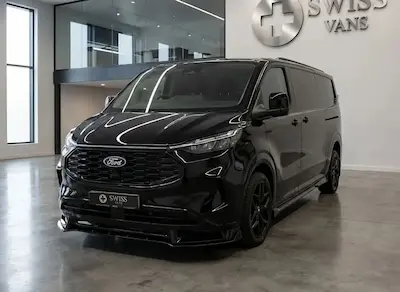
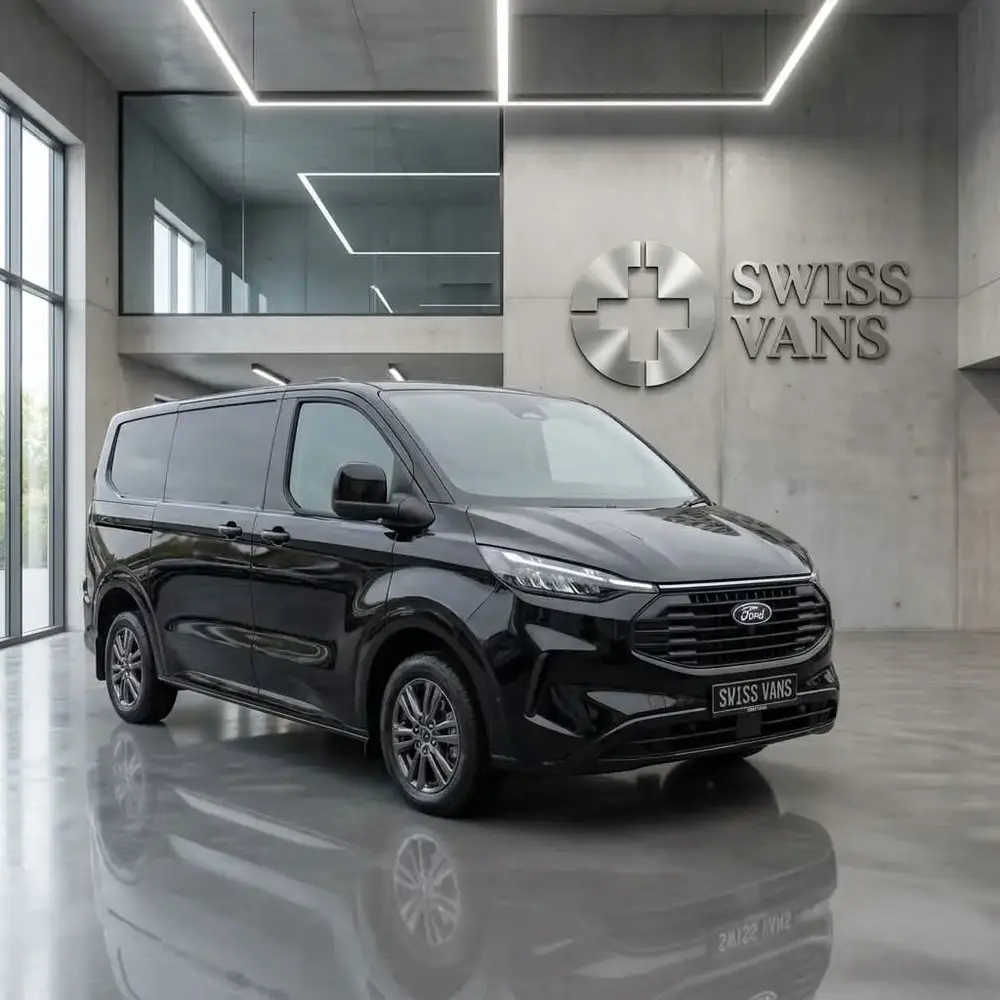
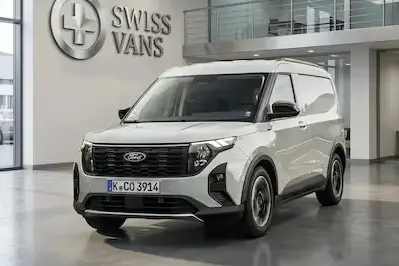
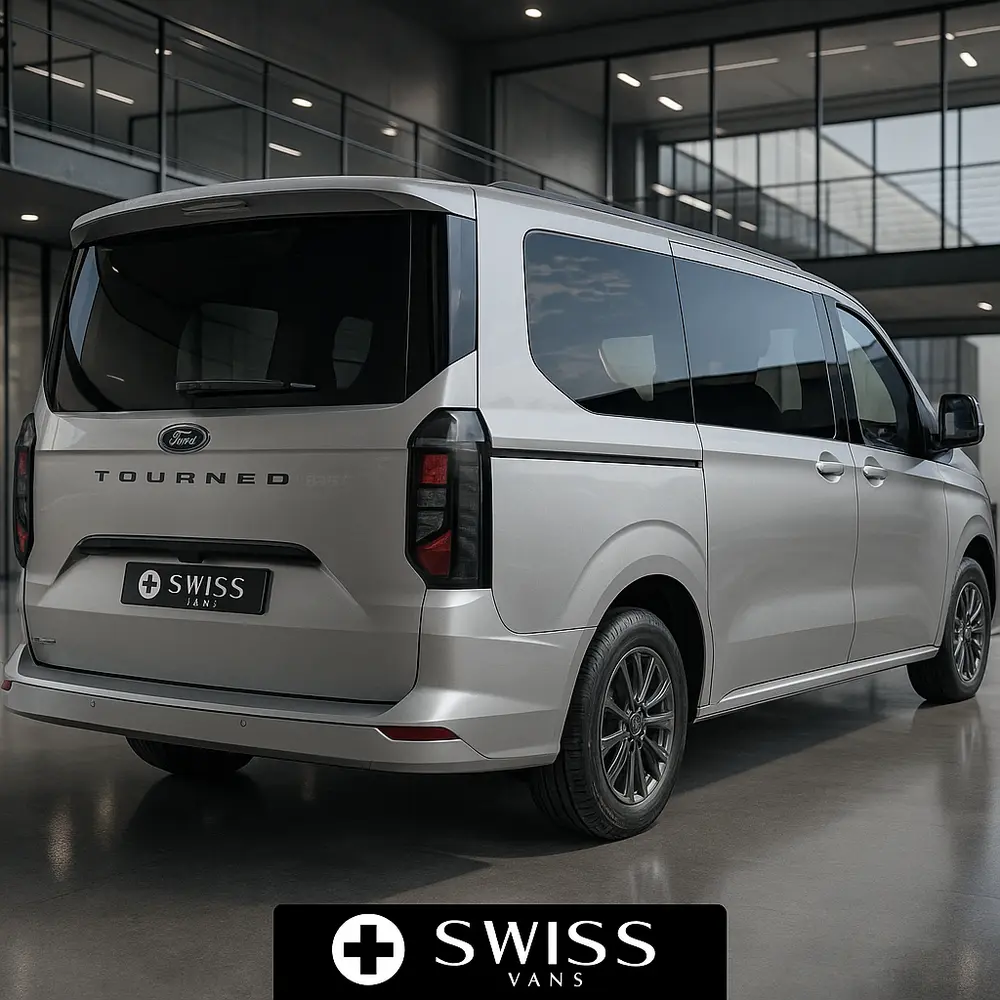
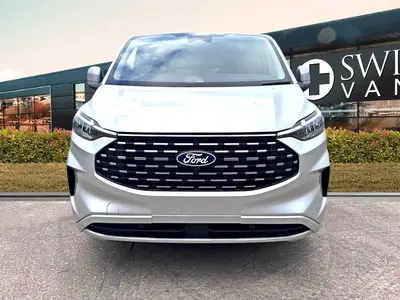
Ford Electric Vans for Business
Ford electric vans are causing a revolution in commercial transportation, offering a game-changing solution for businesses looking to reduce their carbon footprint and operating costs. As the automotive industry shifts towards electrification, Ford has taken a bold step forward with its E-Transit™, a fully electric version of its popular Transit van. This innovative vehicle combines the reliability and versatility of the traditional Transit with cutting-edge electric powertrain technology, setting a new standard for eco-friendly commercial vehicles. See all Ford Vans
The Ford E-Transit™ brings together impressive performance, advanced features, and sustainability benefits to meet the diverse needs of modern businesses. With its robust electric powertrain, the van delivers ample power and torque while offering a competitive range for daily operations. The E-Transit™ also boasts a spacious cargo area, adaptable configurations, and smart technology integrations to boost productivity. Moreover, its eco-friendly design not only helps companies reduce their environmental impact but also leads to significant cost savings in fuel and maintenance over time, making it an attractive option for forward-thinking fleet managers and business owners.
Ford Electric Van Models and Range
- Ford Transit Custom Hybrid also known as the Custom PHEV
- Ford Transit E Custom also know as the Electric Transit Custom
- The large Ford E Transit
- The smaller Electric Ford Transit Connect
- Ford Tourneo Hybrid
- Ford E Transit Courier
The Evolution of Ford Van Electric Van History
Ford has long been a pioneer in the automotive industry, with a rich history in commercial vehicles. The company's journey in this sector began over a century ago, with the iconic Model T playing a significant role in revolutionizing transportation. As the years progressed, Ford continued to innovate, introducing various commercial vehicles that became staples for businesses across the globe.
The Ford Transit, introduced in the 1960s, quickly became America's best-selling van, cementing Ford's position as a leader in the commercial vehicle market. Its versatility, reliability, and adaptability to various business needs made it an indispensable tool for countless industries.
Which Ford Electric Van Is Right for You?
As the automotive landscape began to shift towards more sustainable solutions, Ford recognized the need to adapt its commercial lineup to meet the growing demand for eco-friendly vehicles. The company's transition to electric vehicles (EVs) was influenced by several factors, including:
- Rising oil prices and gasoline shortages
- Increasing environmental concerns
- Advancements in battery technology
- Government regulations promoting cleaner transportation
Ford's journey towards electrification gained momentum in the late 2000s and early 2010s. The company invested heavily in research and development, focusing on improving battery technology and reducing production costs. This commitment to innovation has allowed Ford to create electric vehicles that maintain the same level of performance and reliability as their combustion engine counterparts.
The E-Transit lineup Ford Electric Vans
Ford's dedication to electrification culminated in the introduction of the E-Transit, an all-electric version of its popular Transit van. The E-Transit lineup represents a significant milestone in Ford's evolution, offering businesses a zero-emission alternative without compromising on capability or versatility.
Key features of the E-Transit lineup include:
- Multiple body styles to suit various business needs
- Choice of standard or extended range battery options
- Impressive power output of up to 269 PS (198 kW)
- WLTP combined range of up to 196 miles (315 km)
- Flexible charging options, including fast DC charging
The E-Transit has been designed to meet the diverse requirements of modern businesses, offering the same loadspace volume as its diesel counterpart and a maximum payload of up to 2,090 kg for the Single Chassis Cab model. This ensures that businesses can transition to electric vehicles without sacrificing productivity or cargo capacity.
Ford has also integrated advanced technologies into the E-Transit, such as the Pro Power Onboard feature, which provides up to 2.3 kW of power for tools and equipment on-site. This innovation eliminates the need for separate generators, further enhancing the vehicle's versatility and efficiency.
As Ford continues to expand its electric commercial vehicle offerings, the company remains committed to supporting businesses in their transition to sustainable transportation solutions. With the E-Transit lineup, Ford has successfully combined its expertise in commercial vehicles with cutting-edge electric technology, paving the way for a greener future in the commercial transportation sector.
Powertrain and Performance
The Ford E-Transit™ Van sets a new standard in electric commercial vehicles, offering a powerful and efficient powertrain that meets the diverse needs of modern businesses. With its advanced electric technology, the E-Transit delivers impressive performance without compromising on range or capability.
Battery options and range Ford Electric Vans
Ford offers two battery options for the E-Transit, catering to different operational requirements:
- Standard Range Battery: This option provides a WLTP combined range of up to 196 miles (315 km), making it suitable for short-range delivery stops in urban areas.
- Extended Range Battery: For businesses requiring longer haul trips, this battery offers an increased WLTP combined range of up to 249 miles (400 km).
The standard range E-Transit features a large 68 kWh battery, with an estimated usable capacity of 64.6 kWh. This battery size ensures ample energy to power the van through a full day of operations for most businesses.
Charging capabilities Ford Electric Vans
The E-Transit comes equipped with flexible charging options, allowing businesses to adapt to their specific needs and schedules:
- AC Charging: The van includes an 8-meter Mode 3, 32 amp Charge Cable as standard. Overnight AC charging takes approximately 8 hours for a full charge.
- DC Fast Charging: For quick top-ups during the workday, the E-Transit supports rapid DC charging. The standard range model can charge from 15-80% in just over 30 minutes at 115 kW, while the extended range version supports even faster charging at 180 kW, allowing a 10-80% charge in approximately 28 minutes.
- Home and Work Charging: The E-Transit is compatible with various charging speeds, from 3-pin plugs to 22kW chargers, offering flexibility for different charging locations.
Table: Estimated charging times and range per hour
| Charging method | Charging time (Empty to full) | Range per hour |
|---|---|---|
| 3-pin plug | 30 hours | 6 miles |
| 3.6kW | 19 hours | 10 miles |
| 7kW | 10 hours | 18 miles |
| 22kW | 6 hours | 28 miles |
Power output and torque Ford Electric Vans
The E-Transit boasts impressive power and torque figures, ensuring it can handle demanding commercial tasks with ease:
- Power Output: The electric powertrain delivers up to 269 PS (198 kW) or 184 PS (135 kW) in the rear-wheel-drive configuration.
- Torque: With 430 Nm of torque available instantly, the E-Transit provides strong acceleration and pulling power, essential for commercial operations.
This combination of power and torque ensures the E-Transit can handle heavy loads and challenging driving conditions, maintaining the legendary Ford Transit capability in an all-electric package.
Versatility and Payload Capacity
The Ford E-Transit™ stands out for its exceptional versatility and impressive payload capacity, offering businesses a wide range of options to suit their specific needs. This electric van maintains the same versatility and comfort as its diesel counterpart, ensuring that companies can transition to electric vehicles without sacrificing functionality.
Available body styles
Ford has designed the E-Transit to cater to various business requirements by offering an extensive range of configurations. The E-Transit is available in 25 different versions, providing businesses with a multitude of choices:
- Three lengths
- Two heights
- Three different weights
- Chassis cab option
- Double-cab-in-van option
Within these configurations, there are five different sizes of panel vans:
- L2 length in H2 and H3 heights
- L3 length in H2 and H3 heights
- L4 length in H3 height only
This wide array of options ensures that businesses can find the perfect E-Transit to match their specific operational needs.
Payload specifications
The E-Transit offers impressive payload capacities across its range, making it suitable for various commercial applications. The payload capacity varies depending on the specific model and configuration chosen:
- Single Chassis Cab: Up to 2,090 kg maximum payload
-
- 425 model: 1,715-1,758 kg
- 390 model: 1,365-1,408 kg
- 350 model: 1,008-1,035 kgPanel van configurations:
- 390 model: 1,365-1,408 kg
- 425 model: 1,715-1,758 kg
It's important to note that payload capacity decreases as the van size increases. Therefore, models with larger loading areas have slightly lower maximum payloads.
Towing capabilities
In addition to its impressive payload capacity, the E-Transit also offers towing capabilities to further enhance its versatility. The van has a maximum towing capacity of 750 kg, allowing businesses to transport additional equipment or materials when needed.
The E-Transit's combination of versatile body styles, substantial payload capacity, and towing capabilities makes it an ideal choice for businesses looking to transition to electric commercial vehicles without compromising on functionality or performance.
Advanced Technology Features
The Ford E-Transit™ is equipped with a host of advanced technologies designed to enhance driver experience, improve safety, and boost productivity. These cutting-edge features demonstrate Ford's commitment to innovation in the commercial vehicle sector.
Ford SYNC 4 system Ford Electric Vans
At the heart of the E-Transit's technological offerings is the Ford SYNC 4 system. This advanced infotainment system connects drivers to the world around them like never before. With twice the processing power of its predecessor, SYNC 4 offers a range of features that make driving and managing the vehicle easier and more efficient.
Key features of the SYNC 4 system include:
- Cloud-connected navigation: The system provides up-to-date maps and uses live traffic and weather data for real-time route planning. For the E-Transit, it also considers battery status and driving range to optimize routes and suggest convenient charging stops.
- Sophisticated voice recognition: SYNC 4's cloud-connected technology continually updates its vocabulary, allowing for more natural speech patterns when asking the system to find locations, play music, or send text messages.
- Wireless smartphone integration: Drivers can wirelessly connect their Apple or Android phones to access smartphone features through the SYNC touchscreen or voice commands. This includes the use of favorite smartphone apps via Apple CarPlay® and Android Auto™.
- Digital owner's manual: An easy-to-use visual guide to the vehicle is accessible through the SYNC touchscreen, along with a library of how-to videos and in-depth information on vehicle features.
Driver assistance technologies
The E-Transit comes equipped with a range of driver assistance technologies to enhance safety and comfort:
- Intelligent Adaptive Cruise Control with Stop & Go: This system maintains a pre-set distance from the vehicle in front, even bringing the van to a complete stop if necessary in heavy traffic.
- Lane-Keeping System: Forward-looking cameras detect unintentional lane drift and alert the driver through steering wheel vibrations. The system can also provide gentle steering assistance to guide the vehicle back into the correct lane.
- Blind Spot Information System (BLIS): Sensors detect vehicles in the driver's blind spot and alert them via warning lights in the door mirrors. This system also includes Cross Traffic Alert for safer reversing.
- Pre-Collision Assist: This feature scans the road ahead for potential collisions with vehicles or pedestrians, alerting the driver and applying emergency braking if necessary.
- Auto High-Beam Headlamps: These automatically dim when oncoming headlights are detected, ensuring optimal visibility without blinding other drivers.
Connectivity options Ford Electric Vans
The E-Transit offers various connectivity options to keep businesses running smoothly:
- FordPass Connect: This feature allows fleet managers to monitor their entire fleet through a desktop tool. It provides live overviews of each vehicle, including location, state of charge, and maintenance needs.
- Smartphone app: Drivers can use a dedicated app to monitor their van's range, efficiency, and charging status. They can also view information on driving efficiency and the van's maintenance schedule.
- Home and depot charging integration: Ford offers charging hardware that links back to the app, allowing for automatic expense filing based on charging records and energy tariffs.
- Over-the-air updates: The E-Transit can receive software updates remotely, ensuring the vehicle always has the latest features and improvements.
These advanced technology features in the Ford E-Transit™ not only enhance the driving experience but also provide valuable tools for businesses to manage their fleets more efficiently and sustainably.
Sustainability and Cost Savings
Environmental benefits
The Ford E-Transit Custom van has a significant positive impact on the environment. Unlike traditional gasoline or diesel-powered vans that emit harmful greenhouse gasses and contribute to air pollution, the E-Transit is fully electric, producing zero tailpipe emissions. This feature allows businesses to play a crucial role in reducing their carbon footprint and contributing to a cleaner, more sustainable future.
By transitioning to electric vans like the E-Transit, companies demonstrate their commitment to sustainability and environmental stewardship. They become part of a global effort to reduce greenhouse gas emissions and combat climate change. As cities implement stricter emissions regulations, electric vans ensure that businesses can continue to operate within urban areas without restriction.
The advanced electric drivetrain of the E-Transit delivers impressive performance without compromising efficiency. Its electric motor offers instant torque, resulting in a smooth and responsive driving experience. With zero tailpipe emissions, this van helps create a cleaner and healthier environment for both drivers and communities.
Total cost of ownership
While the initial purchase price of the Ford E-Transit may be higher than that of a conventional van, the long-term benefits far outweigh the investment. The total cost of ownership (TCO) of electric vans often results in substantial savings over time.
Electric vehicles generally have lower maintenance costs due to fewer moving parts, no need for oil changes, and reduced wear and tear on brakes. Moreover, electricity is often significantly cheaper than gasoline or diesel fuel, resulting in lower operating expenses. A study by Go Ultra Low found that over a three-year period and 60,000 miles, electric vehicles can cost 23% less in terms of servicing and maintenance.
Energy expenses for electric vans are fundamentally linked to the cost of electricity, which can be considerably cheaper compared to diesel fuel. According to the International Energy Agency, electricity day cost is calculated at approximately 0.07 USD/kWh, which can result in lower operational costs per kilometer compared to traditional vans.
When assessing the TCO for an electric van, one should consider not only the initial purchase price but also depreciation, maintenance costs, and energy expenses over the lifetime of the vehicle. The lower operating costs of electric vehicles, including reduced maintenance and fuel expenses, translate into significant financial benefits for businesses.
Government incentives
To encourage the adoption of electric vehicles, many governments and local authorities offer incentives and rebates for businesses that transition to electric vans. These incentives can further reduce the total cost of ownership and make the E-Transit an even more attractive option.
In the UK, for example, the government offers various incentives to encourage the purchase of electric vehicles (EVs). These can include grants and tax reductions, which effectively lower the overall cost of acquisition for the buyer. The Plug-In Van Grant (PIVG) was launched in 2012 to help bridge the price gap between the cost of ultra-low emission vans and diesel vans.
To qualify for the grant on low-emission small vans, they must have a gross vehicle weight of less than 2500kg, emit CO2 emissions of less than 50g/km, and be capable of traveling at least 60 miles without any emissions. The grant pays for 35% of the purchase price, up to a maximum of £2,500. For larger vans with a gross vehicle weight between 2500kg and 4250kg, the grant pays for 35% of the purchase price, up to a maximum of £5,000.
Additionally, the Workplace Charging Scheme (WCS) helps businesses with the upfront costs towards the purchase and installation of electric car charge points at commercial properties. The grant covers up to 75% of the total cost of the purchase and installation of EV charge points, capped at a maximum of £350 per socket, and up to 40 sockets per applicant.
Conclusion Ford Electric Vans
The Ford E-Transit has a significant impact on the commercial transportation sector, offering businesses a chance to embrace eco-friendly solutions without sacrificing performance or versatility. Its cutting-edge features, including advanced driver assistance technologies and the SYNC 4 system, make it a standout choice for forward-thinking companies. The van's ability to adapt to various business needs, combined with its impressive payload capacity and range, shows Ford's commitment to meeting the diverse requirements of modern enterprises.
When we consider the long-term benefits, the E-Transit proves to be a smart investment for businesses looking to cut costs and reduce their environmental footprint. The lower maintenance expenses, potential fuel savings, and available government incentives make the transition to electric vans more attractive than ever. As cities worldwide push for cleaner transportation options, the E-Transit positions businesses to stay ahead of regulations while contributing to a greener future.
FAQs Ford Electric Vans
1. Is Ford planning to produce an electric version of the Transit van?
Yes, Ford is indeed producing an electric variant of the Transit van, known as the E-Transit™. The 2024 model of the E-Transit™ is fully electric, featuring a single-speed transmission and a rear-wheel drive electric motor.
2. What is the price of the new electric Ford Transit?
The starting price for Ford's new E-Transit electric panel van is £42,695. This model boasts a driving range of up to 196 miles and is considered one of the most competitively priced large electric vans currently available on the market.
3. How far can the electric Ford Transit van travel on a single charge?
The electric Ford Transit, specifically the E-Transit Custom, offers an impressive all-electric driving range of approximately 163 to 209 miles. Additionally, it has a towing capability of up to 2.3 tons, making it a versatile and zero-emissions vehicle.
4. Is Ford currently manufacturing any Transit vans?
Yes, Ford is actively manufacturing Transit vans. The production of Ford's first all-electric van, the E-Transit, began in late 2021 at the Kansas City Assembly Plant, marking a significant milestone in the company's production history.
Why Lease With Swiss Vans