Call us on
 Sub Categories

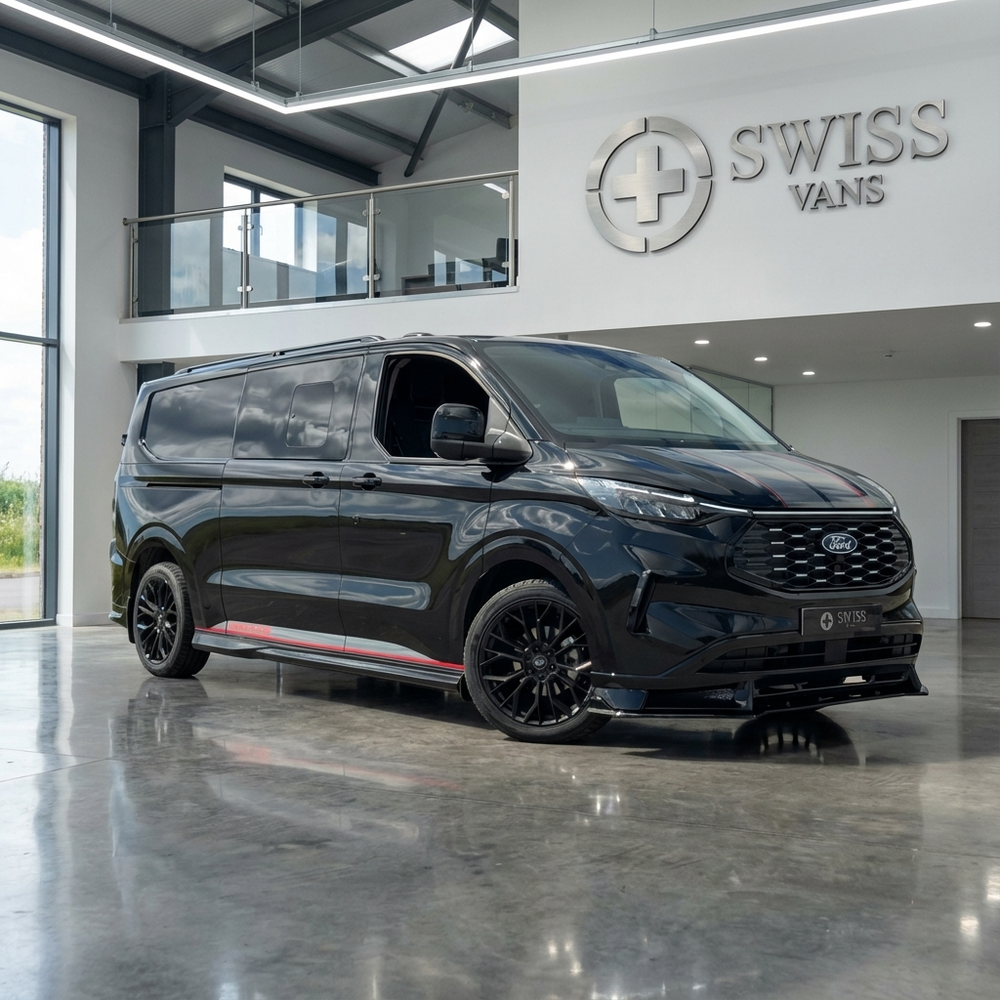
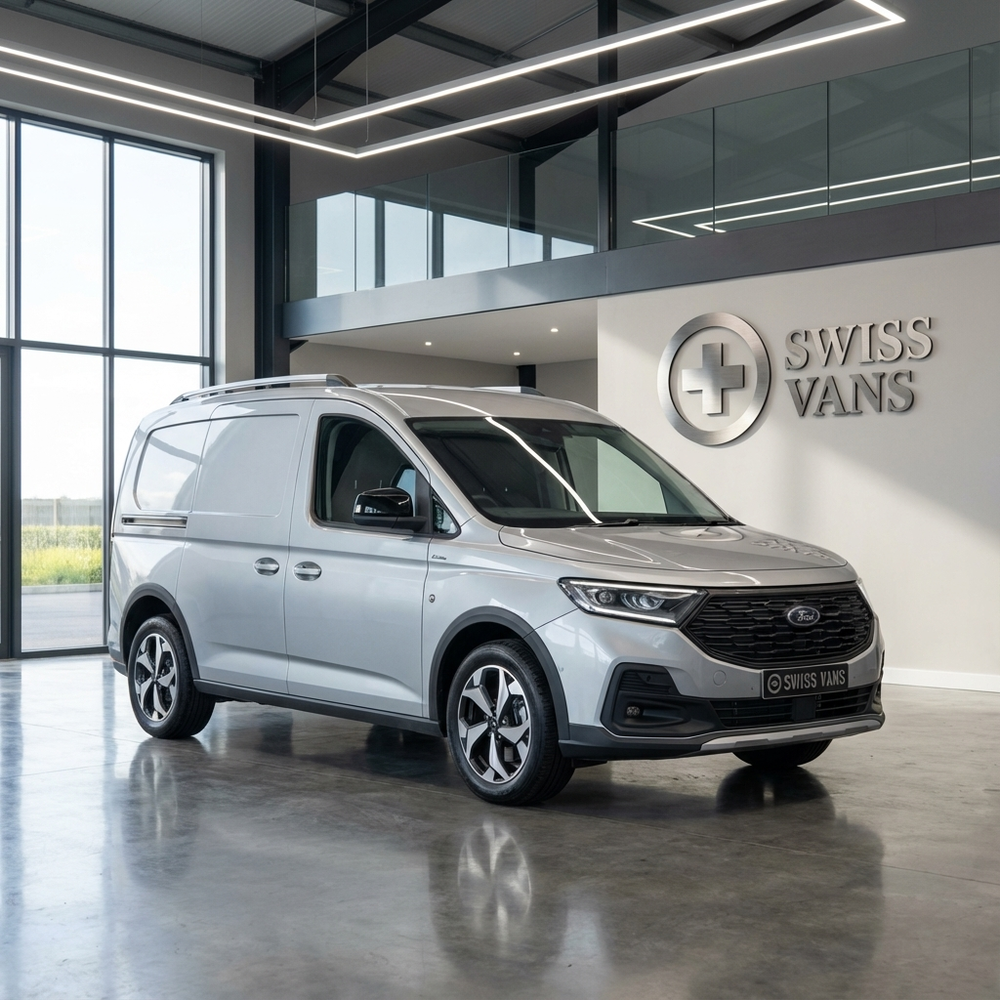
Ford Vans
Ford Vans: Models, Features, and Buying Tips
Ford vans are the backbone of businesses in America. They serve companies of all types, from delivery services to construction firms. Years of dependable performance and ongoing innovation have earned these versatile commercial vehicles their stellar reputation. The wide range of Ford vans provides solutions that match any business transportation need.
This detailed piece gets into popular Ford van models like the Ford Transit, Transit Custom, and Transit Connect series. You'll find specifics about cargo space, engine options, safety features, and fuel efficiency ratings. The piece also gives you practical tips to pick the right Ford van and guides you through the buying process for both new and used vehicles.
Ford Vans
Ford's commercial vehicle lineup has a variety of models that meet specific business needs and operational requirements. The lineup ranges from compact delivery vans to resilient cargo haulers and provides solutions for businesses of all sizes. Source
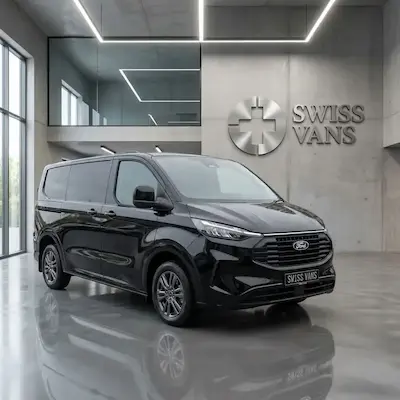
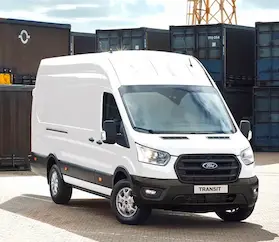
The Ford Transit leads the lineup as the flagship model with impressive versatility and up to 15.1 cubic meters of secure load space. It comes in three body lengths and two roof heights that accommodate loads up to 4,256mm in length. Wide side load doors and an integrated rear access step make cargo handling effortless.
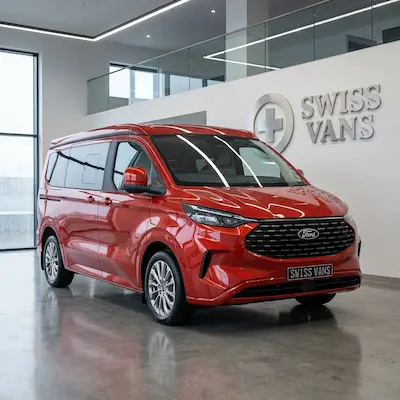
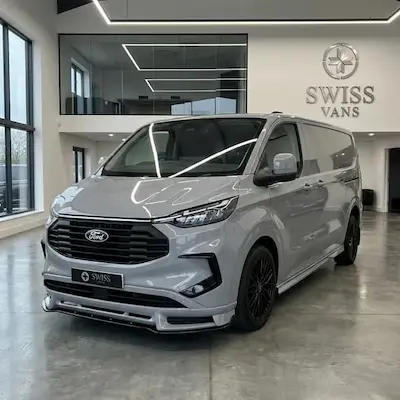
The Ford Transit Custom sits perfectly in the mid-size segment and blends maneuverability with substantial carrying capacity. This van dominates European sales and strikes the perfect balance between cargo space and urban agility. Businesses can choose from multiple trim levels like Leader, Trend, Limited, Trail, and Active that suit their specific needs.
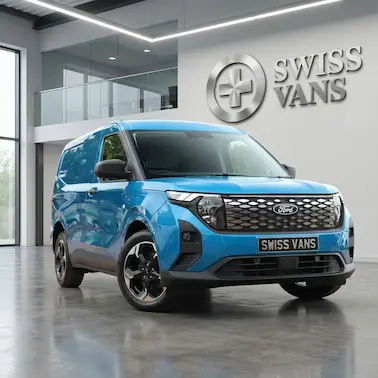
The Ford Transit Connect serves as the compact powerhouse in the range with these features:
- Load space width of over 1.5m at the floor
- Load space height exceeding 1.2m
- Capability to carry items up to 3.4 meters in length (L2 models)
- Advanced 6-speed manual or automatic transmission options
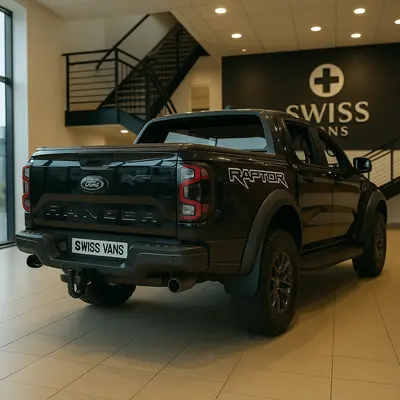
The Ford Ranger adds pickup versatility to the commercial lineup with boosted capabilities. A wider stance fits a standard Euro pallet between the wheelhouses. The innovative cargo management system has:
- Spring-loaded cleats with nine positioning options
- DIN-compliant tie-down points
- Integrated power outlet supplying 240-volts
- Easy-lift tailgate with built-in work bench functionality
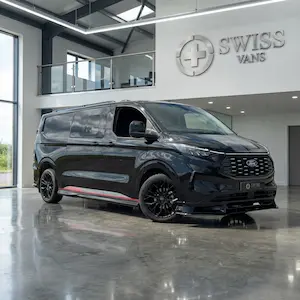
The Ford E-Transit shapes the future of commercial transport with zero-emission capability without compromising functionality. This all-electric variant maintains Transit's legendary toughness while adding advanced charging technology and intelligent software solutions to modern fleet management.
Key specifications comparison:
| Model | Max Load Space | Max Load Length | Engine Options |
|---|---|---|---|
| Transit | 15.1 cu.m | 4,217mm | 2.0L EcoBlue diesel |
| Transit Custom | 8.3 cu.m | 3,494mm | 2.0L EcoBlue range |
| Transit Connect | 3.6 cu.m | 3,400mm | 75PS-120PS diesel |
| Ranger | Variable | 2,317mm | EcoBlue diesel range |
| E-Transit | 15.1 cu.m | 4,217mm | Electric powertrain |
Key Features of Ford Vans
Ford's modern vans feature state-of-the-art systems that improve functionality, safety, and comfort. These vehicles set new standards in the commercial segment and combine advanced cargo management systems with sophisticated driver assistance technologies.
Which Ford Van Is Right for You?
Ford's commercial vehicles are impressive cargo carriers, and the Transit stands out with 15.1 cubic meters of load space. The vehicle handles up to 2,447 kg payload capacity to meet a variety of business needs. Loading becomes easier with wide side doors and optimized opening heights, while DIN-compliant tie-down points keep cargo secure during transport. The compact Transit Connect proves its worth with up to 3.6 cubic meters of cargo volume and can transport items up to 3.4 meters long through its innovative load-through bulkhead.
Engine Options and Fuel Efficiency
Ford's van range features engines that deliver excellent performance and efficiency:
| Engine Type | Power Output | Torque | Transmission Options |
|---|---|---|---|
| 2.0L EcoBlue | 105-165 PS | 310-390 Nm | 6-speed manual/8-speed auto |
| E-Transit | 68-89 kWh | 430 Nm | Single-speed automatic |
EcoBlue diesel engines come with Auto Start-Stop technology that cuts fuel consumption by 10% in city driving. The E-Transit runs 211-249 miles per charge and supports rapid charging.
Safety and Driver Assistance Technologies
Ford demonstrates its steadfast dedication to safety through a detailed suite of advanced features:
-
- Roll Stability Control
- Traffic Sign Recognition
- Blind Spot Information System with Cross-Traffic Alert
- Intelligent Adaptive Cruise Control
- Lane-Keeping System with driver alert
- Pre-Collision Assist with Automatic Emergency BrakingActive Safety Systems
- Lane-Keeping System with driver alert
- Intelligent Adaptive Cruise Control
- Blind Spot Information System with Cross-Traffic Alert
- Traffic Sign Recognition
- Roll Stability Control
Comfort and Convenience Features
The interior design puts the driver's comfort first. A 12-inch touchscreen with better voice recognition and cloud connectivity powers the SYNC 4 system. FordPass Connect modem makes shared vehicle tracking and control possible through your smartphone. The cabin comes with Dual-zone Electronic Automatic Temperature Control and plenty of storage options. A handy shelf sits above the driver and passenger seats. The steering wheel tilts to turn the cab into a workspace that goes together with one another with under-seat storage big enough for laptops and files.
Ford Pro Telematics gives fleet managers immediate vehicle health data and performance numbers to streamline processes. The system tracks fuel use and driver behavior to help businesses boost their fleet's output while reducing stops.
Choosing the Right Ford Van for Your Needs
Choosing the right commercial vehicle needs you to look beyond simple specifications. You must evaluate multiple factors thoroughly. A systematic evaluation of your business needs and a comparison of available options will give you a decision that meets your current requirements and supports future growth.
Assessing Your Business Requirements
Choosing the right Ford van starts with a complete analysis of your operational needs. Business owners need to assess their daily transportation requirements. These requirements include:
- Cargo weight and volume averages
- Regular travel patterns (urban/highway/mixed)
- Required passenger or crew capacity
- Delivery and service call schedules
- Equipment storage space
- Loading zone clearances and height limits
Comparing Different Models Ford Vans
Businesses need to match their operational needs with each vehicle's capabilities to select the right Ford van model. This comparison matrix helps identify the most suitable option:
| Consideration | Transit | Transit Custom | Transit Connect |
|---|---|---|---|
| Urban Use | Good | Excellent | Outstanding |
| Highway Performance | Excellent | Very Good | Good |
| Payload Capacity | 1327-2447kg | 1000-1327kg | 600-750kg |
| Fuel Efficiency | 43.5mpg | 44.1mpg | 45.6mpg |
| Maneuverability | Good | Very Good | Excellent |
The Transit series delivers multiple customization options that range from simple racking to complex bespoke upfitting solutions. Businesses moving toward environmentally responsible operations will find the E-Transit an excellent choice. The Transit Custom emerges as the perfect middle-ground option that balances capacity with maneuverability.
The Total Cost of Van Ownership
Buying a van costs way beyond the reach and influence of its original price tag. A complete cost analysis has these key elements:
Standing Costs:
- Vehicle depreciation
- Insurance premiums
- Road tax and licensing
- Finance payments
- Establishment costs
Running Costs:
- Fuel consumption
- Maintenance and repairs
- Tire replacement
- Lubricants and fluids
- Driver training
Business owners with electric variants like the E-Transit need to think over charging infrastructure costs and government incentives. Smart fleet managers can cut costs through fuel management systems, maintenance contracts, and driver programs that boost fuel economy.
Your vehicle selection process should look at residual values. Vehicles with standard specs usually sell better than highly specialized ones. Ford's warranty coverage and service network help reduce maintenance costs and make vehicles more reliable.
Ford Fleet Management helps businesses with multiple vehicles create custom fleet policies that match current needs and future changes. This covers planning the switch to electric vehicles and managing specialized conversions.
Smart businesses need to review the benefits of leasing versus buying, especially when you have rapid changes in vehicle technology and environmental rules. Leasing options are a great way to get better cash flow management and keep your fleet modern.
Tips for Buying a Ford Van
Buyers need to think over several aspects before purchasing a Ford van. A proper vehicle inspection and financing options are crucial. Understanding everything in the buying process will help direct customers toward the best deals that match their requirements.
New vs. Used Ford Vans
Budget constraints and specific business requirements play a key role in choosing between new and used Ford vans. New vans come with detailed warranty coverage and the latest technology. Used vehicles help you save money. Let's look at this comparison:
| Aspect | New Ford Van | Used Ford Van |
|---|---|---|
| Original Cost | Higher investment | Lower purchase price |
| Warranty | Full manufacturer coverage | Limited/no warranty |
| Technology | Latest features | Previous generation systems |
| Maintenance | Minimal initial costs | Potential immediate repairs |
| Customization | Full options available | Limited to existing specs |
| Depreciation | Steeper first-year drop | More gradual value loss |
Financing Options
Ford provides several financing plans designed specifically for commercial vehicle buyers. The Ford Options program gives buyers flexibility through Personal Contract Purchase agreements that come with these benefits:
- Monthly payments are lower than traditional financing
- Terms stretch across 24, 36, or 48 months
- Buyers can purchase, return, or exchange vehicles when the contract ends
- Writing down allowances can be accessed (subject to taxation advice)
VAT-registered businesses need to pay the VAT amount with their original deposit. These factors determine the monthly payment structure:
- Length of the agreement
- Expected annual mileage
- Deposit size (maximum 35%)
- Vehicle choice
Test Drive Recommendations
A complete test drive will give you a clear picture of how well the van meets your operational needs. Here's what you need to check:
Pre-Drive Checks:
- Brake system responsiveness and pedal firmness
- Tire condition and pressure levels
- Mirror adjustments and visibility
- Suspension system performance
- All lights functionality
- Interior controls and features
During Test Drive:
- Start with slow, controlled maneuvering
- Test acceleration and braking response
- Check handling on different road surfaces
- Verify all vehicle features and systems
- Pay attention to unusual noises
- Test parking and reversing capabilities
Dealership Selection
Your choice of Ford dealership affects the buying experience by a lot. A buyer should think over these factors:
Location and Accessibility:
- Distance from your business
- Service department hours
- Access to parts inventory
Dealer Capabilities:
- Knowledge of commercial vehicles
- Stock that matches your needs
- Options and timing for delivery
- Quality of after-sales support
The Ford website helps buyers pick dealers based on:
- Available vehicle specifications
- Area coverage
- Delivery priorities
- Service options
A qualified mechanic should inspect any used van before purchase. This extra step spots possible problems and helps negotiate better prices if needed. Dealers must provide detailed vehicle history and maintenance records, especially when you have used vehicles.
Businesses that need multiple vehicles benefit from building a relationship with dealers who offer fleet management. These partnerships lead to better maintenance schedules, custom financing options, and personal account support.
Conclusion
Ford's commercial vans are adaptable to businesses of all sizes. The detailed lineup ranges from the compact Transit Connect to the full-size Transit. These vans match specific business needs and deliver reliable performance. Each model stands out with smart design features, modern safety systems, and quick powertrains that help businesses run better.
Smart buyers need to think over their business needs before picking a Ford van. They should get a full picture of available options and future ownership costs. Taking time to evaluate specific needs helps in comparing different models. A test drive and detailed inspection before purchase makes sense. This practical approach and Ford's solid history with commercial vehicles helps businesses find the right van that will last for years.
FAQs
What are some frequent issues with used Ford Transit Custom vans?
The Ford Transit Custom can experience several common problems, including issues with the clutch and gearbox, electrical system glitches, diesel particulate filter complications, turbocharger problems, cooling system concerns, suspension issues, brake problems, and troubles with the Exhaust Gas Recirculation (EGR) valve.
Which Ford Transit Custom model is recommended to purchase?
The choice of Ford Transit Custom depends on your specific needs, but the 2.0 136 EcoBlue engine is highly recommended due to its superior payload and towing capacities.
What is the most popular Ford van model?
Popular Ford van models include the Ford Transit, Ford Transit Connect, Ford Transit Courier, and Ford Transit Custom.
What are the current models of Ford vans available?
The 2024 lineup of Ford commercial vans includes the Ford Transit, starting at GBP 36,838.20 with options of 275 horsepower / 260 lb-ft of torque or 310 horsepower / 400 lb-ft of torque; the Ford E-Transit, starting at GBP 36,135.06 with 266 horsepower / 317 lb-ft of torque; and the 2023 Ford Transit Connect, starting at GBP 26,789.99.
Why Lease With Swiss Vans