 Call us on
 Why Lease With Swiss Vans





Available Vans
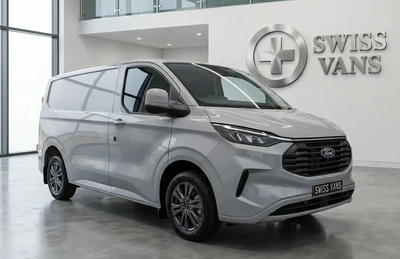
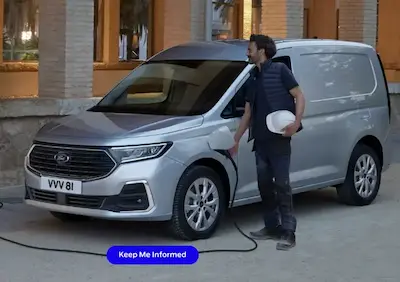

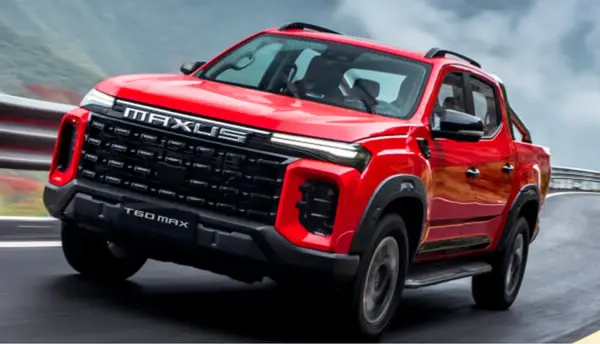
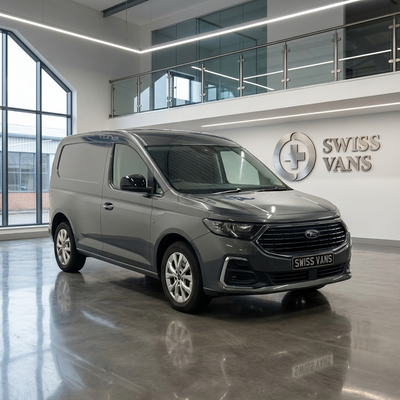
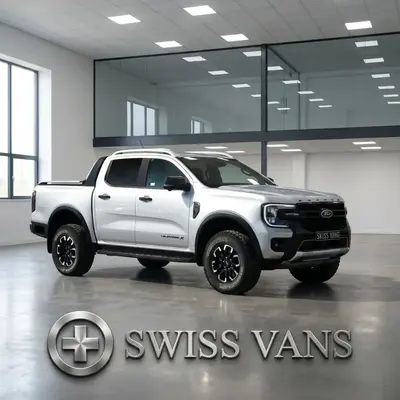
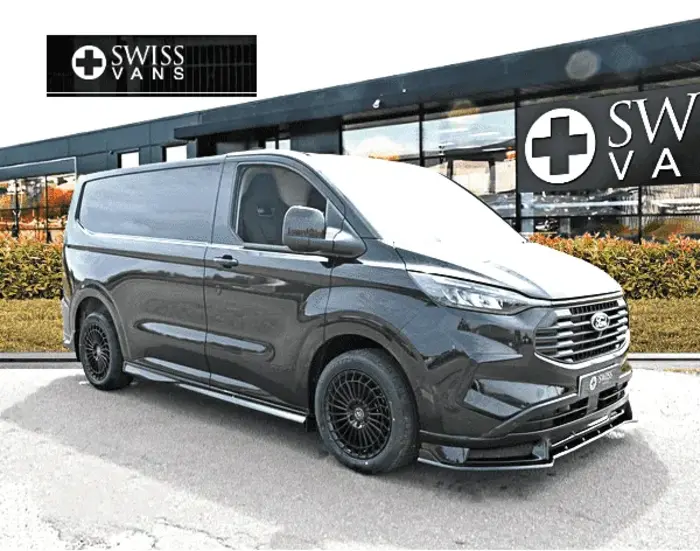
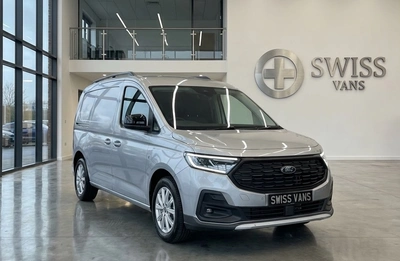
Hybrid Van Leasing
In recent years, the automotive industry and hybrid van lease has seen a significant shift towards more sustainable and eco-friendly options. This change has an impact on the commercial sector, with hybrid van leases becoming an increasingly popular choice for businesses. Hybrid vans offer a blend of fuel efficiency and reduced emissions, making them an attractive option for companies looking to lower their carbon footprint and cut down on running costs. Source
For businesses considering a hybrid van lease, there's a lot to think about. This guide aims to provide a comprehensive overview of hybrid van leasing, covering everything from the technology behind these vehicles to the top models available. We'll explore the factors to consider when leasing a hybrid van, including maintenance costs and business needs. Whether you're interested in a Ford hybrid van lease or looking for the best hybrid van lease deals in the UK, this article will give you the information you need to make an informed decision for your business. See all Van Leasing deals

Hybrid Van Lease
Hybrid van technology combines the benefits of traditional combustion engines with electric power, offering businesses a more eco-friendly and cost-effective solution for their transportation needs. This innovative approach to van design has gained popularity in recent years, especially with the increasing focus on reducing carbon emissions and lowering running costs. See Ford Transit Custom PHEV
Flexible Hybrid Leasing Options
There are several types of hybrid vans available in the market, each with its own unique features and benefits:
- Mild Hybrid (MHEV): These vans use a small electric motor to assist the internal combustion engine, improving fuel efficiency and reducing emissions. The electric motor doesn't power the vehicle on its own but helps to boost performance and reduce fuel consumption.
- Full Hybrid (HEV): Also known as self-charging hybrids, these vans can switch between the electric motor and the combustion engine, or use both simultaneously. They can drive short distances on electric power alone, making them ideal for urban environments.
- Plug-in Hybrid (PHEV): These vans have larger batteries that can be charged from an external power source. They offer a longer electric-only range, typically between 20 to 50 miles, before switching to the combustion engine 1.
- Range Extender Hybrid: This type uses an electric motor to drive the wheels, with a small combustion engine acting as a generator to charge the battery when needed. This design offers the benefits of an electric van with the added security of a backup power source.
How Hybrid Vans Work
Hybrid vans work by combining an internal combustion engine with an electric motor and battery pack. The exact operation depends on the type of hybrid system: Transit Custom Hybrid
In mild hybrids, the electric motor provides additional power to the engine during acceleration and helps to recover energy during braking. Full hybrids can operate on electric power alone at low speeds, with the engine kicking in when more power is needed or at higher speeds.
Plug-in hybrids offer the most flexibility, allowing for pure electric driving for shorter trips and switching to hybrid mode for longer journeys. The van's internal management system automatically controls the power distribution between the electric motor and the combustion engine, ensuring optimal efficiency 2.
Benefits of Hybrid Vans
Hybrid vans offer several advantages for businesses:
- Improved Fuel Efficiency: By utilizing electric power, hybrid vans can significantly reduce fuel consumption, especially in urban environments with frequent stops and starts.
- Lower Emissions: Hybrid vans produce fewer emissions compared to traditional diesel vans, helping businesses reduce their carbon footprint and comply with increasingly strict environmental regulations.
- Cost Savings: While the initial purchase price may be higher, hybrid vans can lead to substantial savings in fuel costs and potentially lower maintenance expenses over time.
- Flexibility: Hybrid vans offer the best of both worlds – the ability to drive on electric power for short urban trips and the range of a combustion engine for longer journeys.
- Future-Proofing: With the UK government planning to ban the sale of new petrol and diesel vehicles by 2035, investing in hybrid technology can help businesses prepare for the transition to cleaner transport solutions 3.
- Access to Low Emission Zones: Many cities are implementing low emission zones, and hybrid vans often qualify for reduced or zero charges in these areas, providing cost savings for businesses operating in urban environments.
As businesses increasingly look for ways to reduce their environmental impact and operating costs, hybrid van leasing offers an attractive solution. By understanding the different types of hybrid vans available and how they work, companies can make informed decisions about which hybrid van lease deals best suit their specific needs and operational requirements. See Electric Van Lease
Factors to Consider When Leasing a Hybrid Van
When exploring hybrid van lease options, businesses need to weigh several important factors to ensure they make the best choice for their needs. From lease terms to mileage allowances and maintenance considerations, understanding these aspects can help companies maximize the benefits of hybrid van leasing.
Lease Terms and Conditions
The length of a hybrid van lease can vary, typically ranging from two to five years 1. This flexibility allows businesses to choose a term that aligns with their operational requirements and financial planning. It's important to note that changing vehicles mid-contract is generally not possible, so selecting the right hybrid van from the start is crucial 1.
One advantage of hybrid van leasing is the potential for lower monthly payments. By opting for a larger initial rental or extending the contract term, businesses can reduce their monthly costs 1. This flexibility in payment structure can be particularly beneficial for companies looking to manage their cash flow effectively while still accessing the latest hybrid van technology. See Ford Transit Custom PHEV
Mileage Allowance
Mileage allowance is a critical factor in hybrid van leasing. Most finance companies set limitations on annual mileage, with a typical maximum of 50,000 miles per year 1. It's essential for businesses to accurately estimate their annual mileage when entering a lease agreement, as exceeding the agreed-upon mileage can result in additional charges at the end of the contract 1.
When considering a hybrid van lease, businesses should carefully evaluate their typical usage patterns. For those making shorter journeys, a hybrid van with an electric range of around 35 miles before switching to the combustion engine could be ideal 2. This setup allows companies to benefit from lower running costs on local trips while having the flexibility for longer journeys when needed.
It's worth noting that some leasing providers offer more flexible approaches to mileage. For instance, some hybrid leasing agreements don't apply excess mileage charges, recognizing that mileage restrictions can unduly influence a client's decision-making 3. This flexibility can be particularly advantageous for businesses with fluctuating or unpredictable mileage needs. See all Petrol Vans
Maintenance and Servicing
Maintenance and servicing are crucial aspects to consider when leasing a hybrid van. Many lease agreements offer the option to include a maintenance package for an additional monthly fee 1. These packages typically cover routine maintenance, servicing, tire replacements, and any MOTs that fall within the contract duration 1. For businesses looking to simplify their vehicle management and budget for maintenance costs upfront, this can be an attractive option.
One of the advantages of hybrid vans is their potential for lower maintenance costs compared to traditional combustion engine vehicles. Hybrid vans have fewer moving parts, particularly in the engine and exhaust system, which can lead to reduced repair bills 2. This can result in significant savings for businesses over the course of the lease.
When it comes to servicing hybrid vans, it's important to work with technicians who have specific expertise in hybrid technology. Specialized servicing for hybrid vans includes thorough inspections of hybrid components such as the electric motor, battery pack, regenerative braking system, and control modules 4. Regular servicing ensures the optimal performance and longevity of both the electric and combustion engine systems in a hybrid van.
By carefully considering these factors – lease terms, mileage allowance, and maintenance requirements – businesses can make informed decisions when exploring hybrid van lease deals. This approach allows companies to harness the benefits of hybrid technology while aligning the lease agreement with their specific operational needs and financial goals. See Transit Connect PHEV
Top Hybrid Van Models for Leasing
Popular Hybrid Van Brands
When it comes to hybrid van lease deals, several brands have emerged as leaders in the market. Ford has been at the forefront with its Transit Custom Plug-In Hybrid (PHEV), which has gained popularity among businesses looking to reduce their carbon footprint. This model offers a blend of electric and petrol power, making it suitable for various business needs.
Another notable brand in the hybrid van market is LEVC (London Electric Vehicle Company), which produces the VN5. This range-extender hybrid van is designed with urban deliveries in mind, offering zero-emission capability for city driving. Mitsubishi has also entered the commercial vehicle sector with its Outlander PHEV Commercial, which combines the practicality of a van with the efficiency of a plug-in hybrid system.
Key Features to Compare
When considering a hybrid van lease, it's essential to compare key features across different models. One crucial factor is the electric-only range, which can vary significantly between vehicles. For instance, the Ford Transit Custom PHEV claims an electric range of up to 35 miles, while the LEVC VN5 boasts a more impressive 61 miles of zero-emission driving 1.
Payload capacity is another vital consideration for businesses. Hybrid vans typically have a slightly reduced payload compared to their diesel counterparts due to the additional weight of the battery pack. However, manufacturers have worked to minimize this difference, ensuring that hybrid vans can still meet most business needs.
Charging time and options are also important features to compare. Most plug-in hybrid vans can be charged using a standard wall socket, but the time required can vary. For example, the Ford Transit Custom PHEV takes approximately 4.3 hours to charge fully from a standard wall socket, or 2.7 hours using a 7.2kWh wallbox 2.
Hybrid Van Lease
The performance and efficiency of hybrid vans are key selling points for businesses considering a hybrid van lease. These vehicles offer a unique combination of electric motor efficiency for short trips and the range of a conventional engine for longer journeys.
Fuel economy is a significant advantage of hybrid vans. When used correctly, plug-in hybrid vans can achieve impressive fuel efficiency figures. For instance, the Ford Transit Custom PHEV claims an official fuel economy rating of 176.6 mpg, while the LEVC VN5 boasts an even more remarkable 382.8 mpg 3. However, it's important to note that these figures assume regular charging and optimal use of the electric range.
In terms of performance, hybrid vans often offer a smooth and quiet driving experience, especially when operating in electric mode. The instant torque provided by the electric motor can result in responsive acceleration, particularly useful in urban environments.
It's worth noting that the efficiency of hybrid vans depends largely on how they are used. For businesses that frequently undertake short trips within the electric range and have the ability to charge regularly, a plug-in hybrid van can offer significant fuel savings. However, for those primarily engaged in long-distance driving, a conventional diesel van might still be more economical.
When considering a hybrid van lease, businesses should carefully evaluate their specific needs, driving patterns, and charging capabilities to determine if a hybrid van is the right choice for their operations.
Conclusion
The shift towards hybrid van leasing has a significant impact on businesses looking to balance efficiency, cost-effectiveness, and environmental responsibility. This guide has explored the ins and outs of hybrid van technology, key factors to consider when leasing, and popular models available in the market. By understanding these aspects, companies can make informed decisions to align their transportation needs with their operational goals and sustainability targets.
To wrap up, hybrid van leasing offers a flexible and forward-thinking solution for businesses to adapt to changing environmental regulations and market demands. While the initial investment may be higher, the potential for long-term savings in fuel costs and maintenance, coupled with reduced emissions, makes hybrid vans an attractive option for many companies. As the automotive industry continues to evolve, staying informed about hybrid van options and leasing deals will be crucial for businesses to stay competitive and environmentally conscious.
FAQs Hybrid van Lease
- Is leasing a hybrid van a good choice? Leasing a hybrid van can be advantageous if you value fuel efficiency, lower emissions, and cost savings over time. However, for those who prioritize environmental protection and frequently travel long distances, an electric vehicle might be the more suitable option.
- What does van leasing entail? Van leasing operates similarly to renting an apartment. You start by paying a deposit, then agree to a set annual mileage and make monthly payments over a predetermined period (typically 12, 24, 36, or 48 months). During the lease, you're responsible for the van's upkeep and any additional charges that accrue, which are settled when the van is returned to the leasing company at the end of the agreement.
- Should I consider purchasing a hybrid van? Purchasing a hybrid van can be beneficial as it offers the versatility and extended range of a traditional engine-powered vehicle, combined with the potential for zero-emission operations and reduced operational costs in urban settings. Hybrid vans come in various types, including plug-in hybrids and those that do not require plugging in.
- What occurs when a van lease concludes? At the conclusion of a Contract Hire van lease, you simply return the van to the leasing company without the need for a final balloon payment. If desired, you can then lease another van, potentially upgrading to a newer model.