Call us on
 Electric Van Lease
Electric Van Lease: Best Options for Your Fleet
In today's rapidly evolving automotive market, opting for an electric van lease presents an increasingly attractive proposition for businesses aiming to modernise their fleets while also prioritising sustainability. As concerns over environmental impact and fuel costs continue to rise, the shift towards vehicles equipped with an electric motor and a capacious battery pack becomes an imperative rather than a mere option. Leasing electric vans offers financial and operational benefits, including significant savings on road tax and potential exemptions from certain urban emission charges, making it a strategic move for forward-thinking businesses. See all van lease deals
This article explores the comprehensive advantages of leasing electric vans, highlighting the considerations such as range, the cost of charging versus fuel, and the inclusion of breakdown cover in lease agreements, which can offer peace of mind to businesses. We delve into a curated list of the top electric vans that promise to meet diverse commercial needs, from compact models with impressive range to larger plug-in hybrid vehicles designed for heftier hauling tasks. Additionally, factors to consider when choosing a finance lease option for electric vans, such as contract terms and mileage limits, are discussed to help businesses make informed decisions. Case studies of successful fleet conversions to electric will also be presented, offering real-world insights into the transition process and outcomes. See all Van Leasing Deals
Benefits of Leasing an Electric Van
Cost Savings
Leasing an electric van can be highly cost-effective for businesses in the long run. One of the most significant financial benefits is the lower operating and maintenance costs compared to traditional vans. Electric vehicles (EVs) require less maintenance due to fewer moving parts, and electricity is generally more affordable than gasoline or diesel. Additionally, UK businesses can take advantage of various tax incentives and grants for adopting electric vehicles, such as reduced road taxes and exemptions like the London Congestion Charge. Current grants offer up to 35% off the purchase price for certain electric van models, significantly reducing monthly lease payments. Furthermore, the cost of charging an electric van is substantially lower than refuelling a conventional van, with many energy companies offering favourable rates for electric charging.
Environmental Impact
Electric vans play a crucial role in reducing environmental impact. They produce zero tailpipe emissions, which is vital for combating air pollution and climate change. By incorporating electric vans into their fleets, businesses not only comply with tightening environmental regulations but also enhance their sustainability credentials. This shift supports the UK government's agenda to transition towards cleaner transportation options, thereby avoiding potential fines and penalties associated with non-compliance. Additionally, electric vans contribute to a reduction in noise pollution, particularly beneficial in urban settings, creating a more pleasant environment for both the community and the drivers.
Operational Efficiency Electric Van Lease
Electric vans offer several operational advantages that can enhance business efficiency. These vehicles are known for their quiet and smooth operation, which can improve the working conditions for drivers. They also deliver instant torque, providing excellent acceleration and responsiveness, crucial for businesses requiring quick deliveries. The inclusion of features like breakdown cover in lease agreements offers further peace of mind, ensuring minimal downtime and consistent operational performance. Companies such as The Pinnacle Group and The Conservation Volunteers have reported successful transitions to electric fleets by adopting a staged approach, allowing them to maintain operational efficiency while gradually integrating more electric vans based on learnings from initial stages.
Top Electric Vans to Consider
Peugeot e-Partner
The Peugeot e-Partner stands out in the small electric van market with its unique i-Cockpit layout, which is borrowed from Peugeot's passenger cars, giving it a contemporary and sporty feel. This model is equipped with a 134bhp motor paired with a 50kWh battery, offering a range of up to 171 miles on a single charge. The e-Partner is not only about style; it's also practical with a payload capacity of up to 800kg and a load volume of up to 4.4m3 in the larger body size. The van's batteries are neatly tucked under the floor, enhancing driving dynamics by lowering the centre of gravity. Additionally, the e-Partner supports rapid charging, capable of recharging the battery from 20% to 80% in just 30 minutes, making it an excellent choice for businesses looking for efficiency and style.
Ford E-Transit Electric Van Lease
The Ford E-Transit, introduced in 2020, is a game-changer for businesses aiming to meet sustainability goals without sacrificing versatility. Available in various configurations, including two heights and three lengths, it offers up to 15.1m3 of cargo space and a payload of up to 1,035kg. The E-Transit is powered by a 68kWh battery, ensuring a range of up to 196 miles, making it suitable for a wide range of business needs. The model is available in multiple lease options, catering to different business requirements and budgets. With its robust features and flexible leasing terms, the E-Transit is poised to be a top choice for businesses transitioning to greener alternatives.
Nissan e-NV200
The Nissan e-NV200 has been a reliable choice for businesses focused on maximising cargo space in a compact, zero-emission van. Originally launched with a 24kWh battery, the e-NV200 received an upgrade in 2018 to a 40kWh battery, boosting its range to 174 miles. This van is particularly suited for city-based businesses due to its efficient performance in urban settings, where regenerative braking systems enhance battery life. The e-NV200's design optimises space, offering a load capacity of 4.2m3 and a payload of 701kg, making it one of the largest in its class. Although no longer available new, the e-NV200 continues to be a viable option on the used market, particularly for businesses operating within tight city confines.
Factors to Consider When Leasing
When considering an electric van lease, several factors should be taken into account to ensure the agreement aligns with business needs and expectations. These include the terms of the lease, the mileage allowance, and the availability of charging infrastructure.
Lease Terms and Length
Leasing an electric van typically involves a long-term rental agreement where an initial rental payment is followed by monthly payments over a period of two to five years. At the end of the contract, the van is returned to the finance provider. It's crucial for businesses to review the length of the lease carefully, as it can vary from two to five years depending on the vehicle, the chosen contract, and the finance provider. Businesses should consider their long-term vehicle requirements and financial stability when selecting the lease term to avoid potential complications over the contract duration.
Mileage Allowance Electric Van Lease
Mileage allowance is a critical aspect of any vehicle lease. It specifies the maximum number of miles the van can be driven annually without incurring additional charges. Exceeding this limit can lead to excess mileage fees. Therefore, selecting a realistic mileage limit that aligns with the anticipated vehicle use is essential. Businesses should estimate their annual mileage based on previous vehicle usage patterns and consider any expected changes in operational scope that might affect mileage. It's also possible to amend the mileage during the lease term with most finance providers, although this may incur a charge and usually requires a minimum remaining contract period.
Charging Infrastructure
Access to adequate charging infrastructure is vital for the practicality of leasing an electric van. Before entering into a lease agreement, businesses should ensure that sufficient charging facilities are available at or near their premises and in areas where the vehicle will be operated. This includes home, workplace, and public charging stations. A robust charging network helps in maintaining operational efficiency and reduces downtime due to charging needs. It's also advisable to consider the future expansion of charging infrastructure, especially in metropolitan and non-metropolitan areas, to support an increasing number of electric vehicles.
By carefully evaluating these factors, businesses can make informed decisions that optimise the benefits of leasing electric vans, contributing to operational efficiency and sustainability goals.
Case Studies of Successful Fleets
Example 1: Winterhalter UK's Electrification with GRIDSERVE
Winterhalter, a leading provider of commercial dishwashing systems in the UK, faced the dual challenge of economic pressures and the need to decarbonise. Under the leadership of Finance Director David Parsons, the company decided to electrify three-quarters of its 95-vehicle fleet. Historically purchasing its fleet outright, Winterhalter found the leasing model offered by GRIDSERVE Car Leasing more appealing amid evolving electric vehicle (EV) technology and economic conditions. This strategic shift not only aligned with their environmental ethos but also resulted in significant capital savings, which were reinvested into developing more energy-efficient products. GRIDSERVE supported the transition by hosting test drive events for staff and ensuring adequate EV charging infrastructure, thus facilitating a smooth switch to electric vehicles.
[caption id="attachment_51132" align="alignnone" width="700"]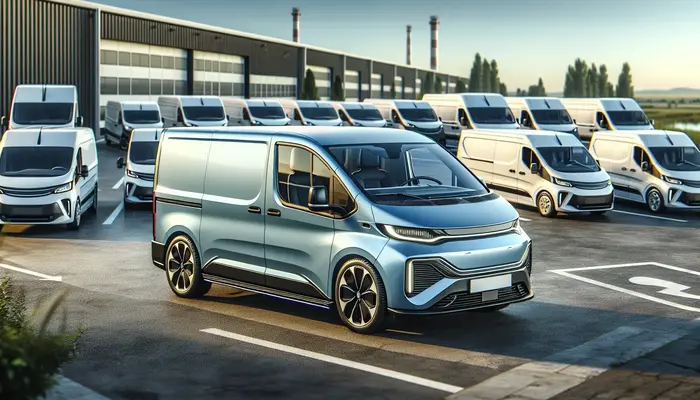 Electric Van Lease[/caption]
Example 2: Flagship Group's Flexible Approach with DriveElectric
Flagship Group, aiming to address the housing crisis in East England, prioritised sustainability with a target to become carbon neutral by 2030. The group initially trialled an electric van through DriveElectric's FlexiHire service, which allowed them to assess the vehicle in real-life conditions without long-term commitment. The trial was successful, leading to a long-term contract hire of a Peugeot e-Expert electric van. This transition not only supported Flagship's environmental goals but also demonstrated significant cost savings in operation, with the electric van proving cheaper to run compared to its diesel counterpart. The savings facilitated further investments such as the installation of additional charge points, enhancing the group's transition to a fully electric fleet.
Example 3: City of Austin's Strategic Electrification
The City of Austin, managed by Rick Harlan, implemented a comprehensive approach to fleet electrification across its 7,000 assets. This initiative was part of a broader strategy to enhance city infrastructure and support the federal push towards a national network of charging stations. Austin's approach included integrating existing real estate for new charging stations and leveraging state and federal funds to build a robust charging network. The strategic placement of charging stations ensured that they were accessible to both the public and fleet vehicles, promoting wider EV adoption. This proactive planning and investment in infrastructure have positioned Austin as a leader in municipal fleet electrification, setting a benchmark for other cities.
Conclusion Electric Van Lease
Through this exploration, we've underscored the multifaceted benefits of transitioning to an electric van fleet, highlighting the economic, environmental, and operational advantages that align with current trends and future prospects. The deliberation over various models, from the compact Peugeot e-Partner to the spacious Ford E-Transit, alongside critical lease considerations such as contract terms, mileage, and charging infrastructure, aims to equip businesses with the knowledge to make informed decisions that reflect both their operational needs and sustainability goals. Success stories from Winterhalter UK to the City of Austin further illustrate the potential and practicalities of shifting towards electric vehicles, showcasing a roadmap for companies ready to embark on this green journey.
As we draw to a close, it's clear that the landscape of fleet management is evolving, with electric van leasing emerging as a pivotal element in driving this transformation. This article has distilled the essence of why and how businesses can, and perhaps should, consider pivoting towards electric vans, not just as a matter of environmental responsibility but as a strategic venture into efficiency and innovation. The journey towards electrification is not without its challenges, yet the potential for enhanced operational performance, alongside the wider implications for environmental sustainability, promise a compelling case for businesses poised on the brink of transition. In essence, the move towards electric van fleets is not just an adaptation to the present but an investment in a sustainable future.
FAQs Electric Van Lease
What are the drawbacks of leasing a van?
Leasing a van involves a long-term financial commitment that might end up being more expensive over time. Additionally, most leasing agreements impose mileage limits, with extra charges if these limits are exceeded. Another downside is that you have limited options to customise or modify the van, as it needs to be returned in good condition.
Is it possible to lease a van to my own business?
Yes, you can lease various assets to your limited company, including office space, machinery, equipment, vehicles, computers, and property. However, it's important to consult with a professional to ensure that your leasing arrangements comply with legal requirements and are structured properly.
Should I lease a van if I am self-employed?
Definitely. Leasing a van when you're self-employed offers several benefits, including tax advantages, lower monthly payments, coverage under a full manufacturer's warranty, the ability to regularly upgrade to newer models, and predictable costs.
Is it advisable to lease a van for work purposes?
Leasing a work van can be a smart financial decision, particularly because it usually comes with lower monthly payments compared to buying a van outright. This can help improve your business's cash flow. Leasing is generally more cost-effective as you are only paying for the use of the van over a certain period rather than the full purchase price.
Why Lease With Swiss Vans