Call us on
 Electric Citroen Vans
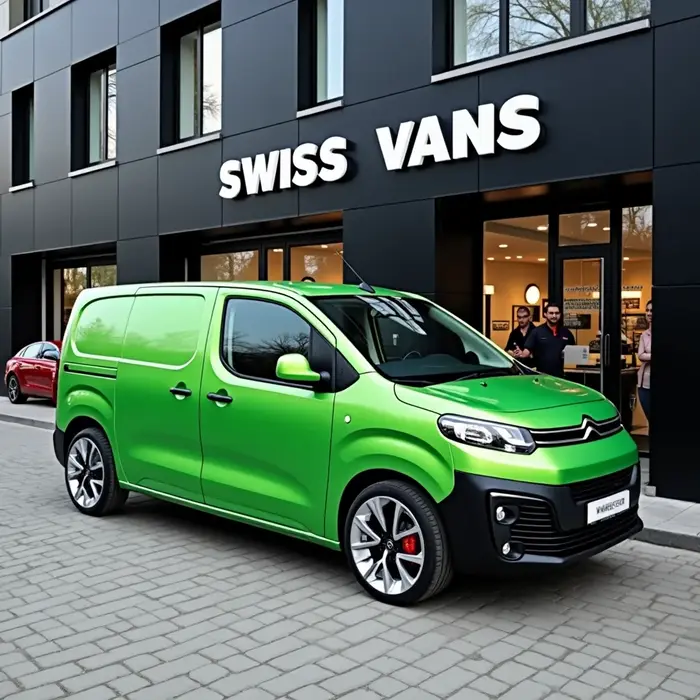
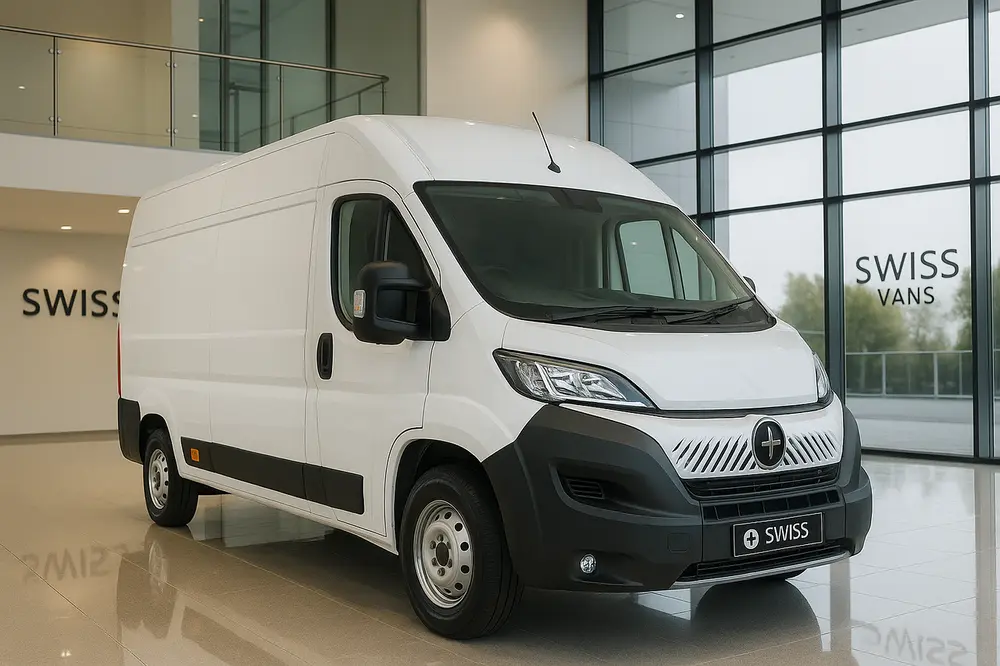

Citroen Electric Vans: The Future Commercials
The automotive industry is undergoing a transformative shift towards eco-friendly solutions, and electric Citroen vans are at the forefront of this change. As businesses and governments alike prioritize sustainability, the demand for zero-emission commercial vehicles has skyrocketed. Citroen, a renowned French automaker, has responded to this need by developing a range of electric vans that combine practicality with environmental consciousness.
[caption id="attachment_52045" align="alignnone" width="1792"] electric citroen vans[/caption]
This article delves into the world of Citroen's electric van lineup, exploring models like the e-Dispatch and e-Relay. It examines their key features, performance, and driving experience, while also shedding light on the total cost of ownership. Additionally, the piece discusses the various government grants available for electric van purchases, charging solutions, and how these vehicles stack up against their diesel counterparts in terms of running costs and payload capacity. By the end, readers will have a comprehensive understanding of why Citroen electric vans are poised to shape the future of commercial transportation.
The Rise of Electric Commercial Vehicles
The commercial vehicle sector is experiencing a significant shift towards electric vehicles (EVs), driven by environmental concerns, cost-effectiveness, and government support. This transition is reshaping the landscape of business transportation, offering numerous benefits to companies and communities alike.
Environmental Benefits Electric Citroen Vans
The adoption of electric commercial vehicles has a profound impact on the environment. These vehicles produce zero tailpipe emissions, playing a crucial role in the fight against air pollution and climate change. By switching to electric vans, businesses can significantly reduce their carbon footprint, contributing to a cleaner and healthier environment. This aligns with the UK government's commitment to reducing harmful emissions and achieving net-zero emissions by 2050.
The Met Office reports that 2023 was provisionally the second warmest year on record, highlighting the urgent need for action against climate change. Businesses that convert to electric vehicle fleets are actively helping to cut greenhouse gas (GHG) emissions. This shift not only benefits the environment but also improves public health by reducing exposure to vehicle exhaust air pollution. Studies have shown that air pollution has adverse health effects on people at different stages of life, from fetal development to lung growth in childhood and cardiac health in adulthood.
Cost Savings Citroen Electric Vans
While the initial investment in electric commercial vehicles may be higher, the long-term cost savings are substantial. Electric vans have lower operating and maintenance costs compared to traditional gasoline or diesel vehicles. The Center for Economics and Business Research (CEBR) estimates that a typical small business could recoup the inflated upfront costs of buying an EV within three years.
For small vans, the total costs of adopting an electric vehicle and operating it for three years average £55,730 for a typical sole trader. This includes the purchase of the vehicle and a charge point, as well as three years' worth of depreciation, recharging costs, and maintenance. Remarkably, this is almost £12,000 cheaper than an equivalent petrol or diesel vehicle.
Electric vans are highly energy-efficient, utilizing a significant portion of the energy they consume to move the vehicle. This translates to more miles covered per unit of energy, reducing energy bills for businesses. Additionally, electricity is generally more affordable than gasoline or diesel, further contributing to cost savings.
Government Incentives Citroen Electric Vans
The UK government has implemented various incentives to encourage businesses to adopt electric commercial vehicles. These include:
- Plug-in Grants: Small and large electric vans are eligible for grants that reduce the purchase price. The Maxus eDeliver 3, eDeliver 9, and T90 pick-up vehicle are among those eligible for this grant.
- EV Infrastructure Grants: Small-to-medium-sized businesses can benefit from grants to install electric vehicle charging infrastructure in their commercial car parks.
- Workplace Charging Scheme (WCS): This scheme provides financial support to businesses towards the cost of purchasing and installing workplace charge points.
- Tax Incentives: Electric vehicles are currently exempt from vehicle tax, although this will change from 2025. Businesses can also claim 100% of the cost of an electric HGV in the tax year of purchase, reducing their tax bill significantly.
- Exemptions from Charges: Electric vehicles benefit from exemptions or discounts on congestion zones, clean air zones, and low and ultra-low emissions zones.
The government has committed over £2 billion to vehicle grants and infrastructure, demonstrating its dedication to supporting the transition to electric vehicles. This commitment is making it increasingly convenient for businesses to adopt electric vans, with improved accessibility to charging infrastructure.
As environmental regulations tighten and incentives continue to grow, the rise of electric commercial vehicles is set to accelerate. Businesses that embrace this change early stand to gain significant advantages in cost savings, environmental stewardship, and public perception.
Citroen's Electric Van Lineup
Citroen has rapidly expanded its range of electric commercial vehicles, offering a comprehensive lineup to meet diverse business needs. The French automaker's commitment to sustainability and efficiency has resulted in three key models: the e-Dispatch, e-Berlingo, and e-Relay. Each of these electric vans combines the practicality and versatility of their diesel counterparts with the benefits of zero-emission powertrains.
e-Dispatch Citroen Electric Vans
The e-Dispatch, Citroen's medium-sized electric van, stands out as a versatile and efficient option for businesses. It retains the exceptional versatility and stylish looks of its combustion-engine counterpart while offering the advantages of electric propulsion. The e-Dispatch is available in three body lengths: XS (4.6m), M (4.95m), and XL (5.3m), catering to various cargo needs.
Powered by a 134bhp electric motor delivering 260Nm of torque, the e-Dispatch offers responsive performance and smooth acceleration. Buyers can choose between two battery options: a 50kWh battery providing a range of up to 143 miles, or a 75kWh version promising 205 miles between charges. The larger battery is expected to be the more popular choice, addressing range anxiety concerns.
The e-Dispatch maintains its impressive payload capacity, with the ability to carry over 1,000kg (upgradable to 1,200kg) and up to 6.6m3 of load volume. The load-through bulkhead allows for items up to 4 meters in length. Charging options are flexible, with the ability to charge up to 80% in just 30 minutes using a 100kW DC rapid charger.
e-Berlingo Citroen Electric Vans
The e-Berlingo, Citroen's compact electric van, offers a unique blend of practicality and efficiency. Available in two lengths - M (4.4m) and XL (4.75m) - the e-Berlingo caters to both five-seat and seven-seat configurations. The M version provides a generous 775 liters of boot space with seats up, expanding to 3,000 liters with seats folded. The XL model offers even more versatility, with up to 3,500 liters of space available.
Powered by a 134bhp electric motor, the e-Berlingo is equipped with a 50kWh battery, delivering an official WLTP range of 170-180 miles. While this range may be lower in real-world conditions, the van supports 100kW rapid charging, allowing for quick top-ups during longer journeys.
The e-Berlingo stands out with its family-friendly features, including fold-out tables behind the front seats and innovative roof storage options. However, it's worth noting that the transition to electric power has increased the price point, positioning it above £30,000.
e-Relay Electric Citroen Vans
The e-Relay, Citroen's largest electric van, combines the qualities of its combustion-engine version with the advantages of an electric powertrain. It offers impressive load volumes ranging from 8 to 17 m3, with the batteries installed without impacting the loading area. The payload capacity reaches up to 1,890 kg, depending on the version.
The e-Relay is available with two battery options: a 37 kWh battery providing up to 73 miles of range (WLTP cycle) for sizes up to L2, and a 75 kWh battery offering up to 154 miles of range for L2, L3, and L4 versions. The electric motor produces 120 hp and 260 Nm of torque, ensuring capable performance even with heavy loads.
Charging options for the e-Relay include 50 kW public charging, which can replenish 80% of the battery in 45 minutes, regardless of battery size. Additionally, 22 kW and 7 kW wallbox options are available for convenient overnight charging.
Citroen's electric van lineup demonstrates the brand's commitment to providing eco-friendly commercial vehicles without compromising on practicality or performance. These models offer businesses a range of options to suit their specific needs while contributing to a cleaner, more sustainable future for urban transportation.
Key Features of Citroen Electric Vans
Citroen's electric van lineup offers a range of features designed to meet the diverse needs of businesses while promoting sustainability. These vans combine practicality, efficiency, and eco-friendliness, making them an attractive option for companies looking to reduce their carbon footprint.
Range and Battery Options
Citroen provides various range and battery options across its electric van lineup to suit different operational requirements. The e-Berlingo, the smallest in the range, comes equipped with a 50kWh battery, delivering an impressive WLTP range of up to 171 miles. This makes it an ideal choice for urban deliveries and short-haul trips.
Moving up the range, the e-Dispatch offers two battery options: a 50kWh battery providing up to 143 miles of range, and a larger 75kWh battery extending the range to 205 miles. This flexibility allows businesses to choose the most suitable option based on their specific needs and driving patterns.
The largest van in the lineup, the e-Relay, is available with two battery pack choices. The 37kWh option, exclusive to the L2 Panel Van, offers a range of up to 73 miles. For longer journeys, the 75kWh battery pack increases the range to 154 miles under WLTP testing for L3 and L4 variants.
Charging Solutions Electric Citroen Vans
Citroen has ensured that its electric vans are compatible with various charging options, providing convenience and flexibility for users. The e-Berlingo, for instance, can be charged using different methods:
- 100kW public charging: Allows for up to 80% charge in just 30 minutes
- 11kW Wallbox: Provides a full charge in 5 hours
- 7.4kW Wallbox: Completes a full charge in 7 hours 30 minutes
The e-Dispatch and e-Relay models offer similar charging capabilities. They can be easily charged at home using a 7.4kW wallbox or at rapid public charging stations. When using a 100kW charger, these vans can achieve an 80% charge in approximately 30 minutes.
To facilitate the transition to electric vehicles, Citroen has partnered with Pod Point for home charging solutions. Pod Point supplies and installs accelerated charging points (wall boxes) and manages the entire process from booking to installation. This partnership extends to business and fleet customers, offering workplace installation options and free site surveys.
Payload and Capacity
One of the standout features of Citroen's electric vans is that they maintain impressive payload capacities and loading volumes, comparable to their diesel counterparts. This has been achieved by strategically positioning the battery packs underneath the floor, ensuring that the cargo area remains uncompromised.
The e-Berlingo, despite its compact size, offers a loading volume of 3.30 m3 to 3.80 m3 in Size M and from 3.90 m3 to 4.40 m3 in Size XL. It boasts a payload capacity of up to 800 kg, making it suitable for a wide range of commercial applications. Additionally, it provides 113 liters of clever and ergonomic storage distributed throughout the cabin.
The e-Dispatch takes payload capacity a step further, offering over 1,000 kg of payload. This makes it an excellent choice for businesses that require substantial carrying capacity without compromising on eco-friendliness.
The e-Relay, being the largest in the range, provides even more impressive figures. It offers load volumes ranging from 8 to 17 m3, with payloads reaching up to 1,890 kg, depending on the version. This makes it suitable for businesses with heavy-duty transportation needs.
All these vans come with Citroen's Multiflex bulkhead system, allowing for the transportation of longer loads when needed. This feature adds to the versatility of these electric vans, making them adaptable to various business requirements.
Performance and Driving Experience
Citroen's electric vans offer a unique driving experience that combines efficiency, smoothness, and power. These vehicles provide a dynamic yet peaceful ride, ensuring comfort for drivers while maintaining impressive performance capabilities.
Instant Torque
One of the standout features of Citroen's electric vans is their ability to deliver instant torque. The electric motors in these vehicles produce 100 kW (136 hp) of power and 260 Nm of torque, available from 0 km/h. This immediate power delivery results in instant performance and smooth acceleration, providing drivers with a responsive and agile driving experience.
The absence of a traditional gearbox further enhances the driving dynamics. With no need for gear shifts, the power delivery is seamless and continuous, allowing for effortless acceleration and maintaining performance even under maximum load conditions. This characteristic is particularly beneficial in urban environments where stop-start traffic is common.
Quiet Operation
Electric vans from Citroen offer a notably quiet driving experience. The silent operation of the electric motor eliminates engine noise and vibrations, creating a peaceful environment for both the driver and surrounding areas. This feature has a significant impact on driver comfort, especially during long journeys or in busy urban settings.
The absence of engine noise also contributes to reduced stress levels for drivers. The quiet operation allows for better concentration and a more relaxed driving experience, which can be particularly beneficial for delivery drivers who spend long hours on the road.
Regenerative Braking
Regenerative braking is a key technology implemented in Citroen's electric vans, significantly enhancing their efficiency and range. This innovative system works by converting kinetic energy produced during braking into electrical energy, which is then stored in the vehicle's battery.
When the driver lifts their foot off the accelerator pedal, the electric motor switches to generator mode. It uses the kinetic energy from the moving wheels to generate electricity, effectively slowing down the vehicle while simultaneously charging the battery. As the driver applies the brakes, the regenerative braking system intensifies, capturing more energy and further decelerating the vehicle.
The benefits of regenerative braking are numerous:
- Increased Range: Proper use of regenerative braking can extend the vehicle's range by up to 20%, allowing for longer distances between charges.
- Reduced Maintenance Costs: By relying more on regenerative braking, wear and tear on traditional brake components is minimized, leading to lower maintenance costs.
- Enhanced Energy Efficiency: The system reduces wasted energy by repurposing it, making the electric van more efficient overall.
- Improved Battery Lifespan: Regular use of regenerative braking can help preserve the battery's lifespan by reducing the frequency of deep discharges.
To maximize the benefits of regenerative braking, drivers can adopt smooth driving techniques and utilize different driving modes that optimize the system's intensity. Citroen's electric vans offer multiple driving modes, including Normal, Eco, and Power, allowing drivers to balance performance and energy efficiency based on their specific needs and driving conditions.
While regenerative braking is highly effective, it's important to note that it complements rather than replaces traditional braking systems. In emergency situations or on slippery roads, conventional brakes are still necessary for optimal safety.
Total Cost of Ownership
When considering the adoption of electric vans, businesses need to evaluate the total cost of ownership. This comprehensive approach takes into account various factors beyond the initial purchase price, revealing significant advantages for electric vans in terms of long-term financial benefits.
Lower Fuel Costs
One of the most substantial advantages of electric vans is their lower running costs. On average, an electric van costs 2-3p per mile to run, compared to 10p per mile for a standard diesel-fueled van. This difference can result in substantial savings, especially for businesses that cover long distances regularly. For instance, a 100-mile daily journey in a diesel Citroen Berlingo Crew Van would cost an estimated £9,059 in fuel over a 12-month period. The same distance in an electric Citroen e-Berlingo Crew Van would cost approximately £2,139, resulting in significant savings.
The cost of fully charging a flat battery overnight is estimated at £8.35, whereas covering 100 miles in a diesel van would require £22.00 worth of fuel. This stark contrast in fuel costs can have a considerable impact on a company's monthly outgoings, especially for businesses that rely heavily on their vans for deliveries or services.
Reduced Maintenance
Electric vans offer lower maintenance costs due to their simpler mechanical structure. With fewer moving parts compared to traditional combustion engines, electric vans are less prone to wear and tear. This reduction in complexity translates to lower servicing costs and reduced downtime for businesses.
Key maintenance benefits include:
- No need for oil changes
- Fewer replacements of consumables like brake pads and disks due to regenerative braking
- Absence of particulate filters and exhaust systems
- No AdBlue requirements
Research indicates that electric vehicles cost at least 30% less to service and maintain than traditional vehicles. This difference can lead to substantial savings over the lifetime of the vehicle.
Tax Benefits
Electric vans offer numerous tax advantages that can significantly reduce the total cost of ownership:
- Vehicle Excise Duty (VED) Exemption: Electric vans are currently exempt from road tax until at least 2025.
- Capital Allowances: Businesses can claim up to 100% of the cost of an electric van against their profits in the year of purchase, reducing their tax liability.
- Benefit-in-Kind (BIK) Tax: For company-owned electric vans used for private purposes, there are currently no tax implications, resulting in savings for both employers and employees.
- Congestion Charge and ULEZ Exemption: Electric vans are exempt from London's Congestion Charge and Ultra Low Emission Zone (ULEZ) charges, offering significant savings for businesses operating in urban areas.
- Workplace Charging Scheme (WCS): Businesses can apply for vouchers worth up to £350 per socket to help cover the cost of installing electric vehicle charging points at their premises.
These tax incentives, combined with lower fuel and maintenance costs, make electric vans an increasingly attractive option for businesses looking to reduce their overall expenses while also contributing to environmental sustainability.
Conclusion
Citroen's electric vans are changing the game in commercial transportation, offering a blend of eco-friendliness, cost-effectiveness, and practicality. These vehicles have a significant impact on reducing carbon emissions while providing businesses with substantial savings in fuel and maintenance costs. The variety of models, ranging from the compact e-Berlingo to the spacious e-Relay, ensures that companies of all sizes can find an electric van that fits their needs.
Looking ahead, the future of commercial vehicles is increasingly electric. As charging infrastructure continues to improve and government incentives remain strong, more businesses are likely to make the switch to electric vans. Citroen's commitment to innovation in this field puts them at the forefront of this shift, helping to create a cleaner, more sustainable future for urban transportation while meeting the ever-evolving needs of businesses in a rapidly changing world.
FAQs
- What kind of warranty does Citroën offer for their electric vans?
Citroën provides a warranty that covers all models against material and manufacturing defects for three years or 60,000 miles from the date of the first registration. For their commercial vehicles, this warranty extends up to 100,000 miles. Additionally, the lithium-ion battery packs in these vehicles are covered for eight years or 100,000 miles, ensuring further reliability and peace of mind.
- How durable are electric vans like those from Citroën?
Electric vans typically feature lithium-ion batteries, which are known for their longevity. Owners of such vehicles can generally expect the battery to last for more than 10 years or up to 100,000 miles. While the battery's performance may slightly decline after 8-10 years, this does not significantly impact the van's overall performance, although the driving range may be slightly reduced.
- What type of driving license is required to operate a Citroen Ami?
The Citroen Ami is classified as a quadricycle, which means it can be driven by individuals as young as 16 years old provided they hold a full AM moped license in the UK. This vehicle stands out for its unique classification and accessibility to younger drivers.