 Call us on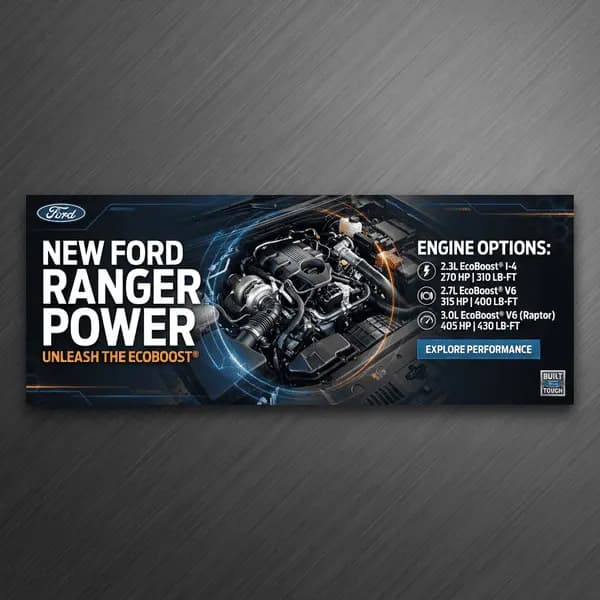
New Ford Ranger Engine
Ford Ranger Engines: Power, Performance, and Reliability
The Ford Ranger engine has been a cornerstone of this popular pickup truck’s performance and reliability for decades. As a crucial component, it has an impact on the vehicle’s power, fuel efficiency, and overall driving experience. The engine’s evolution reflects Ford’s commitment to innovation and meeting the changing needs of truck enthusiasts and everyday drivers alike. Source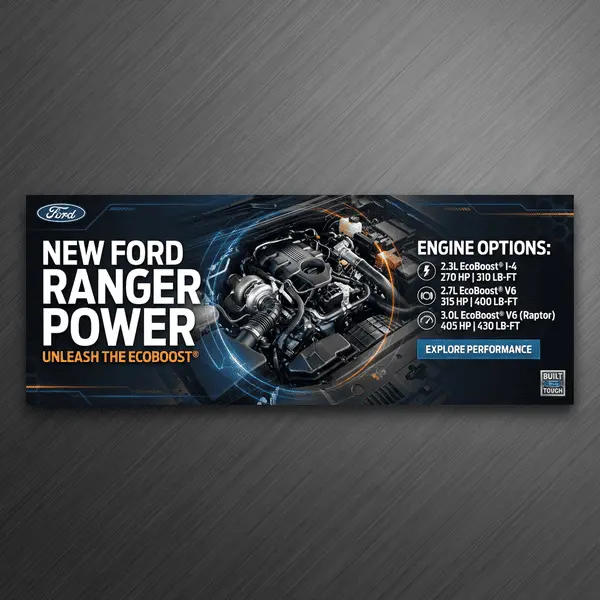
This guide explores the various aspects of Ford Ranger engines, from their historical development to current specifications. It delves into power and performance metrics, examining horsepower and torque specs across different engine options. The article also addresses reliability issues, common problems, and potential upgrades to enhance engine performance. By the end, readers will have a comprehensive understanding of Ford Ranger engines, enabling them to make informed decisions about maintenance, repairs, or potential engine swaps. See all Ford Ranger For Sale

Evolution of Ford Ranger Engines
The Ford Ranger engine has undergone significant transformations since its inception, reflecting the automaker’s commitment to innovation and meeting changing consumer demands. This evolution has seen the introduction of various engine options, each designed to deliver improved power, performance, and efficiency. See Ford Ranger Lease
New Ford Ranger Engine Overview
When the Ford Ranger was first introduced in 1983, it offered a range of engine choices to cater to different needs. The initial lineup included the Ford Pinto 2.0-liter and 2.3-liter inline four-cylinder engines as entry-level options. These engines provided modest power, with output ranging from 72 to 100 horsepower, making them suitable for basic tasks and fuel efficiency. See Ford Ranger Wildtrak
For those seeking more power, Ford offered the Cologne 2.8-liter V6 engine, which produced 115 horsepower. This engine option gave the Ranger enhanced towing and hauling capabilities, making it more versatile for various applications. See Ford Ranger Wildtrak Lease
As the first generation progressed, Ford expanded the engine lineup to include larger and more powerful options. The introduction of the 3.0-liter Vulcan V6 and the 4.0-liter Cologne V6 engines marked a significant improvement in the Ranger’s performance capabilities. The 4.0-liter V6, in particular, boosted the truck’s power output to 160 horsepower, providing a substantial increase in torque and overall performance. See New Ford Ranger
During this period, Ford also experimented with diesel engine options. A naturally aspirated 2.2-liter inline four-cylinder diesel engine was offered, producing 59 horsepower. Later, a turbocharged 2.3-liter four-cylinder diesel was introduced, increasing output to 86 horsepower and providing improved fuel efficiency.
Modern EcoBoost engines (2012-present)
The Ford Ranger engine lineup underwent a significant transformation with the introduction of EcoBoost technology. This innovative engine design combines turbocharging and direct fuel injection to deliver impressive power and torque while maintaining fuel efficiency.
In 2019, Ford reintroduced the Ranger to the North American market after a brief hiatus. This new generation came equipped with a single engine option: a 2.3-liter EcoBoost inline four-cylinder engine. This powerful and efficient powerplant produces an impressive 270 horsepower and 310 lb-ft of torque, rivaling the output of some V6 engines in competing trucks.
The EcoBoost engine in the modern Ranger has an impact on its overall performance, allowing it to achieve a maximum towing capacity of 7,500 pounds and a payload capacity of 1,905 pounds. These capabilities put the Ranger on par with some full-size trucks, demonstrating the effectiveness of Ford’s EcoBoost technology in a compact package. See Ford Ranger Predator
Diesel engine offerings New Ford Ranger Engine
Throughout its history, the Ford Ranger has offered various diesel engine options to cater to markets where diesel-powered vehicles are popular. In the early years, Ford sourced diesel engines from Mazda and Mitsubishi, providing fuel-efficient alternatives to gasoline engines. See Ford Ranger Raptor
In more recent years, Ford has developed its own diesel engines for the Ranger, particularly for international markets. These modern diesel offerings combine power and efficiency, making them popular choices in regions where fuel economy and torque are prioritized. See Ford Ranger MSRT
The evolution of Ford Ranger engines reflects the changing landscape of automotive technology and consumer preferences. From modest beginnings with simple inline four-cylinder engines to the advanced EcoBoost powerplants of today, the Ranger’s engine options have consistently aimed to balance power, efficiency, and reliability. This ongoing development ensures that the Ford Ranger engine remains competitive in the ever-evolving pickup truck market, meeting the diverse needs of drivers around the world.
Power and Performance Specs
The Ford Ranger engine has evolved to deliver impressive power and performance, making it a formidable contender in the midsize pickup truck segment. With a range of engine options available, the Ranger caters to various driving needs and preferences. See Ford Ranger Platinium
Horsepower and torque ratings
The current generation Ford Ranger comes equipped with a robust turbocharged 2.3L EcoBoost 4-cylinder powertrain. This standard engine, when coupled with a 10-speed automatic transmission, generates up to 270 horsepower and 310 lb-ft of torque. This combination provides the Ranger with ample power for both everyday driving and more demanding tasks. See Modified Ford Ranger
For those seeking even more power, Ford has introduced new engine options. A 2.7-liter turbocharged unit is expected to be available later in the 2024 model year, producing an impressive 315 horsepower and 400 lb-ft of torque. This engine has an impact on the Ranger’s overall performance, offering enhanced acceleration and towing capabilities.
The pinnacle of power in the Ranger lineup is found in the Raptor variant. The Ranger Raptor boasts a standard 3.0L V6 twin-turbo engine that produces an awe-inspiring 405 horsepower and 430 lb-ft of torque. This high-performance engine option transforms the Ranger into a true off-road beast, capable of tackling the most challenging terrains with ease.
Towing and payload capacities
The Ford Ranger engine’s power translates directly to impressive towing and payload capacities. The standard 2.3L EcoBoost engine enables both 4×4 and 4×2 Rangers to tow a maximum of 7,500 lbs when properly equipped. This towing capacity puts the Ranger at the top of its class, rivaling even some full-size trucks.
When it comes to payload, the Ranger continues to impress. Depending on the configuration, the Ranger can handle payloads ranging from 1,024kg to 1,252kg. This capability allows the Ranger to carry substantial loads in its cargo bed, making it a versatile choice for both work and leisure activities.
It’s worth noting that the Ranger Raptor, while offering exceptional performance, has a slightly lower towing capacity of 5,510 lbs. This reduction is due to its specialized off-road suspension and performance-oriented setup.
Fuel efficiency numbers New Ford Ranger Engine
Despite its impressive power and capabilities, the Ford Ranger engine also delivers respectable fuel efficiency. The EcoBoost technology employed in the Ranger’s engines helps to balance performance with fuel economy, making it an economical choice for daily driving.
With the 2.3-liter EcoBoost engine and rear-wheel drive (RWD), the Ranger can achieve up to 26 mpg on the highway and 21 mpg in city driving conditions. Even 4WD models manage up to 24 mpg on the highway, showcasing the Ranger’s efficiency across different configurations.
For those considering diesel options, particularly in international markets, the Ranger offers EcoBlue diesel engines that provide a balance of power and efficiency. These engines can deliver up to 240 PS of power and 600 Nm of torque, while still maintaining competitive fuel economy figures.
The Ford Ranger’s combination of power, performance, and efficiency makes it a standout choice in the midsize pickup truck market. Whether you’re looking for a capable work truck, an off-road adventure vehicle, or a daily driver with impressive capabilities, the Ranger’s engine options provide the versatility to meet a wide range of needs.
Reliability and Common Issues
The Ford Ranger engine has earned a reputation for reliability, but like any mechanical component, it can experience issues over time. Understanding these potential problems and implementing proper maintenance practices can help extend the engine’s lifespan and ensure optimal performance.
Longevity of Ranger engines
The longevity of Ford Ranger engines can vary significantly based on several factors, including maintenance, driving conditions, and the specific engine model. On average, a well-maintained Ford Ranger engine can last between 150,000 to 300,000 miles. Some owners have reported their Rangers surpassing the 300,000-mile mark with regular care and attention.
Factors that influence engine lifespan include:
- Maintenance: Regular oil changes, fluid checks, and timely repairs can significantly extend engine life.
- Driving habits: Gentle driving and avoiding heavy towing or off-road conditions can help preserve engine health.
- Environment: Vehicles driven in harsh conditions (extreme temperatures, heavy traffic) may experience more wear and tear.
- Engine type: Different engine options (e.g., 4-cylinder vs. V6) may have varying reliability and longevity.
It’s worth noting that older Ford Ranger models (pre-2011) tend to have more significant issues than newer ones. The revived third-generation Rangers are looking to continue the truck’s reputation for reliability.
Typical problem areas New Ford Ranger Engine
While the Ford Ranger engine is known for its durability, there are some common issues that owners should be aware of:
- Turbocharger failure: Some owners have reported problems with the turbocharger, which can lead to decreased performance and fuel efficiency.
- Crankshaft damage: In some cases, damage to the crankshaft has been observed, which can result in engine knocking or reduced power output.
- Fuel injector issues: Dirty or clogged fuel injectors can cause problems such as engine misfires, unsteady idling, or decreased fuel economy.
- Mass Airflow (MAF) sensor problems: A faulty or dirty MAF sensor can lead to issues similar to those caused by fuel injector problems.
- EGR cooler failures: The Exhaust Gas Recirculation (EGR) cooler has been known to fail in some Ranger engines, particularly in the 2.2-liter and 3.2-liter variants.
- Coolant leaks: Some owners have reported coolant leaks, which can lead to overheating if not addressed promptly.
- Timing chain issues: Particularly in the 3.0-liter V6 engine, timing chain problems have been noted as a potential concern.
- DPF problems: Diesel Particulate Filter (DPF) issues can occur, especially in diesel engine variants.
It’s important to note that the frequency and severity of these issues can vary depending on the model year and specific engine type.
Maintenance tips for engine health
To maximize the lifespan and performance of your Ford Ranger engine, consider the following maintenance tips:
- Regular oil changes: Follow the manufacturer’s recommended oil change intervals, using the correct grade and type of oil for your specific engine.
- Air filter replacement: Replace the air filter according to the maintenance schedule to ensure proper air flow and prevent contaminants from entering the engine.
- Fuel system maintenance: Use high-quality fuel and consider periodic fuel system cleaning to prevent injector clogging.
- Cooling system care: Regularly check coolant levels and condition, and flush the cooling system as recommended by the manufacturer.
- Timely repairs: Address any unusual noises, vibrations, or performance issues promptly to prevent minor problems from escalating.
- Scheduled maintenance: Adhere to the manufacturer’s recommended maintenance schedule for tasks such as spark plug replacement, timing chain inspection, and other engine-specific services.
- Monitor fluid levels: Regularly check and top up engine oil, coolant, and other vital fluids.
- Use quality parts: When replacements are necessary, opt for high-quality, OEM or equivalent parts to ensure proper fit and function.
By following these maintenance practices and staying vigilant for potential issues, Ford Ranger owners can help ensure their engines remain reliable and perform optimally for years to come. Regular care and attention can significantly extend the life of the Ford Ranger engine, allowing owners to enjoy the vehicle’s capabilities for hundreds of thousands of miles.
Conclusion New Ford Ranger Engine
The Ford Ranger V6 engine has come a long way, evolving from basic four-cylinder options to powerful and efficient EcoBoost powertrains. This journey reflects Ford’s commitment to innovation and meeting the changing needs of truck owners. The current lineup, featuring the robust 2.3-liter EcoBoost and the high-performance 3.0-liter V6 in the Raptor, showcases impressive power, towing capabilities, and fuel efficiency that stand out in the midsize truck market.
To keep these engines running smoothly for years to come, regular maintenance is key. By sticking to recommended service schedules and addressing issues promptly, Ranger owners can help their trucks go the distance. While some common problems may crop up over time, staying on top of maintenance and using quality parts can go a long way in keeping the Ford Ranger engine reliable and performing at its best. In the end, the Ranger’s mix of power, efficiency, and durability makes it a solid choice for those seeking a versatile and dependable pickup.
FAQs New Ford Ranger Engine
What is the reliability status of Ford Rangers?
The Ford Ranger is generally considered reliable, receiving above-average ratings from JD Power and Consumer Reports. It ranks third in its class according to RepairPal, with a reliability score of 4.0 out of 5. This model has experienced minimal recalls and consumer complaints, making it a dependable option.
Are the engines in Ford Rangers dependable?
Yes, Ford Ranger engines are known for their dependability. They are regarded as one of the most economical choices in terms of long-term ownership costs compared to other popular pickups like the Toyota Hilux and Nissan Navara.
How long can Ford Ranger engines typically last?
Ford Ranger engines, when well-maintained, can last between 250,000 to 300,000 miles. Some engines, such as the 4.0L V6, have been known to exceed 300,000 miles, demonstrating their durability.
Why might a Ford Ranger experience a loss of power?
A common issue that can cause a loss of power in Ford Rangers is a malfunctioning fuel pump. Problems typically arise as the vehicle warms up, potentially leading to reduced fuel volume and pressure and the setting of lean codes, which can be verified using a scan tool and a fuel pressure gage during a test drive.
How has the new generation Ford Ranger been performing in terms of reliability?
Feedback on the new generation Ford Ranger suggests that it continues to uphold the model’s reputation for reliability. Owners transitioning from other brands like Toyota have generally reported satisfaction with their new Rangers, indicating few issues or frustrations.