LDV V80 Van Specs: Full UK Specification Guide
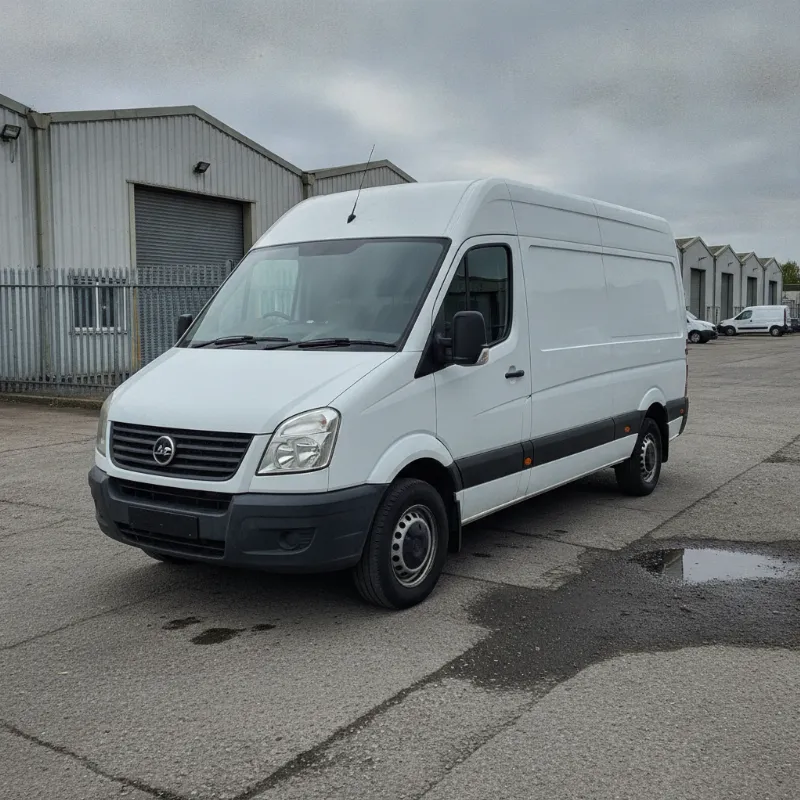
LDV V80 Van Specs at a Glance
The LDV V80 is a large panel van built to take on the likes of the Ford Transit, Fiat Ducato and Mercedes-Benz Sprinter at a keener price point. Positioned firmly at the value end of the light commercial vehicle market, it offers a generous load area, a proven 2.5-litre turbo diesel engine and a straightforward mechanical layout that keeps running costs manageable for UK operators.
At a glance, buyers can expect a front-engine, rear-wheel drive layout, a choice of short, long and extra-long wheelbase configurations, and payload capacities that comfortably exceed a tonne on most variants. Standard equipment covers the essentials most tradespeople and fleet operators expect, including air conditioning, electric windows, remote central locking and a driver's airbag. The V80 is sold in the UK primarily as a panel van, but chassis cab and minibus derivatives are also available for conversion work.
Engine, Performance & Fuel Economy
Under the bonnet, every LDV V80 sold in the UK uses the same 2.5-litre common-rail turbo diesel engine. It's a proven unit that prioritises low-end torque and durability over outright refinement, which suits the van's role as a working vehicle rather than a motorway cruiser. Combined fuel economy sits in the low-to-mid 30s mpg depending on wheelbase, load and driving style, with CO2 emissions typical for a large diesel panel van of this era.
2.5L Diesel Engine Output
The 2.5-litre VM Motori-sourced diesel produces around 134bhp and roughly 330Nm of torque, delivered from low in the rev range so the van pulls cleanly when loaded. It's a Euro 5 unit in earlier UK examples, with later variants meeting more recent emissions standards. In everyday use, the engine feels most comfortable being short-shifted and driven on its torque, rather than being worked hard towards the redline.
Transmission and Drivetrain
Power is sent to the rear wheels through a six-speed manual gearbox. Rear-wheel drive is a genuine advantage when the van is loaded, giving good traction under acceleration and a useful towing capability. The gearing is set up for real-world work, with a low first for hill starts under load and a tall sixth that keeps engine revs down at motorway speeds. There is no automatic option on standard V80 panel vans.
Dimensions and Load Space
Load space is where the V80 really justifies its place on a fleet manager's shortlist. The panel van is available in multiple lengths and roof heights, giving operators the flexibility to match the vehicle to the job rather than compromising on cargo volume.
Exterior Dimensions Across SWB, LWB and Extra LWB
The short-wheelbase (SWB) V80 measures approximately 5,100mm in overall length, making it a manageable size for urban work and multi-drop deliveries. Step up to the long-wheelbase (LWB) model and overall length grows to around 5,700mm, while the extra long-wheelbase (XLWB) variant stretches to roughly 5,900mm. Width across the body is about 2,000mm without mirrors, and depending on specification the medium and high-roof options push overall height to between 2,360mm and 2,700mm. Load lengths inside range from around 2.8 metres in the SWB to over 3.6 metres in the XLWB, with load volumes spanning approximately 7.5 to 11.6 cubic metres.
Payload and Cargo Capacity
Payload figures depend on trim and body style, but most V80 panel vans offer between 1,150kg and 1,350kg of usable payload, with gross vehicle weights of 3.5 tonnes keeping the van within the standard car licence category. Twin sliding side doors are available on longer variants, and the rear doors open through 180 degrees on most models for straightforward loading with a pallet truck. Six load-lashing points come as standard, and the flat, square-sided load area is easy to line out for specialist conversions.
Interior, Cab Features and Technology
The V80's cab is functional rather than flashy. There are three seats up front, with the middle backrest folding down to become a workstation and document tray. Storage includes deep door bins, an overhead shelf, a covered glovebox and multiple cupholders. The dashboard is clearly laid out with large, gloved-hand-friendly switches for the ventilation and lighting.
Standard technology includes electric windows, electric mirrors, remote central locking, air conditioning and a Bluetooth-enabled audio system with USB connectivity. A reversing camera is fitted to most later trims, which is genuinely useful given the van's overall length. Cruise control is available on higher-specification models. The driving position is upright and commanding, with good all-round visibility helped by the large door mirrors and tall side glass.
Safety and Standard Equipment
Safety equipment covers the fundamentals expected of a modern panel van. Every V80 comes with a driver's airbag, ABS braking, electronic brakeforce distribution and a Category 1 alarm and immobiliser as standard. A passenger airbag is included on most trims, and ESP stability control features on later models. Front fog lights, daytime running lights and heated door mirrors round out the visibility package.
Beyond safety, standard kit typically includes a full-size steel spare wheel, a ply-lined load area on many dealer-supplied vans, a bulkhead between cab and cargo bay, and remote central locking that operates the load area doors separately from the cab for added security on multi-drop routes.
LDV V80 Variants and Body Styles Available in the UK
UK buyers can choose the V80 in several forms. The panel van is by far the most common, offered in SWB, LWB and XLWB with medium or high roof options depending on wheelbase. A chassis cab version is available for Luton box, tipper, dropside and specialist conversions, and there is also a factory-built minibus derivative with up to 17 seats aimed at community transport, schools and private hire operators. A window van variant is offered for crew and welfare applications. All variants share the same 2.5-litre diesel drivetrain and 3.5-tonne gross vehicle weight.
How the V80 Compares to Rival Panel Vans
Against established rivals such as the Ford Transit, Mercedes-Benz Sprinter, Fiat Ducato, Peugeot Boxer and Citroën Relay, the LDV V80's headline advantage is price. New and used, it typically undercuts equivalent European rivals by a meaningful margin, and load volumes are competitive across the range.
Where the V80 gives ground is in refinement, on-road manners and the breadth of driver assistance technology, all of which favour the newer generations of Transit and Sprinter. Residual values are also lower, which is a double-edged sword: painful if you're selling, useful if you're buying used. For operators who prioritise upfront affordability, a straightforward mechanical package and a genuinely usable load bay over badge prestige, the V80 remains a pragmatic choice in the large panel van sector.
FAQs
What are the full specifications of the LDV V80 van?
The LDV V80 is a 3.5-tonne large panel van powered by a 2.5-litre common-rail turbo diesel producing around 134bhp and 330Nm of torque, driving the rear wheels through a six-speed manual gearbox. It's offered in short, long and extra-long wheelbase forms with load volumes from roughly 7.5 to 11.6 cubic metres and payloads typically between 1,150kg and 1,350kg. Standard equipment includes air conditioning, electric windows, remote central locking, Bluetooth audio, ABS, a driver's airbag and an alarm/immobiliser.
How much can the LDV V80 tow?
Most LDV V80 variants are rated to tow up to 2,800kg braked, which is a strong figure for the class and reflects the benefits of the rear-wheel-drive layout and torquey diesel engine. Always check the specific V-plate on your vehicle for the exact gross train weight and permitted trailer weight.
Is the LDV V80 reliable?
The V80 uses a well-known VM Motori 2.5-litre diesel and a mechanically straightforward driveline, both of which have a reasonable reputation for durability when serviced on schedule. Owners tend to report that the drivetrain is robust, though interior trim and some electrical fittings are less polished than European rivals. Regular servicing, clean diesel and prompt attention to any warning lights are key to trouble-free ownership.
What fuel economy does the LDV V80 achieve?
Combined fuel economy sits in the low-to-mid 30s mpg for most V80 variants, with lightly loaded LWB and XLWB vans on a steady motorway run capable of returning towards the upper end of that range. Heavily loaded urban work will naturally see figures drop into the high 20s mpg.
Can I drive the LDV V80 on a standard car licence?
Yes. The V80 panel van has a gross vehicle weight of 3.5 tonnes, which keeps it within the standard UK category B car licence. The 17-seat minibus variant, however, requires a category D1 entitlement or equivalent grandfather rights, so check your licence carefully if you're considering the passenger version.