LDV V80 Van Review: An Honest Look at the Budget Large Panel Van
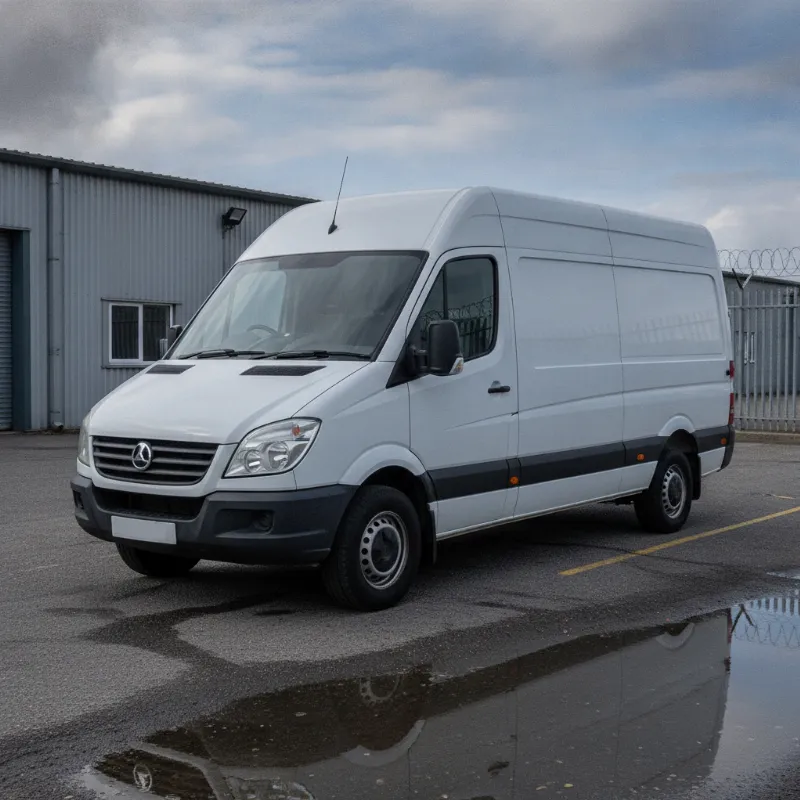
LDV V80 Van Review: Overview
The LDV V80 is one of those vans that sparks strong opinions on both sides of the fence. On paper it looks like an absolute steal — a large panel van with a generous load area, a proper diesel engine and a price tag that undercuts almost every mainstream rival by several thousand pounds. In practice, it's a van built to a budget, and how well that budget shows depends on what you need the vehicle for.
In this honest review we take a look at what the V80 is really like to own, drive and work out of every day in the UK. It's not going to trouble a Ford Transit or Mercedes Sprinter for refinement, but it has carved out a genuine niche with self-employed tradespeople, small businesses and even a chunk of the motorhome conversion market thanks to its low cost of entry and useful load-lugging ability.
Who Makes the LDV V80? A Quick Brand History
LDV is a name that will be familiar to British van buyers of a certain vintage. The initials once stood for Leyland DAF Vans, and the marque has a heritage that stretches back through the classic British van industry. Today's LDV badge, however, sits on a very different product built halfway around the world — and that history is worth understanding before you sign on the dotted line.
SAIC LDV: From British Leyland to Chinese Ownership
The LDV brand went through several ownership changes and eventually collapsed as a British manufacturer in 2009. The name and tooling were bought by Chinese automotive giant SAIC Motor, one of the largest vehicle producers in the world and the same company behind MG cars. The V80 as we know it today is designed and built in China, but it's essentially a modernised evolution of the old LDV Maxus that was originally engineered in the UK. That means the underlying architecture has European roots, even if the assembly and much of the component sourcing are now firmly Far Eastern.
SAIC has invested heavily in the LDV brand over the last decade, and the UK dealer network has grown steadily. That matters because parts availability and dealer backup were historical weak points, and both have improved significantly.
LDV V80 Design and Build Quality
Styling is subjective, but there's no denying the V80 looks like a van from a slightly earlier generation. The slab-sided body, upright windscreen and simple grille give it an honest, workmanlike appearance that sits somewhere between a late-2000s Transit and a Renault Master of similar vintage. It's not ugly, but it isn't going to turn heads next to a facelifted Vivaro either.
Build quality is where the budget price shows most clearly. Panel gaps are broadly consistent but not to the standard of a European rival, and the paint finish, plastics and rubber seals feel a step behind. That said, the basic structure is solid, the doors shut with a reassuring thunk and there are no obvious weak spots that suggest it won't stand up to normal working life. Think of it as functional rather than fancy — a tool rather than a fashion statement.
Driving the LDV V80: Performance and Handling
Behind the wheel, the V80 feels every bit the traditional large panel van. The driving position is high and commanding, visibility is good and the steering is light enough to make city work manageable. It's not a van you'll enjoy for its own sake, but it does the job without drama on motorways, dual carriageways and around town.
Ride quality is firm when the load area is empty, as you'd expect from any commercial vehicle, and it settles down nicely once you've got a few hundred kilos on board. Body roll through roundabouts is noticeable but no worse than many rivals of a similar size. Refinement is where the V80 lags most — road and wind noise are higher than you'd get in a modern Transit or Sprinter.
Engine and Gearbox
The V80 is powered by a 2.5-litre turbo-diesel engine producing around 134bhp. It's an old-school unit in character, with plenty of low-down torque for pulling a loaded van away from junctions but a distinctly gruff sound when you push it hard. Most buyers get the six-speed manual gearbox, which is precise enough if a little notchy, though an automatic option has also been offered.
Performance is adequate rather than brisk. It will happily cruise at motorway speeds and handle steep gradients when loaded, but you won't be overtaking anything in a hurry. For urban delivery work, plumbing rounds and general tradesman use, there's more than enough grunt.
Fuel Economy and Running Costs
Officially the V80 returns fuel figures in the low 30s mpg, and in real-world use most owners report somewhere in the high 20s to low 30s depending on load and route. That's behind the newer, more efficient engines fitted to a current Transit Custom or Vivaro, but it's not disastrous — and the low purchase price means the total cost of ownership can still work out favourably.
Servicing costs are one of the V80's genuine strengths. Independent garages generally find it a straightforward van to work on, parts are more affordable than you might expect and routine consumables like brakes, filters and tyres are all sensibly priced. Insurance groupings are also typically reasonable.
Load Space, Payload and Practicality
This is where the V80 really justifies its existence. Depending on the variant, the load area offers between roughly 10 and 11.5 cubic metres of space, which puts it firmly in large panel van territory alongside vehicles that cost significantly more. Payload figures are generous too, with most versions capable of carrying well over a tonne — plenty for a builder, plumber, courier or removals firm.
The load area itself is boxy and unfussy, with a low load lip that makes lifting heavier items easier on the back. Twin sliding side doors are available on some specs, rear barn doors open to a wide angle for forklift loading and there are plenty of lashing points to secure cargo. Motorhome converters have long favoured the V80 precisely because that combination of interior volume, payload and low base price gives them a great platform to start with.
Cab, Comfort and In-Cab Tech
Step inside and the V80's budget nature is more obvious. The dashboard is functional rather than stylish, plastics are hard and shiny and the overall design looks a generation behind what you'd find in a new Transit Custom. That said, everything is where you expect it to be, the switchgear is chunky and easy to use with gloves on and there's a decent amount of storage for phones, paperwork and drinks.
Later models gained a touchscreen infotainment system with Bluetooth, DAB radio and reversing camera integration, along with electric windows, air conditioning and a driver's airbag as standard on most trims. Seat comfort is acceptable for a working day, though the driver's seat lacks the adjustment range of pricier rivals, and taller drivers may find the steering wheel adjustment a little limited.
LDV V80 Reliability and Ownership Verdict
Reliability is the big question with any budget vehicle, and the V80's record is genuinely mixed. Plenty of owners run them for years without significant trouble, using them daily and clocking up big mileages. Others have had frustrating experiences with electrical niggles and trim issues. Buying carefully — ideally from a franchised LDV dealer or an established used van specialist — makes a real difference.
Common Issues to Watch For
Reported issues on the V80 tend to cluster around electrical gremlins such as dashboard warning lights, sensor faults and occasional infotainment glitches. Some owners have reported EGR valve and turbo actuator issues on higher-mileage examples, and rust on the tailgate lip and around the sills can appear earlier than on European rivals if the van has lived a hard life. Check the underside carefully, look for consistent service history and listen for any diesel injector rattle at idle.
Cab trim can look tired quickly on high-mileage examples, so use the interior condition as a rough guide to how the van has been treated overall. A well-maintained V80 with a full service history and no warning lights on the dash is a very different proposition to a neglected one.
Warranty and Aftersales
New LDV V80s have historically been offered with a competitive manufacturer warranty package, typically five years, which is generous for the commercial vehicle sector. Used examples within that window still benefit from the balance of that cover, which is a genuine plus when buying second-hand. The UK dealer network is smaller than Ford or Mercedes but has grown steadily, and parts availability through official channels is much better than it was a decade ago.
LDV V80 vs Rivals: How Does It Stack Up?
Compared against a like-for-like Ford Transit, Mercedes Sprinter, Renault Master or Fiat Ducato, the V80 comes off worse on refinement, fuel economy, safety kit and residual values. There's no escaping that. What it does offer is a significantly lower purchase price, a comparable load area and payload, and a warranty package that often beats them all.
If you're buying used, a three-year-old V80 will typically cost noticeably less than an equivalent-age Transit or Sprinter with similar mileage. For a small business watching every pound, or an owner-driver who wants to keep monthly outgoings low, that saving can be the difference between a viable business plan and an unviable one. For a large fleet buyer prioritising residuals and driver comfort, the maths usually tips the other way.
Our Verdict: Should You Buy an LDV V80?
So, is the LDV V80 a good van to buy in the UK? The honest answer is: yes, but with eyes wide open. It isn't as refined, efficient or well-finished as its European rivals, and it won't hold its value as strongly either. But it's a genuine large panel van with a proper diesel engine, a useful payload, a generous warranty when new and a purchase price that's hard to argue with.
For self-employed tradespeople, small delivery operators, motorhome converters and anyone who needs maximum van for minimum money, the V80 makes real financial sense. For buyers who prioritise refinement, cutting-edge safety tech and strong residuals, a mainstream rival will suit better. Buy carefully, check the history, and the V80 can be a shrewd purchase — just don't expect it to feel like a Sprinter.
FAQs
Is the LDV V80 a good van to buy in the UK?
The LDV V80 is a good buy for budget-conscious tradespeople, small businesses and motorhome converters who want a large panel van with a decent payload at a much lower price than a Ford Transit or Mercedes Sprinter. It isn't as refined, economical or well-finished as European rivals and residual values are weaker, but a carefully chosen example with full service history offers genuine value. If you prioritise low upfront cost and load capacity over refinement and resale, the V80 makes sense.
How reliable is the LDV V80?
Reliability is mixed. Many owners cover big mileages with few issues, while others report electrical niggles, sensor faults and occasional turbo or EGR problems on higher-mileage examples. Buying from a reputable dealer, checking for a full service history and inspecting the underside for corrosion will significantly improve your chances of a trouble-free ownership experience.
What is the payload of the LDV V80?
Depending on the variant, most LDV V80 models offer a payload of just over a tonne, with load volumes ranging from around 10 to 11.5 cubic metres. That puts it firmly in the large panel van class, comparable on paper to a Ford Transit or Renault Master of similar dimensions.
What fuel economy does the LDV V80 return?
Official figures sit in the low 30s mpg from the 2.5-litre turbo-diesel engine, and real-world economy for most owners lands somewhere between the high 20s and low 30s depending on load, route and driving style. That's behind newer European rivals, but running costs are offset by a low purchase price and affordable servicing.
Who makes the LDV V80?
The LDV V80 is built by SAIC Motor, the large Chinese manufacturer that also owns the MG car brand. SAIC acquired the LDV name and tooling after the original British company collapsed in 2009, and the V80 is essentially a modernised evolution of the UK-designed LDV Maxus, now built in China and sold through a growing UK dealer network.