How to Change a Steering Rack on a Vauxhall Combo: Step-by-Step Guide
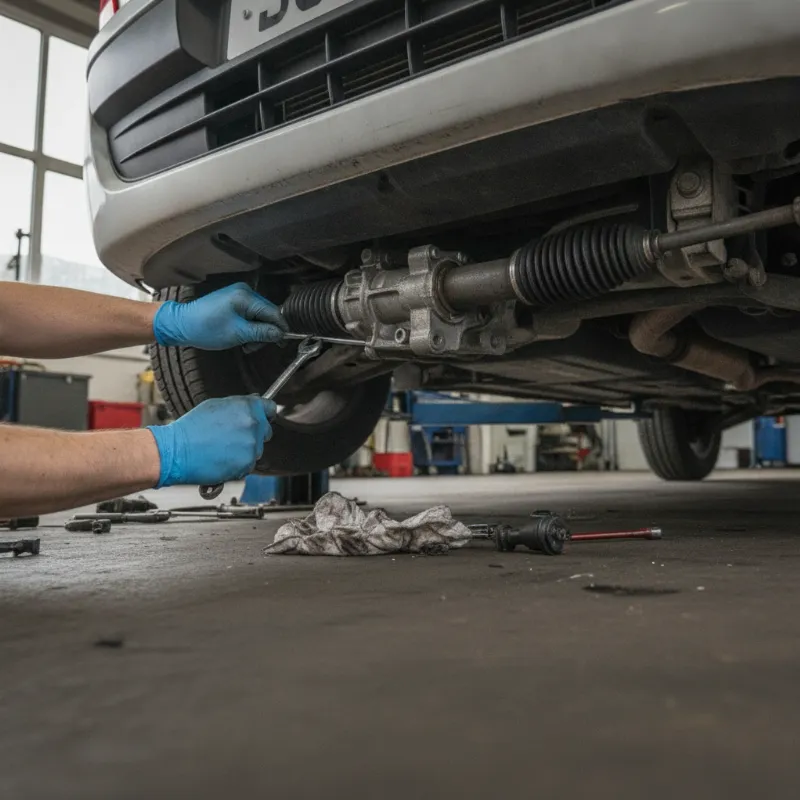
Before You Start: Is Replacing the Steering Rack the Right Job?
The steering rack is one of the most important components on your Vauxhall Combo. It converts the rotation of your steering wheel into the side-to-side movement that turns the front wheels, and when it fails, driving becomes unpleasant at best and unsafe at worst. Before you commit a full weekend (and a decent chunk of cash) to swapping it out, it's worth checking that the rack is genuinely the problem and not something simpler like worn track rod ends, a leaking power steering pump or low fluid level.
Changing a steering rack on a Combo is a job that a competent home mechanic can tackle, but it isn't a beginner project. You'll be working under the van, disconnecting hydraulic lines (on power-assisted models) and dealing with the steering column — all things that need to be done properly. If you're not confident, a garage will typically charge for several hours of labour, so weighing up DIY against a professional job is a sensible first step.
Common Signs of a Failing Steering Rack on a Vauxhall Combo
Steering racks rarely fail overnight. More often, they give you plenty of warning. On a Vauxhall Combo, the classic symptoms include a knocking or clunking noise when turning the wheel at low speed, excessive play in the steering wheel before the front wheels respond, uneven or heavy steering, and a persistent power steering fluid leak beneath the front of the van. You might also notice tyre wear that can't be corrected by tracking, or a steering wheel that doesn't self-centre properly after a turn.
If you're only seeing one symptom, check the cheaper parts first. Track rod ends, drop links, wishbone bushes and the power steering pump can all mimic rack problems. A visual inspection of the rack gaiters (the concertina rubber boots on each end) is a good place to start — split gaiters let dirt into the rack and are one of the most common reasons a rack eventually needs replacing.
Tools, Parts and Safety Kit You'll Need
You don't need a fully-equipped workshop, but you do need the right kit. As a minimum: a trolley jack rated for at least 2 tonnes, a pair of quality axle stands, wheel chocks, a decent socket set (including deep sockets), combination spanners, a torque wrench, a ball joint splitter or track rod end separator, a drain tray for power steering fluid, and penetrating oil for stubborn bolts. A second pair of hands is genuinely helpful when the rack is coming out.
For parts, order a replacement steering rack that matches your Combo's exact model, engine and power steering type — there are variations between the Combo B, Combo C and later Combo D/E models, and hydraulic versus electric power steering makes a big difference. Buy new track rod ends at the same time (they're cheap and it saves a repeat job), a bottle of the correct power steering fluid if applicable, and fresh copper washers or seals for any hydraulic unions. Safety glasses, gloves and overalls are non-negotiable.
Step-by-Step: How to Change a Steering Rack on a Vauxhall Combo
With the van cold, the parts on the bench and a clear afternoon ahead of you, you're ready to start. Work methodically, take photos as you go so you can refer back during reassembly, and don't force anything. Steering components are safety-critical, so if something doesn't look right, stop and check.
Step 1 - Safely Raise and Support the Van
Park on flat, level ground and chock the rear wheels. Slacken the front wheel nuts while the van is still on the ground, then jack the front end up at the manufacturer's recommended lifting points. Lower the van onto axle stands positioned on the chassis rails — never rely on the trolley jack alone. Remove both front wheels and give yourself as much working room as possible. Turn the steering wheel to full lock in each direction to check clearance around the rack.
Step 2 - Disconnect the Battery and Steering Column
Disconnect the negative battery terminal first. This is important on any modern Combo because it protects the airbag circuit and any electronic steering sensors. Wait at least ten minutes before working near the column. Inside the cab, locate the pinch bolt that clamps the lower steering column to the rack input shaft. Mark the position of the shaft and column with paint or a scribe so it goes back in exactly the same orientation, then remove the pinch bolt and slide the column off the splines.
Step 3 - Remove Track Rod Ends and Hydraulic Lines
Back under the van, break the track rod end lock nuts and count the exact number of turns as you unwind each track rod end from the rack — this gives you a starting point for tracking on reassembly. Use a ball joint splitter to separate the track rod ends from the hub carriers. If your Combo has hydraulic power steering, place a drain tray under the rack and undo the high and low pressure unions. Expect fluid to spill, so have rags ready. Cap the open lines to keep dirt out.
Step 4 - Unbolt and Remove the Old Rack
The rack is bolted to the subframe or bulkhead with two or more large bolts, and there may be clamps or brackets holding it in place. Support the weight of the rack with your free hand as you remove the final bolt — they're heavier than they look. Manoeuvre the rack out through the wheel arch. On some Combo variants this is straightforward; on others you may need to drop part of the subframe or move the exhaust to gain clearance. Take your time and don't lever against anything you might damage.
Step 5 - Fit the New Rack and Reconnect Everything
Compare the new rack side by side with the old one before fitting to make sure the mounting points, input shaft and hydraulic ports all match. Slide the new rack into position and hand-tighten the mounting bolts before torquing them to the manufacturer's specification. Reconnect the hydraulic lines with new seals, then refit the track rod ends using the turn count you noted earlier. Reattach the steering column using your alignment marks, fit a new pinch bolt if recommended, and torque it properly. Finally, refit the wheels, lower the van and reconnect the battery.
After the Job: Bleeding, Alignment and Test Drive
If your Combo has hydraulic power steering, the system needs bleeding before you drive. Fill the reservoir with the correct fluid, then with the engine off, turn the steering slowly lock to lock several times, topping up as the level drops. Start the engine and repeat, watching for air bubbles in the reservoir. Continue until the fluid is clear and the steering feels smooth and consistent throughout its travel. Check every union and gaiter for leaks before moving on.
Even if your track rod ends went back on exactly as they came off, the front wheel alignment will need checking. Book the van in for a four-wheel alignment at a local tyre specialist — it's inexpensive and it will save you a fortune in tyre wear. Once the alignment is done, take the Combo on a quiet road for a test drive. The steering should feel light, centred and free of noise, vibration or pulling. Any knocking, whining from the pump or fluid leaks means something needs revisiting before the van goes back into daily use.
When It's Time to Replace the Van Instead of the Rack
A steering rack replacement is a significant job, and it's worth doing the maths before you commit. If your Combo is otherwise sound — good bodywork, healthy engine, recent MOT — then a new rack is a sensible investment that should give you years more service. But if the van is already showing its age with corroded subframe mounts, tired suspension, an engine that's due a timing belt or a gearbox that's on borrowed time, spending several hundred pounds on a rack might not be the best use of your money.
Add up the likely repair bills for the next twelve months and compare that against the cost of upgrading to a newer Combo or a similar-sized panel van. A well-chosen used van with recent service history can often work out cheaper in the long run than pouring money into one that's on the way out. Whichever way you go, addressing steering issues promptly — either by replacing the rack or replacing the van — is essential. Driving a Combo with a failing rack isn't just uncomfortable, it's genuinely dangerous.
Frequently Asked Questions
Below are answers to the questions we hear most often from Combo owners considering this job themselves.
FAQs
How do you replace the steering rack on a Vauxhall Combo, step by step?
In short: chock the rear wheels and safely raise the front of the van onto axle stands, disconnect the battery and unclamp the lower steering column from the rack, separate the track rod ends from the hubs and disconnect the hydraulic lines (on power-assisted models), unbolt the rack from the subframe and remove it through the wheel arch, then fit the new rack in reverse order, torquing all fixings to the manufacturer's spec. Finish by bleeding the power steering system, checking for leaks and getting the front wheel alignment set on a proper alignment rig before test driving.
How long does it take to change a steering rack on a Vauxhall Combo?
For an experienced home mechanic with the right tools, budget half a day to a full day — typically four to six hours. A professional garage will usually quote three to five hours of labour. First-timers should give themselves a whole weekend to avoid rushing, especially if bolts are seized or the exhaust needs to come down for clearance.
Can I drive my Vauxhall Combo with a leaking or failing steering rack?
It's not advisable. A small weep from a gaiter might be safe for a short journey to a garage, but heavy fluid loss, knocking, excessive play or heavy steering are all reasons to stop driving the van. A failed rack can lead to complete loss of steering control, and it will also fail an MOT. Get it inspected before your next journey.
Is it cheaper to buy a reconditioned steering rack for a Combo?
Reconditioned racks are usually significantly cheaper than brand new OE units and, if bought from a reputable remanufacturer with a warranty, they can be a very sensible choice. Avoid unbranded second-hand racks from breakers unless you can inspect them thoroughly — you might just be transplanting someone else's problem onto your Combo.
Do I need to get the tracking done after fitting a new steering rack?
Yes, always. Even if you counted the turns on the old track rod ends and refitted them exactly, tolerances shift and the new rack will sit slightly differently. A four-wheel alignment at a specialist is inexpensive and prevents rapid, uneven tyre wear as well as making sure the van drives straight and true.