Grants For Electric Vans
Grants For Electric Vans
The landscape of business transportation is undergoing a significant shift as companies increasingly turn to electric vans to reduce their carbon footprint and operational costs. Government grants for electric vans have become a pivotal factor in this transition, offering substantial financial incentives for businesses to make the switch. These initiatives are not only helping to accelerate the adoption of cleaner vehicles but are also providing companies with opportunities to maximize savings and enhance their bottom line. Source
From the plug-in van grant to workplace charging schemes, businesses now have access to a range of government grants for electric vans for business use. These programs, coupled with tax relief on electric vans and exemptions from congestion charges, are making the move to electric fleets more attractive than ever. This article will explore the various incentives available, including business grants for electric vans, and how companies can leverage these opportunities to benefit from the electric vehicle revolution while contributing to a greener future.
Overview of Government Incentives for Electric Vans
The UK Government has implemented a range of incentives to encourage businesses to switch to electric vans, addressing the higher upfront costs associated with these vehicles. These initiatives aim to accelerate the adoption of cleaner transportation options and help companies reduce their carbon footprint while benefiting from significant savings.
Types of Incentives Grants For Electric Vans
- Plug-in Van Grant (PiVG): This grant offers a substantial discount on the purchase price of eligible electric vans. The PiVG covers 35% of the vehicle’s cost, with a maximum grant of £2,500 for small vans and £5,000 for large vans.
- Workplace Charging Scheme (WCS): This program helps businesses with the upfront costs of purchasing and installing electric vehicle charge points at their commercial properties. The WCS covers up to 75% of the total cost, including VAT, with a cap of £350 per socket for up to 40 sockets per applicant.
- Tax Benefits: Electric vans qualify for various tax advantages, including lower company car tax rates and potential savings on road tax.
- Congestion Charge and Clean Air Zone Exemptions: Many electric vans are exempt from congestion charges and clean air zone fees in certain areas, leading to additional cost savings for businesses operating in urban environments.
Eligibility Criteria
To qualify for the Plug-in Van Grant, vehicles must meet specific requirements:
Small Vans (up to £2,500 grant):
- Gross vehicle weight less than 2,500 kg
- CO2 emissions less than 50g/km
- Capability to travel at least 60 miles without emissions
Large Vans (up to £5,000 grant):
- Gross vehicle weight between 2,500 kg and 4,250 kg
- CO2 emissions less than 50g/km
- Capability to travel at least 60 miles without emissions
For the Workplace Charging Scheme, businesses need to:
- Have sufficient off-street parking
- Demonstrate a commitment to transitioning to an electric fleet
- Use an Office for Low Emission Vehicles (OLEV) approved installer for charge point installation
How to Apply Grants For Electric Vans
The application process for these incentives has been streamlined to make it easier for businesses to access the benefits:
- Plug-in Van Grant: Customers don’t need to apply directly. The grant is automatically included in the vehicle’s price by the dealer or manufacturer’s representative at the point of purchase. The responsibility lies with the company arranging the lease or sale to incorporate the grant value into the vehicle’s price.
- Workplace Charging Scheme: Businesses can apply online through a simple process. They need to provide evidence of their intention to switch to an electric fleet and ensure that their chosen installer is OLEV-approved.
- Vehicle Eligibility: Manufacturers or approved third parties must apply to the Office for Zero Emission Vehicles (OZEV) to have their vehicles included in the scheme. The Vehicle Certification Agency (VCA) assesses applications on behalf of OZEV to ensure vehicles meet the minimum technical criteria.
By leveraging these government incentives, businesses can significantly reduce the costs associated with transitioning to electric vans, making the switch more financially viable and environmentally responsible.
Plug-in Van Grant (PiVG)
The Plug-in Van Grant (PIVG) scheme, introduced in 2012, aims to bridge the price gap between ultra-low emission vans and their diesel counterparts. This initiative has become a key driver in encouraging businesses to transition to cleaner, more environmentally friendly vehicles.
Grant Amount
The PIVG offers substantial discounts on eligible electric vans, making them more financially accessible to businesses. The grant covers 35% of the vehicle’s purchase price, with maximum grant amounts varying based on the van’s size:
- Small vans: Up to £2,500
- Large vans: Up to £5,000
These discounts are automatically applied at the point of sale, simplifying the process for buyers. Customers do not need to go through a separate application process, as the grant is incorporated into the vehicle’s price by the dealer or manufacturer’s representative.
Eligible Van Categories Grants For Electric Vans
To qualify for the PIVG, vans must meet specific criteria based on their size and environmental performance:
Small Vans (up to £2,500 grant):
- Gross vehicle weight less than 2,500 kg
- CO2 emissions less than 50g/km
- Capability to travel at least 60 miles without emissions
Large Vans (up to £5,000 grant):
- Gross vehicle weight between 2,500 kg and 4,250 kg
- CO2 emissions less than 50g/km
- Capability to travel at least 60 miles without emissions
Eligible vehicles include models from various manufacturers such as Citroën, Fiat, Maxus, Mercedes, Nissan, Peugeot, Renault, Toyota, and Vauxhall for small vans. For large vans, the list extends to include Ford, Iveco, MAN, and Volkswagen, among others.
Application Process
The application process for the PIVG has been streamlined to make it easier for businesses to access the benefits:
- Manufacturer Application: Vehicle manufacturers or approved third parties must apply to the Office for Zero Emission Vehicles (OZEV) to have their vehicles included in the scheme. The Vehicle Certification Agency (VCA) assesses these applications to ensure vehicles meet the minimum technical criteria.
- Dealer Portal: Dealerships and manufacturers use an online portal to submit grant claims, update existing orders, and check the status of applications. New dealers should contact their manufacturer to gain access to this portal.
- Order Placement: Dealers should place an order on the portal as soon as a contract has been entered into with a customer. The grant is guaranteed at the advertised level when the order is placed, provided the vehicle is registered and delivered within 12 months.
- Information Required: When submitting an application, dealers must provide details such as the type of sale, customer information, vehicle details, expected delivery date, and purchase price.
- Order Updates: Dealers are responsible for keeping orders updated throughout the delivery process, including providing the vehicle identification number (VIN), registration mark (VRM), and actual delivery date.
- Grant Payment: OZEV processes payments on a monthly basis, reimbursing dealers for grant payments after verifying order details with manufacturers.
By leveraging the Plug-in Van Grant, businesses can significantly reduce the upfront costs of transitioning to electric vans, making the switch to a cleaner, more sustainable fleet more attainable.
Workplace Charging Scheme
The Workplace Charging Scheme (WCS) is a government initiative designed to support businesses in their transition to electric vehicles. This voucher-based program helps organizations cover the upfront costs of purchasing and installing electric vehicle (EV) chargepoints at their premises.
Grant Details
The WCS offers substantial financial support to eligible applicants. The grant covers up to 75% of the total costs associated with the purchase and installation of EV chargepoints, including VAT. However, there are caps on the amount of support provided:
- A maximum of £350 per socket
- Up to 40 sockets across all sites per applicant
For example, if a business wants to install chargepoints at 40 different locations, they would be eligible for one socket per site. This generous grant makes it more financially viable for organizations to invest in EV infrastructure.
Installation Requirements
To qualify for the WCS, applicants must meet several criteria:
- Dedicated off-street parking: The site must have sufficient off-street parking facilities designated for staff or fleet use.
- Suitable installation space: Parking spaces must be appropriate for chargepoint installations.
- Power supply: Each individual socket must have a minimum power supply of 3kW that is not diminished by simultaneous use.
- Accessibility: No more than one socket should be installed for each accessible parking space.
- Authorized installers: Chargepoints must be installed by OZEV-approved installers.
- Approved models: Only brand new, OZEV-approved commercial chargepoint models are eligible.
- Technical specifications: Installations must comply with various standards, including BS EN 61851-1:2019, IET Wiring Regulations, and the IET Code of Practice for Electric Vehicle Charging Equipment Installation.
- Warranty: The charging equipment must come with a 3-year on-site warranty for parts and installation.
Application Steps
The process to apply for and redeem a WCS voucher involves several steps:
- Application submission: Complete the online application form, declaring any previous public support received under de minimis state aid regulations.
- Decision notification: Applicants receive a decision from the scheme administrator via email within 5 working days.
- Voucher issuance: If successful, the applicant receives a unique voucher code valid for 180 days.
- Installer selection: Choose an OZEV-authorized commercial chargepoint installer.
- Installation: Have the chargepoints installed within the voucher’s validity period.
- Grant claim: The installer claims the grant on behalf of the applicant after completing the installation.
- Invoice deduction: The grant amount is deducted from the applicant’s final invoice.
It’s important to note that applicants should have their site surveyed by an installer before applying for the grant. Additionally, if circumstances change after the initial application, applicants must inform their authorized installer, as this may affect their eligibility.

Tax Benefits for Electric Vans
Businesses transitioning to electric vans can benefit from various tax incentives designed to encourage the adoption of environmentally friendly vehicles. These benefits include exemptions, reduced rates, and allowances that can significantly lower the overall cost of ownership for electric vans.
Vehicle Excise Duty (VED) Exemption
Until April 2025, electric vans enjoy a complete exemption from Vehicle Excise Duty, commonly known as road tax. This exemption applies to both new and existing zero-emission vans, providing substantial savings for businesses operating electric fleets. However, it’s important to note that this situation will change from April 2025:
- Zero-emission vans registered on or after 1 April 2025 will move to the rate for petrol and diesel light goods vehicles, currently £335 a year for most vans.
- This change aims to equalize the VED treatment of all zero-emission and internal combustion engine vehicles.
Benefit-in-Kind (BiK) Advantages
Electric vans offer significant Benefit-in-Kind (BiK) tax advantages for both employers and employees:
- Until April 2025, electric vans have a 0% BiK rate.
- This low rate results in substantial savings on Tax and National Insurance for both parties.
- In comparison, drivers of hybrid cars can pay BiK rates up to ten times higher than those for electric vehicles.
The BiK rate for electric cars is currently fixed at 2% until April 2025, which, while slightly higher than for vans, still represents a significant saving compared to conventional vehicles.
Capital Allowances Grants For Electric Vans
Businesses investing in electric vans can take advantage of generous capital allowance schemes:
- First Year Allowance:
- Until April 2025, businesses purchasing new and unused vans with zero CO₂ emissions are eligible for a 100% first-year allowance.
- This allows companies to deduct the full cost of the van from their profits before tax in the year of purchase.
- Full Expensing:
- Under the ‘full expensing’ regime, companies purchasing any new and unused van are eligible for a 100% first-year allowance.
- However, upon disposal, 100% of the sales proceeds must be added to the company’s taxable profits.
- Annual Investment Allowance:
- From April 2023, the maximum allowance has been permanently set at £1 million.
- This effectively provides a 100% allowance for most qualifying expenditure up to the annual cap, including commercial vehicles like vans.
- Writing Down Allowances:
- For sole traders and partnerships, vans are treated as plant and machinery and allocated to the main pool.
- They are eligible for writing down allowances at 18%, unless an Annual Investment Allowance or Enhanced Capital Allowance is claimed.
- Electric Charge Point Installation:
- Until April 2025, any business that pays for the installation of an electric charge point at its workplaces is eligible for a 100% first-year allowance.
These tax benefits make the transition to electric vans more financially attractive for businesses, supporting the government’s goal of promoting cleaner, more sustainable transportation options.
Congestion Charge and Clean Air Zone Exemptions
Electric vans offer significant advantages when it comes to congestion charges and clean air zone exemptions. These incentives have been put in place to encourage the adoption of cleaner vehicles and improve air quality in urban areas.
London ULEZ Savings Grants For Electric Vans
The Ultra Low Emission Zone (ULEZ) in London has become a significant factor for businesses operating in the capital. Electric vans are automatically exempt from ULEZ charges, providing substantial savings for companies that frequently operate within this zone. This exemption extends to the Congestion Charge Zone (CCZ) as well, but with some caveats.
Under the Cleaner Vehicle Discount (CVD), all electric cars and vans are exempt from both ULEZ and Congestion Charges until December 25, 2025. However, it’s important to note that this exemption is not automatic. Vehicle owners must apply for the discount online and provide specific documents to prove their entitlement. There’s an annual cost of £10 to register a vehicle for the CVD discount, and Transport for London (TfL) will notify owners when renewal is necessary. See all van lease deals
After 2025, unless in receipt of another discount or exemption, all vehicle owners, including those with electric vehicles, will need to pay the Congestion Charge during charging hours. This change reflects the anticipated increase in electric vehicle adoption and the need to maintain traffic management measures. See all vans for sale
Other City Schemes
While London’s ULEZ has garnered significant attention, other cities across the UK are also implementing clean air zones to improve air quality. For instance, Bath has introduced a class C clean air zone, where charges apply to taxis, private hire vehicles, vans (including pick-ups and some camper vans), light goods vehicles, busses, coaches, and heavy goods vehicles that do not meet the required emission standards.
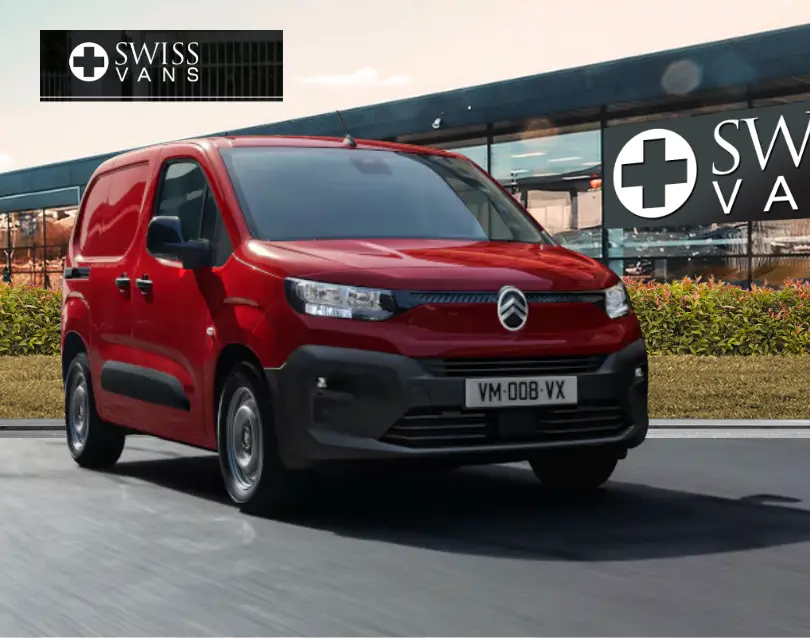
It’s worth noting that in most clean air zones, charges do not apply to private cars or motorbikes unless they are taxis or private hire vehicles. However, businesses operating commercial vehicles should be aware of the specific rules in each city they operate in. See electric van lease
Future Projections
The impact of these clean air initiatives has been significant. Data released in July revealed that the ULEZ expansion in London is surpassing initial predictions. Total nitrogen oxide (NOx) emissions from cars across London were 13% lower than projected had the scheme remained limited to inner London. Moreover, particulate pollution levels (PM2.5) from car exhausts in outer London are estimated to be 22% lower than without the expansion.
These improvements in air quality are not limited to London. Analysis has shown that diesel fuel sales have fallen significantly in the capital, outpacing all other regions in the UK. This decline has had a positive impact on air pollution and is contributing to energy security. See all Electric vans
Looking ahead, it’s likely that more cities will introduce similar schemes to improve air quality and reduce emissions. For businesses, this trend underscores the importance of transitioning to electric vans, not only to benefit from current exemptions but also to future-proof their operations against potential charges and restrictions.
Case Studies: Businesses Benefiting from EV Incentives
Small Business Example
York Gin, a small gin distillery based in York, has successfully transitioned to a fleet of electric vehicles. The company invested in three (soon to be four) emission-free vehicles powered by renewable energy supplied by Good Energy. Emma Godivala, director at York Gin, notes that when they started the switch in 2018, charging infrastructure was less widespread. However, both the infrastructure and technology have improved over the years, while costs have decreased. See electric vans for sale
Godivala emphasizes that the decision to adopt electric vehicles goes beyond just the cost of the vehicle. She advises companies considering the switch to:
- Lobby local MPs to ensure adequate infrastructure
- Order early due to potential delivery delays
- Recognize the positive impact on customers, who often prefer emissions-free products
-
Grants For Electric Vans 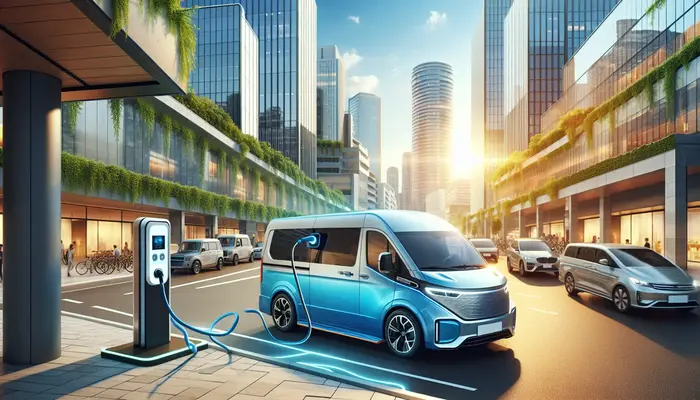
Large Fleet Case Study Grants For Electric Vans
One+All, a larger company, began its decarbonization journey three years ago and has since achieved carbon-neutral certification by the Carbon Neutral global standard. The company transitioned from diesel vehicles to a mix of full electric and hybrid vehicles where full battery power was impractical due to mileage constraints and limited charging infrastructure.
Neil Rowlinson from One+All reports that the switch hasn’t required an increase in the company’s budget per car and has provided significant benefits for employees. He explains, “There’s no reason EVs should be more expensive on a like-for-like basis, but the amount of tax paid on them is negligible. You can save literally hundreds of pounds a month.”
ROI Analysis
The return on investment (ROI) for electric vans has become increasingly attractive, especially as fuel costs have risen. Government incentives play a crucial role in making the transition financially viable:
- Corporation Tax Relief: Companies can claim 130% of the van cost against that year’s profits, significantly offsetting the corporation tax bill.
- Congestion Charge Exemption: Electric vans can be driven for free in the London Congestion Charge area.
- Road Tax Exemption: No road tax is payable on electric vans.
- OLEV Subsidy: A £350 subsidy is available for EV charge point installation.
- Plug-In Car Grant: Small businesses may be eligible for up to £2,500.
- OZEV Grant: A £5,000 grant is currently available from the government.
When these incentives are applied, the capital cost for a small business purchasing a smaller-sized electric van (about a 1-ton payload) becomes comparable to that of a diesel van. Moreover, the operational costs are significantly lower, offering a short payback period. Delivery times for these vans can be as short as a few weeks, making the transition more manageable for businesses of all sizes.
Conclusion Grants For Electric Vans
The shift towards electric vans, powered by government incentives, is causing a revolution in business transportation. These initiatives have a significant impact on making the transition more affordable and attractive for companies of all sizes. From the Plug-in Van Grant to tax benefits and clean air zone exemptions, businesses now have a range of options to save money while contributing to a greener future. The case studies of York Gin and One+All show that the switch to electric vans is not only feasible but also financially beneficial.
To wrap up, the government’s push for cleaner transportation is creating a win-win situation for businesses and the environment. Companies that take advantage of these incentives can enjoy lower operational costs, tax savings, and improved brand image. As charging infrastructure continues to improve and more cities implement clean air zones, the move to electric vans is becoming increasingly practical and necessary. This trend is likely to accelerate in the coming years, making now the perfect time for businesses to consider making the switch.
FAQs Grants For Electric Vans
1. Are the costs for electric vans fully tax-deductible?
Yes, the purchase cost of an electric van qualifies for a 100% First Year Allowance under Capital Allowances. Note that while electric cars do not qualify for the super-deduction allowance, which is available until March 2023, commercial vans still benefit from this allowance.
2. Is there a grant available for purchasing an electric van?
Yes, you can apply for an Electric Van Government Grant when purchasing a new van. This grant is accessible directly at the point of sale through the dealer or the manufacturer’s representative. To qualify, the van must meet specific criteria, and any necessary conversions must be completed prior to the grant application.
3. What is the highest grant available for an eco-friendly van?
The highest grant available for certain small vans is £2,500. To qualify for this grant, the van must have a gross vehicle weight of less than 2,500 kilograms, and its CO2 emissions must be under 50g/km.
4. What does the electric vehicle subsidy in the UK entail?
The electric vehicle subsidy in the UK includes a chargepoint grant which offers up to a 75% discount on the installation costs, capped at £350. Additionally, electric vehicle owners benefit from exemptions from various charges such as London’s Congestion Charge and the ULEZ (Ultra Low Emission Zone) fees.