Ford Ranger Alloy Wheels: A Buyer's Guide for Van Owners
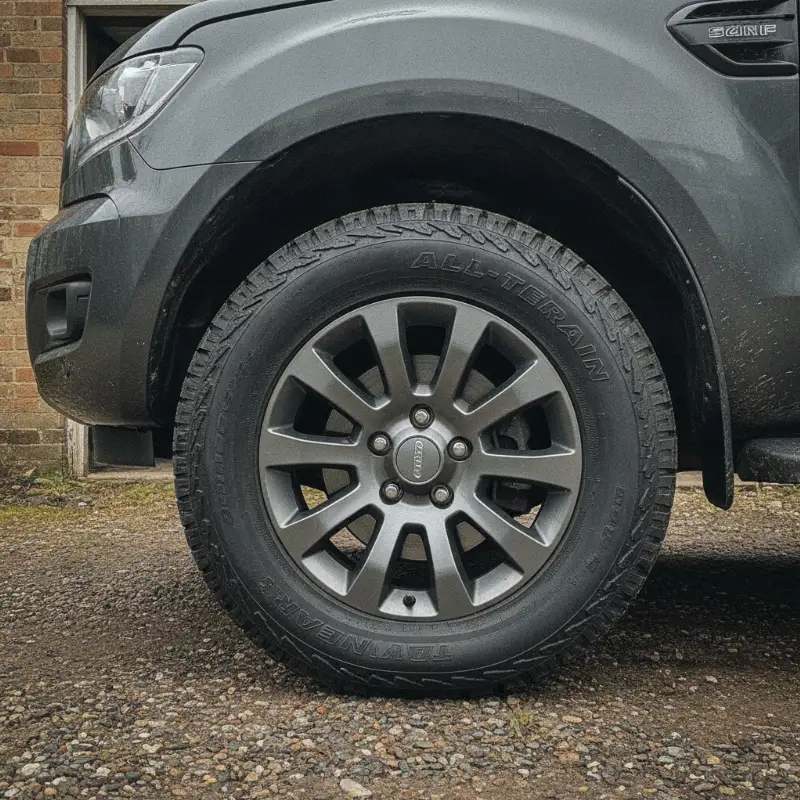
Why alloy wheels matter on a Ford Ranger
Alloy wheels are one of the first things buyers notice on a Ford Ranger, and for good reason. On a vehicle that straddles the line between working pickup and family-friendly lifestyle truck, wheels do more than just fill the arches — they influence ride quality, fuel economy, off-road capability and, of course, kerb appeal. A well-chosen set of alloys can transform the stance of a Ranger, while the wrong choice can leave you with a harsher ride, accelerated tyre wear or even MOT headaches down the line.
Compared with steel wheels, alloys are lighter, which reduces unsprung mass and helps both handling and fuel efficiency. They also dissipate heat more effectively, which is a genuine benefit when you're towing a trailer or a caravan up to the Ranger's 3,500kg limit. On the flip side, alloys can be more susceptible to kerb damage and, in extreme off-road use, they can crack where a steel rim might simply bend. For most UK Ranger owners who mix motorway miles with the occasional site visit or green lane, alloys are the sensible default.
OEM alloy wheel options across the Ford Ranger range
Ford has offered a broad selection of factory alloys across the Ranger line-up, with each trim level getting its own distinct design and, in many cases, a different size and finish. Understanding what came fitted from the factory helps you spot a genuine original set, price a used Ranger accurately, and decide whether to stick with OEM or upgrade to something more distinctive.
Ford Ranger XLT and Limited alloys
The XLT typically comes on 17-inch alloys, usually in a six-spoke silver finish that suits the trim's working-truck character. These wheels are practical, easy to refurbish and cheap to re-tyre thanks to the wider availability of 17-inch commercial-rated rubber. The Limited steps things up to 18-inch alloys, often in a machined or two-tone finish, giving the truck a more premium look without sacrificing too much sidewall for potholes. Both are well-regarded for daily use and pair nicely with all-terrain tyres if you want a slightly more rugged appearance.
Ford Ranger Wildtrak alloys
The Wildtrak is where the design language starts to get bolder. Factory Wildtraks come on 18-inch alloys, typically in a dark grey, gloss black or Ebony finish depending on the model year. The multi-spoke design and darker colour palette complement the Wildtrak's blacked-out trim details, and it's one of the most sought-after factory wheel designs in the used market. If you're buying a used Wildtrak, check that all four wheels match and haven't been swapped for cheaper aftermarket replicas after kerb damage.
Ford Ranger Raptor alloys
The Raptor gets its own bespoke 17-inch alloys, deliberately smaller than the Wildtrak's to allow for the taller off-road tyres and increased sidewall the Raptor's suspension is designed around. Finished in matte black with a machined face on later models, they're paired with BF Goodrich all-terrains as standard. If you own a Raptor, don't be tempted to fit larger diameter wheels — the whole chassis is engineered around that specific rolling diameter and generous sidewall.
Popular aftermarket alloy wheel choices for Ford Rangers
The aftermarket world for Ranger alloys is huge, with UK owners spoilt for choice. Brands like Fuel, Method Race Wheels, Hawke, Wolfrace and Predator all produce Ranger-specific designs, ranging from beadlock-style off-road rims through to sleek concave designs that suit a more urban look. Popular sizes range from 17 inches for off-road builds up to 20 or even 22 inches for show-focused trucks, though anything beyond 20 inches tends to compromise ride quality on British roads.
Finishes have moved well beyond plain silver in recent years. Gloss black, satin black, gunmetal, bronze and two-tone machined faces are all popular, and many owners colour-match wheels to trim details or wrap accents. Whichever route you go, buy from a reputable supplier that can provide load-rated wheels stamped for commercial vehicle use — this is non-negotiable on a Ranger, particularly if you're using it as a working vehicle or towing.
Wheel sizing, load ratings and tyre compatibility
The Ford Ranger uses a 6x139.7mm PCD (also known as 6x5.5") with a centre bore of 93.1mm, which it shares with a number of other pickups and 4x4s — handy when browsing wheel catalogues. Offsets typically sit in the ET+20 to ET+55 range depending on model year and whether you want a flush or slightly aggressive stance. Going too aggressive on offset can cause tyre rub, arch liner damage and even MOT issues if the tyres protrude beyond the bodywork.
Load rating is where many Ranger owners come unstuck. As a light commercial vehicle, the Ranger requires wheels and tyres rated to carry its gross vehicle weight. Look for wheels with a load rating of at least 1,000kg per corner and tyres marked with a load index appropriate for LCV use — often shown as "C" or "LT" on the sidewall. Fitting passenger-car-rated tyres to a Ranger is a common mistake that can invalidate insurance and cause premature failure under load.
On sizing, sticking close to the original rolling diameter matters more than the wheel diameter itself. If you move from 18-inch to 20-inch alloys, you'll need lower-profile tyres to keep the overall diameter consistent, otherwise your speedometer, ABS and traction control calibration will all be slightly off.
Fitting alloy wheels to a used Ford Ranger: what to check
If you're buying a used Ranger, take a careful look at the wheels before you commit. Check each rim for kerb damage, cracks (particularly on the inside face where they're often hidden), and signs of refurbishment such as overspray on the tyre or brake caliper. A quick refurb can hide corrosion that will bubble through the paint within months. Also check that all four wheels are genuinely the same design — mismatched sets often signal past accident damage.
When fitting a new set of alloys, always use the correct wheel bolts or nuts for the design of wheel — different alloys use different seat profiles (typically taper or radius) and using the wrong ones can cause the wheel to work loose. Torque to Ford's specification, usually around 200Nm for the Ranger, and re-torque after 50 miles. If you're changing wheel size or offset, tell your insurer, as this counts as a modification and needs to be declared to keep your cover valid.
Finally, consider TPMS. Later Rangers have tyre pressure monitoring sensors built into the valves, and any new set of wheels will need compatible sensors fitted and programmed to the vehicle — factor this into your budget alongside the wheels and tyres themselves.
Browse Ford Ranger vans in stock
Whether you're after a working XLT on sensible 17s, a Wildtrak with the full dark-alloy treatment or a Raptor ready for the rough stuff, our stock changes regularly and we're happy to talk through the specific wheel and tyre setup on any Ranger we have available. Get in touch with the team or browse our current pickup inventory to see what's ready to drive away, and we'll help you find a Ranger that's rolling on exactly the right set of alloys for how you plan to use it.
FAQs
What alloy wheel options are available for the Ford Ranger and how do I choose the right ones?
Ford offers factory alloys ranging from 17-inch six-spoke designs on the XLT and Raptor through to 18-inch dark-finish alloys on the Wildtrak and Limited. Beyond OEM, there's a huge aftermarket from brands like Fuel, Method, Hawke and Wolfrace in sizes from 17 to 20 inches. To choose the right set, think about how you use the truck: stick to 17s or 18s with taller sidewalls if you tow, go off-road or drive on poor roads; move up to 20s if looks are the priority and you mostly stick to tarmac. Always check the wheels are load-rated for commercial use and match the Ranger's 6x139.7 PCD and 93.1mm centre bore.
What size wheels come on a Ford Ranger from the factory?
It depends on the trim. The XLT and Raptor typically run 17-inch alloys, while the Wildtrak and Limited come on 18-inch alloys. Some higher-spec models and special editions have offered 20-inch options, but 17 and 18 inches are the most common factory sizes across the current Ranger range.
Can I fit 20-inch alloys to my Ford Ranger without any issues?
Yes, 20-inch alloys will fit a Ranger provided the PCD, centre bore, offset and load rating are correct, but you'll need lower-profile tyres to keep the overall rolling diameter close to standard. Expect a firmer ride and more vulnerability to pothole damage. You should also declare the change to your insurer as a modification, and make sure the tyres carry the appropriate commercial load rating.
Do I need special load-rated tyres for a Ford Ranger?
Yes. The Ranger is classed as a light commercial vehicle in the UK and requires tyres rated to support its gross vehicle weight. Look for tyres marked with a 'C' (commercial) or 'LT' (light truck) on the sidewall and an appropriate load index. Fitting standard passenger-car tyres can cause premature failure under load, may fail an MOT and can invalidate your insurance.
Will changing the alloy wheels affect my Ranger's warranty or insurance?
Changing wheels won't automatically void a Ford warranty, but any damage caused by non-standard wheels or tyres could be excluded. For insurance, any change in wheel size, offset or design counts as a modification and must be declared to your insurer. Failing to do so can invalidate your policy, so a quick call before fitting is always worthwhile.