Buying a Refrigerated Van on Auto Trader: What to Check Before You Commit
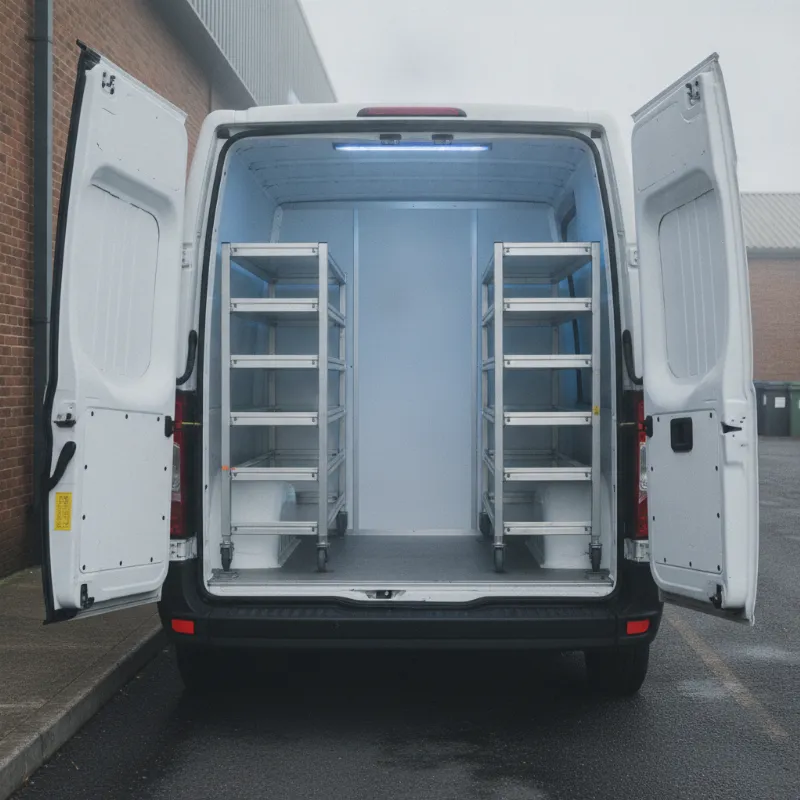
Why Buyers Search Auto Trader for Refrigerated Vans
Auto Trader is the UK's biggest vehicle marketplace, so it's often the first place operators look when they need a refrigerated van. Whether you're a florist, a butcher, a caterer or a pharmacy courier, the appeal is obvious: hundreds of listings in one place, a wide spread of ages and prices, and the ability to filter by location, mileage and budget in a few clicks.
The platform brings together franchised dealers, independent traders and private sellers, which means you'll see everything from ex-fleet Ford Transits with well-known fridge units to older conversions being sold on by their original owner. That variety is a strength, but it also means the quality and condition of what's listed varies wildly — and unlike a car, a refrigerated van has a second vehicle inside it (the fridge system) that needs its own checks. Getting the wrong one can cost thousands in repairs, failed deliveries and lost stock.
What to Check Before Buying a Refrigerated Van Online
Before you put a deposit down on any refrigerated van you've found on a marketplace, you need to work through a proper checklist. A fridge van is a working tool, and buying one blind — especially from a distance — is one of the easiest ways to end up with a very expensive problem. Here are the three areas that matter most.
Fridge Unit Age, Hours and Service History
The refrigeration unit is the single most important thing to inspect, and it's the area most private listings gloss over. Ask for the make and model (GAH, Hubbard, Carrier, Thermo King and Webasto are the common ones), the year it was fitted, and — crucially — the running hours. A fridge unit's hours are its equivalent of engine mileage; a compressor with 10,000+ hours on it may be close to needing an overhaul, regardless of how the van itself drives.
You should also ask for evidence of annual servicing. Refrigeration units need regular gas checks, seal inspections and belt replacements to stay reliable. If the seller can't produce service records, treat the fridge as an unknown — and budget accordingly.
Insulation Condition and Temperature Range
Not every "refrigerated van" is capable of the same job. Chill conversions (typically down to around 0°C) are very different from freezer conversions (down to -25°C or lower), and the insulation thickness inside the load area determines what the van can actually hold. A 50mm chill lining won't hold ice cream, no matter how powerful the fridge unit is.
Check the internal panels for cracks, water damage, staining and any signs of previous repair. Damaged insulation lets warm air in, forces the fridge to work harder, drives up fuel costs and — worst of all — puts your stock at risk. Ask what temperature the van is rated to and, if you can, see it running at that temperature before you buy.
Van Mileage, MOT and Ownership History
Finally, don't forget you're also buying a van. Run the registration through the government's free MOT history checker to see advisories and failure points over the years. Check the mileage is consistent, look at the number of previous keepers, and confirm the V5C is present and matches the seller's details. Ex-fleet vans can be excellent buys — they're usually well maintained — but ex-multi-drop parcel vans often have very hard lives, so factor that into your offer.
Auto Trader vs Buying Direct From a Specialist Van Dealer
Auto Trader is a listings platform, not a dealer. It doesn't inspect the vans, doesn't warrant them and doesn't get involved once you and the seller have made contact. That's fine if you know exactly what you're looking at, but a specialist refrigerated van dealer offers something a marketplace simply can't: focus.
A specialist will prep the fridge unit as well as the van, will usually offer a warranty covering both, and can advise on the right spec for your actual use case rather than just selling you whatever's on the forecourt. You'll typically get finance options, part-exchange, delivery and after-sales support built in. On a marketplace, you're on your own the moment the money changes hands — and if the fridge fails a week later, that's your problem to solve.
Common Pitfalls When Buying a Fridge Van From a Marketplace
The most common mistake buyers make is judging a fridge van the same way they'd judge a car: looking at mileage, age and bodywork, and assuming the fridge is fine because it was cold on the test drive. A fridge unit can hold temperature for twenty minutes on a mild day and still be on borrowed time.
Other pitfalls include buying a van that's been converted to a lower standard than the seller claims (some conversions are professional; others are amateur), missing signs that the unit has been off the road for months (fridge units don't like sitting unused), and paying trade money for a van being sold privately with no comeback if something goes wrong. Deposit scams are also a real risk on any open marketplace — never transfer money for a vehicle you haven't seen in person or bought through a regulated dealer.
Questions to Ask the Seller Before You Commit
Before you travel to view or agree a price, get clear answers to the following: What make and model is the fridge unit, and what year was it fitted? How many running hours are on it? When was it last serviced, and by whom? What temperature is it rated to, and will you run it down to that temperature during my viewing? Is standby (mains plug-in) fitted and working? What's the insulation thickness? Do you have the V5C in your name, the last MOT, and any service records for the van and the fridge? Why are you selling it?
If the seller is vague, defensive or "hasn't got round to checking" the answers, walk away. On a good refrigerated van, all of this information should be easy to provide.
A Safer Alternative: FCA-Regulated Refrigerated Van Supply With Nationwide Delivery
If the checks above feel like a lot of risk to carry yourself — especially on a van you might be buying sight unseen from the other end of the country — buying from a dedicated refrigerated van specialist takes most of that risk off the table. Every van comes prepped, the fridge unit is tested and documented, temperature ratings are confirmed, and you have a business to go back to if anything isn't right after delivery.
As an FCA-regulated supplier, we can also arrange finance to suit sole traders, limited companies and larger fleets, offer part-exchange against your current van, and deliver anywhere in the UK. Auto Trader is a great place to research the market and get a feel for prices — but when it's time to actually commit, buying from a specialist who lives and breathes fridge vans is almost always the safer, cheaper-in-the-long-run choice.
FAQs
What should I check when buying a refrigerated van on Auto Trader, and is it a better option than buying from a specialist dealer?
On Auto Trader, you need to check the fridge unit's make, age and running hours, its service history, the insulation condition and temperature rating, plus the usual van checks — MOT history, mileage consistency, number of previous keepers and V5C. Auto Trader is excellent for researching prices and seeing what's available, but it's a listings platform, not a dealer, so there's no warranty, no inspection and no comeback if something fails. A specialist refrigerated van dealer typically preps and tests the fridge unit, offers a warranty on both van and refrigeration system, and provides finance, part-exchange and after-sales support — which is usually the safer route for a working vehicle you rely on.
How many hours is too many on a refrigerated van's fridge unit?
As a rough guide, fridge units start needing more attention beyond around 8,000–10,000 hours, and a full compressor overhaul may be due somewhere between 12,000 and 15,000 hours depending on make and how it's been maintained. Hours matter more than the fridge's age — a five-year-old unit that's been running eight hours a day is more worn than a ten-year-old unit used occasionally. Always ask for the hour reading and factor a potential overhaul into your budget on higher-hour units.
Can I get finance on a refrigerated van bought through Auto Trader?
Finance depends on the seller, not the platform. Franchised and independent dealers advertising on Auto Trader can usually arrange finance, but private sellers cannot — you'd need to arrange your own funding separately. Buying from an FCA-regulated refrigerated van specialist means finance, part-exchange and delivery are handled in one place, which is often simpler for business buyers.
Is it safe to buy a refrigerated van without seeing it first?
It can be, but only if you're buying from a regulated dealer who guarantees the condition, provides full photos and video, and offers a return or inspection window on delivery. Buying unseen from a private seller on a marketplace is much riskier — you have no warranty, limited legal protection and no easy way to reject the van if the fridge doesn't perform. If distance is the issue, look for specialist dealers who offer nationwide delivery with a proper handover.
What's the difference between a chiller van and a freezer van on listings?
A chiller (or chill) van is designed to hold temperatures down to around 0°C and is suitable for fresh produce, flowers, meat and dairy. A freezer van holds temperatures down to around -18°C to -25°C, needed for ice cream, frozen food and some pharmaceutical loads. The difference comes down to fridge unit capacity and insulation thickness — a chiller conversion cannot simply be turned colder to work as a freezer, so always confirm the rated temperature matches what you actually need to carry.