Anti Pollution Fault on a Peugeot Expert Van: Causes, Fixes and What to Do Next
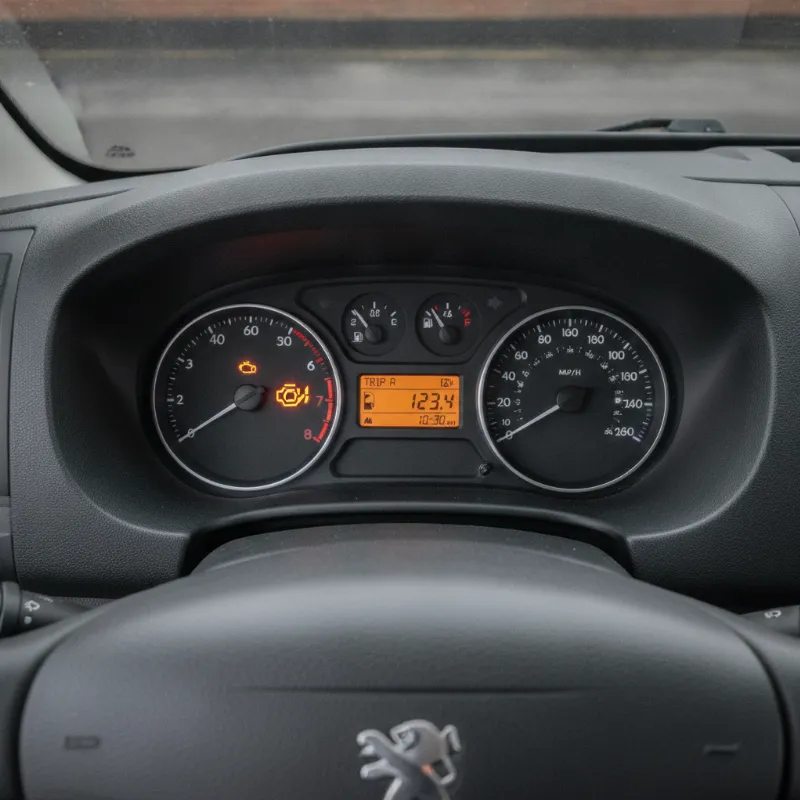
What Does the Anti Pollution Fault Warning Mean on a Peugeot Expert Van?
If you drive a Peugeot Expert and an "Anti Pollution Fault" message appears on the dashboard, it means the van's engine management system has detected an issue with one of the components responsible for controlling emissions. In simple terms, something in the exhaust, fuel or air intake system isn't performing within the parameters Peugeot expects, and the ECU has flagged it up so you can get it looked at before it causes further damage.
The warning itself doesn't tell you what has gone wrong — it's more of a catch-all alert covering a wide range of possible sensors, valves and filters. You may also notice reduced power (limp mode), a rougher idle, higher fuel consumption or a slight loss of throttle response alongside the message. On diesel Peugeot Expert models, in particular, this warning often ties in with the DPF, EGR or injection system. The good news is that many of the causes are well known, well documented and — with the right diagnosis — perfectly fixable.
Common Causes of the Anti Pollution Fault on a Peugeot Expert
Because the warning covers the whole emissions system, there are several usual suspects. Below are the most common causes we see on the Peugeot Expert, ranging from cheap fixes to more involved repairs.
Faulty Oxygen or Lambda Sensors
Oxygen sensors (also called lambda sensors) monitor the mix of oxygen in the exhaust gases so the ECU can adjust the fuel injection accordingly. Over time these sensors get coated in carbon deposits, wear out or fail electrically, and when they do, the readings sent to the ECU drift out of range. This is one of the most frequent triggers of the anti pollution fault light on the Expert, especially on higher-mileage vans. Replacement sensors aren't expensive, and swapping one is usually a straightforward job for any competent garage.
EGR Valve Blockage or Failure
The Exhaust Gas Recirculation (EGR) valve reroutes a portion of exhaust gas back into the engine to reduce NOx emissions. On diesel vans that spend a lot of time on short, stop-start journeys, the EGR valve tends to clog up with a thick, sooty residue. A blocked or sticking EGR is a very common cause of the anti pollution warning on the Peugeot Expert, and symptoms often include hesitation under acceleration and a noticeable loss of power. Sometimes the valve can be cleaned; if it's electrically faulty or badly gummed up, replacement is the safer option.
DPF (Diesel Particulate Filter) Issues
The DPF captures soot from the exhaust and periodically burns it off in a process called regeneration. If your Expert mostly does short, low-speed trips, the DPF may not reach the temperatures needed to regenerate properly, and soot builds up. Once the filter becomes too restricted, the ECU throws up the anti pollution message and may put the van into limp mode. A good motorway run can sometimes trigger a full regeneration; if not, a forced regen at a garage or, in worse cases, a professional DPF clean will be required.
MAF Sensor and Air Intake Problems
The Mass Air Flow (MAF) sensor measures the volume of air entering the engine so the ECU can calculate the correct amount of fuel to inject. A dirty or failing MAF sensor sends inaccurate data, which knocks the air/fuel mixture out and triggers the emissions warning. Split intake hoses, a clogged air filter or a loose connection on the intake pipework can produce the same symptoms. It's always worth checking the pipework visually before condemning a sensor.
Fuel Quality and Injector Faults
Poor-quality diesel, contaminated fuel or a partially failing injector will also upset the emissions system. A leaking or worn injector sprays too much fuel, which increases soot output and quickly loads up the DPF. If the anti pollution warning appears shortly after a fill-up from an unfamiliar forecourt, the fuel itself is worth ruling out. A fuel system additive can help clean things through, but a persistent misfire or smoking exhaust points to injector work.
Is It Safe to Drive a Peugeot Expert With an Anti Pollution Fault?
In the short term, yes — you can usually drive the van home or to a garage without doing serious damage. If the engine is running smoothly, the temperature gauge is normal and there are no other red warning lights, the van is generally safe to drive gently for a short distance. However, "safe to drive" is not the same as "fine to ignore". Continuing to run the van for weeks with the warning on can lead to a blocked DPF, damaged catalytic converter or a stuck EGR — all of which are much more expensive to fix than the original fault. If the van drops into limp mode, expect reduced power and no turbo assistance; get it looked at as soon as possible rather than pushing on.
How to Diagnose and Fix the Anti Pollution Fault
Diagnosing this warning properly means reading the fault codes and testing the components they point to — guessing gets expensive fast. Here's how to approach it sensibly.
Reading Fault Codes With an OBD-II Scanner
Every Peugeot Expert built from around 2001 onwards has an OBD-II port, usually tucked under the dashboard on the driver's side. A basic scanner (available from around £20) will pull the fault codes stored by the ECU and give you a starting point — for example, a P0401 code points to EGR flow, while P0130-series codes relate to the oxygen sensor circuit. More advanced Peugeot-specific tools like Diagbox go further and can read live sensor data, clear codes and even initiate a forced DPF regeneration. If you're not comfortable interpreting codes, most independent garages will run a diagnostic scan for a modest fee.
DIY Checks Before Visiting a Garage
Before booking the van in, there are a few checks worth doing yourself. Open the bonnet and look for split or disconnected intake hoses, a loose MAF sensor plug or an obviously dirty air filter. Check the fuel cap is sealing properly — a poor seal can throw up emissions codes. Take the van for a solid 20–30 minute run at motorway speeds in a lower gear than usual to raise exhaust temperatures; this can trigger a passive DPF regen and clear the light. Finally, try a reputable fuel system cleaner in a fresh tank of diesel — it won't fix a broken sensor but it can help a slightly gummed-up injector or EGR.
Typical Repair Costs
Costs vary by garage and region, but as a rough guide: an oxygen sensor replacement typically runs £80–£180 fitted, EGR cleaning around £120–£250, EGR replacement £300–£600, a MAF sensor around £80–£150, and a professional DPF clean anywhere from £250 to £450. A new DPF is a significantly bigger bill, which is why catching the fault early matters. Diagnostic time at an independent specialist is usually £50–£90 and is money well spent — it's far cheaper than throwing parts at the problem.
How to Prevent the Anti Pollution Warning Coming Back
Prevention with a Peugeot Expert really comes down to how you use it. Give the van a proper run at motorway speeds at least once a week to let the DPF regenerate fully — short urban trips are the single biggest cause of emissions-system headaches on diesel vans. Stick to a reputable brand of diesel, change the air filter and oil at the recommended intervals (using the correct low-SAPS oil for DPF-equipped models), and don't ignore small warning signs like a rough idle or slight loss of power. An annual diagnostic health check, even when nothing looks wrong, will spot sensors that are starting to drift before they trip the dash light.
Thinking of Upgrading? Newer Peugeot Expert Vans Explained
If your current Expert is racking up the miles and the emissions issues are becoming a running theme, it may be worth looking at a newer model. The current-generation Peugeot Expert, launched in 2016 and refreshed several times since, uses a more refined BlueHDi engine with AdBlue and a redesigned exhaust after-treatment system that copes far better with mixed-use driving. Newer vans also bring better fuel economy, improved payload options and lower running costs — and of course, a fully electric e-Expert is now available for operators looking to sidestep diesel emissions altogether. Whether you stick with your current van or trade up, understanding the anti pollution fault is the first step to keeping your Expert reliable and on the road.
FAQs
What causes the anti pollution fault warning on a Peugeot Expert van and how do I fix it?
The anti pollution fault on a Peugeot Expert is triggered when the ECU detects an emissions-related problem. The most common causes are a faulty oxygen (lambda) sensor, a clogged or sticking EGR valve, a blocked DPF, a dirty MAF sensor or poor fuel quality/injector issues. The fix depends on the specific fault code — plug in an OBD-II scanner to identify which component is at fault, then clean or replace the relevant part. For DPF-related warnings, a long motorway run to trigger regeneration often resolves the issue; for sensor or EGR failures, replacement by a qualified garage is usually needed.
Can I clear the anti pollution fault myself?
You can clear the warning message using an OBD-II scanner with a reset function, but if the underlying problem hasn't been fixed the light will come back on within a few drive cycles. It's always better to diagnose and address the root cause first rather than just resetting the code.
How long can I drive with the anti pollution light on?
If the van is running smoothly with no other red warning lights, you can usually drive it home or to a garage safely. However, ignoring the warning for days or weeks risks damaging the DPF, catalytic converter or EGR system, which turns a small repair into a much bigger bill. Get it diagnosed as soon as you reasonably can.
Will the Peugeot Expert pass an MOT with an anti pollution fault?
Not usually. The emissions warning light being illuminated is an MOT failure item in itself, and the underlying fault will often push tailpipe emissions or smoke readings out of the legal limits. You'll need to sort the fault before presenting the van for its MOT.
Does a full tank of premium diesel help clear the anti pollution warning?
It can help in some cases. Premium diesels contain more detergents that help clean injectors and the combustion chamber, which may improve a marginal fault. It won't fix a failed sensor, blocked DPF or broken EGR valve, but it's a cheap first step and pairs well with a good motorway run to encourage DPF regeneration.