Amazon's Electric LDV Vans: Why the World's Biggest Retailer Picked LDV
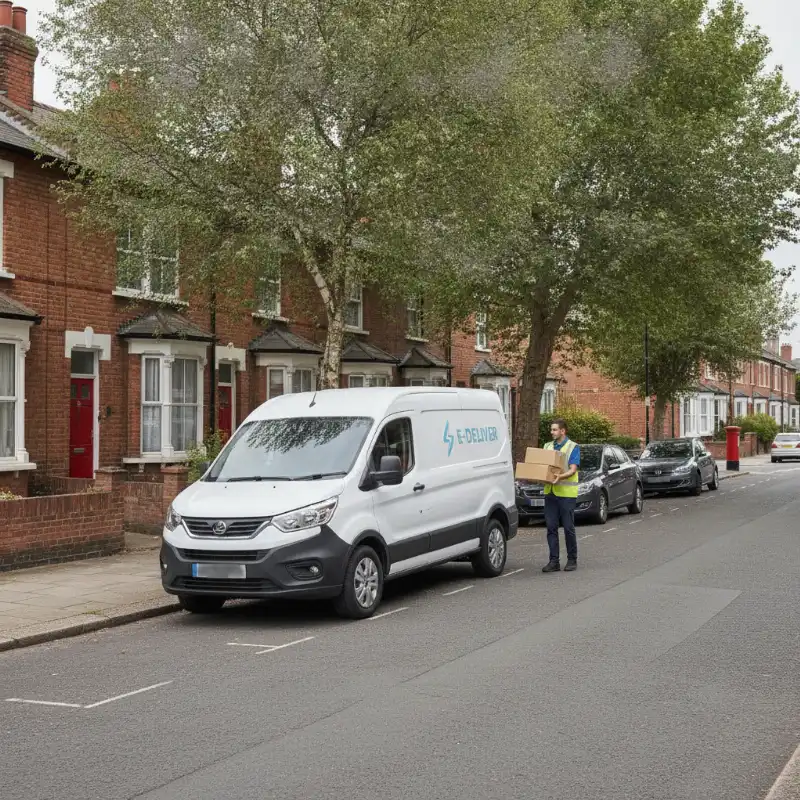
Why Amazon Chose LDV Electric Vans for Its UK Delivery Fleet
When you spot an Amazon delivery van gliding silently down your street, there's a very good chance you're looking at an LDV. The world's biggest online retailer has quietly built one of the largest electric van fleets in the UK, and a huge slice of that fleet wears the LDV badge. That's not a decision Amazon took lightly. With thousands of parcels to deliver every hour and tight service windows to hit, the vehicles doing the work need to be dependable, cost-effective and genuinely capable of a full day's graft on a single charge.
Amazon's logistics arm chose LDV because the numbers stacked up. The vans offered real-world range that suited urban and suburban delivery rounds, load volumes that matched the way Amazon packs its cages, and a purchase price that made electrification commercially viable at scale. For a company running the maths on cost-per-parcel across tens of thousands of vehicles, that combination is hard to beat. Add in the UK's push toward zero-emission last-mile delivery and clean air zones in cities like London, Birmingham and Bristol, and going electric wasn't just a green statement — it was the sensible operational move.
Which LDV Electric Van Models Does Amazon Use?
Amazon runs two LDV electric models in its UK operation, and each one has a clear job to do. The smaller EV30 handles dense urban work, while the bigger E Deliver 9 takes on the higher-volume rural and suburban rounds where drivers need more cargo space between drop-offs.
LDV EV30 – The Compact Urban Delivery Van
The EV30 is the little workhorse of the pair. It's a compact panel van built specifically as an electric vehicle from the ground up, rather than an adapted diesel platform, which shows in how well the batteries and motor are packaged. For Amazon drivers weaving through narrow city streets, dealing with tight loading bays and low-emission zones, the EV30 is genuinely made for the job. It's easy to park, quick off the mark at traffic lights, and quiet enough that early-morning deliveries don't wake up half the postcode.
Load space is generous for the van's footprint, and the sliding side door plus rear barn doors make loading cages fast — a small detail that adds up when a driver is doing 200-plus stops a day.
LDV E Deliver 9 – The Larger Last-Mile Workhorse
The E Deliver 9 is the larger sibling and it's the one you'll more commonly see on longer suburban rounds. It's a full-size 3.5-tonne panel van, comparable in dimensions to a Ford Transit or Mercedes Sprinter, but running purely on battery power. That gives Amazon a proper high-capacity electric van that can carry a serious payload of parcels without compromising range too heavily. For rural routes and outlying trading estates, the E Deliver 9 is often the tool of choice because it can swallow the volume of a full delivery route in one hit.
Who Makes LDV Vans and What This Means for Reliability
LDV as a badge has a long British history — the original Leyland DAF Vans built the Convoy and Pilot back in the day — but the modern LDV is owned by SAIC Motor, one of the largest vehicle manufacturers in the world. SAIC is a Chinese state-owned giant that also builds MG cars, and it has serious scale, serious engineering resources, and a manufacturing base that turns out millions of vehicles a year. When Amazon signs a fleet contract, it's signing with a manufacturer that can actually deliver the units and back them up with parts and warranty support.
That matters for reliability perception. Some buyers still think of LDV as a small, niche brand — but the reality is that these vans are built on modern platforms by a manufacturer with enormous R&D budgets. The UK dealer network has grown steadily to match, meaning servicing and parts availability are far better than they were even five years ago.
Range, Payload and Charging: How LDV Electric Vans Perform on the Job
Real-world range on the EV30 sits comfortably in the 100-mile-plus bracket for typical urban delivery work, while the E Deliver 9 pushes further with a bigger battery — enough for most last-mile operators to complete a full day and return to depot for an overnight charge. Payload is where LDV really competes: the E Deliver 9 offers a load capacity that stands up well against diesel rivals, which historically has been a weak spot for electric vans because of battery weight eating into what you can carry.
Charging is straightforward. Both vans support AC charging overnight at a depot and DC rapid charging when a driver needs a top-up mid-shift. For Amazon, which invests in its own depot charging infrastructure, that overnight-charge model fits perfectly with the way delivery rounds are scheduled.
Are LDV Vans Any Good? What Amazon's Fleet Decision Tells Us
Here's the honest answer: if LDV vans weren't up to the job, Amazon wouldn't be running thousands of them. Fleet buyers of that scale are ruthlessly analytical. They track uptime, cost-per-mile, parts availability, driver feedback, insurance claims and residual values across every vehicle in the fleet. If LDV didn't stack up, the contract would have gone elsewhere — Ford, Mercedes, Renault, Vauxhall and Stellantis all have competing electric vans in the market and would happily take Amazon's business.
That doesn't mean LDV is perfect. The cabin plastics are more workmanlike than premium, the infotainment isn't going to win any awards, and the ride can feel firm when unladen. But for a delivery van being used exactly as intended, they do the job reliably and at a price point that makes electrification viable. For small business owners watching Amazon's fleet decision, it's a strong endorsement.
Beyond Electric: LDV Convoy and LDV Pilot on the Used Market
It's worth remembering that LDV has been building vans in the UK for decades. The LDV Convoy — the larger 3.5-tonne panel van — and the smaller LDV Pilot were staples of British trade fleets through the 1990s and early 2000s, and you can still find well-kept examples on the used market. They're a world away from the modern electric range, of course: diesel-powered, simple to work on, and cheap to buy. Some tradespeople still swear by them for occasional use, and they've built up a loyal following among camper conversion enthusiasts who like the boxy shape and DIY-friendly mechanicals.
The modern LDV range shares the badge but very little else — today's vans are built to entirely modern safety and emissions standards, and the electric models represent a completely fresh engineering approach.
Considering an LDV Van for Your Own Business?
If Amazon's endorsement has got you thinking, LDV is worth a serious look — especially if your operation is a good fit for electric. Local delivery, mobile trades working within a defined radius, urban services and any business needing to enter a clean air zone daily all make strong cases for the EV30 or E Deliver 9. Purchase price is competitive against European rivals, running costs on electricity beat diesel comfortably, and the vans are proven in one of the toughest fleet applications there is.
Come and see the range in person, take a test drive, and get a feel for whether the same vans keeping Amazon's Prime promise could work for your business too. Whether you're replacing a single diesel van or planning a phased fleet switch, it's worth a conversation.
FAQs
Why does Amazon use LDV electric vans in the UK?
Amazon chose LDV electric vans because they offer the right combination of load capacity, real-world range and purchase price to make electrifying last-mile delivery commercially viable at scale. The EV30 suits urban rounds and the E Deliver 9 handles higher-volume suburban routes, and both fit Amazon's overnight depot charging model. For a fleet buyer running the numbers on tens of thousands of vehicles, LDV stacked up better than the alternatives.
What LDV models does Amazon actually run?
Amazon's UK fleet uses two LDV electric models: the compact EV30 for dense urban delivery work, and the larger 3.5-tonne E Deliver 9 for suburban and rural rounds where more cargo volume is needed between stops.
Who makes LDV vans now?
LDV is owned by SAIC Motor, one of the world's largest vehicle manufacturers. SAIC also builds MG cars and has the manufacturing scale, engineering resources and parts supply chain to back up major fleet contracts like Amazon's.
Are LDV vans reliable enough for a small business?
Amazon runs thousands of them in one of the most demanding delivery operations in the country, which is a strong indicator of reliability. For small businesses doing local delivery, mobile trades or urban services, LDV electric vans offer competitive purchase pricing, low running costs and proven performance in real fleet use.
How far can an LDV electric van go on a single charge?
Real-world range varies by model and load, but the EV30 comfortably handles a typical urban delivery day on one charge, while the larger E Deliver 9 offers more range thanks to its bigger battery. Both support overnight AC charging and rapid DC charging for mid-shift top-ups.