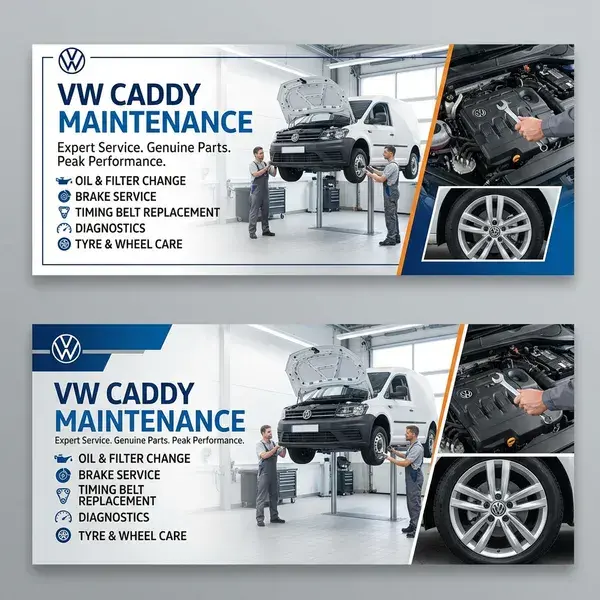
VW Caddy Maintenance
Keep Your VW Caddy Reliable, Efficient and Cost-Effective
The Volkswagen Caddy is a versatile and reliable vehicle, but like any car, it requires regular maintenance to keep it running smoothly. VW Caddy maintenance is crucial for preserving its performance, longevity, and value. Proper care can prevent common problems, reduce repair costs, and ensure the safety of drivers and passengers. From routine oil changes to addressing warning lights, understanding the essentials of VW Caddy service is key to keeping this popular van on the road. See all Volkswagen Caddy for sale 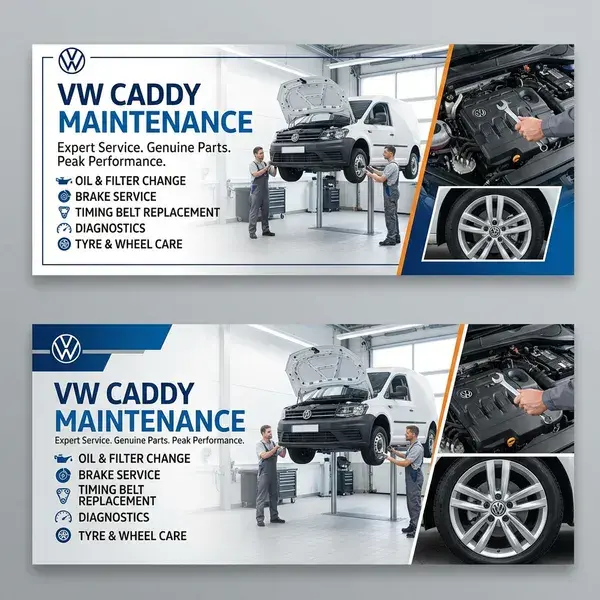
This guide covers essential care and repair tips for VW Caddy owners. It explores the regular maintenance schedule, engine care tips, and brake system upkeep. The article also delves into transmission care, electrical system checks, and other vital aspects of VW Caddy repair. By following these guidelines, owners can address issues ranging from battery replacements to glow plug maintenance, ensuring their Caddy remains a dependable workhorse for years to come. Source
Regular Maintenance Schedule
Maintaining a VW Caddy requires a consistent approach to ensure optimal performance and longevity. The maintenance schedule varies depending on the model and service plan chosen. Volkswagen offers both fixed and flexible servicing options, allowing owners to select the plan that best suits their needs. Of course what are the VW Caddy Dimensions?
Ideal for owners and businesses managing long-term van use
Regular oil changes are crucial for the health of a VW Caddy’s engine. The frequency of oil changes depends on the service plan:
- Fixed Servicing: Requires an annual oil service for the first three years of ownership.
- Flexible Servicing: Utilizes built-in sensors to monitor oil quality, alerting the driver when an oil change is necessary.
The type and capacity of engine oil vary based on the specific Caddy model:
- Oil Type: Multigrade (high-lubricity) engine oil, viscosity SAE 5W/40 to 20W/50.
- VW Specifications: 505 01, 507 00, or better for standard service intervals; 506 01, 507 00, or better for LongLife service intervals.
- Oil Capacity: Ranges from 4.0 to 4.6 liters, depending on the engine size and type.
When changing oil, it’s important to adhere to the correct torque specifications:
- Oil Drain Plug Torque: 30 Nm
- Oil Filter Cap Torque: 25 Nm
Filter Replacements VW Caddy Maintenance
Filter replacements are an essential part of VW Caddy maintenance. During a service, Volkswagen-trained technicians replace filters as specified. The main filters that require regular replacement include:
- Oil Filter: Changed during every oil service
- Air Filter: Replaced at intervals specified in the service schedule
- Fuel Filter: Changed according to the maintenance plan
- Cabin Air Filter: Replaced to ensure clean air inside the vehicle
Fluid Checks VW Caddy Maintenance
Regular fluid checks help maintain the VW Caddy’s accessories and performance and prevent potential issues. Key fluids to monitor include:
- Engine Oil: Check levels regularly between services
- Coolant:
- Type: 50/50 mix of water and VW additive G12 plus-plus (TL-VW 774 G) or G12 plus (TL-VW 774 F)
- System Capacity: 8.0 liters for all engines
- Transmission Fluid:
- Manual Transmission: Synthetic gear oil, viscosity SAE 75W/80
- DSG Semi-automatic: ATF (VW G052 182 A2/A6)
- Capacity varies by transmission type (1.7 to 2.3 liters for manual, 1.7 to 5.2 liters for DSG)
- Brake and Clutch Fluid: DOT 4 brake fluid
- Power Steering Fluid: VW G 004 000
When checking or replacing fluids, it’s crucial to use the correct type and adhere to the specified torque for drain and filler plugs:
- Manual Transmission: 30 Nm (multi-point socket head) or 45 Nm (hexagon socket head)
- DSG Transmission: 45 Nm (02E transmission) or 30 Nm (0AM transmission)
Regular maintenance, including timely oil changes, filter replacements, and fluid checks, ensures that awnings for VW Caddy remains in good condition, providing optimum performance and durability. Volkswagen recommends having the vehicle serviced by trained technicians using specialized tools and technology. This approach guarantees that all necessary components are inspected, replaced, or replenished according to the manufacturer’s specifications, and the service is properly recorded in the vehicle’s service book. See VW Caddy Kombi
Engine Care Tips VW Caddy Maintenance
Proper engine care is essential for maintaining the performance and longevity of a VW Caddy. Two critical aspects of engine maintenance are timing belt replacement and spark plug maintenance. These components play vital roles in the engine’s operation and require regular attention to prevent potential issues and ensure optimal performance. See VW Caddy Dimensions
Timing Belt Replacement
The timing belt is a crucial component that synchronizes the opening and closing of the engine’s valves with the movement of the pistons. Over time, this belt can become worn and stretched, which may lead to engine damage if it breaks. To prevent such issues, manufacturers typically recommend replacing the timing belt at specific mileage intervals. See
For VW Caddy owners, it’s important to adhere to the following guidelines: See VW Caddy Lease offers
- Replace the timing belt between 60,000 and 90,000 miles, depending on the specific model and year of the vehicle.
- Consult the owner’s manual or a VW-certified technician for the exact replacement interval for your particular Caddy model.
- Consider replacing the water pump and tensioner pulleys simultaneously with the timing belt, as these components often have similar lifespans. See VW Caddy Camper For Sale
Spark Plug Maintenance
Spark plugs are responsible for igniting the air-fuel mixture in the engine’s cylinders, which powers the vehicle. Worn or fouled spark plugs can cause various issues, including misfiring, reduced fuel efficiency, and even engine damage. Regular maintenance of spark plugs is crucial for optimal engine performance. See Awnings For VW Caddy
VW Caddy automatic owners should follow these steps for proper spark plug maintenance:
- Replace spark plugs at intervals recommended by Volkswagen, typically every 30,000 to 60,000 miles.
- Use the correct tools for spark plug replacement, including:
- Wire brush
- WD-40 spray
- Electronic spray
- High-temperature anti-seize lubricant
- Torque wrench
- Drive socket #10
- Spark plug socket #16
- Ratchet wrench
- Fender cover
- Follow this step-by-step process for replacing spark plugs: a. Open the hood and use a fender protection cover. b. Detach the connector from the ignition coil. c. Clean the ignition coil bolts using a wire brush and WD-40 spray. d. Unscrew and remove the ignition coil. e. Clean dirt and debris from inside the spark plug wells. f. Unscrew and remove the old spark plugs. g. Apply a thin layer of high-temperature anti-seize lubricant to the threads of the new spark plugs. h. Install the new spark plugs and tighten them to 25 Nm torque. i. Reinstall the ignition coil and tighten the bolts to 8 Nm torque. j. Treat the ignition coil connector with electronic spray to protect electrical contacts. k. Reconnect the ignition coil connector. l. Run the engine for a few minutes to ensure proper operation. See VW Caddy Pickup
- Important tips for spark plug replacement:
- Avoid over-tightening the plugs, as excessive force can damage the thread connection.
- Be careful when working with a spark plug wrench to prevent damage to the threaded connection.
- Lower the spark plugs into the wells carefully to avoid damaging the electrode gap.
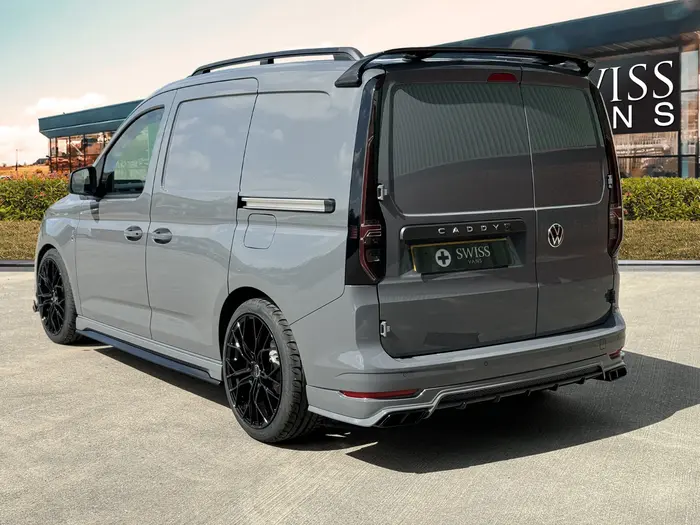
By following these engine care tips, VW Caddy alloys owners can ensure their vehicle’s engine remains in good condition, providing optimal performance and longevity. Regular maintenance of the timing belt and spark plugs helps prevent unexpected breakdowns and costly repairs. It’s recommended to have these maintenance tasks performed by trained technicians using specialized tools and following Volkswagen’s specifications. This approach guarantees that all necessary components are inspected, replaced, or maintained according to the manufacturer’s guidelines, and the service is properly recorded in the vehicle’s service book. See VW Caddy Racking ideas
Brake System Maintenance
The brake system is a critical component of any vehicle, including the VW Caddy Racking. Regular maintenance ensures optimal performance and safety on the road. This section covers two essential aspects of brake system care: brake pad inspection and brake fluid checks. See VW Caddy Review
Brake Pad Inspection VW Caddy Maintenance
Brake pads are crucial for the safe operation of a vehicle. VW Caddy owners should pay close attention to warning signs that indicate the need for brake pad replacement:
- Warning Light: An amber brake pad monitoring warning light on the dashboard signals that action is required. This warning lamp indicates that the brake pads are worn and need attention.
- Visual Inspection: Regular visual checks can help identify brake pad wear before it becomes critical. While the frequency of inspections may vary based on driving habits and conditions, it’s generally recommended to inspect brake pads at least once a year.
- Professional Assessment: If unsure about the condition of brake pads, it’s advisable to contact an authorized VW repairer for a thorough inspection and potential replacement.
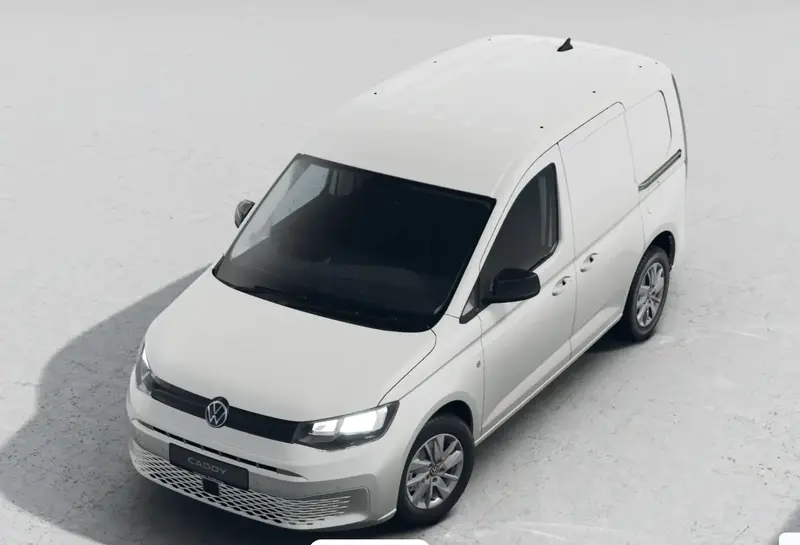
Brake Fluid Checks
Brake fluid plays a vital role in the braking system, assisting with brake pedal movement and lubricating the system to prevent corrosion. Regular checks and maintenance of brake fluid are essential for the VW Caddy’s safe operation. See VW Caddy Maintenance
To check the brake fluid level and condition:
- Locate the Reservoir: Find the brake fluid reservoir on the master cylinder under the hood. It’s typically a white reservoir with a black cap on the driver’s side. Consult the owner’s manual if unsure of its exact location.
- Check the Fluid Level: Inspect the side of the container for “minimum” and “maximum” lines. If the fluid level is approaching the minimum line, it’s time for a replacement.
- Assess Fluid Color: New brake fluid should be nearly clear with a yellowish tint. If the fluid has an oil-like appearance or has darkened significantly, a brake fluid flush is necessary.
- Frequency of Checks: On average, check the brake fluid level once a year. However, more frequent checks are recommended in high-humidity areas.
Important considerations for brake fluid maintenance:
- Brake fluid attracts moisture, which can lead to brake system corrosion over time.
- As brake fluid ages, it becomes contaminated with small particles that can damage the brake system.
- Systems like ABS and traction control generate heat when activated, causing brake fluid to wear down more rapidly.
- Brake fluid typically lasts four to five years, but this can vary based on the vehicle, driving habits, and conditions. See VW Caddy Maxi For Sale
To maintain proper brake fluid levels:
- Park the VW Caddy on level ground before checking or adding fluid.
- Clean the reservoir cap with a clean cloth before opening.
- Add brake fluid if the level is below the MIN mark, but do not fill above the MAX line.
- Use the correct type of brake fluid, typically DOT4 for most Volkswagen vehicles. Always check the recommended type on the brake fluid cap or in the owner’s manual.
For optimal brake system performance, it’s recommended to flush the VW brake system every two years. This helps prevent moisture buildup and corrosion of brake lines, which can cause pistons to seize and metal pipes to rust. See VW Caddy Conversion
By following these maintenance practices for brake pads and fluid, VW Caddy owners can ensure their vehicle’s braking system remains in top condition, providing reliable and safe performance on the road. See VW Caddy Automatic
Transmission Care
Proper maintenance of the transmission system is crucial for the longevity and performance of a VW Caddy 7 Seater. This section covers two essential aspects of transmission care: gearbox oil changes and clutch maintenance.
Gearbox Oil Changes VW Caddy Maintenance
Regular gearbox oil changes are vital to ensure smooth operation and prevent wear on transmission components. The type and quantity of oil required depend on the specific transmission model in the VW Caddy.
For manual transmissions:
- Fluid Type: Synthetic gear oil with a viscosity of SAE 75W/80
- Specifications:
- VW G052 527 A20 for 6-speed transmissions
- VW G052 512 A2/A6 for 5-speed transmissions
- Capacity:
- 1.7 liters for 0A4 5-speed transmission
- 2.1 liters for 0AH 5-speed transmission
- 2.3 liters for 02Q 6-speed transmission
For DSG semi-automatic transmissions:
- Fluid Type: ATF (VW G052 182 A2/A6)
- Capacity:
- 5.2 liters for 02E transmission
- 1.7 liters for 0AM transmission
When changing the gearbox oil, it’s crucial to adhere to the correct torque specifications:
- Manual Transmission:
- Filler/Level Plug Torque: 30 Nm (multi-point socket head) or 45 Nm (hexagon socket head)
- Drain Plug Torque: 30 Nm (multi-point socket head) or 45 Nm (hexagon socket head)
- DSG Semi-automatic Transmission:
- Drain/Filler Plug Torque: 45 Nm (02E transmission) or 30 Nm (0AM transmission)
To change the gearbox oil, follow these steps:
- Raise the vehicle and secure it on jack stands.
- Place a drain pan under the transmission.
- Remove the drain plug and allow the old oil to drain completely.
- Clean the drain plug and replace the sealing washer if necessary.
- Reinstall the drain plug, tightening it to the specified torque.
- Locate the filler plug and remove it.
- Use a funnel to add the new oil through the filler hole.
- Check the oil level and ensure it’s at the correct level.
- Reinstall the filler plug, tightening it to the specified torque.
- Lower the vehicle and test drive to ensure proper operation.
It’s recommended to change the gearbox oil every 50,000 km or as specified in the VW Caddy’s service schedule.
Clutch Maintenance
While the clutch itself is not a component that requires regular fluid changes, proper maintenance of the clutch system is essential for smooth gear changes and longevity of the transmission. See VW Caddy Conversion
Key aspects of clutch maintenance include:
- Regular Inspection: Check for signs of wear, such as difficulty engaging gears or a slipping clutch.
- Clutch Fluid: The clutch system in a VW Caddy uses brake fluid. Ensure the fluid level is maintained and check for any leaks in the system.
- Clutch Pedal Free Play: Adjust the clutch pedal free play as per the manufacturer’s specifications to ensure proper engagement and disengagement.
- Hydraulic System: If the VW Caddy has a hydraulic clutch system, inspect the master and slave cylinders for any signs of leakage or wear.
- Clutch Cable: For models with a cable-operated clutch, check the cable for proper tension and signs of fraying or wear.
By following these maintenance practices for the gearbox and clutch system, VW Caddy owners can ensure smooth operation of their vehicle’s transmission, prolonging its life and maintaining optimal performance. Regular servicing by a qualified technician is recommended to address any potential issues before they become major problems.
Electrical System Checks VW Caddy Maintenance
Battery Care
The battery is a crucial component of a VW Caddy’s electrical system. Regular checks and maintenance can prevent unexpected breakdowns and ensure optimal performance. To assess the battery’s health, owners can perform several simple tests:
- Voltage Check: Using a multimeter, measure the battery voltage. A healthy battery should read between 12.4V and 12.7V. If the reading is slightly lower, around 12.3V, the battery may be about 75% charged.
- Headlight Test: Turn on the headlights. Dim lights may indicate a weak battery. If the headlights brighten when the engine is revved, it could signal an alternator issue.
- Battery Health Indicator: Some VW Caddy models feature built-in battery health indicators accessible through the central or dashboard screen menus.
- Visual Inspection: Examine the battery for signs of corrosion, bubbling, or dried liquid. A sulfur smell may indicate battery problems.
To maintain battery health:
- Clean the battery regularly using a mixture of baking soda and water or electrical contact cleaner with a wire brush to remove corrosion.
- Avoid deep discharging. Recharge the battery after use rather than allowing it to become completely flat.
- Never leave the battery in a discharged state for extended periods, as this can lead to sulphation and permanent damage.
- Avoid overcharging, which can cause the battery to heat up and its electrolyte to evaporate.
- For open vent batteries, check electrolyte levels regularly and top up with de-ionized water if necessary.
Alternator Inspection VW Caddy Maintenance
The alternator plays a vital role in the VW Caddy’s electrical system, generating power while the engine runs and maintaining the battery’s charge. Regular inspections can help prevent malfunctions and costly repairs. Here’s how to check the alternator:
- Visual Inspection:
- Park the VW Caddy on a level surface and turn off the engine.
- Open the bonnet and locate the alternator near the front of the engine, close to the radiator.
- Check the alternator belt for wear, damage, cracks, or tears. Ensure it’s properly tensioned.
- Inspect the alternator for leaks, damage, or excessive grease and oil.
- Warning Signs:
- Frequent battery jump-starts may indicate an aging alternator that can’t charge the battery properly.
- Difficulty starting the engine or occasional stalling could signal alternator issues.
- Dim dashboard lights or sluggish electrical accessories (e.g., slow-moving power windows) may suggest alternator problems.
- Professional Assessment: If any warning signs are present, have the alternator checked by a certified Volkswagen technician. A failing alternator can lead to a flat battery and damage other electrical components.
Safety Precautions:
- Never touch electrical components on the alternator while the engine is running.
- Disconnect the battery before performing any electrical work on the alternator to prevent electric shocks.
By regularly checking and maintaining the battery and alternator, VW Caddy owners can ensure their vehicle’s electrical system remains in optimal condition, reducing the risk of unexpected breakdowns and extending the life of these crucial components.
Conclusion VW Caddy Maintenance
Regular maintenance and attentive care have a significant impact on the longevity and performance of a VW Caddy. By following the guidelines outlined in this article, owners can ensure their vehicle remains in top condition, reducing the likelihood of unexpected breakdowns and costly repairs. From routine oil changes to brake system checks, each aspect of maintenance plays a crucial role in keeping the Caddy running smoothly.
Ultimately, the key to maintaining a VW Caddy lies in consistent care and timely attention to potential issues. By staying proactive with maintenance schedules and addressing problems promptly, owners can enjoy a reliable and efficient vehicle for years to come. Remember, while some tasks can be done at home, it’s often best to rely on trained professionals to handle more complex maintenance and repairs, ensuring the Caddy receives the expert care it deserves. Of course buy a New VW Caddy on a lease and you wont have to do this so often.
FAQs VW Caddy Maintenance
- How frequently should I service my VW Caddy?
It is advisable to service your VW Caddy every 12,000 miles or annually, whichever comes first. - What type of oil should be used in a VW Caddy?
If your VW Caddy is equipped with a Diesel Particulate Filter (DPF) and follows a long-life service schedule, you should use SAE 5W-30 oil marked ‘VW 507.00’ to accommodate the low ash requirement. For vehicles without a DPF and on a standard service regimen, you can use SAE 5W-30, SAE 5W-40, or SAE 10W-40. - When should the timing belt be replaced on a VW Caddy?
The timing belt should be replaced every 60,000 miles or every four years. However, VW specifies different intervals for different engine types: 130,000 miles for all common rail engines, 75,000 miles for PD engines up to 2006, and 93,000 miles for PD engines post-2006. It’s also recommended to replace the tensioner roller along with the timing belt. - What is the expected lifespan of a VW Caddy?
A VW Caddy typically has a lifespan of approximately 233,000 miles, though this can vary based on factors such as fuel type and vehicle maintenance.