 Call us on
Van Lease Long Term
Van Lease Long Term
Your business can count on steady costs with van lease long term. Managing company vehicles brings its share of challenges, especially when you have unexpected expenses pop up. Fixed monthly payments let you plan your budget without any surprises. These leases come with routine maintenance packages that cut down repair costs and keep your vans running smoothly. Source
The leasing company handles all the depreciation risk instead of your business. Long-term van leasing also gives you tax advantages since you can deduct lease payments as business costs. This piece breaks down everything about van leasing and its costs. You’ll learn about finance options and contract details that help you pick the right plan for your business needs in 2025. Home
Understanding Long Term Van Leasing
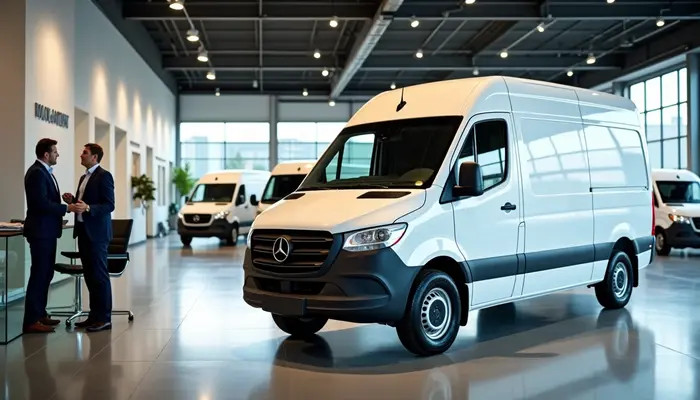
Learning about transportation solutions for your company means getting a full picture of long term van leasing. This knowledge helps you make smart business decisions. Let me walk you through the basics of this growing business vehicle solution. See van leasing deals
What is long term van leasing?
Van lease long term gives your business access to a brand-new van through monthly payments without ownership. These agreements run for 2-5 years, unlike short-term rentals. You pay to use the vehicle during its best years. See Ford van leasing
The system works just like renting property but needs a longer commitment. Your business pays an upfront rental fee to get the vehicle and makes fixed monthly payments during the contract. You return the van to the leasing company once the agreement ends. See VW van leasing
Businesses can get newer vehicles without spending big money upfront by Van Lease Long Term. Your company gets exclusive use of the vehicle while the leasing company keeps ownership. This creates a clear line between who uses and who owns the van. See Renault van lease
How does van leasing work for businesses?
The process starts with picking your van from the company’s available models. You then choose a van lease long term option that fits your needs and customise things like contract length and mileage. See van lease insurance
A credit check comes next to see if your business qualifies. After approval, you sign the papers, make your first payment, and get your van. Your monthly payments cover the van’s value loss plus interest throughout the lease. See Citroen van lease
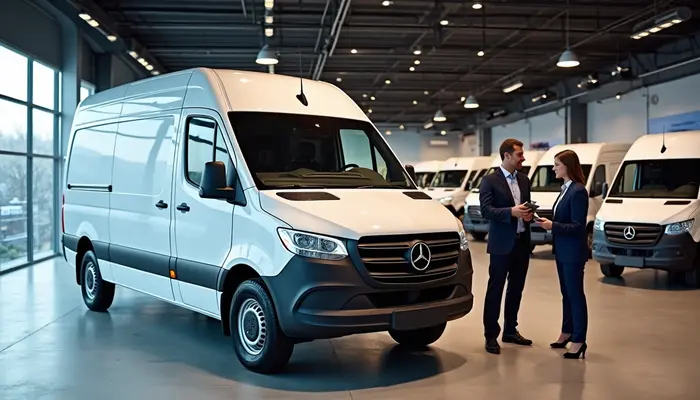
Businesses can choose from these lease options:
- Business Contract Hire (BCH) – Most businesses pick this option. You pay to use the van and give it back later. Your monthly cost depends on the van’s value, contract length and agreed mileage.
- Business Contract Purchase (BCP) – VAT-registered companies can own their vehicles while avoiding value loss risks. The van becomes yours after the final payment.
- Business Finance Lease – Spreads the cost over time and gives more freedom about the van’s condition at contract end.
- Business Lease Purchase – Great for businesses wanting ownership without big upfront costs.
Your business handles insurance, cleaning and servicing unless you add a maintenance package to your deal.
Common lease durations and terms Van Lease Long Term
UK van leasing deals usually run between 2 to 5 years. Most businesses go for 2, 3, or 4-year terms. These timeframes give stability now and flexibility later. See business van lease
Your contract needs a predicted yearly mileage with an upper limit. Finance companies usually cap this at 50,000 miles per year, and vans can’t come back with more than 180,000 total miles. Going over your agreed miles means extra charges at the end. See cheap van lease
Your monthly van lease long term costs depend on:
- Vehicle type and model
- Age of the vehicle (new or used)
- Contract duration
- Interest rates (8% to 20%)
- Your business’s credit score
- Size of initial deposit
- Added maintenance packages
Panel vans, Luton vans, and dropside vans cost £250-£350 monthly. Smaller vans run between £150-£250 per month.
Some companies offer shorter deals too. Twelve-month leases give more flexibility but cost more each month than longer deals. Mini-leases lasting 3 months exist for special business needs but come at premium rates. See commercial van leasing
The lease end brings options. You can return the van, renew the lease, upgrade to a newer model, or sometimes buy the van outright depending on your lease type.
Key Benefits of Long Term Van Leasing
A long-term van lease gives your business strategic advantages beyond just convenience. Businesses looking to streamline their operations without using up capital will see this affect their bottom line.
Fixed monthly costs and budget control van lease long term
Van lease long term changes how businesses handle their finances. Your agreement comes with fixed monthly payments that help you avoid the surprise expenses of owning a vehicle. This makes budgeting easier and helps manage cash flow better.
These structured payments protect you from inflation. Your rate stays locked in from day one, which shields your business from future price increases in the vehicle market with Van Lease Long Term. This works great for businesses that need to watch their operating margins closely.
VAT-registered businesses get extra tax benefits. You can claim back 100% of the VAT on monthly rentals if you use the van only for business. This means leasing often works out better than buying outright, and you can deduct lease payments as business expenses. See commercial vehicle lease
Access to the latest Van Lease Long Term
Vehicle technology keeps getting better. Long-term van leasing lets your business use the newest advances in safety, efficiency, and in-van tech without spending big on new purchases.
Your business can update vehicles every 2-3 years and get:
- Latest safety tech and driver assistance systems
- Advanced connectivity options that boost efficiency
- Better fuel efficiency to cut running costs
- Modern designs that make your company look professional
New models boost your company’s image. They show that you’re successful, modern, and care about safety and the environment. Your vehicles become moving advertisements instead of potential problems.
Maintenance and warranty coverage van lease long term
Maintaining vehicles costs businesses a lot of money. Most long-term lease deals include complete maintenance packages that cut down repair costs.
These maintenance contracts usually cover:
- All manufacturer-scheduled servicing requirements
- MOT tests throughout your agreement
- Replacement of worn parts (including batteries, exhausts, wiper blades and cam belts)
- Complete breakdown and roadside assistance
- Tyre repair or replacement depending on your provider
Your leased vans stay under manufacturer warranty for most or all of your lease. This means mechanical issues get fixed fast at no extra cost. Qualified technicians at approved garages keep your fleet running smoothly.
Avoiding depreciation losses van lease long term
The biggest financial plus of long-term van leasing is protection from depreciation. Bought vehicles lose value right away – usually 50-60% in the first three years.
The leasing company takes on this depreciation risk. You just pay to use the vehicle during your lease instead of losing money as soon as you drive away.
This helps even more because vans lose value faster than cars. You also skip the hassle of selling vehicles when your lease ends – just return the van to the finance company.
These benefits make long-term van leasing a smart financial choice for many businesses. Sometimes, you might spend less on a fixed-term lease than buying the same van and selling it later.
Important Lease Terms to Review
A close look at the fine print before you sign your long-term van lease agreement can save your business from surprise costs. You’ll need to understand these vital terms to avoid potential problems and keep your van lease financially sound throughout the contract.
Mileage limits and excess charges Van Lease Long Term
Van leasing agreements come with specific mileage limits that determine your monthly payments. Standard contracts let you drive between 10,000 to 30,000 miles each year. Some providers might offer higher limits if you ask. Getting the right mileage cap matters because going over can cost you extra money. See finance lease
Leasing companies set these limits because more miles reduce the van’s value. Your van becomes worth less as the miles add up, so lenders use your estimated mileage to figure out the van’s value at the end of your agreement.
Going over your limit usually costs around 10p per mile, but rates vary between providers. To name just one example, driving 5,000 miles over your limit could mean paying an extra £500 when you return the van. The good news is that your total mileage gets pooled across the whole contract instead of being split by year. This gives you more freedom in how you use your miles.
Here’s what you can do if you might go over your limit:
- Get a higher mileage allowance from the start (your monthly payments will be higher)
- Talk to your provider about changing your agreement before you hit the limit
- Remember that you might not be able to change your mileage during the first 6-12 months
Wear and tear expectations
Normal wear and tear means the usual deterioration from regular business use – not damage from accidents, neglect or misuse. Most providers follow the British Vehicle Rental and Leasing Association (BVRLA) guidelines when they check returned vehicles.
You might face end-of-lease charges for:
- Dents, scratches or paint damage beyond allowed limits
- Rips, tears or holes in the loading floor or interior lining
- Damaged grilles, bumpers or body parts
- Broken windows, lights or missing interior pieces
- Bad stains, burns or damaged upholstery
Start checking your van 10-12 weeks before returning it. This gives you time to fix any issues properly. A clean van helps during inspection since dirt can hide damage.
Your van needs to be free of all decals, stickers and company logos when you return it. Don’t forget to remove any sticky residue too, or you’ll pay extra. Make sure you have all the original equipment – keys, manuals, service records and removable parts.
Early termination clauses
Sometimes you need to end your lease early, which makes these clauses really important. Breaking your agreement usually means big financial penalties, which change based on your contract type and timing.
Contract Hire agreements, the most common type for business vans, typically charge 100% of your remaining payments if you cancel in the first year. This drops to about 50% after that. These fees exist because the leasing company made a financial commitment when they gave you the van.
Finance Lease or Lease Purchase agreements work differently. You can ask for a settlement figure and pay earlier than planned. But settling too soon often costs more than the van’s worth at that time.
Money problems? Talk to your finance provider right away instead of just ending the contract. Some companies let you extend the contract to lower monthly payments or might suggest other ways to manage costs better.
Take time to review these key terms carefully. This helps ensure your long-term van lease matches your business needs and how you work.
Financial Considerations for Your Business
The decision to buy or van lease long term a commercial vehicle can affect your business’s bottom line. You need to think about the financial implications of long term van leasing versus outright purchase.
Van lease finance vs. buying
The most noticeable difference between these two options lies in the upfront payment. Buying a van needs substantial capital or a big loan deposit. Leasing needs a smaller initial payment – about three times the monthly rental amount. This basic difference shapes how your business uses its resources.
Owning a van van lease long term lets you build equity and gives you complete control. You can customise it any way you want. Leased vans go back to the leasing company once the contract ends. Some agreements might let you buy the van later based on the lease type.
Buying costs less if you plan to keep the van for many years. The math changes when you factor in depreciation – new vans lose up to 50% of their value in three years. Leasing shifts this depreciation risk to the finance provider.
Tax benefits and VAT implications Van Lease Long Term
Tax treatment is different between van lease long term and buying. Businesses using Contract Hire leases can fully deduct rental payments as expenses in profit and loss accounts. VAT-registered businesses can reclaim 100% of the VAT on lease payments for vans used only for business.
Mixed-use vans follow proportional VAT reclaims. A van with 80% business mileage lets you reclaim 80% of the VAT. This option offers better tax efficiency than outright purchases.
Finance Lease arrangements let you offset interest charges against yearly profits. The van becomes a fixed asset. You can claim annual depreciation charges and lease interest as tax deductions.
Lease agreements with maintenance packages count as tax-deductible business expenses. This adds more financial benefits beyond regular lease payments.
Cash flow and capital preservation
Long term van leasing helps your cash flow. Fixed monthly payments make van lease long term expenses predictable and help with budgeting. Businesses with tight margins or seasonal income find this predictability valuable.
Your working capital stays free for essential business activities since you avoid large upfront costs:
- Market expansion opportunities
- Staff recruitment and development
- Inventory investments
- Marketing initiatives
- Emergency funds
Leasing works as off-balance sheet financing for many businesses. Leased vehicles don’t show up as assets under certain lease types. This keeps your company balance sheet clean and might improve financial ratios that matter to lenders and investors.
The contract’s end brings another advantage. You can simply return the vehicle without worrying about selling it. This saves time and money, especially if you don’t have dedicated fleet management resources.
The choice between leasing and buying depends on your business needs, financial position, and expected vehicle use. Many operations find long term van leasing offers both financial flexibility and reliable operations.
End-of-Lease Options and What to Expect
The final phase of your long-term van lease agreement needs careful attention to avoid wasting time and money. Let’s get into what happens during this crucial period and learn about the options your business can choose from.
Returning the van: inspection and documentation
When your lease ends, the finance company will arrange to collect your van from your business location. A smart move is to get a full picture 10-12 weeks before collection. This gives you time to fix any problems that might cost you money.
The collection driver will do an original assessment and note any visible damage, but this isn’t the final check. You’ll need to have ready:
- All vehicle keys including masters
- Fully stamped service history
- Valid MOT certificate (if applicable)
- Operation manual
- Vehicle V5 document (where applicable)
- Any emergency equipment supplied originally
Your van will go through a detailed inspection based on British Vehicle Rental and Leasing Association (BVRLA) fair wear and tear standards. Small scratches and dents usually pass the test, but damage beyond industry guidelines will lead to repair charges.
Renewing or upgrading your lease
After your lease ends, you can’t renew the exact same agreement, but you have several other choices. A new lease on a different vehicle will give your business access to modern vans.
You might also want to look at:
- Formal extension – A new fixed-term agreement (usually 6-12 months) with possible changes to rental costs and mileage allowance
- Informal extension – A month-to-month arrangement without a formal agreement, though the finance company can ask for the van back anytime
Buying the van at lease end
Your original van lease long term type determines your purchase options. Contract Hire doesn’t include a purchase option – you just return the vehicle. Finance Lease agreements offer more choices: you can sell the van (and get 97.5% of proceeds), extend the lease, or arrange ownership.
Contract Purchase agreements of van lease long term let you either return the van or make a final “balloon payment” to own it. This set amount, also called Generated Future Value (GFV), matches the van’s estimated residual value.
Planning ahead will give you a smooth transition whether you stick with leasing or try different options for your business transportation needs.
Tips to Maximise Your Van Leasing Experience
Getting the most value from your long-term lease van needs smart planning that goes beyond the initial contract signing. Here are practical ways to maximise your agreement’s benefits.
Customising your van for business needs
You can modify a leased van with your leasing company’s approval. Most companies know businesses need to customise their vehicles. Once you get written permission, you can add:
- Interior shelving and racks to organise tools
- Your company’s branding on exterior panels
- Security systems with alarms and GPS tracking
- Roof racks and ladder mounts for extra storage
- Better interior lighting to see clearly
Remember to document every change you make. The van must return to its original state before you hand it back to avoid extra fees. Vinyl wraps or magnetic signs work best for branding since they peel off cleanly when the lease ends.
Scheduling regular check-ins with the provider
A strong relationship with your leasing provider will help throughout your contract term. Set up calendar alerts for lease renewal dates so you don’t face gaps between contracts. Fleet management software can track your vehicle’s performance and maintenance needs effectively.
Regular quarterly reviews of contract terms and vehicle condition show you’re a responsible tenant. These conversations help spot problems before they get pricey.
Understanding residual value and insurance options
Your van’s residual value – what it should be worth when the lease ends – shapes your monthly payments. A higher residual value usually means lower monthly costs because you finance less of the vehicle’s total value.
Van lease long term need comprehensive insurance coverage. Your business must appear as the main policyholder or named driver on the insurance certificate. Make sure your policy covers business use – personal coverage won’t protect commercial activities.
Take time to compare different insurance options for van lease long term. Look for providers who offer fixed premiums during your lease instead of just picking the cheapest plan.
Conclusion Van Lease Long Term
Long term van leasing gives businesses significant advantages when they need economical transportation solutions that preserve capital. We’ve explained the basic workings of lease arrangements that provide predictable finances with fixed monthly payments. It also helps companies avoid depreciation costs, get access to newer vehicles, and receive detailed maintenance packages. These benefits make leasing an attractive option for growing businesses.
Smart businesses should review mileage limits, wear and tear policies, and early termination clauses carefully before signing any lease agreement. Your company’s operational needs deserve attention too. The tax implications and effects on cash flow need comparison with buying vehicles outright.
The right van leasing approach can change your business’s logistics and free up important capital for core activities. Your unique business situation will determine whether Contract Hire, Finance Lease, or another option works best. Take time to research providers well. Understanding contract terms fully and planning ahead for the lease duration and end are crucial steps.
Van leasing goes beyond a simple financial deal – it’s a business choice that impacts your operations, brand image, and profits daily. This piece gave an explanation of everything you need to know about choosing the perfect long term van lease that fits your business needs in 2025 and beyond.
FAQs Van Lease Long Term
Q1. What are the main advantages of long-term van leasing for businesses? Long-term van leasing offers fixed monthly costs for better budget control, access to the latest van models, included maintenance and warranty coverage, and protection from depreciation losses. This allows businesses to manage their fleet expenses more effectively while using modern, reliable vehicles.
Q2. How does the mileage limit work in a van lease agreement? Most van lease agreements include annual mileage limits, typically ranging from 10,000 to 30,000 miles. Exceeding this limit usually incurs additional charges, often around 10p per extra mile. It’s crucial to estimate your business’s mileage needs accurately to avoid unexpected costs at the end of the lease term.
Q3. Can I customise a leased van for my business needs? Yes, most leasing companies allow customisation with prior approval. You can typically add interior shelving, company branding, security systems, and roof racks. However, it’s important to document all modifications and restore the van to its original condition before returning it to avoid additional charges.
Q4. What happens at the end of a van lease agreement? At the end of the lease, you generally have three options: return the van, renew or upgrade your lease with a new vehicle, or in some cases, purchase the van outright. The specific options available depend on your original lease type. It’s important to plan ahead for a smooth transition at the end of your lease term.
Q5. How does van leasing compare to buying in terms of tax benefits? Van leasing often offers significant tax advantages. For businesses using Contract Hire leases, rental payments are fully tax-deductible expenses. VAT-registered companies can typically reclaim 100% of the VAT on lease payments when the van is used exclusively for business purposes. These tax benefits can make leasing more financially attractive than outright purchase for many businesses.