 Call us on
Van Lease Insurance
Van Lease Insurance
When it comes to leasing a van for your business or personal needs, van lease insurance is a crucial aspect that can’t be overlooked. We understand that navigating the world of insurance can be daunting, especially when it comes to leased vehicles. That’s why we’ve put together this comprehensive guide to help you understand everything you need to know about van lease insurance and make informed decisions. Source
In this article, we’ll cover the basics of van lease insurance, including what it is and why it’s important. We’ll also explore the factors that have an influence on insurance costs, such as the type of van, its usage, and your driving history. Additionally, we’ll provide tips on how to choose the right insurance policy for your leased van, ensuring you get the coverage you need without breaking the bank. By the end of this guide, you’ll have a clear understanding of van lease insurance and be well-equipped to make the best choice for your situation. See cheap van insurance
Understanding Van Lease Insurance Basics
When we lease a van, it’s crucial to understand the ins and outs of van lease insurance. This knowledge helps us make informed decisions and ensures we have the right coverage for our needs. Let’s dive into the basics of van lease insurance, including the types available, legal requirements, and coverage options. See Insurance For Modified Vans
Types of Van Lease Insurance
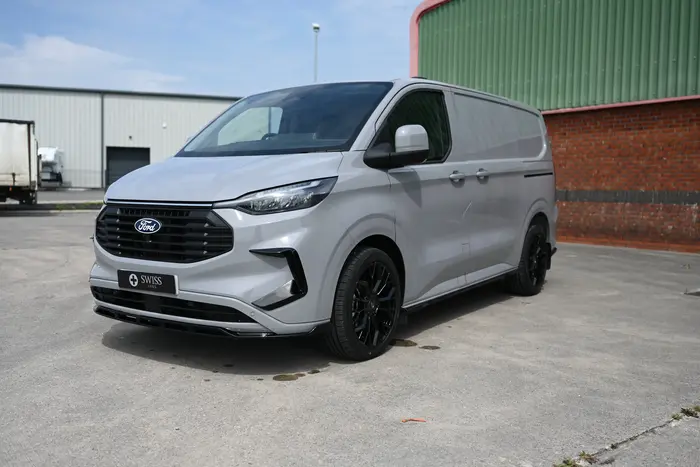
There are several types of van lease insurance to consider:
- Comprehensive Insurance: This is the most complete form of cover available. It protects our leased van against damage, theft, and accidents, whether they’re our fault or not. Comprehensive insurance also covers medical expenses for us, our passengers, and third parties involved in an accident. It’s the preferred choice for many leasing companies and offers peace of mind.
- Third-Party Insurance: This is the minimum legal requirement for driving a van in the UK. It covers damage to other people’s vehicles or property but doesn’t protect our leased van. While it’s often cheaper, most leasing contracts require more extensive coverage.
- Third-Party, Fire, and Theft: This policy provides the basic third-party cover, with added protection if our van is stolen or damaged by fire. It’s a middle-ground option between third-party and comprehensive insurance.
- Commercial Van Insurance: If we’re using our leased van for work, we’ll need this type of insurance. It covers us for moving tools and equipment between job sites and allows for additional drivers if needed. See What is Gap Insurance and How Does It Work?

Legal Requirements Van Lease Insurance
When it comes to van lease insurance, there are some legal requirements we must follow:
- Minimum Coverage: By law, we need at least third-party insurance to drive any vehicle on the road in the UK. However, most leasing companies require fully comprehensive insurance for their vans.
- Proper Documentation: We must provide proof of insurance before taking delivery of our leased van. The certificate should show our company name (if applicable), the van’s registration number, and be dated before or on the delivery date.
- Continuous Coverage: Our leased van needs to be insured throughout the entire lease period. Driving without insurance is illegal and can result in fines, vehicle impoundment, and even jail time.
- Named Driver: The person obtaining the lease finance must be either the main policyholder or a named driver on the insurance certificate.
Coverage Options Van Lease Insurance
When choosing van lease insurance, we have several coverage options to consider:
- Fully Comprehensive: This offers the most extensive protection, covering our van, other vehicles, and property damage. It often includes extras like windscreen repair and courtesy vehicles.
- Goods in Transit: If we’re using our leased van for deliveries or transporting valuable items, this additional coverage protects the contents of our van.
- Courier Insurance: For those in the delivery business, this specialized policy covers both the parcels being delivered and the courier themselves.
- Fleet Insurance: If we’re leasing multiple vans for our business, fleet insurance can provide coverage for all vehicles under one policy, potentially saving us money.
- Temporary Insurance: This option allows us to increase our coverage for short periods or add additional drivers temporarily.
When selecting our van lease insurance, it’s essential to consider our specific needs and usage. We should compare rates between providers and check the insurance group of the van we’re leasing, as more powerful or expensive vehicles often cost more to insure. See
Remember, while it might be tempting to opt for the cheapest insurance, it’s crucial to ensure we have adequate coverage. A reputable insurance provider with reasonable terms and conditions will give us peace of mind and protect us if the worst happens.
By understanding these van lease insurance basics, we’re better equipped to choose the right policy for our needs, ensuring we’re legally compliant and adequately protected throughout our lease period. See Can I Drive a Van on My Car Insurance?
Factors Affecting Van Lease Insurance Costs
When we’re looking into van lease insurance, it’s crucial to understand the factors that have an influence on the costs. By grasping these elements, we can make informed decisions and potentially find ways to reduce our premiums. Let’s explore the key factors that insurance providers consider when determining the cost of van lease insurance. See Why Is Van Insurance So Expensive ?
Vehicle Type and Value Van Lease Insurance
The type and value of the leased van play a significant role in determining insurance costs. More expensive and powerful vehicles typically fall into higher insurance groups, resulting in higher premiums. When we’re choosing a van to lease, it’s a good idea to check the vehicle’s insurance group beforehand. This step has an impact on helping us anticipate potential insurance expenses.
Different types of vans have varying repair costs and performance, which could have an influence on our van insurance costs. For example, panel vans are among the most common types and tend to have relatively low repair costs compared to more specialized body types. On the other hand, refrigerated vans or car transporter vans might have higher insurance costs due to their specialized nature and potential repair expenses.
Driver’s History Van Lease Insurance
Our driving history has a substantial influence on van lease insurance costs. Insurance providers consider several aspects when evaluating our risk profile:
• Age: Younger drivers, especially those under 25, often face higher premiums due to their perceived lack of experience. Data shows that under-25s pay a median of £1,198 annually for van insurance, while drivers aged 25 to 49 pay less than half that amount at £572.
• Driving record: A clean driving record typically leads to lower insurance costs. Conversely, convictions or accidents can result in higher premiums. Insurance companies use various methods to assess our driving record and calculate premiums, including statistical models to predict the likelihood of future claims based on our past behavior.
• Occupation: Some jobs are viewed as riskier than others by insurers. For example, retired van drivers tend to have cheaper premiums (around £322) compared to active painters (£464), plumbers (£521), and other tradespeople.
Usage and Mileage Van Lease Insurance
How we use the van and our annual mileage have a significant impact on insurance costs:
• Purpose of use: Vans used for social purposes or carriage of own goods are generally cheaper to insure than those used for business purposes. Social use-only vans cost around £405 to insure, while vans used for haulage cost £1,205, and those carrying goods for hire or reward can reach £1,511.
• Annual mileage: Higher mileage often leads to higher premiums as it increases the risk of accidents. Van drivers with an annual mileage of up to 6,000 paid a median of £406, while those with mileage up to 10,000 paid £505. It’s important to be as accurate as possible when estimating our annual mileage to get the best price possible.
• Overnight location: Where the van is kept overnight affects the premium. Factors considered include the number of road accidents in the area, amount of traffic on nearby roads, and reported crime and vandalism in the vicinity. Keeping the van in a secure locked compound rather than on the road can potentially lower our premiums.
Understanding these factors has an influence on helping us make informed decisions about our van lease insurance coverage and potentially reduce our premiums. By considering the type of van we lease, maintaining a clean driving record, and being mindful of our usage and mileage, we can work towards finding the most cost-effective insurance solution for our leased van.
How to Choose the Right Van Lease Insurance
When it comes to van lease insurance, making the right choice is crucial for our peace of mind and financial protection. Let’s explore the key steps to ensure we select the most suitable insurance policy for our leased van.
Assessing Your Needs
To begin, we need to carefully evaluate our specific requirements. The type of van lease insurance we choose depends on how we plan to use our vehicle. If we’re using the van for business purposes, we’ll need commercial vehicle insurance. This covers us for moving tools and equipment between job sites and allows for additional drivers if needed.
It’s important to note that most van leasing contracts require fully comprehensive insurance. This provides the greatest level of cover for our leased vehicle, protecting it against damage, theft, and accidents, whether they’re our fault or not.
We should also consider any additional coverage we might need. For instance, if we’re using our leased van for deliveries, we might want to add goods-in-transit insurance to protect the contents of our van. Similarly, if we’re leasing multiple vans for our business, fleet insurance could be a cost-effective option.
Comparing Providers
Once we’ve determined our needs, it’s time to compare van insurance quotes from different providers. This step is crucial in finding the best deal possible. However, it’s important to remember that the cheapest option isn’t always the best. We need to balance cost with the level of coverage provided.
When comparing providers, we should look at several factors:
• Insurance groups: Check the insurance group of the van we’re leasing. More powerful or expensive vehicles often cost more to insure. See van finance lease
• Rates: Compare rates between providers, but don’t just focus on the monthly premium. Consider the total cost over the lease period.
• Additional benefits: Some providers offer extras like windscreen repair or courtesy vehicles. These can be valuable additions to our policy. See Van PCP
• Payment options: If possible, paying annually rather than monthly can often work out cheaper.
Reading the Fine Print
Before finalizing our van lease insurance, it’s crucial that we carefully read and understand the terms and conditions of the policy. This step is often overlooked but can save us from unexpected costs and disappointments down the line. See van hire purchase
Here are some key points to look out for:
• Coverage limits: Understand exactly what is and isn’t covered by the policy.
• Excess amounts: Check both the compulsory and voluntary excess. A higher voluntary excess can lower our premium, but we need to ensure we can afford it if we need to make a claim.
• Mileage restrictions: Ensure the policy aligns with our lease agreement’s mileage limit.
• Named drivers: If other people will be driving the van, make sure they’re properly covered.
• Claims process: Understand how to make a claim and what documentation we’ll need.
By thoroughly assessing our needs, comparing providers, and carefully reading the fine print, we can choose the right van lease insurance that provides the coverage we need at a price we can afford. Remember, the goal is to find a policy that offers comprehensive protection for our leased van, giving us peace of mind throughout our lease period. See van contract hire
Conclusion Van Lease Insurance
Van lease insurance plays a crucial role in protecting our investment and ensuring peace of mind while operating a leased vehicle. By understanding the basics, factors affecting costs, and how to choose the right coverage, we’re better equipped to make informed decisions. This knowledge has an influence on helping us navigate the complexities of insurance and find a policy that meets our specific needs and budget. See van personal lease
To wrap up, van lease insurance is more than just a legal requirement; it’s a vital aspect of responsible vehicle management. By taking the time to compare providers, assess our needs, and carefully review policy details, we can secure comprehensive coverage that safeguards our leased van and our financial interests. Remember, the goal is to find a balance between cost and protection, ensuring we’re well-covered throughout our lease period. See van lease long term
FAQs Van Lease Insurance
1. Is insurance included when leasing a van?
When leasing a van, it is crucial to ensure it is insured. While some leasing agreements may include insurance, others might not, necessitating that you arrange insurance independently.
2. Can I use my van insurance to drive another van?
Your van insurance typically covers only the van specified in the policy. This means you cannot drive another person’s van under your current van insurance policy.
3. What are the implications of damaging a leased van?
If you damage a leased van, the financial implications depend on the severity of the damage. For minor damages, you may need to file a claim with your insurance provider and pay any applicable excess fees as per your policy.
4. What type of insurance is required for a van not used for business purposes?
If your van is not used for business activities, including commuting, you must obtain a private van insurance policy. It’s a common misconception that commercial van insurance is only necessary for self-employed individuals using their van for trade purposes