 Call us on
VW Crafter Lease vs. Finance: Which Option Is Right for Your Business?
When it comes to acquiring a commercial vehicle, businesses often grapple with the decision between leasing and financing. The VW Crafter, a popular choice for many companies, presents this very dilemma. Understanding the nuances of VW Crafter finance options and leasing deals is crucial to making an informed decision that aligns with a company’s financial strategy and operational needs. Source
This article aims to explore the key differences between leasing and financing a VW Crafter for business purposes. It will delve into the various finance such as Ford Transit Custom Finance options available, including hire purchase and van finance through different finance companies. Additionally, it will examine the benefits and drawbacks of business leasing deals, comparing costs and considering factors such as flexibility and control. By the end, readers will have a clearer picture to help them determine which option best suits their personal business requirements.
Understanding VW Crafter Lease Options
The VW Crafter, a versatile and robust commercial vehicle, offers businesses a range of leasing options to suit their specific needs. Leasing a VW Crafter has an influence on a company’s financial strategy and operational flexibility. This section explores the various lease types available, the benefits of leasing a VW Crafter, and potential drawbacks to consider.
Types of Leases Available
VW Crafter lease options typically fall into two main categories: Finance Lease and Operating Lease. Each type has its own characteristics and advantages.
Finance Lease: This option gives businesses the opportunity to lease a VW Crafter for a set period while potentially benefiting from its sale at the end of the agreement. There are two subtypes of Finance Lease:
- Full Pay Out: This option splits the total cost evenly over the term of the agreement. At the end of the lease, businesses can either enter a secondary rental period or sell the vehicle on behalf of Volkswagen Commercial Vehicle Financial Services to a selected third party and receive a percentage of the sales proceeds.
- Balloon Payment: This type offers lower monthly payments by deferring a portion of the repayment to the end of the agreement. At the conclusion of the lease, businesses can either sell the vehicle to settle the balloon payment or pay the balloon amount and enter a secondary rental period.
Operating Lease: While not explicitly mentioned in the provided information, this is another common option where businesses pay to use the vehicle for a specified period without the responsibility of ownership.
Benefits of Leasing a VW Crafter
Leasing a VW Crafter has several advantages for businesses:
- Flexibility: Leasing allows companies to adapt their vehicle fleet to changing needs without the long-term commitment of ownership.
- Lower Upfront Costs: Compared to purchasing, leasing typically requires lower initial expenditure, freeing up capital for other business expenses.
- Access to Newer Models: Leasing enables businesses to regularly upgrade their vehicles, ensuring access to the latest features and technologies.
- Tax Benefits: For business customers, there are potential tax advantages associated with leasing, particularly with Finance Lease options.
- Customization Options: The VW Crafter offers various configurations, including different wheelbases, load lengths, roof heights, and weights, allowing businesses to choose a model that best suits their requirements.
- Advanced Features: The Crafter comes equipped with state-of-the-art technology and safety features, enhancing both comfort and efficiency for drivers.
- Variety of Drivetrain Options: Businesses can choose from front-wheel drive, rear-wheel drive, or 4MOTION all-wheel drive systems, as well as manual or automatic transmissions.
Potential Drawbacks of Leasing
While leasing a VW Crafter offers numerous benefits, there are also some potential drawbacks to consider:
- Lack of Ownership: With a lease, the business does not own the vehicle at the end of the agreement unless a purchase option is exercised.
- Mileage Restrictions: Some lease agreements may have mileage limits, which could result in additional fees if exceeded.
- Long-Term Cost: Over an extended period, leasing may be more expensive than purchasing a vehicle outright.
- Responsibility for Sale: In some Finance Lease agreements, the lessee has the responsibility to sell the vehicle at the end of the term, which may be an additional task for the business.
- Potential for Additional Fees: Depending on the agreement, there may be charges for excessive wear and tear or early termination of the lease.
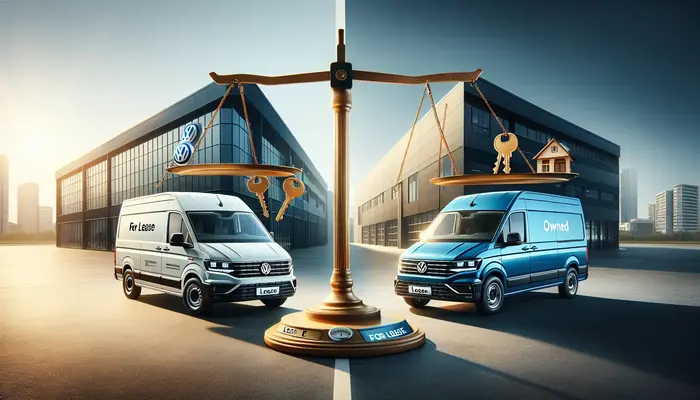
VW Crafter Finance
By understanding these lease options, benefits, and potential drawbacks, businesses can make an informed decision about whether leasing a VW Crafter aligns with their financial and operational goals. The choice between different lease types and configurations allows companies to tailor their vehicle solution to their specific needs, whether they require a short-term solution or a longer-term commitment with the possibility of benefiting from the vehicle’s resale value.
Exploring VW Crafter Finance Options
When it comes to acquiring a VW Crafter for business purposes, there are several finance options available. These options provide flexibility and choice for businesses looking to invest in this versatile commercial vehicle.

Types of Financing Available
VW Crafter finance options include:
- Cash Payment: This straightforward option allows businesses to purchase the vehicle outright by paying the full amount upfront.
- Personal Contract Purchase (PCP): With this option, customers make an initial deposit followed by monthly payments over an agreed contract period. At the end of the contract, they can choose to pay to own the vehicle or return it without further obligation.
- Hire Purchase: This option is suitable for businesses looking to own the vehicle while spreading the costs monthly. Over an agreed period, monthly payments are made with interest accrued.
- Finance Lease: This involves leasing the vehicle for an agreed period with fixed monthly payments. At the end of the lease term, businesses have the option to extend the lease, return the van, or purchase it at the residual value.
- Contract Hire: This option is based on a fixed-term agreement, typically with a set mileage limit. It involves monthly rentals and an initial payment, with no ownership option at the end of the term.
Advantages of Financing a VW Crafter
Financing a VW Crafter has several benefits for businesses:
- Flexibility: Various finance options cater to different business needs and financial situations.
- Cash Flow Management: Options like PCP and Hire Purchase allow businesses to spread the cost over time, helping with cash flow management.
- Tax Benefits: Depending on the finance option chosen, there may be tax advantages for businesses.
- Access to Newer Models: Some finance options make it easier for businesses to upgrade to newer models regularly.
- Customization: The VW Crafter offers various configurations, allowing businesses to choose a model that best suits their requirements.
- Advanced Features: Financing can make it more affordable to access a Crafter with state-of-the-art technology and safety features.
- Variety of Drivetrain Options: Businesses can choose from different drive systems and transmissions to suit their operational needs.
Potential Disadvantages of Financing
While financing a VW Crafter offers numerous advantages, there are also some potential drawbacks to consider:
- Long-term Cost: Over an extended period, financing may be more expensive than purchasing a vehicle outright due to interest charges.
- Commitment: Most finance options involve a long-term commitment, which may not suit businesses with rapidly changing needs.
- Mileage Restrictions: Some finance agreements, particularly Contract Hire, may have mileage limits that could result in additional fees if exceeded.
- Ownership Limitations: With options like Contract Hire, the business does not own the vehicle at the end of the agreement.
- Early Termination Fees: Ending a finance agreement early may result in additional charges.
- Responsibility for Sale: In some Finance Lease agreements, the lessee has the responsibility to sell the vehicle at the end of the term.
- Credit Requirements: Businesses may need to meet certain credit criteria to qualify for some finance options.
By understanding these finance options, advantages, and potential drawbacks, businesses can make an informed decision about how to acquire a VW Crafter. The choice between different financing types allows companies to tailor their vehicle solution to their specific financial and operational goals, whether they require a short-term solution or a longer-term investment in their commercial fleet.
Comparing Costs: Lease vs. Finance
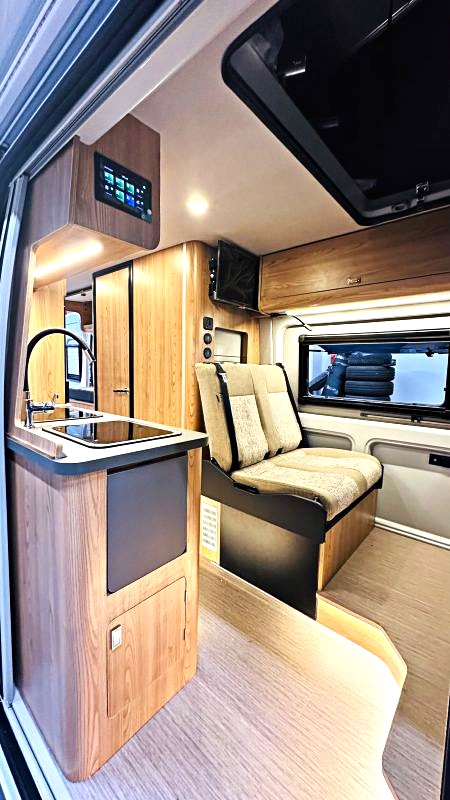
When considering whether to lease or finance a VW Crafter interior , businesses need to carefully evaluate the financial implications of each option. This comparison focuses on the initial costs, monthly payments, and total cost of ownership associated with leasing and financing.
Initial Costs
The upfront expenses for leasing and financing a VW Crafter for sale differ significantly. Leasing typically requires a lower initial outlay compared to financing. For instance, a Business Contract Hire (BCH) agreement usually asks for an initial rental, which is equivalent to 3 to 12 monthly payments. This deposit is paid in the first month of the agreement.
On the other hand, financing through options like Hire Purchase often demands a larger upfront payment. For example, a representative Hire Purchase agreement for a VW Crafter lease dealsmight require a customer deposit of £21,756.86 on a vehicle with an on-the-road retail cash price of £52,704.00.
Monthly Payments VW Crafter Finance
Monthly payments also vary between leasing and financing options. Leasing generally offers lower monthly payments compared to financing, as the lessee is only paying for the depreciation of the vehicle over the lease term, not its full value.
For instance, a Business Contract Hire example shows monthly rentals of £569.00 for a VW Crafter over a 36-month term with an annual mileage limit of 10,000 miles. In contrast, a Hire Purchase agreement might involve higher monthly payments. The example provided shows 47 monthly payments of £629.00 over a 48-month term.
It’s worth noting that Finance Lease agreements typically offer even lower monthly payments than Business Contract Hire. This is because a portion of the leasing cost is included in the balloon payment at the end of the term.
Total Cost of Ownership
When evaluating the total cost of ownership, businesses need to consider several factors beyond just the monthly payments.
- Depreciation: With leasing, the depreciation risk is borne by the leasing company, which is factored into the monthly payments. When financing, the business assumes the depreciation risk, which can have an influence on the vehicle’s resale value.
- Maintenance and Repairs: Lease agreements often include maintenance packages, potentially reducing unexpected costs. Financed vehicles may require separate budgeting for maintenance and repairs.
- Fuel Efficiency: The VW Crafter’s fuel efficiency can affect long-term costs. Some models offer combined fuel consumption figures as low as 34mpg with CO2 outputs from 217g/km, which can result in significant savings over time.
- End-of-Term Costs: With Business Contract Hire, the vehicle is returned at the end of the term, potentially incurring charges for excess mileage or damage. Finance Lease agreements require the business to sell the van to a third party to cover the balloon payment, with the possibility of keeping any profit if the sale price exceeds the balloon payment.
- Tax Implications: Both leasing and financing may offer tax benefits, but these can vary depending on the specific agreement and the business’s financial situation.
- Flexibility: Leasing offers the flexibility to upgrade to newer models more frequently, which can have an influence on long-term costs and operational efficiency.
When comparing the total cost of ownership, businesses should consider their specific needs, cash flow requirements, and long-term financial goals. While leasing may offer lower upfront and monthly costs, financing provides the opportunity for ownership and potential long-term savings if the vehicle is well-maintained and retains its value.
Business Considerations for Lease vs. Finance
Tax Implications
When deciding between leasing and financing a VW Crafter, businesses must consider the tax implications of each option. Both methods offer tax benefits, but they differ in nature and timing.
For leasing, companies can often claim back a portion of the VAT on lease payments. Additionally, lease costs are typically considered an allowable business expense, which can be deducted from taxable profits. This has an influence on the overall financial position and cash flow of the company.
In the case of financing, tax relief is available through capital allowances. The rates for capital allowances vary depending on the type of vehicle and its CO2 emissions. For commercial vehicles like the VW Crafter, businesses can claim 100% of the qualifying cost as part of the Annual Investment Allowance. This allows for immediate tax deduction in the year of purchase, even if the vehicle hasn’t been fully paid for yet.
It’s important to note that for cars with CO2 emissions exceeding 130 grams/km, only 85% of the leasing costs are tax-deductible. This restriction doesn’t apply to commercial vehicles like the VW Crafter.
Accounting Treatment
The accounting treatment for leased and financed vehicles differs significantly. Under a finance lease, the van should be capitalized at cost and depreciated. If the business is not VAT registered, the VAT-inclusive amount should be capitalized. The credit entry will be to finance lease payable.
For financed vehicles, businesses typically capitalize the full value of the van (net if VAT registered, gross if not), with a credit to Hire Purchase as a creditor on the balance sheet. Repayments go against the creditor, and the interest charged in the year is posted as a debit to the profit and loss account.
It’s worth noting that under a finance lease, the lessee does not get to claim capital allowances as there is usually no option to purchase. Instead, for tax purposes, the client claims a deduction for the interest charge and the capital element equal to the accounting depreciation.
Impact on Cash Flow VW Crafter Finance
The choice between leasing and financing a VW Crafter has a significant impact on a company’s cash flow. Leasing typically involves lower upfront costs compared to financing, which can free up capital for other essential business expenses or investments.
Leasing offers fixed monthly payments, making it easier for businesses to budget and manage their cash flow. These predictable expenses allow for more effective financial planning. Additionally, lease agreements often include comprehensive warranty coverage and scheduled maintenance, which can help minimize unexpected repair costs and lead to more predictable cash flow.
On the other hand, financing through options like Hire Purchase often demands a larger upfront payment. While this may strain immediate cash flow, it provides the opportunity for ownership and potential long-term savings if the vehicle retains its value well.
When considering cash flow, businesses should also factor in the potential for selling the vehicle at the end of the agreement. With some lease types, such as Finance Lease, there’s a possibility of selling the van at a price higher than the balloon payment, allowing the business to keep the difference. However, this also means bearing the risk of market value fluctuations.
Ultimately, the decision between leasing and financing a VW Crafter should be based on a careful evaluation of the business’s financial health, operational requirements, and long-term goals. Both options have their merits and drawbacks, and what works best will depend on the specific needs and circumstances of each business.
Flexibility and Control: Lease vs. Finance
When considering a VW Crafter for business purposes, the choice between leasing and financing has an influence on the level of flexibility and control a company has over its vehicle. Both options offer distinct advantages and considerations that businesses need to evaluate based on their specific needs and long-term goals.
Vehicle Customization Options VW Crafter Finance
Leasing a Volkswagen Crafter provides businesses with the opportunity to customize their vehicle to suit specific operational requirements. Lessees can opt for additional features such as a heated windscreen, 270-degree opening rear doors, or a rear-view camera. These add-ons are designed to enhance comfort and functionality, making the Crafter an even more appealing choice for diverse business needs.
However, it’s important to note that extensive customization might pose challenges when it comes to selling the vehicle at the end of a finance lease agreement. With a finance lease, businesses are required to sell the vehicle to a non-financially related third party at some point during the agreement. Having bespoke equipment fitted to the van might make it more difficult to sell, which is a factor to consider when deciding on customization options.
In contrast, financing through options like Hire Purchase offers more freedom in terms of customization. Since the business will own the vehicle outright at the end of the agreement, there are fewer restrictions on modifications and specialized equipment installations.
Mileage Restrictions VW Crafter Finance
Mileage allowance plays a crucial role in vehicle leases, including those for the VW Crafter. Lease agreements typically come with annual mileage limits, which help protect the residual value of the vehicle and allow leasing companies to manage their risk effectively. These limits are used to calculate monthly payments and determine potential excess mileage charges.
When leasing a VW Crafter, businesses have the flexibility to choose their mileage allowance, with a minimum requirement of 5,000 miles per year set by most funders. It’s crucial for companies to select a realistic figure that aligns with their operational needs. While there’s no set maximum limit, most finance companies won’t agree to more than 50,000 miles per year or 180,000 over the entire agreement.
Financing options like Hire Purchase, on the other hand, do not impose mileage restrictions. This gives businesses complete freedom in terms of vehicle usage without the concern of incurring additional charges for exceeding mileage limits.
End-of-Term Options VW Crafter Finance
The end-of-term options differ significantly between leasing and financing, offering varying degrees of flexibility and control.
With a finance lease, businesses have multiple options at the end of the contract. They can choose to sell the vehicle on behalf of Volkswagen Financial Services to a selected third party and use the funds to settle the final ‘balloon’ repayment. If the proceeds from the sale exceed the balloon payment, the business gets to share in the reward. Alternatively, they can settle the ‘balloon’ repayment without selling the vehicle and enter into a secondary rental period, known as a peppercorn rental, which can last up to three years.
Contract Hire agreements, another form of leasing, are more straightforward. At the end of the agreement, the business simply hands the vehicle back, subject to fair wear and tear and excess mileage charges.
Financing options like Hire Purchase offer the most control at the end of the term. Once all repayments have been made, including the option to purchase fee, the business owns the vehicle outright. This gives companies complete freedom to keep, sell, or trade in the vehicle as they see fit.
Conclusion VW Crafter Finance
The decision between leasing and financing a VW Crafter has a significant influence on a company’s financial strategy and operational flexibility. Both options offer unique advantages and potential drawbacks that businesses must carefully weigh against their specific needs and long-term goals. From tax implications and accounting treatments to customization options and end-of-term choices, each approach presents distinct considerations that can shape a company’s vehicle management strategy.
Ultimately, the right choice depends on a business’s individual circumstances, including cash flow requirements, operational needs, and future plans. Whether opting for the lower upfront costs and flexibility of leasing or the long-term ownership and potential savings of financing, companies should thoroughly assess their situation to make an informed decision. By carefully considering all aspects, businesses can select the option that best aligns with their objectives and helps drive their success in the competitive commercial landscape.
FAQs
Is leasing a car through my business a beneficial option?
Yes, leasing a car through your business can be advantageous, especially if you prefer driving a new vehicle every few years while keeping your cash flow intact. Additionally, it allows you to potentially reclaim up to 100% of your VAT costs and benefit from lower company car tax rates.
Can my business finance a van?
Yes, your business can finance a van using options like Hire Purchase or Finance Lease. These options are available for most types of new or used vans, provided they meet certain qualifying criteria.
Is leasing a van a financially sound decision for my business?
Leasing a van can be a financially prudent decision for your business as it generally involves lower monthly payments compared to buying a van outright. This arrangement can help improve your business’s cash flow by spreading the cost over time.
What are the main differences between a finance lease and contract hire?
The key difference between a finance lease and contract hire lies in the end-of-term options. In a finance lease, the lessee does not have the option to purchase the asset at the end of the lease but can sell the asset potentially for a profit against any remaining balloon payment. In contrast, contract hire agreements usually provide options to either return the asset or extend the lease.