 Call us on
Small Van No Deposit Leasing
For small businesses looking to expand their operations, a small van lease no deposit option can be an attractive solution. This affordable alternative to buying a vehicle outright allows companies to allocate funds more flexibly while still gaining access to essential transportation. Many entrepreneurs are discovering that this approach offers a practical way to meet their logistics needs without tying up significant capital.
No deposit van leasing has gained popularity among various industries, from delivery services to mobile repair businesses. It provides an opportunity to acquire a van for immediate use without the need for a large upfront payment. This article will explore the concept of no deposit small van lease offers, its benefits and potential drawbacks, how to determine if it’s suitable for your business, and tips to choose the right lease agreement. By understanding these aspects, business owners can make an informed decision about whether this financing option aligns with their goals and financial situation. Source
Small Van Lease No Deposit
Zero Upfront Van Deals
No deposit small van leasing is a financing option that allows businesses to lease a van without making a large upfront payment. This affordable alternative to buying a vehicle outright enables companies to access new vans while spreading the cost over a fixed period. With a small van lease no deposit, businesses can allocate funds more flexibly and acquire essential transportation for their operations. See all vans for lease
How it Works
The process of no deposit small van leasing is straightforward. Businesses choose a van they want to lease and agree on the lease term, typically ranging from 24 to 60 months. Instead of paying a substantial initial sum, they start making monthly payments right from the beginning of the lease term. This approach makes it easier for companies to manage their finances and budget effectively. See Land Rover Defender Commercial Lease Deals
When opting for a finance lease van with no deposit, businesses agree to a set mileage limit and fixed monthly payments. These payments cover the use of the van and often include road tax. At the end of the lease term, the company returns the vehicle to the leasing company. This arrangement allows businesses to upgrade to newer models regularly without dealing with the hassle of selling a depreciated asset. See Lease Land Rover
Comparison with Traditional Leasing
Traditional van leasing often requires an initial payment, typically equivalent to several months of installments. This upfront cost can be a significant financial burden for many businesses, especially small startups or those with limited capital. In contrast, no deposit small van leasing eliminates this requirement, making it more accessible to a wider range of companies. See all Citroen Van Leasing deals
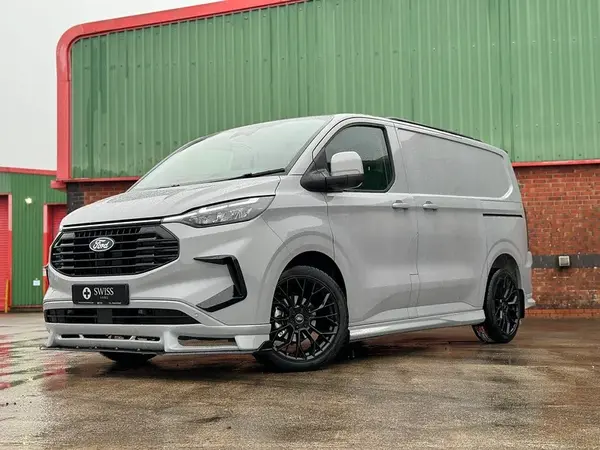
While no deposit leasing offers greater flexibility in terms of upfront costs, it’s important to note that monthly payments may be slightly higher compared to traditional leasing options. This is because the total cost of the lease is spread over the entire term without the benefit of an initial lump sum payment. See all Ford Van Lease Deals
Another key difference is the impact on cash flow. Traditional leasing with a deposit can tie up a substantial amount of working capital at the start of the agreement. No deposit leasing, on the other hand, allows businesses to retain more of their cash reserves for other operational needs or investments. See Ford Ranger Raptor Lease
Both options provide the benefits of fixed monthly payments, which help with budgeting and financial planning. However, no deposit leasing offers greater flexibility for businesses that prefer to conserve cash or allocate funds to other areas of their operations. See all Fiat van lease deals
It’s worth noting that while no deposit van leasing is becoming increasingly popular, it may require a stronger credit history compared to traditional leasing. Lenders may scrutinize a company’s financial background more closely when offering a no deposit option, as it represents a higher risk from their perspective.
In summary, no deposit small van leasing provides an opportunity for businesses to acquire necessary vehicles without the burden of a large upfront payment. This financing option offers flexibility, preserves working capital, and allows companies to focus on growth while still having access to reliable transportation. As with any financial decision, it’s essential for businesses to carefully consider their specific needs and circumstances when choosing between no deposit and traditional van leasing options. See New Business Van Lease
Benefits of No Deposit Van Leasing for Businesses
No deposit small van leasing offers several advantages for businesses, making it an attractive option for companies looking to acquire essential transportation without tying up significant capital. This financing solution provides numerous benefits that can help businesses grow and operate more efficiently. See Nissan Primastar Lease
Improved Cash Flow Small Van Lease No Deposit
One of the primary advantages of no deposit van leasing is its positive impact on a company’s cash flow. By eliminating the need for a large upfront payment, businesses can allocate funds more flexibly. This approach allows companies to preserve their working capital for other critical expenses or investments, such as marketing, product development, or expanding operations. See Citroen Berlingo Lease
With no deposit van leasing, businesses can enjoy predictable monthly payments, making it easier to budget and manage expenses. This predictability helps companies plan their finances more effectively, ensuring they have sufficient funds available for other business needs. Additionally, the fixed monthly payments associated with van leasing can help businesses avoid unexpected repair costs, further stabilizing their cash flow. See Volkswagen Caddy leasing deals
Access to Newer Vehicles
No deposit van leasing provides businesses with the opportunity to access newer vehicles without the burden of a substantial initial investment. This benefit has several advantages for companies:
- Regular fleet updates: Leasing allows businesses to refresh their fleet more frequently, ensuring access to the latest van models with advanced features and improved fuel efficiency.
- Enhanced reliability: Newer vehicles are generally more reliable, reducing the risk of breakdowns and minimizing downtime for businesses.
- Improved efficiency: Modern vans often come with better fuel economy and lower emissions, helping businesses reduce their operating costs and environmental impact.
- Professional image: Having a fleet of newer vans can enhance a company’s professional image, potentially leading to increased customer trust and satisfaction. See Renault Kango leasing
Flexibility Small Van Lease No Deposit
No deposit van leasing offers businesses a high degree of flexibility, allowing them to adapt to changing needs and market conditions. This flexibility manifests in several ways: See Fiat Doblo leasing
- Customizable terms: Businesses can choose the length of the lease term, typically ranging from 24 to 60 months, to best suit their needs and financial situation.
- Mileage options: Many no deposit van leasing agreements offer flexible mileage allowances, allowing businesses to select the option that aligns with their usage requirements.
- Vehicle selection: Companies can choose the type of van that best suits their specific needs, with the option to change vehicle types as their requirements evolve.
- Scalability: Leasing makes it easier for businesses to increase or decrease their fleet size as needed, without the long-term commitment associated with owning vehicles.
- End-of-lease options: When the lease term ends, businesses have the flexibility to return the vehicle, extend the lease, or explore other options that align with their current needs.
This flexibility allows businesses to tailor their transportation solutions to their specific requirements, ensuring they have the right vehicles at the right time without being locked into long-term commitments.
In conclusion, no deposit small van leasing offers businesses an affordable alternative to buying vehicles outright. By improving cash flow, providing access to newer vehicles, and offering flexibility, this financing option enables companies to allocate funds more effectively while still having access to essential transportation. As businesses consider their vehicle acquisition strategies, no deposit van leasing presents a compelling option that can support growth and operational efficiency. See VW Transporter Lease Hire
Potential Drawbacks to Consider
While no deposit small van leasing offers many benefits, it’s essential for businesses to be aware of potential drawbacks before making a decision. Understanding these challenges can help companies make informed choices about their vehicle financing options.
Higher Monthly Payments
One of the main drawbacks of opting for a small van lease no deposit is the likelihood of higher monthly payments. See small van lease costs Since there’s no upfront payment, the total cost of the lease is spread over the entire term. This means that businesses may face higher monthly installments compared to traditional leasing options with an initial deposit. See Peugeot Partner lease
The absence of a deposit can result in a longer repayment period, which might increase the overall cost of the lease. While this approach allows companies to allocate funds more flexibly in the short term, it’s crucial to consider the long-term financial implications. Businesses need to carefully evaluate their budget and cash flow to ensure they can comfortably manage the higher monthly payments throughout the lease term. See Vauxhall Combo lease
Limited Ownership Options
Another significant drawback of no deposit van leasing is the lack of ownership at the end of the lease term. See Tipper lease no deposit Unlike buying a vehicle outright, leasing doesn’t provide businesses with an asset they can sell or trade-in for value. This limitation can have an impact on a company’s long-term financial planning and asset management strategies. See Hybrid Van Lease
When the lease term ends, businesses must return the vehicle to the leasing company. This means they don’t have the option to continue using the van without additional costs or to sell it to recover some of their investment. For companies that prefer to build equity by owning assets, this aspect of leasing may be less appealing.
Additionally, leasing a van without a deposit means businesses are essentially hiring the vehicle for a specific period. While this can be advantageous for short-term needs, it may not be the most cost-effective solution for companies requiring long-term transportation solutions. If a business needs the van for an extended period beyond the initial lease term, extending the lease or entering into a new agreement can result in additional costs.
Potential Credit Requirements Small Van Lease No Deposit
No deposit van leasing may have stricter credit requirements compared to traditional leasing options. Since there’s no initial payment to offset the lender’s risk, financial institutions may scrutinize a company’s credit history more closely. This increased scrutiny can make it challenging for businesses with less-than-perfect credit scores to qualify for no deposit leasing.
Companies with a poor credit history or those that have previously failed to make payments on time may find it more difficult to secure a van finance lease without a deposit. In some cases, personal credit scores may be taken into consideration, especially for new businesses or those with limited credit history.
To improve their chances of approval, businesses might need to demonstrate a strong financial position or provide additional guarantees. This could include showing consistent revenue streams, providing financial statements, or offering personal guarantees from company directors.
It’s worth noting that while no deposit van leasing is marketed as an affordable alternative, there may be hidden costs or non-refundable fees associated with the application process. These could include administrative charges, brokerage fees, or other upfront expenses that businesses should factor into their decision-making process.
In conclusion, while no deposit small van leasing can be an attractive option for many businesses, it’s crucial to weigh these potential drawbacks against the benefits. Companies should carefully consider their financial situation, long-term vehicle needs, and credit standing before committing to a no deposit lease agreement. By doing so, they can make an informed decision that aligns with their business goals and financial capabilities.
Is Your Business Suitable for No Deposit Van Leasing?
Business Size Considerations
No deposit small van leasing can be an affordable alternative for businesses of various sizes. Whether you’re a sole trader, a limited company, or a partnership, this option is available to you. However, the suitability of no deposit van leasing may depend on your business’s specific circumstances.
For smaller businesses or startups, no deposit van leasing can be particularly attractive. It allows them to allocate funds more flexibly, preserving working capital for other essential expenses. This can be crucial for businesses that are still building up their cash flow.
Larger companies might also find no deposit van leasing beneficial, especially if they need to expand their fleet quickly without tying up significant capital. However, they may need to provide more detailed financial information to secure the lease.
Industry-Specific Needs Small Van Lease No Deposit
The suitability of no deposit van leasing can vary depending on your industry and specific business needs. For example, if you’re in a delivery service or mobile repair business, having access to a reliable van is crucial. No deposit van leasing can help you acquire the necessary vehicle without a large upfront payment.
Industries with seasonal fluctuations in demand might find the flexibility of leasing particularly useful. It allows them to adjust their fleet size more easily compared to buying vehicles outright.
However, businesses that require highly specialized or customized vans might need to consider whether leasing options can accommodate their specific needs. Some leasing companies may have restrictions on vehicle modifications.
Financial Situation Analysis
Your business’s financial situation plays a significant role in determining whether no deposit van leasing is suitable. Here are some key factors to consider:
- Credit Score: Most leasing companies require a good credit score to qualify for no deposit van leasing. If your business has a poor credit history, you might face challenges in securing this type of lease.
- Cash Flow: While no deposit leasing eliminates the need for a large upfront payment, you’ll need to ensure your business can comfortably manage the monthly payments. A stable and healthy cash flow is essential.
- Trading History: If your business is new, you may need to provide additional financial information or guarantees. Some leasing companies require at least two years of trading history.
- Financial Projections: Consider your business’s growth plans and financial projections. Will the lease payments align with your expected future cash flow?
- Tax Considerations: Van leasing can offer tax benefits, such as the ability to claim lease payments as a business expense. However, the specific tax implications can vary, so it’s advisable to consult with an accountant.
It’s important to note that while no deposit van leasing can be an attractive option, it’s not guaranteed. Leasing companies will still perform affordability checks to ensure the lease is appropriate for your business.
In conclusion, no deposit small van leasing can be a suitable option for many businesses, offering an affordable alternative to buying a vehicle outright. However, it’s crucial to carefully analyze your business size, industry-specific needs, and financial situation before committing to a lease. By doing so, you can make an informed decision that aligns with your business goals and financial capabilities.
How to Choose the Right No Deposit Van Lease
Assessing Your Needs
When selecting a small van lease no deposit, it’s crucial to evaluate your business requirements carefully. Start by considering the size and volume of goods you’ll be transporting regularly. This will help determine the type and size of van that best suits your needs. Think about the payload capacity as well, ensuring the van can handle the weight of your goods without compromising performance or safety.
Another important factor to consider is how frequently you’ll be using the van. This will influence the ideal mileage allowance in your lease agreement. Be realistic about your expected annual mileage to avoid potential excess mileage charges later on.
Comparing Lease Terms Small Van Lease No Deposit
Once you’ve assessed your needs, it’s time to compare different lease options. There are two primary lease types to consider: Contract Hire and Finance Lease. Contract Hire allows you to lease the van for a fixed period, usually between two and five years, with an agreed mileage limit. At the end of the contract, you simply return the vehicle. Finance Lease, on the other hand, involves paying monthly installments over a set period, after which you can either continue leasing the van at a reduced rate or sell it to a third party to settle the outstanding balance.
When negotiating your lease agreement, pay close attention to the contract length and mileage allowance. Choose a duration that aligns with your business needs and growth projections. Shorter leases provide more flexibility, while longer leases typically result in lower monthly payments. Estimate your annual mileage accurately to avoid excess mileage charges.
Evaluating Lease Providers
To secure the best deal for your business, it’s essential to compare offers from multiple brands and lease providers. Consider factors such as monthly payments, maintenance packages, and warranty coverage. Ensure the lease payments fit within your budget, taking into account any required initial rental and administration fees.
Some lease deals include maintenance and servicing, which can offer peace of mind and reduce unexpected expenses. Confirm that your lease agreement includes a comprehensive manufacturer’s warranty to protect against mechanical faults and defects.
When evaluating lease providers, look for companies that specialize in bad credit van leasing if you have a less-than-perfect credit history. Some providers understand that life can throw unexpected challenges, resulting in a poor credit score. They may consider a variety of factors when assessing your application, not just relying on your credit score.
It’s also worth noting that while no deposit van leasing is marketed as an affordable alternative, there may be hidden costs or non-refundable fees associated with the application process. These could include administrative charges or brokerage fees. Factor these into your decision-making process when comparing different lease providers.
Remember, the goal is to find a lease deal that not only meets your immediate needs but also supports your long-term business goals. Take the time to research thoroughly and don’t hesitate to ask questions about any aspects of the lease agreement that are unclear. By carefully assessing your needs, comparing lease terms, and evaluating different providers, you can choose the right no deposit van lease that allows you to allocate funds more flexibly while still gaining access to essential transportation for your business.
Conclusion Small Van Lease No Deposit
No deposit small van leasing offers businesses an affordable way to acquire essential transportation without tying up significant capital. This option has an impact on cash flow management, allowing companies to allocate funds more flexibly while still gaining access to newer vehicles. However, it’s crucial to consider potential drawbacks such as higher monthly payments and limited ownership options before making a decision.
To choose the right no deposit van lease, businesses should take time to assess their specific needs, compare different lease terms, and evaluate various providers. By carefully weighing the pros and cons and aligning the lease agreement with their long-term goals, companies can make an informed choice that supports their growth and operational efficiency. In the end, no deposit small van leasing can be a valuable tool for businesses looking to manage their transportation needs effectively while preserving working capital for other essential investments.
FAQs Small Van Lease No Deposit
- Is it possible to lease a van without making a deposit?
Yes, you can lease a van without paying a deposit. This type of leasing allows you to use the van for a set period by paying a monthly fee, eliminating the need for a large upfront cash payment. - Can my business lease a van?
Yes, businesses can lease vans or pick-up trucks through a limited company van lease. This arrangement typically lasts between 2 to 5 years and requires fixed monthly payments in exchange for the use of the van. - Is no deposit leasing available for cars as well?
Absolutely, cars can also be leased without a deposit. This option foregoes the need for a large initial payment, making it ideal for those who prefer not to or cannot afford to make a substantial upfront payment. - Can individuals privately lease a van?
Yes, private individuals can engage in personal van leasing, which is an alternative to purchasing a new van through bank loans or dealer financing. This often proves to be a more cost-effective solution.