 Call us on
 Why Lease With Swiss Vans





Products
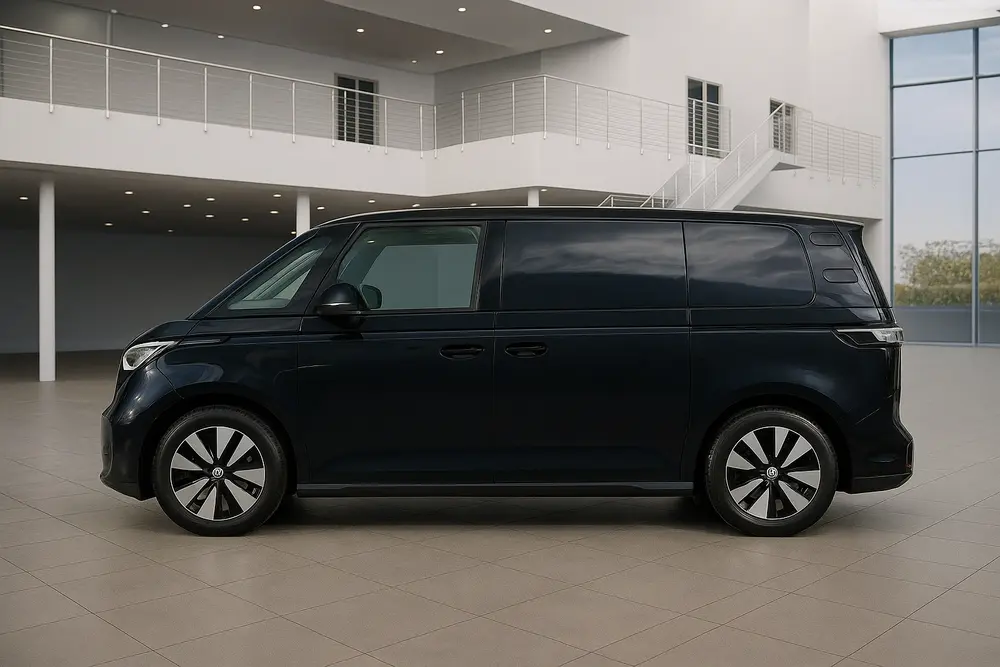
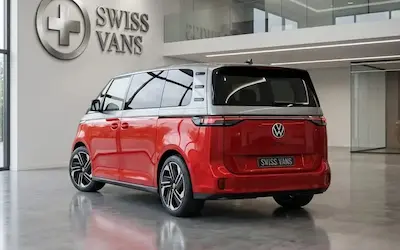

ID Buzz For Sale
Volkswagen ID Buzz electric van in teal and white parked at a charging station during sunset outside a modern building. You can also explore our complete van range.
Want to buy an ID Buzz? Auto Trader lists 123 used 2022 Volkswagen ID Buzz cars, giving you access to the UK's largest selection of these distinctive electric vans.
The VW ID Buzz price range varies substantially in the market. A used 2023 model costs around £34,791, and newer 2025 Volkswagen ID Buzz models reach £53,491 with just 3,453 miles on the clock. You'll find options that fit your budget whether you shop through trusted dealers or compare VW ID Buzz prices online. The lithium-ion batteries deserve your attention because their limited lifespan could affect your vehicle's performance and future resale value.
We'll help you understand the ID Buzz market in the UK. From battery specs to ownership expenses, you'll learn everything needed to buy this iconic electric vehicle confidently in 2025.
Volkswagen ID. Buzz Models Available in 2025
The 2025 Volkswagen ID. Buzz lineup gives buyers more choices than ever before. Anyone looking at VW ID Buzz listings should know the key differences between models before making their choice.
ID. Buzz Life vs Style vs GTX: Key Differences
The ID. Buzz comes in three trim levels that fit different needs and budgets. The Life trim is the starting point at £59,935 for the standard wheelbase model. Even as the base version, it's packed with features like heated front seats, heated windscreen, heated steering wheel, LED headlights, adaptive cruise control, and 19-inch alloy wheels.
The Style trim costs £4,800 more than the base model and adds several upgrades:
Electric sliding doors with Easy Open and Easy Close function
Matrix LED headlights
Electric tailgate
20-inch alloy wheels
Harman Kardon sound system
30-colour ambient lighting (versus 10-colour in Life)
Speed enthusiasts will love the GTX model, which sits at the top of the range at £67,435. The GTX makes use of all-wheel drive and packs more power at 340 PS (compared to 286 PS in other models). It can go from 0-62mph in just 6.1 seconds. It also has unique styling elements, 21-inch wheels, electric front seats with memory function, and a panoramic glass roof.
Short Wheelbase vs Long Wheelbase Options
The 2025 ID. Buzz lineup's most impressive feature is its long wheelbase option. It costs just £510 more than the standard wheelbase version - amazing value for the extra space you get.
The standard wheelbase (SWB) model is 4,712mm long with a 2,989mm wheelbase. The long wheelbase (LWB) version stretches out to 4,962mm with a 3,239mm wheelbase, adding 250mm in length.
Battery sizes are different between models too. Standard wheelbase versions have a 79kWh battery, while long wheelbase models come with a bigger 86kWh pack. So the range varies - the SWB Life can go up to 283 miles, and the LWB model reaches up to 293 miles.
5-Seater vs 7-Seater Configurations
The ID. Buzz is flexible with its seating options. You can get the standard wheelbase model as either a five-seater or a six-seater with captain's chairs in the middle row. Adding that sixth seat costs only £150 extra.
The long wheelbase model gives you even more options with five, six, or seven-seat layouts. Families needing maximum space will appreciate the seven-seater's split-folding rear passenger bench (60:40) and removable third row.
Boot space changes a lot based on your choice. The five-seat SWB gives you 1,121 litres, while the seven-seat LWB has 306 litres with all seats up. Take out or fold down the rear seats in the LWB model and you'll get up to 2,469 litres of space - about the same as a small van.
If you're checking out used ID Buzz listings, remember that earlier models had fewer options. The LWB and seven-seat versions are newer additions. This explains why VW ID Buzz prices in the UK vary so much across the market.
Battery, Range and Drivetrain Options Explained
The battery, range, and drivetrain options play a vital role in your daily driving with the Volkswagen ID Buzz. These elements will shape your ownership experience and satisfaction with this electric vehicle.
77kWh Battery: Actual Range
The standard ID. Buzz comes with a 77kWh usable capacity lithium-ion battery (84kWh gross) that sits in the vehicle's floor. The battery's position creates a low centre of gravity, which helps the vehicle handle well despite its size.
VW claims a WLTP range of up to 258 miles, but the numbers look different on the road. Drivers usually get between 180-210 miles per charge. Your range depends on:
Driving style and speed: You'll get about 3.0 miles per kWh in warm weather during city driving (around 230 miles total). This drops to about 210 miles on highways
Weather conditions: Winter weather can limit your range to 150 miles on highway trips
Load weight: More passengers and cargo mean less range
The longer wheelbase model, which will be available throughout 2025, features an 85kWh battery with a heat pump that works better in cold weather. You can expect around 285 miles WLTP range, making it better for long trips.
Rear-Wheel vs All-Wheel Drive Performance
The ID. Buzz gives you two drivetrain options:
The standard rear-wheel drive (RWD) model has its electric motor in the back, producing up to 210kW (286PS) of power. This setup gives you great traction when you accelerate because the weight shifts to the driven rear wheels.
The GTX model steps up with an all-wheel drive (AWD) system. It uses two motors - one at each end - that together produce 250kW (340PS). The GTX can sprint from 0-62mph in 6.1 seconds, while the RWD takes about 10.2 seconds.
The AWD system gives you better grip in bad weather. However, the RWD version handles most daily driving situations well, thanks to modern traction control systems.
The RWD version gives you slightly better range if you're looking at used models. AWD adds weight and complexity, which affects overall efficiency.
Charging Times and Home Charging Setup
The ID. Buzz adapts to your charging needs:
The 5-seater models can fast-charge at up to 185kW, while the 7-seater reaches 200kW. This means you can charge from 5% to 80% in about 30 minutes - perfect for quick stops on long trips.
For everyday charging, you get an 11kW onboard AC charger. A compatible three-phase home charging point will fill the battery in about 8 hours and 15 minutes.
Most UK drivers choose 7kW home wallboxes, which need about 12 hours for a full charge. This works well for overnight charging and costs less for regular use.
If you can't charge at home, workplace charging options keep growing. You'll also find rapid chargers at service stations for longer trips.
The VW ID Buzz price in the UK should include home charging installation. This typically costs between £400-£1,200, depending on your home's electrical setup.
Used vs New VW ID. Buzz: What to Expect
Several key factors will shape your ownership experience and satisfaction with this distinctive electric vehicle as you choose between a new or used ID Buzz.
Battery Degradation in Used Models
Volkswagen clearly states that ID Buzz's lithium-ion batteries have a limited lifespan. Battery capacity naturally decreases with use and charging. This reduction affects both performance and range. The natural ageing process also lowers resale value. You should keep this in mind while looking at used ID Buzz listings.
The scale of this issue becomes clear through real-life examples. A 2023 Pro S owner found that their vehicle with 63,000 miles showed a maximum energy content of just 58.4kWh - about 73-76% of the original capacity. The vehicle lost this much capacity in just two years.
These points deserve your attention:
Older vehicles won't match new vehicle performance figures
Your charging habits matter - frequent fast-charging might speed up capacity loss
VW's battery warranty runs for 8 years/100,000 miles and protects against excessive degradation
Mileage and Ownership History Checks
A full picture of the vehicle's past should guide your used ID Buzz purchase. Volkswagen dealers must check previous ownership details from V5 logbook records. These records usually show only the most recent owner instead of the complete history.
Neither Volkswagen nor their dealers can guarantee that vehicles haven't seen commercial use. Commercial vehicles often need more frequent charging, which could harm battery health.
Your history check should include:
Outstanding finance verification to avoid losing both money and vehicle
Full ownership timeline and previous keeper count
Mileage verification to spot possible odometer tampering
Approved Used vs Private Sale
Your choice of purchase route determines your level of protection. Volkswagen's Approved Used programme puts vehicles through more than 100 detailed checks by trained technicians. This offers great peace of mind.
Approved Used purchases come with at least 12 months of unlimited mileage warranty and roadside assistance. Private sales only give you what remains of the original warranty.
Independent dealerships usually provide various warranty options through third-party companies. Vehicles near the end of their original warranty might need extended protection, given the possibility of battery issues as they age.
VW ID. Buzz Price UK: What You’ll Pay in 2025
The UK market shows some fascinating price variations for the ID Buzz. Buyers should understand these patterns before making a purchase in 2025.
2022–2025 Price Trends by Trim
The VW ID Buzz price map in the UK has altered significantly since its 2022 launch. The original models sold between £57,115 and £62,995 based on trim level. Prices went up by 4-6% across all models in 2023, and entry models crossed the £60,000 mark. The 2025 models now come with premium price tags - the standard Life trim starts at £59,935, Style at £64,735, and the high-performance GTX begins from £67,435.
Used ID Buzz prices tell an interesting story. Early 2022 models now sell between £45,000-£52,000, and this depends on their condition and mileage. The value retention has been impressive compared to regular vehicles. First-year models still keep about 82-86% of what they cost new.
Finance Options and Monthly Costs
You'll find several ways to finance a Volkswagen ID Buzz. PCP agreements need deposits of 10-15% with payments spread over 36-48 months. A 2025 Life model costs around £750-£850 monthly if you put down a £6,000 deposit.
Personal leasing gives you another option that starts from £650 monthly for base models. Business users get great deals through salary sacrifice schemes because electric vehicles have favourable Benefit-in-Kind rates. Bank loans let you buy the car outright, but you won't get the tax benefits that come with leasing.
Best Value Trims for Budget Buyers
Life trim gives you the best mix of features and value when you look at VW ID Buzz listings. It might miss some luxury touches but comes packed with adaptive cruise control, heated seats, and driver assistance systems.
Late 2022 Life models are great picks in the used market. They've gone through the steep initial value drop but still have plenty of warranty left. Style models with extra features tend to lose value faster. This creates some unexpected deals if you want a used car loaded with features.
Buying Tips: What to Check Before You Commit
A good pre-purchase check of your ID Buzz can help you avoid major headaches later. You should examine the most important areas to make sure you get a reliable electric vehicle that lives up to your expectations.
Warranty Coverage and Battery Guarantee
VW's standard warranty package has a three-year warranty that covers up to 60,000 miles. The high-voltage battery components are a vital part that comes with an eight-year/100,000-mile warranty. This protects you against manufacturing defects and excessive capacity loss. Approved Used models come with at least a 12-month warranty, while independent dealers usually offer different third-party coverage. Private sellers can only transfer what's left of the original warranty.
Interior Condition and Feature Checklist
The ID Buzz's role as a family vehicle makes interior checks essential. Light-coloured seats tend to show stains and marks easily. Make sure all tech features work properly - other VW ID owners have reported ongoing issues with their infotainment systems. The door handle touch sensors need testing, and if your model has sliding doors, they should open and close smoothly.
Test Drive and Dealer Reputation
Keep your ears open for rattles during the test drive - they could mean loose parts. The dashboard should be free of warning lights, and any issues need fixing before you buy. Dealer service quality varies a lot. The core team at Volkswagen gets praise for their knowledge and quick service, but some customers feel frustrated with long wait times and poor updates about repairs. Owner forums are a great way to get insights about specific dealerships before you commit to buying your ID Buzz.
Conclusion
The Volkswagen ID Buzz is one of the most eye-catching electric vehicles you'll spot on UK roads today. After learning about this modern take on a classic, it's easy to see why it turns heads and commands premium prices. Battery health remains the key factor for buyers, especially when you have used models where wear and tear might affect range and performance.
Budget-conscious buyers should think over the Life trim. It comes packed with features without the big price jump to Style or GTX variants. The long wheelbase option is a smart choice at just £510 more than standard models. You get loads of extra space for what's a small price difference.
The battery range needs some serious thought before you buy. While Volkswagen's claimed figures look good, ground driving usually gives you 180-210 miles per charge. This works fine for daily use but might not suit those who often drive long distances. The weather plays a big role too - winter driving can cut your range by up to 25%.
New electric vehicle owners might feel overwhelmed by the charging setup at first. Most people quickly get used to charging their car overnight at home and find it beats trips to the gas station. Rapid charging makes longer trips possible with minimal planning.
Used ID Buzz models can be both a smart buy and a risk. Battery health checks should top your list when dissecting any pre-owned model. Approved used vehicles give you more peace of mind than private sales, thanks to detailed warranty coverage and thorough inspections.
The ID Buzz market looks set to grow through 2025 as more long-wheelbase and seven-seat options become accessible to more people. Early models have held their value better than expected, which points to strong resale values ahead.
This electric van gives you a unique experience that blends practical space with head-turning design. The ID Buzz's versatility, character, and green credentials make it worth the premium price tag for both families and business users.
FAQs
Q1. What is the expected price range for the 2025 Volkswagen ID. Buzz in the UK? The 2025 Volkswagen ID. Buzz is expected to start from around £59,935 for the base Life trim, with the Style trim at £64,735 and the high-performance GTX model from £67,435. Used models from earlier years may be available at lower prices, typically ranging from £45,000 to £52,000 depending on condition and mileage.
Q2. What is the real-world driving range of the Volkswagen ID. Buzz? While Volkswagen claims a WLTP range of up to 258 miles, real-world driving conditions typically yield between 180-210 miles per charge. Factors such as driving style, weather conditions, and load weight can significantly impact the actual range. The long-wheelbase variant with its larger battery is expected to offer a slightly improved range of around 285 miles WLTP.
Q3. How does the ID. Buzz perform in terms of sales? Sales figures for the ID. Buzz have been modest, with global sales reaching 29,990 vehicles in 2024. In the UK, sales have been limited, likely due to supply constraints. However, the unique design and versatility of the ID. Buzz continue to generate interest among potential buyers.
Q4. What are the key differences between the ID. Buzz trim levels? The ID. Buzz comes in three main trim levels: Life, Style, and GTX. The Life trim is the entry-level option with standard features like heated seats and LED headlights. The Style trim adds electric sliding doors, a premium sound system, and larger wheels. The GTX model offers all-wheel drive, increased power, and additional luxury features like a panoramic glass roof.
Q5. What should potential buyers check when considering a used ID. Buzz? When looking at a used ID. Buzz, it's crucial to check the battery health and degradation, as this can significantly affect range and performance. Verify the vehicle's ownership history, mileage, and any remaining warranty coverage. Additionally, inspect the interior condition, test all electronic features, and consider opting for an Approved Used model for added peace of mind and warranty protection.