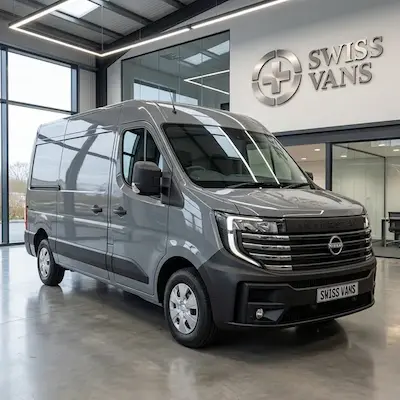
Nissan Interstar Large Van
Browse our full range of commercial vans. Filter by make, size or price to find the right vehicle for your business.
Products
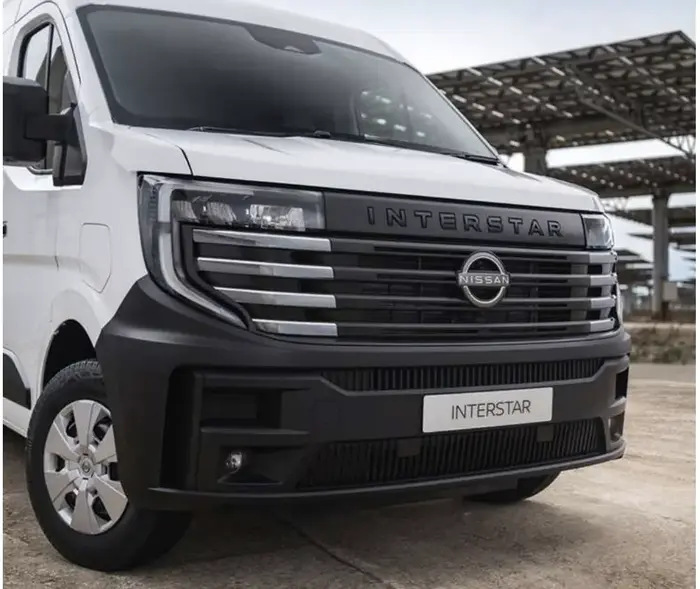
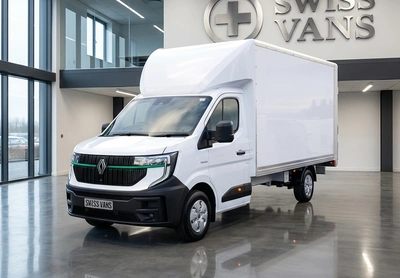
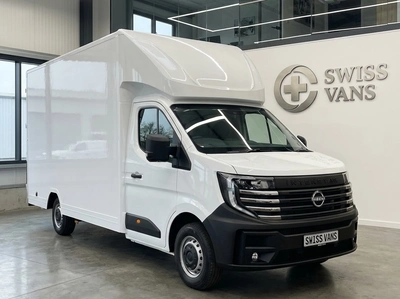
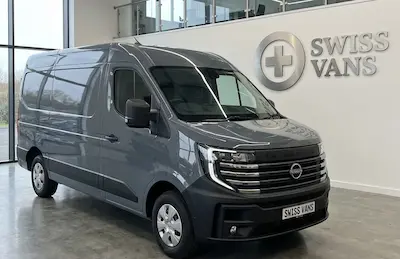
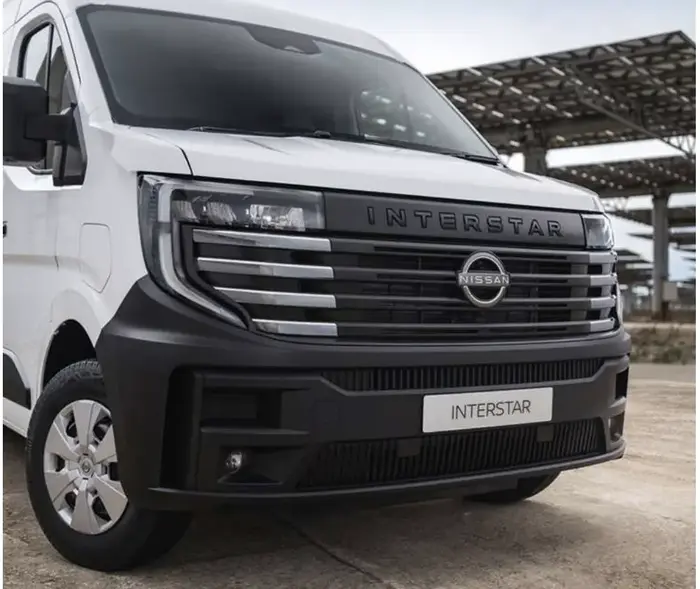
New Nissan Interstar: Features, Pricing, and Availability
The new Nissan Interstar has arrived, ushering in a fresh era for Nissan's commercial van lineup. This large van represents a significant upgrade in the realm of commercial vehicles, offering businesses a blend of spaciousness, efficiency, and modern features. The Interstar's debut has sparked interest among fleet managers and small business owners alike, eager to explore its potential to enhance their operations.
The Nissan Interstar van boasts an array of key features designed to meet the diverse needs of today's businesses. From its versatile interior to its advanced safety technologies, this Nissan commercial van aims to set new standards in the segment. Prospective buyers will find a range of options to consider, including various trim levels, pricing structures, and finance deals. Additionally, this article will delve into the Interstar's availability, how it stacks up against competitors, and why it might be the right choice for those in the market for a new large van.
Nissan Interstar Load Space and Capability
The new Nissan Interstar boasts an impressive array of features designed to meet the diverse needs of businesses. This versatile commercial van offers a range of options to suit various operational requirements.
Is the Nissan Interstar Right for Business Use?
The Interstar has a robust payload capacity, with options ranging from 2.8T to 3.5T Gross Vehicle Weight. It can handle heavy loads with payloads up to 1,587kg, making it suitable for a wide range of commercial applications.
Cargo Space
Nissan has optimised the Interstar's packaging to provide maximum load space. The van offers ten cargo volumes, ranging from 8m³ to 17m³ for Panel Vans. It can accommodate up to 5 Europallets, with a cargo length of up to 4.4m available for bulky loads. The van comes in various configurations:
- Lengths: L1 to L4
- Heights: H1 to H3
Electric and Diesel Options
The Interstar offers a choice of efficient engines:
- Front-wheel drive (FWD): 110PS, 135PS, 150PS (Manual/Automatic), 180PS (Manual/Automatic)
- Rear-wheel drive (RWD): 145PS, 165PS
All engines are EURO 6D compliant, featuring a selective catalytic reduction (SCR) system to reduce emissions further. The 2.3L dCi Twin Turbo engine delivers higher output, reduced fuel consumption, and lower CO₂ emissions.
Towing Capacity
For businesses requiring additional hauling power, the rear-wheel drive Interstar is ideal for towing up to 3,500 kg. This capability is available with single or twin rear wheel configurations, providing excellent versatility for various commercial needs.
Pricing and Trim Levels
The new Nissan Interstar offers a range of trim levels to suit various business needs and budgets. The van starts at £30,990 for the base Visia model, providing essential features for dependable commercial use.
Acenta Trim
The Acenta trim, priced from £31,840, builds upon the Visia's offerings. It includes additional technologies such as rear parking sensors and cruise control. The Acenta trim also offers a wider choice of lengths and heights, alongside various engine options. Buyers can choose between front-wheel drive and rear-wheel drive configurations, with engine options ranging from 110PS to 180PS.
Tekna Trim
Starting at £33,040, the Tekna trim elevates the Interstar's features. It includes manual air-conditioning, front fog lights, and automatic wipers and headlights. The Tekna trim also adds a 7-inch Nissan Connect MediaNav system, front parking sensors, and a rear-view camera.
Optional Features
For those seeking top-tier features, the Tekna+ trim, priced from £33,540, offers advanced safety systems. These include lane departure warning, auto high/low beam, and blind spot detection. The Tekna+ trim provides the most comprehensive package of technology, safety systems, and assistance features.
Financing Options
Nissan offers various financing options to make the Interstar more accessible to businesses. Leasing is a popular choice, allowing companies to avoid depreciation concerns and the hassle of reselling. This option provides flexibility for businesses to upgrade to newer models more frequently.
The Nissan Interstar's pricing structure and trim levels cater to a wide range of commercial needs, from basic utility to advanced features and safety systems. With options spanning from £30,990 to £33,540, businesses can find a configuration that aligns with their requirements and budget.
Availability and Release Date
The new Nissan Interstar has generated significant interest among commercial vehicle buyers, with its release eagerly anticipated. Nissan has provided some key information regarding the availability and release of this new large van.
Pre-order Information
Businesses and fleet managers keen on acquiring the new Nissan Interstar will have the opportunity to place their pre-orders starting from the second quarter of 2024. Nissan has announced that the van will be available for pre-order at local Nissan dealerships during this period. Interested buyers are encouraged to contact their nearest Nissan dealer for more details on the pre-ordering process.
Expected Delivery Dates
While pre-orders are set to begin in the second quarter of 2024, the actual release and delivery of the new Nissan Interstar are not expected until later. According to available information, the new model is slated to go on sale towards the end of 2024. This timeline gives Nissan ample opportunity to finalise and release all the details and pricing for various variants before orders are taken.
Dealership Availability
The availability of the new Nissan Interstar at dealerships is subject to certain conditions. Nissan has stated that the van will be available at participating dealers only, and availability may vary. Potential buyers are advised to speak to their local dealer regarding pricing and availability prior to purchase. This approach ensures that customers have the most up-to-date information specific to their location.
For those interested in staying informed about the latest updates on the new Nissan Interstar, many dealerships are offering a "Keep Me Updated" option. This service allows potential buyers to receive the most recent information about the van's availability, specifications, and pricing as it becomes available.
Comparison with Competitors
The new Nissan Interstar faces stiff competition in the large van sector. While it holds its ground against many rivals, it's up against some formidable opponents. Let's compare the Interstar with three key competitors: the Renault Master, Ford Transit, and Mercedes-Benz Sprinter.
Renault Master
The Renault Master offers a wide range of options, including four wheelbase lengths and three roof heights. It provides both front and rear-wheel drive configurations, catering to nearly every requirement. The Master also has an electric version, the Master ZE, for zero-emissions urban deliveries. However, the E-Tech version has limitations, with only 77hp and an official driving range of 126 miles per charge.
Ford Transit
The Ford Transit, often called the 'backbone of Britain', remains an excellent choice. It offers a wider range of trim levels than any competitor and delivers exceptional driving performance in both front-wheel and rear-wheel drive configurations. The Transit's capabilities in shifting cargo are impressive, and it's supported by a vast Ford Transit Centre dealer network. The recent addition of the all-electric E-Transit has set new standards in the class, offering strong payloads and competitive pricing.
Mercedes-Benz Sprinter
The Mercedes-Benz Sprinter stands out for its reliability, having topped the FN50 van reliability survey for eight consecutive years. It offers an unlimited mileage three-year warranty and free roadside assistance for up to 30 years, making it popular among long-distance drivers. The latest model incorporates advanced technology, including impressive voice recognition. However, its cab design isn't as well thought-out as some competitors, and the electric eSprinter has limited options in the UK market.
Conclusion
The new Nissan Interstar has an influence on the commercial van market, offering a mix of features to meet various business needs. Its range of payload capacities, cargo spaces, and engine options gives it versatility to handle different jobs. The van's pricing and trim levels, from the base Visia to the top-tier Tekna+, allow businesses to choose a configuration that fits their budget and requirements.
As the Interstar gears up for its release, it's set to compete with established players like the Renault Master, Ford Transit, and Mercedes-Benz Sprinter. Each competitor has its strengths, from the Transit's wide range of options to the Sprinter's reliability. In the end, the Interstar's success will depend on how well it meets the needs of businesses looking for a dependable, efficient, and feature-rich large van to boost their operations.
FAQs
What driving range does the Nissan Interstar offer?
The Nissan Interstar is available with either a 100% electric or a low-emission diesel powertrain. The electric model offers up to 285 miles of range, ideal for smooth urban travel, whereas the diesel model features an innovative 9-speed automatic or a 6-speed manual gearbox, both designed to keep CO2 emissions low.
Can I rely on the Nissan Interstar for commercial use?
Yes, the Nissan Interstar is highly reliable for commercial purposes. It boasts a sleek design, a comfortable interior, dependable performance, and substantial cargo capacity, making it a top choice for business owners who need a robust and adaptable van.
What is the capacity of the Nissan Interstar’s fuel tank?
The L4 H2 2.3 dCi 145PS Acenta Manual TW version of the Nissan Interstar is fitted with a 105-litre fuel tank. This model also includes a trip computer and has a towing capacity of 3,500kg, available exclusively with the RWD twin wheels configuration.
How frequently does the Nissan Interstar require servicing?
The Nissan Interstar is designed for efficiency and performance, offering fuel economy from 8.3L/100km for the 150HP FWD model under WLTP conditions. It has service intervals of up to 25,000 miles or every two years, aiding in minimising the Total Cost of Ownership.