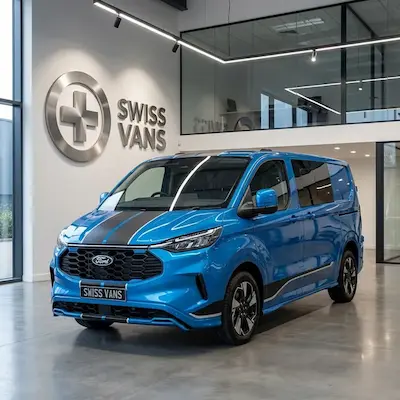
New Business Van Lease
New Business Van Lease
Starting a new business van lease venture often requires reliable transportation, and a new business van lease can be the perfect solution for entrepreneurs looking to hit the ground running. This financing option allows companies to acquire essential vehicles without the hefty upfront costs of purchasing. For many startups and small businesses, leasing a van provides the flexibility and cost-effectiveness needed to manage their operations efficiently. Source
This comprehensive guide will delve into the world of new business van leasing, covering everything from eligibility requirements to choosing the right vehicle for your company’s needs. We’ll explore the leasing process, discuss how to manage your lease agreement, and provide insights on fleet van leasing for growing businesses. Whether you’re considering a business contract hire van or looking to lease a commercial vehicle, this article will equip you with the knowledge to make informed decisions about your business transportation needs.
Understanding Business Van Leasing
Is a New Business Van Lease Right for You?
Business van leasing is a long-term rental agreement that allows companies to drive brand-new vans for a set period, typically between two and four years, in exchange for monthly payments. This financing option enables businesses to acquire essential vehicles without the hefty upfront costs of purchasing. Under this arrangement, the leasing company remains the registered keeper of the vehicle, and the business does not own the van.
The process is straightforward: a company chooses a van, agrees to a contract term, and makes fixed monthly payments. At the end of the lease, the keys are handed back, and there’s nothing left to pay. This setup is ideal for businesses that need reliable transportation but want to keep their costs in check.
Types of Business Van Leases
There are several types of business van leases available, each catering to different business needs:
- Business Contract Hire: This is the most popular form of leasing. It involves fixed monthly payments for the duration of the contract, with no option to own the van at the end.
- Finance Lease: This option provides more flexibility. Businesses can choose the initial deposit amount, monthly repayment price, and repayment period. At the end of the agreement, companies can sell the van to a third party and keep 95% of the sale proceeds, pay a one-off secondary rental to continue using the van, or part-exchange it for a new vehicle.
- Contract Purchase: This lease type comes with an option to own the van at the end of the term, distinguishing it from other leasing options.
Benefits of Leasing for New Businesses
Leasing a van has an impact on many aspects of a business, offering several advantages:
- Cost Management: Fixed monthly payments make budgeting easier and help manage cash flow more effectively. This predictability is particularly beneficial for new businesses.
- Access to New Vehicles: Leasing allows businesses to drive the latest models every few years, similar to upgrading a mobile phone. This means access to newer, more efficient vehicles with advanced features.
- Avoiding Depreciation: When a business leases a van, it doesn’t have to worry about the vehicle’s depreciation. At the end of the lease, the van is simply returned, and a new lease can be started with a different vehicle.
- Tax Benefits: For VAT-registered businesses, van leasing can be 100% tax-deductible if the van is used solely for business purposes. This can result in significant savings.
- Maintenance and Breakdown Cover: Many lease agreements offer maintenance packages, which can include servicing, repairs, and even tire replacements. This can save money on unexpected repairs and provide peace of mind.
- Lower Initial Costs: Leasing typically requires a smaller upfront payment compared to buying a van outright, allowing businesses to conserve capital for other areas of operation.
- Flexibility: Lease agreements can be tailored to a business’s specific needs, including contract duration, mileage limits, and additional services.
- No MOT Worries: Most leased vans are brand new, so there are no MOT costs to consider for the first three years of the lease.
By opting for a business van lease, new companies can have access to reliable transportation without tying up significant capital. This financing solution provides the flexibility and cost-effectiveness needed to manage operations efficiently, allowing businesses to focus on growth and development rather than vehicle ownership concerns.
Eligibility Requirements for New Businesses
New businesses often face unique challenges when seeking to lease a van. While there are no strict rules preventing startups from applying for a lease, the process can be more complex due to their limited financial history. Understanding the eligibility requirements and preparing accordingly can significantly improve a new business’s chances of securing a van lease.
Credit Checks and Financial History
When applying for a van lease, new businesses should be prepared for a thorough credit check. Leasing companies typically require a credit rating of at least 700 to pass this assessment. However, it’s important to note that different companies may have their own credit scoring scales and systems.
For new businesses with a short trading history, this can pose a challenge. Finance companies have limited evidence of how the business manages its financial obligations. In some cases, personal credit scores may be considered if the business is new or has a poor credit rating. Fortunately, business and personal credit ratings are usually separate, so a good set of business accounts demonstrating sound financial practices can work in the company’s favor.
Some finance companies have policies against financing businesses that have been trading for less than two years. To overcome this hurdle, new businesses may consider alternative options such as:
- Joint lease agreements: Applying with another person, combining incomes and credit scores.
- Larger upfront payments: Paying a larger initial amount (typically 9-12 months’ worth of payments) to reduce the perceived risk for lenders.
Required Documentation New Business Van Lease
To apply for a van lease, new businesses should prepare the following documentation:
- Personal details: Name, date of birth, and marital status.
- Company details: Name, address, company registration numbers, and annual turnover.
- Business bank details: Bank name, account number, and sort code.
- Three-year address history
- Proof of UK residency
- Full UK driving license
- Opening balance sheet
- Proof of positive trading
For businesses less than a year old or those previously refused finance, additional documentation may be required:
- Business bank statements for the last three months
It’s crucial to remember that leasing companies may request additional documents beyond this list. Always consult with a trusted lease provider for specific requirements.
Personal Guarantees
Many commercial leases and New Business Van Lease require directors to provide personal guarantees, especially for new businesses. This practice protects landlords and finance companies from potential tenant insolvency, particularly for long-term leases.
When signing a personal guarantee, it’s essential to understand the implications:
- Legal review: Have a legal expert check the associated lease document.
- Future variations: Be aware that some leases allow for changes without guarantor approval.
- Financial consequences: Falling behind on payments could lead to personal asset loss or bankruptcy.
Directors should carefully consider the risks before providing personal guarantees. If a business struggles financially, the guarantor may become personally liable for the debt. This liability can persist even after resigning from the company, as demonstrated in cases where former directors have been held responsible for outstanding debts.
To mitigate risks, directors can consider personal guarantee insurance, although it typically covers only a portion of the potential debt. It’s crucial to fully understand the terms and conditions of any guarantee before signing.
By understanding these eligibility requirements of New Business Van Lease and preparing accordingly, new businesses can improve their chances of successfully leasing a van and supporting their operations without overcommitting their cash flow.
Choosing the Right Van for Your Business
Selecting the appropriate van for a new business and the New Business Van Lease is a crucial decision that has an impact on operational efficiency and costs. To make an informed choice, entrepreneurs should consider various factors and options available in the market.
Assessing Your Business Needs
Before diving into the selection process of a New Business Van Lease , it’s essential to evaluate the specific requirements of the business. Companies should consider factors such as:
- Size and payload capacity
- Fuel efficiency
- Additional features needed for business operations
- Type of goods or services being transported
- Frequency and distance of trips
By carefully assessing these aspects, businesses can narrow down their options and focus on vans that align with their operational needs.
Popular Van Models for New Businesses
The van market offers a wide range of options to cater to different business requirements. Some popular choices include:
- Ford Transit Custom: This medium-sized van has been the best-selling model in the UK, with 40,865 new registrations in 2023. It offers a great balance of size and functionality for many businesses.
- Citroën Berlingo: For businesses requiring a compact van, the Berlingo has proven popular, with 14,065 deliveries to customers in 2023.
- Electric Vans: The market for battery electric vans has seen significant growth, with 20,253 registrations in 2023, a 21% increase from the previous year. Vauxhall has been a leading manufacturer in this segment.
- Ford Transit Connect: A new model based on the latest Caddy is expected to launch in 2024, offering updated features and potentially improved efficiency.
- Ford Transit Courier: Set to launch in late 2023, this model will offer both conventional and electric options, with the ability to carry two Euro pallets and a payload of up to 845kg.
Customization Options
Many businesses require specialized features in their vans to support their specific operations. Fortunately, there are numerous customization options available:
- Vehicle Conversions: Companies like Ford offer dedicated Transit Centers that can help with vehicle conversions for various industries, including construction, food delivery, and emergency services.
- Racking Solutions: Businesses can install custom racking systems from providers like Sortimo and System Edström to optimize storage space.
- On-board Power: Some conversion services can equip vans with on-board power systems, enabling mobile workers to use tools at remote sites.
- Temperature Control: For businesses in food or pharmaceutical delivery, temperature-controlled loadspaces can be installed to maintain specific ambient conditions.
- Seating Configurations: Flexible seating options are available for businesses that need to transport both goods and passengers.
- Signage and Branding: While most leasing agreements restrict significant modifications, minor additions like company signage may be allowed with prior approval.
When considering customizations, it’s important to consult with the leasing company or conversion specialist to ensure compliance with any lease agreements and to maintain the van’s warranty.
By carefully assessing business needs, exploring popular van models, and considering customization options, new businesses can select a van that not only meets their current requirements but also supports future growth and operational efficiency.
The Leasing Process for New Businesses
Initial Consultation
The leasing process for new businesses typically begins with an initial consultation. Companies like Vanparison aim to make this a personal and tailored experience. Their team, though small in number, boasts decades of experience in van leasing, commercial vehicles, and fleet management. This expertise allows them to guide and advise businesses throughout their leasing journey.
When a business makes an initial inquiry, whether via email, telephone, or website, it goes straight to the consultancy team. These professionals aim to respond within three business hours, becoming the dedicated source of guidance and support throughout the entire leasing process. For those new to leasing, the team explains everything in detail. For experienced clients, they get straight to finding the best lease deal at the best price.
Application and Approval New Business Van Lease
After the initial consultation, the next step is the application and approval process. This stage can be challenging for new businesses due to their limited financial history. Finance companies need to assess the risk of default, which is difficult with a short trading history.
To improve their chances of approval, new businesses should prepare the following documentation:
- Three-year address history
- Proof of UK residency
- Full UK driving license
- Opening balance sheet
- Proof of positive trading
- A director who can act as a guarantor
It’s important to note that some finance companies have policies against financing businesses that have been trading for less than two years. In such cases, alternative options might be necessary.
The application process typically involves a credit check. Leasing companies usually require a credit rating of at least 700 to pass this assessment. For new businesses with limited credit history, personal credit scores may be considered.
Delivery and Handover
Once the application New Business Van Lease has been approved and the lease agreement signed, the final stage is the delivery and handover of the vehicle. This process typically involves several steps:
- Pre-Delivery Inspection (PDI): Before delivery, all vehicles undergo a PDI at the dealership or holding compound. This inspection ensures the vehicle has no body damage or mechanical issues and that any requested accessories have been fitted.
- Insurance Arrangement: Once the delivery date and vehicle registration are confirmed, the business must arrange comprehensive insurance. The hirer obtaining finance must be the main policyholder or a named driver on the insurance certificate.
- Delivery: The delivery process may vary, with some dealerships operating a contactless delivery system in line with COVID-19 precautions. This typically involves the delivery agent placing the keys and paperwork in the vehicle and leaving it in a safe place for the customer to collect.
- Handover: During the handover, the delivery driver will explain the key functions of the vehicle and answer any questions. The business should thoroughly inspect the vehicle for any damage or missing items before signing the delivery note.
- Documentation: To complete the handover, the business may need to provide additional documentation, such as a digital photo of the customer alongside the vehicle and a photo of the customer’s driver’s license.
It’s crucial for new businesses to take their time during the handover process and not rush it. The entire process typically takes about an hour, ensuring everything runs smoothly and the business is satisfied with their new leased vehicle.
Managing Your Lease Agreement
Mileage Limits and Overages New Business Van Lease
When leasing a new business van, it’s crucial to understand and manage mileage limits effectively. Estimated mileages help lenders assess the residual value of a van at the end of the lease agreement. Most van lease agreements include mileages ranging from 10,000 to 30,000 miles per year. It’s important to set a realistic estimated mileage, as this will be used to determine excess mileage charges if exceeded.
Mileage allowances are typically pooled throughout the contract, meaning they don’t have to be divided equally across years. For instance, a 3-year contract with 10,000 miles per year provides a total allowance of 30,000 miles over the entire lease period. This flexibility allows businesses to spread their miles as needed.
If a company exceeds the agreed-upon mileage, additional costs will be incurred. These are calculated on a pay-per-mile basis, which may vary depending on the manufacturer and finance provider. The cost per mile is often around 10p but can range from 5p to 30p. To avoid these charges, businesses should carefully consider their driving habits and operational needs when initially agreeing to the terms of the contract.
Maintenance and Repairs New Business Van Lease
Proper maintenance of a leased van is vital, as lease agreements often include clauses regarding vehicle condition at the end of the lease. Failure to meet these conditions can result in costly penalties. To manage maintenance effectively, businesses should consider adding a maintenance package to their lease agreement.
A maintenance contract typically includes scheduling servicing, MOT, replacement tires, and other repairs for a fixed monthly fee. This can be added to the van finance agreement and included within monthly repayments. Benefits of a maintenance package include:
- Spreading maintenance costs across the lease term
- Avoiding unexpected repair fees
- Ensuring repairs are carried out by accredited garages
- Extending the safety net of the manufacturer’s warranty
It’s important to note that maintenance packages can vary between providers, so businesses should check exactly what is included when taking out the agreement. Generally, most packages cover routine servicing, MOTs, and wear and tear repairs.
To maintain the van properly, businesses should:
- Schedule routine inspections
- Address minor issues promptly
- Keep up with oil changes and fluid checks
- Regularly clean and vacuum the interior
- Protect upholstery and flooring
- Wash and wax the exterior regularly
- Monitor tire pressure and tread
- Address brake pad wear and tear
Early Termination Options New Business Van Lease
While lease agreements are not designed to be broken, circumstances may arise where a business needs to end the lease early. Early termination is when a customer wishes to terminate their lease contract before the end of the contracted term. However, it’s important to note that substantial penalties and fees are usually associated with early termination.
The process of ending a New Business Van Lease early can take between three to four weeks and involves the following steps:
- Contacting the leasing company
- Obtaining an early termination quote
- Reviewing the termination fee and conditions
- Proceeding with early termination if agreed
- Clearing any outstanding payments
- Returning the vehicle
The early termination fee is typically based on a number of factors and varies from funder to funder. Some finance providers charge a fee of 50% of outstanding rentals and any arrears for Contract Hire and Personal Contract Hire agreements. Others calculate the fee on a case-by-case basis, considering the length of the contract, mileage allowance, and outstanding rentals.
Before opting for early termination, businesses should consider alternative options such as lease transfer (if allowed by the finance company) or adjusting the lease terms. It’s advisable to contact the leasing company to discuss options before missing any payments, as this can help avoid damaging the company’s credit history.
Conclusion New Business Van Lease
New business van leasing offers a practical solution for entrepreneurs to secure essential transportation without tying up significant capital. This financing option has a significant impact on various aspects of business operations, providing flexibility, cost-effectiveness, and access to modern vehicles. By understanding the leasing process, eligibility requirements, and key considerations in choosing the right van, new businesses can make informed decisions to support their growth and operational needs.
To wrap up, managing a New Business Van Lease agreement effectively involves careful attention to mileage limits, maintenance responsibilities, and potential early termination options. By staying on top of these factors, businesses can maximize the benefits of their leased vehicles while minimizing unexpected costs. As the commercial vehicle market continues to evolve, with increasing options for electric and customized vans, leasing remains a viable strategy to help new businesses stay competitive and adaptable in their transportation needs.
FAQs New Business Van Lease
Can a new business lease a van?
Yes, a new LTD company can New Business Van Lease, which offers several benefits such as cost-effective financing, tax advantages, and flexibility. It’s important to fully understand the leasing requirements and the options available.
What are some potential drawbacks of leasing a van?
New Business Van Lease may include some disadvantages like mileage limitations, lack of ownership, and potentially higher costs over the long term. It is crucial to consider both the advantages and disadvantages to decide if van leasing suits your business needs.
What does van leasing involve?
New Business Van Lease involves paying a monthly fee to use the van for a specified period, similar to renting. Typically, you pay an initial rental fee at the start, continue with monthly payments throughout the lease term, and return the van at the end of the agreement.
What are the tax advantages of leasing a van?
When you New Business Van Lease you do not own it but rent it, which counts as an ongoing business expense. This arrangement allows you to deduct 100% of the lease payments for tax purposes, provided all the necessary criteria are met.