 Call us on
Insurance For Modified Vans
Insurance for modified vans
Understanding the ins and outs of insurance for modified vans is crucial for protecting your investment. This article will explore the types of coverage available, factors that affect premiums, and the importance of declaring modifications to your insurer. We’ll also share tips on how to get cheap insurance for modified vans without compromising on coverage. Whether you’re a seasoned van modifier or just starting out, this comprehensive guide has the information you need to make informed decisions about insuring your modified van. Source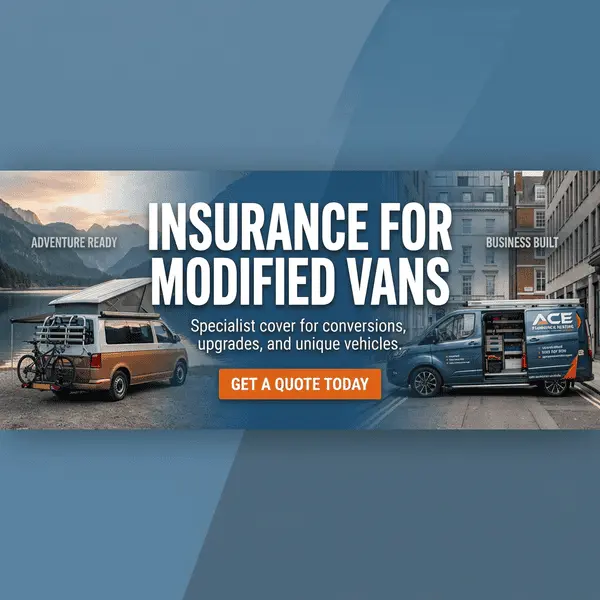
Understanding Modified Van Insurance
Modified van insurance is a legal requirement for all van owners who have made alterations to their vehicles. This specialized insurance coverage is designed to protect vehicles that have been changed from their original manufacturer specifications. These modifications can range from minor cosmetic changes to significant performance upgrades. See van insurance
What qualifies as a modification?
A modification is any alteration made to a van that changes its appearance, performance, or functionality from its original factory state. This includes changes made by dealerships when purchasing a new van. Modifications can be categorized into two main types:
- Cosmetic modifications: These alter the van’s appearance, such as custom paint jobs, vinyl wraps, or window tinting.
- Performance modifications: These changes affect how the van drives, such as engine upgrades or suspension alterations.
It’s crucial to understand that even small changes can be considered modifications. For example, adding stickers or decals to your van may be viewed as a modification by some insurance providers.
Common van modifications
Modified Vans owners often modify their vehicles for various reasons, including work requirements, lifestyle needs, or personal preferences. Some common modifications include:
- Adding shelves, storage, or racks
- Installing or removing seats
- Increasing the number of power points
- Improving the sound system or adding other technology
- Installing a satellite navigation system or dashboard camera
- Adding a tow bar or roof rack
- Fitting alloy wheels
- Applying decorative changes to the exterior
- Installing a water tank
- Adding side steps or bars
For commercial vans, modifications might include internal racking, refrigeration equipment, or custom storage solutions. Campervan conversions are also popular, involving significant interior changes to create living spaces.
Legal considerations
When it comes to modified van insurance, there are important legal aspects to consider:
- Declaration requirement: Van owners must declare all modifications to their insurance provider. Failure to do so can result in an invalid policy, leaving the owner unprotected in case of an accident or theft. Thisis import when considering modified vans for sale
- Policy validity: If modifications are made during the policy term, the insurer must be informed immediately to ensure continued coverage.
- Illegal modifications: Certain modifications are illegal and can void insurance coverage. These include:
- Tinted windows that restrict more than 70% light
- Under-car neon lights
- Illegal wheel modifications
- Sound or noise modifiers, including non-compliant exhausts
- LED headlights that aren’t road legal
- Nitrous oxide engine modifications
It’s important to note that having illegal modifications can lead to penalties, court action, and policy cancelation. In the event of an accident, claims may be denied if illegal modifications are discovered.
Understanding modified van insurance is crucial for protecting your investment and ensuring compliance with legal requirements. While some modifications may increase insurance premiums, others, such as security enhancements or safety features, could potentially lower costs. Always consult with your insurance provider before making any modifications to your van to understand how they might affect your coverage and premiums.
Types of Modified Van Insurance Coverage
When it comes to insurance for modified vans, owners have several options to choose from. Each type of coverage offers different levels of protection, catering to various needs and budgets. Understanding these options is crucial for van owners to make informed decisions about their insurance.
Comprehensive Coverage
Comprehensive coverage is the most extensive level of protection available for modified vans. This type of insurance provides the broadest range of coverage, offering protection for a wide variety of situations. It includes coverage for damage to the van itself, as well as protection against theft, fire, and third-party claims.
For modified van owners, comprehensive coverage is particularly beneficial as it takes into account the unique aspects of their vehicles. This type of insurance covers not only the standard components of the van but also the modifications made to it. Whether the modifications are cosmetic, such as custom paint jobs, or functional, like added storage solutions or performance upgrades, comprehensive coverage ensures that these investments are protected.
Comprehensive policies often include additional benefits such as:
- Coverage for personal belongings inside the van
- Windscreen repair or replacement
- Courtesy van provision while repairs are being made
- Legal expenses coverage
While comprehensive coverage typically comes with higher premiums, it provides peace of mind for van owners who have invested significantly in modifications.
Third-Party, Fire, and Theft
Third-party, fire, and theft (TPF&T) coverage is a middle-ground option for modified van insurance. This type of policy provides more protection than the basic third-party only coverage but is less extensive than comprehensive insurance.
With TPF&T coverage, the policy includes:
- Protection against claims made by third parties for injury or damage caused by the insured van
- Coverage if the van is stolen
- Protection against fire damage to the van
For modified van owners, TPF&T can be a cost-effective option, especially if the modifications are not extensive or particularly valuable. However, it’s important to note that this type of coverage does not protect against damage to the insured van itself in the event of an accident.
TPF&T can be particularly beneficial for van owners who use their vehicles for work purposes. Vans are often targets for thieves due to the potential valuable contents they may carry. The added protection against theft in this policy can provide crucial coverage for business owners.
Third-Party Only Insurance for modified vans
Third-party only (TPO) coverage is the minimum legal requirement for van insurance in the UK. This basic level of insurance covers damages or injuries to third parties caused by the insured van. However, it does not provide any coverage for the insured van itself or its modifications.
For modified van owners, TPO coverage may not be the most suitable option, as it leaves the van and its modifications unprotected. If the van is involved in an accident or stolen, the owner would be responsible for all repair or replacement costs.
While TPO policies are often the cheapest option available, they can potentially lead to higher costs in the long run if something happens to the van. This is especially true for modified vans, where the cost of repairs or replacements can be significantly higher due to custom parts or specialized work.
It’s crucial for modified van owners to carefully consider their insurance options. While comprehensive coverage may come with higher premiums, it offers the most complete protection for both the van and its modifications. TPF&T provides a balance between cost and coverage, while TPO, although the cheapest, leaves the van largely unprotected. Ultimately, the choice depends on the value of the van, the extent of modifications, and the owner’s individual circumstances and risk tolerance.
Factors Affecting Modified Van Insurance Premiums
Insurance for modified vans is influenced by various factors that can significantly impact the cost of premiums. Understanding these factors is crucial for van owners to make informed decisions about their insurance coverage and potentially reduce their costs.
Type of modifications
The nature of modifications made to a van plays a significant role in determining insurance premiums. Modifications can be categorized into several types:
- Cosmetic changes: These include custom paint jobs, vinyl wraps, or adding stickers and decals. While these modifications may seem minor, insurers often consider them when calculating premiums.
- Performance enhancements: Modifications that affect the van’s performance, such as engine upgrades, exhaust system changes, or transmission alterations, can have a substantial impact on insurance costs. These changes often lead to higher premiums due to the increased risk associated with enhanced performance.
- Functional additions: Installing equipment like refrigeration units, catering equipment, or lifting gear for commercial purposes can affect insurance costs. These modifications increase the van’s value and may require specialized coverage.
- Structural changes: Adding or removing windows, seats, or storage areas are considered significant modifications that insurers take into account.
- Wheel modifications: Changes to wheels, such as fitting alloy wheels or altering wheel arches, can influence insurance premiums.
Value of modifications
The value added to the van through modifications has a direct impact on insurance premiums. Higher-value modifications typically result in increased premiums due to:
- Increased replacement costs: More expensive modifications mean higher costs for insurers in case of theft or total loss.
- Specialized repair requirements: Some modifications may require specialized skills or parts for repairs, potentially increasing claim costs.
- Attractiveness to thieves: High-value modifications can make a van more attractive to thieves, increasing the risk of theft.
It’s important to note that even seemingly minor modifications can add value to a van and should be declared to the insurer to ensure proper coverage.
Impact on vehicle performance Insurance For Modified Vans
Modifications that alter a van’s performance can significantly affect insurance premiums. This is due to:
- Increased risk of accidents: Performance enhancements like engine chipping, turbocharging, or supercharging can lead to higher speeds and potentially increase the risk of accidents.
- Altered handling characteristics: Modifications to suspension, brakes, or wheels can change how a van handles, which insurers may view as increasing the risk of accidents.
- Legal considerations: Some performance modifications may not comply with road regulations, potentially voiding insurance coverage if not declared and approved.
Insurance companies often have different approaches to performance modifications. For example, some mainstream insurers may increase premiums by up to 132% for turbocharging or supercharging, while specialized insurers might only increase premiums by around 20% for the same modification.
It’s crucial for van owners to understand that even modifications intended to improve safety or efficiency, such as adding parking sensors or a dash cam, should be declared to insurers. While these may not necessarily increase premiums, failing to declare any modification could potentially invalidate the insurance policy.
In conclusion, the type and extent of modifications, their value, and their impact on vehicle performance all play crucial roles in determining insurance premiums for modified vans. Van owners should always be transparent with their insurers about any modifications to ensure proper coverage and avoid potential issues in the event of a claim.
Declaring Modifications to Your Insurer
Importance of full disclosure
When it comes to insurance for modified vans, full disclosure is crucial. Insurers need to be aware of any changes or additions to a vehicle to properly assess the risk and ensure adequate coverage. This includes modifications ranging from cosmetic alterations to performance enhancements. With many vehicles now delivered with manufacturer-fitted options, it’s important to note that some insurers consider these as modifications as well.
Modifications can affect a vehicle’s value, repair costs, theft attractiveness, and performance. For example, engine upgrades, exhaust system changes, or transmission alterations can significantly impact a van’s performance and, consequently, the insurance risk. Even seemingly minor changes like custom paint jobs, vinyl wraps, or the addition of stickers and decals should be reported to insurers.
When to notify your insurer
Van owners should notify their insurer of any modifications as soon as possible. This applies to both newly made changes and pre-existing modifications on used vehicles. If planning to modify a van during the policy term, it’s essential to keep the insurer informed throughout the process.
Here are some key points to consider when notifying an insurer:
- New modifications: Inform the insurer before making any changes to the van.
- Used vehicles: Declare any known modifications when applying for insurance, even if made by previous owners.
- Manufacturer options: Check with the insurer if factory-fitted options need to be declared.
- Uncertainty: If in doubt about whether a change counts as a modification, it’s best to ask the insurer for clarification.
It’s important to answer insurers’ questions honestly and to the best of one’s knowledge and belief. If unsure about modifications on a used vehicle, it’s advisable to disclose any noticeable changes and seek guidance from the insurer.
Consequences of non-disclosure Insurance For Modified Vans
Failing to declare modifications to an insurer can have serious consequences. The repercussions of non-disclosure can vary depending on the circumstances and the insurer’s judgment:
- Claim denial: In the event of an accident, the insurer may deny a claim if undisclosed modifications are discovered.
- Policy invalidation: Non-disclosure can lead to the insurance policy being invalidated, leaving the van owner uninsured.
- Proportionate claim reduction: If the non-disclosure is deemed unintentional, insurers may reduce claim settlements proportionately to reflect the additional risk.
- Policy cancelation: In severe cases, insurers may cancel the policy altogether.
- Future insurance difficulties: Having insurance refused or canceled can make it more challenging and expensive to obtain coverage in the future.
The severity of consequences often depends on whether the non-disclosure is judged to be deliberate and reckless or unintentional. Deliberate non-disclosure gives insurers the right to avoid payment of claims and treat the insurance as invalid. For unintentional non-disclosure, insurers may still reduce claim settlements if they can prove they would have charged a higher premium had they known about the modifications.
In cases of dispute, the Financial Ombudsman Service can provide assistance if a claim is refused and the van owner believes it should have been paid. However, to avoid these complications, it’s always best to be upfront about any modifications, no matter how minor they may seem. This transparency helps maintain proper coverage and avoids potential issues when filing a claim.
Tips for Reducing Modified Van Insurance Costs
Owners of modified vans often face higher insurance premiums due to the increased value and potential risks associated with their vehicles. However, there are several strategies they can employ to help reduce these costs.
Security upgrades
Installing additional security devices can significantly lower insurance premiums for modified vans. These upgrades not only protect the vehicle but also demonstrate to insurers that the owner is taking proactive steps to reduce the risk of theft or damage. Some effective security upgrades include:
- Immobilizers: For vans manufactured in 1995 or earlier, adding an immobilizer can eliminate the theft risk and potentially reduce premiums.
- Tracking devices: Installing a tracker in heavily modified vans (valued at £40,000 or above) can lead to lower insurance costs.
- Additional safety locks: Extra locks can discourage theft and may result in reduced premiums.
These security measures can potentially reduce insurance premiums by up to 15%, especially for heavily modified vans. Insurers recognize that these upgrades decrease the likelihood of theft or unauthorized use, making the vehicle a lower risk to insure.
Limited mileage policies
For van owners who don’t drive frequently, limited mileage policies can offer significant savings on insurance costs. These policies are designed for individuals who use their vans less often and typically come in two forms:
- Initial mileage limit: Some insurers set a predetermined mileage allowance for the policy period. Sticking to this limit often results in a discount on the premium.
- Pay-as-you-go insurance: This type of policy involves a flat monthly fee plus charges based on the actual miles driven. It’s particularly beneficial for those with irregular or low mileage usage.
Both types of limited mileage policies utilize telematics devices, often referred to as “black boxes,” to track the van’s mileage accurately. This technology allows insurers to offer more personalized and potentially lower-cost coverage based on actual usage.
Recent data shows a significant correlation between annual mileage and insurance premiums. For van owners covering 10,000 to 14,000 miles annually, the median insurance premium was £544. This increased to £634 for those driving 15,000 to 19,000 miles, and further rose to £871 for those exceeding 20,000 miles per year. This represents a 46% difference in premiums between vans driven 10,000 miles versus those driven 20,000 miles annually.
Given these statistics, van owners are advised to be as accurate as possible when estimating their annual mileage to secure the best possible insurance rates.
Membership in van clubs
Joining van clubs or trade federations can lead to insurance discounts for modified van owners. Many insurers offer reduced rates to members of recognized organizations, acknowledging the increased likelihood of responsible vehicle ownership and usage among these groups.
When applying for insurance, van owners should always mention their membership in any relevant trade federations or van clubs. This information is particularly important for those using their vans for business or haulage purposes, as it can result in more favorable insurance terms.
Additionally, being part of a van club or federation often provides access to valuable resources and information. Members can share tips on maintaining and modifying their vans safely, which can indirectly contribute to lower insurance costs by reducing the risk of claims.
Other strategies to reduce modified van insurance costs include:
- Comparing prices annually instead of auto-renewing policies
- Increasing the voluntary excess, with £250 being the most common choice among van owners
- Considering black box policies, especially beneficial for younger drivers
- Building up a no-claims bonus (NCB), which can significantly reduce premiums over time
By implementing these strategies, modified van owners can potentially lower their insurance costs while maintaining adequate coverage for their unique vehicles.
Conclusion Insurance For Modified Vans
Insuring a modified van has its unique challenges and considerations. From understanding the types of coverage available to recognizing the factors that affect premiums, van owners need to be well-informed to make the best decisions for their vehicles. Being upfront with insurers about modifications, no matter how small, is crucial to maintain proper coverage and avoid potential issues when filing a claim.
There are several ways to potentially lower insurance costs for modified vans such as the Ford Transit Modified van . Installing security upgrades, opting for limited mileage policies, and joining van clubs can all have an impact on reducing premiums. By taking these steps and staying informed about their options, modified van owners can protect their investments while keeping insurance costs in check. In the end, the key is to find the right balance between comprehensive coverage and affordable premiums.
FAQs Insurance For Modified Vans
What constitutes a modification for van insurance purposes?
A modification refers to any significant alteration that affects the appearance or performance of your van. Examples include installing internal racking, heavy-duty locks, or a bulkhead. Such changes must be reported to your insurance provider.
Is it necessary to inform your insurer about modifications made for van conversions?
Yes, if you have converted your van into a campervan with additions such as a pop-top roof, additional seating, new windows, kitchen installations, insulation, power supplies, or gas systems, these are all considered modifications. It is essential to declare these to your insurance company.
Can multiple vans be covered under a single insurance policy?
Yes, you can insure up to seven vans under one multi-van insurance policy. This simplifies management as it consolidates multiple renewal dates into a single one, making it easier to handle.
What is the typical duration of van insurance coverage?
Standard van insurance policies are annual, providing coverage for 365 days. However, if you need insurance for a shorter period, temporary van insurance options are available that allow you to choose the duration of coverage when purchasing the policy.