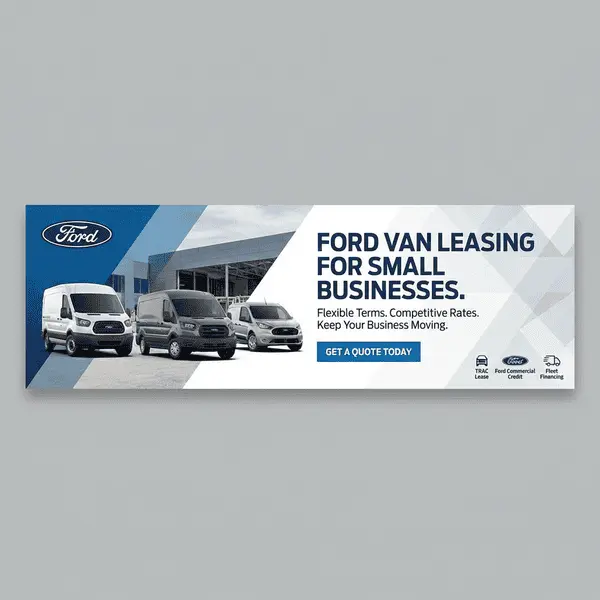
Ford Van Leasing for Small Businesses
Ford Van Leasing for Small Businesses
In today’s Ford Van Leasing for Small Businesses competitive business landscape, small businesses are constantly seeking ways to maximize their return on investment (ROI). One area that offers significant potential is the leasing of work vehicles, particularly small vans and medium vans from Ford. These versatile vehicles, including options like the Ford Ranger and Ford Escape, provide essential transportation for goods and services while offering financial advantages through leasing arrangements.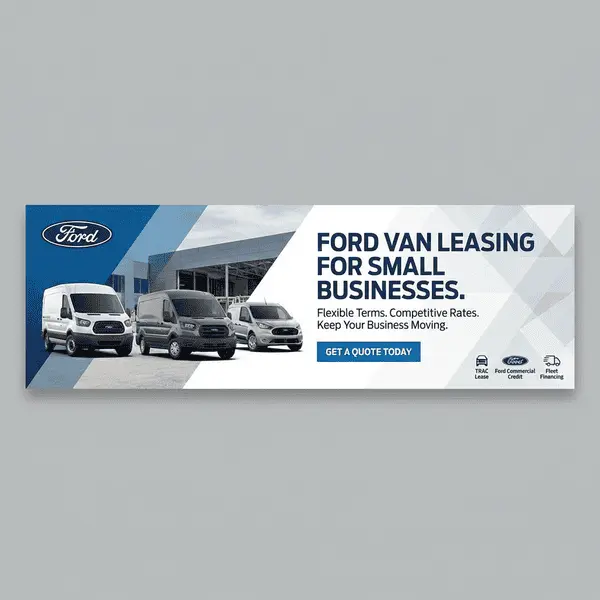
For small business owners, Ford van leasing presents an opportunity to access reliable commercial vehicles without the burden of outright ownership. This article explores the benefits of leasing Ford trucks and pickups, including hybrid options, and how it can impact a company’s bottom line. It delves into the total cost of ownership, strategies to maximize ROI, and examines real-world case studies of successful Ford van leasing. Additionally, it touches on important considerations such as capital allowances on cars and the various Ford car lease options available to small businesses.
Understanding Ford Van Leasing Options
Ford offers a wide range of van leasing options to cater to the diverse needs of small businesses. These options provide flexibility, cost-effectiveness, and access to reliable commercial vehicles without the burden of ownership.
Types of Ford vans available
Ford Van Leasing for Small Businesses van lineup includes several models designed to meet various business requirements:
- Ford Transit Courier: This small van is ideal for city commuting and fitting into tight spaces. Its compact exterior dimensions make it perfect for urban environments, while the comfortable cabin ensures a pleasant driving experience for long journeys.
- Ford Transit Connect: Available in two lengths (L1 and L2), this van offers a mighty cargo bed despite its small size. The L2 model provides a cargo length of 3.4 meters, making it suitable for businesses requiring additional space.
- Ford Transit Custom: As the UK’s best-selling light commercial vehicle, the Transit Custom is a medium-sized van that offers versatility and reliability. It provides ample storage space and room for heavier loads, with a load space of up to 8.3 cubic meters and a payload capacity of up to 1,459kg.
- Ford Transit: For businesses needing a large van, the Ford Transit is an excellent choice. It offers a huge cargo area and an impressive interior specification. The cabin features a car-like interior, providing comfort and functionality for drivers.
- Ford Transit Tipper: This specialized van is designed for tradespeople such as builders and electricians. It comes in 1-way and 3-way tipper options, offering flexibility for various job requirements.
- Ford Ranger: While not a traditional van, the Ford Ranger pickup truck is a versatile option for businesses that need a vehicle suitable for both work and leisure activities.
Short-term vs long-term leasing
When considering Ford Van Leasing for Small Businesses, businesses can choose between short-term and long-term options:
Short-term leasing:
- Typically ranges from a day up to a month
- Ideal for specific, quick purposes like moving or one-time deliveries
- Offers flexibility with vehicle changes or returns
- Often priced daily or weekly
- Can be more expensive in the long run for extended use
Long-term leasing:
- Spans from one month to several years
- Suitable for businesses with consistent vehicle needs
- Often includes a monthly fee with potentially lower daily costs
- May offer cost-saving perks like reduced maintenance rates
- Provides extended access without frequent contract renewals
- Allows for potential vehicle purchase at the end of the lease term
Mileage considerations Ford Van Leasing for Small Businesses
Mileage allowance plays a crucial role in Ford van leasing agreements:
- Definition: Mileage allowance refers to the maximum number of miles a van can be driven annually without incurring additional charges.
- Importance: Mileage limits protect the residual value of the vehicle and help leasing companies manage risk.
- Setting the limit: When choosing a mileage limit, businesses should:
- Consider past driving habits and review previous MOT certificates
- Be realistic about future needs
- Select a figure that aligns with business requirements
- Minimum and maximum limits:
- Minimum requirement: 5,000 miles per year
- Maximum limit: Generally, finance companies won’t agree to more than 50,000 miles per year or 180,000 over the entire agreement
- Adjusting mileage: If needed, businesses can contact their finance provider to adjust the mileage limit, though this is at the provider’s discretion.
- Excess mileage charges: Returning a vehicle with more miles than agreed upon will result in additional fees, as the vehicle’s value is lower than anticipated.
- Initial mileage: New leased vehicles may have some mileage due to delivery, which is reported to the finance company and disregarded from the allowance figure.
By understanding these Ford van leasing options, small businesses can make informed decisions that maximize their return on investment while meeting their specific transportation needs.
Benefits of Leasing for Small Businesses
Lower upfront costs
For small businesses in the UK, leasing Ford vans offers significant financial advantages. Unlike purchasing a vehicle outright, which requires a substantial initial investment, leasing typically involves lower upfront costs. This approach proves particularly beneficial for underdog businesses and startups with limited capital. Instead of tying up large sums of money in a single purchase, companies can acquire the necessary vehicles through leasing with a more manageable initial payment. This strategy allows businesses to preserve their cash flow, a crucial factor for many small enterprises.
Tax advantages Ford Van Leasing for Small Businesses
Leasing Ford vans can provide small businesses with potential tax benefits that may not be available with outright purchases. Companies can often deduct lease payments as a business expense on their tax returns, effectively reducing their overall tax liability. This advantage allows businesses to maximize their tax savings while managing their budgets more efficiently.
VAT reclamation is another significant benefit for UK businesses. Companies can claim back a portion of the Value Added Tax (VAT) included in the monthly lease payments for a van. The amount of VAT that is reclaimable depends on the vehicle’s business mileage. For instance, if 80% of the van’s mileage is for business purposes, the company can reclaim 80% of the VAT.
Furthermore, businesses can claim tax relief on monthly lease payments as an allowable expense. The amount of relief depends on the van’s CO2 emissions, with lower-emission vehicles typically attracting higher levels of relief. For example, vans emitting 130g/km of CO2 or less qualify for Corporation Tax benefits, which can be offset against the company’s profits.
Capital allowances present another tax advantage for businesses leasing vans. These allowances are based on the cost of certain assets, including vans, and form an annual deduction from profits before tax calculation. As with other tax benefits, the amount of capital allowances claimable depends on the van’s CO2 emissions, with lower-emission vehicles generally attracting higher allowances.
Flexibility and scalability
Leasing Ford vans provides small businesses with unparalleled flexibility compared to outright ownership. This flexibility allows companies to adapt their fleet in response to changing market conditions and business needs. As a business grows or its requirements evolve, the fleet can be adjusted without the constraints of vehicle ownership.
Businesses can choose the type of vehicle that best suits their current needs and have the option to change van types as those needs change over time. This adaptability is crucial in today’s rapidly changing market conditions. Companies can increase the number of vehicles leased without the long-term commitment associated with owning a fleet.
Moreover, businesses can select the length of the lease that suits them best. Options range from short-term to long-term agreements, with the choice to renew or extend the lease at the end of the term. This flexibility allows businesses greater control over their vehicle costs and enables them to tailor their transportation requirements to their specific needs.
By offering lower upfront costs, tax advantages, and flexibility, Ford van leasing presents an attractive option for small businesses looking to maximize their return on investment while maintaining operational efficiency.
Calculating Total Cost of Ownership
When considering Ford van leasing for small businesses, it’s crucial to calculate the total cost of ownership (TCO) to make informed decisions and maximize return on investment. The TCO encompasses various factors that contribute to the overall expenses associated with leasing and operating a Ford van.
Lease Payments
Lease payments form a significant portion of the TCO. These payments are typically lower than the monthly installments required for purchasing a vehicle outright. When leasing a Ford van, businesses have the option to choose between short-term and long-term leasing arrangements. Short-term leases offer flexibility but may be more expensive in the long run, while long-term leases often provide lower daily costs and potential cost-saving perks.
The structure of lease payments usually includes an initial rental, followed by fixed monthly payments for the duration of the agreement. The length of the lease term can vary, typically ranging from 2 to 5 years. Some leasing options, such as Finance Lease, may include a final payment based on the residual value of the vehicle at the end of the lease term.
Maintenance and Repairs Ford Van Leasing for Small Businesses
Maintenance and repair costs are essential components of the TCO. When leasing a Ford van, businesses are responsible for keeping the vehicle properly serviced in accordance with the manufacturer’s guidelines. Regular servicing and maintenance not only fulfill contractual obligations but also help avoid potential high damage charges or fair wear and tear fees at the end of the lease term.
Some leasing options, such as Complete Care packages, include maintenance and servicing for the full duration of the lease. These packages cover routine maintenance, repairs, and even replacement of worn items like tires and batteries. However, it’s important to note that certain damages, such as those caused by misfuelling or driving through standing flood water, may not be covered.
For businesses that opt for leasing arrangements without maintenance packages, they will be responsible for all maintenance and servicing costs throughout the contract duration. It’s advisable to factor in these potential expenses when calculating the TCO.
Fuel Efficiency
Fuel efficiency plays a significant role in the TCO, especially for businesses that rely heavily on their vans for daily operations. The fuel economy of a van can have a substantial impact on overall fuel costs. When selecting a Ford van, it’s beneficial to consider models with higher miles per gallon (MPG) ratings, as they consume less fuel to cover the same distance.
To maximize fuel efficiency and reduce costs, businesses can implement several strategies:
- Regular engine maintenance
- Smooth driving techniques
- Proper tire inflation
- Minimizing unnecessary cargo weight
- Efficient route planning
- Adopting eco-driving techniques
Insurance Costs
Insurance is a mandatory expense for leased vehicles and often represents a significant portion of the TCO. Leased Ford vans must be insured with fully comprehensive insurance policies. The cost of insurance can vary depending on factors such as the vehicle’s insurance group, the driver’s history, and the level of coverage required.
When calculating insurance costs, businesses should consider the following:
- The vehicle’s insurance group (more powerful and expensive vehicles typically cost more to insure)
- Comparing insurance prices from multiple providers
- Opting for annual payments instead of monthly installments to potentially reduce overall costs
- Ensuring the hirer obtaining finance is the main policyholder or a named driver on the insurance certificate
By carefully considering these factors – lease payments, maintenance and repairs, fuel efficiency, and insurance costs – small businesses can accurately calculate the total cost of ownership for Ford van leasing. This comprehensive approach allows for better financial planning and helps maximize the return on investment in commercial vehicle leasing.
Maximizing ROI Through Smart Leasing
To maximize return on investment (ROI) when leasing Ford vans, small businesses should focus on three key areas: negotiating favorable terms, utilizing tax deductions, and proper vehicle maintenance.
Negotiating favorable terms
Understanding lease terms and conditions is paramount for making informed decisions that align with business needs and protect against potential pitfalls. When choosing between financial and operational leases, businesses should consider their long-term goals. Financial leases may be advantageous for companies intending to keep the vehicle long-term and seeking eventual ownership rights. In contrast, operational leases offer flexibility but do not grant ownership privileges.
To secure the best deal, businesses should:
- Choose an experienced van leasing company with strong manufacturer relationships
- Opt for high-quality vehicles to avoid potential issues during the lease term
- Explore various financing options to find the most suitable arrangement
- Clarify warranty coverage and reporting procedures for any issues
Utilizing tax deductions Ford Van Leasing for Small Businesses
Leasing Ford vans offers several tax benefits that can significantly impact a company’s bottom line. These advantages include:
- Fully tax-deductible lease payments as a business expense
- VAT reclamation on monthly lease payments (amount dependent on business mileage)
- Tax relief on monthly payments as an allowable expense
- Capital allowances based on the van’s CO2 emissions
To maximize these benefits, businesses should:
- Keep accurate records of business mileage and expenses
- Consult with a tax professional to ensure all eligible deductions are claimed
- Stay informed about changes in tax regulations that may affect leasing benefits
Proper vehicle maintenance Ford Van Leasing for Small Businesses
Maintaining leased vans is crucial for maximizing ROI and avoiding costly penalties at the end of the lease term. A well-maintained vehicle not only performs better but also retains its value, potentially leading to more favorable terms in future leasing agreements.
Key maintenance practices include:
- Scheduling routine inspections to identify potential issues early
- Addressing minor problems promptly to prevent escalation
- Keeping up with regular oil changes and fluid checks
- Cleaning the interior and exterior regularly
- Using protective covers and mats to safeguard upholstery and flooring
- Addressing scratches and dents promptly
- Maintaining proper tire pressure and tread depth
- Following the manufacturer’s maintenance schedule
- Being attentive to warning signs of potential issues
By implementing these maintenance practices, businesses can:
- Reduce the risk of unexpected breakdowns and costly repairs
- Ensure compliance with Ford Van Leasing for Small Businesses agreement conditions
- Minimize wear and tear charges at the end of the lease term
- Maintain optimal vehicle performance and fuel efficiency
To further maximize ROI, businesses should consider:
- Reviewing lease terms related to vehicle condition and maintenance requirements
- Being aware of potential penalties for failing to meet lease-end requirements
- Cleaning the van thoroughly and addressing visible issues before final inspection
- Addressing any maintenance or repair needs before returning the van to the lessor
By focusing on these key areas – negotiating favorable terms, utilizing tax deductions, and maintaining vehicles properly – small businesses can significantly enhance their ROI when leasing Ford vans. This approach not only ensures cost-effectiveness but also contributes to the overall efficiency and reliability of their commercial vehicle fleet.
Case Studies: Successful Ford Van Leasing
Delivery Company Success Story
In 2021, Ford partnered with Hermes, a leading delivery specialist in London, to trial a sustainable courier service using the innovative Last Mile Delivery system. This collaboration aimed to address the inefficiencies of traditional van-only deliveries in crowded urban environments. The trial took place during the peak Christmas season, a critical time for delivery services.
The Last Mile Delivery system employed a multi-modal approach, utilizing Ford vans as mobile mini-hubs. These vans would travel from local depots to central destination points, where a coordinated team of couriers on e-bikes and porters on foot would take packages from the van to the final doorstep. This dynamic system allowed for real-time adjustments based on traffic patterns and delivery concentrations.
The results of this trial were remarkable. Two vans equipped with the Last Mile Delivery system, working in conjunction with connected couriers, were able to deliver the same number of packages as six vans making conventional deliveries. Moreover, these connected vans completed their deliveries faster than their traditional counterparts.
Key to the success of this system was the proprietary MoDe:Link algorithm, which optimized routes and schedules for the entire delivery team. This technology enabled the vans to be deployed efficiently to areas with higher concentrations of scheduled deliveries, maximizing productivity and minimizing unnecessary travel.
Service Business Example Ford Van Leasing for Small Businesses
In 2022, Ford expanded its Last Mile Delivery system trials by partnering with the UK’s Royal Mail service in Manchester. This collaboration focused on assessing the system’s impact on CO2 emissions, a critical concern for businesses striving to reduce their environmental footprint.
The trial yielded impressive results, demonstrating significant improvements in efficiency and sustainability:
- Van usage for delivery routes decreased by 50%
- Daily vehicle mileage reduced by 33%
These reductions in Ford Van Leasing for Small Businesses van usage and mileage directly translated to lower CO2 emissions, showcasing the system’s potential to support businesses in meeting their sustainability goals.
The success of the Ford Van Leasing for Small Businesses Last Mile Delivery system in both London and Manchester highlights its versatility across different urban environments and service types. For small businesses considering Ford van leasing, these case studies demonstrate the potential benefits of adopting innovative delivery solutions:
- Increased efficiency: Delivering more packages with fewer vehicles
- Cost savings: Reduced fuel consumption and vehicle wear
- Environmental benefits: Lower CO2 emissions and reduced urban congestion
- Adaptability: Real-time adjustments to delivery routes and schedules
- Scalability: Ability to handle increased delivery volumes without proportional increases in fleet size
The success of these trials has not gone unnoticed. In 2021, Ford’s Last Mile Delivery system received Honorable Mention in the Mobility and Sustainability categories at Fast Company’s Innovation by Design Awards, further validating its potential to revolutionize urban delivery services of Ford Van Leasing for Small Businesses.
For small businesses considering Ford Van Leasing for Small Businesses, these case studies illustrate the potential for innovative solutions to enhance operational efficiency, reduce costs, and contribute to sustainability goals. By leveraging Ford’s cutting-edge technology and flexible leasing options, businesses can position themselves at the forefront of the evolving delivery and service landscape.
Conclusion
Ford Van Leasing for Small Businesses has a significant impact on small businesses, offering a blend of financial benefits and operational flexibility. By opting to lease rather than purchase, companies can preserve cash flow, take advantage of tax benefits, and adapt their fleet to meet changing needs. This approach allows businesses to access reliable commercial vehicles without the burden of ownership, ultimately improving their bottom line. Source
The success stories of innovative delivery systems and partnerships highlight the potential of Ford van leasing to revolutionize urban logistics. These case studies show how businesses can use Ford’s cutting-edge technology and flexible leasing options to boost efficiency, cut costs, and meet sustainability goals. As the commercial vehicle landscape continues to evolve, Ford van leasing stands out as a smart choice for small businesses looking to stay competitive and maximize their return on investment.
FAQs Ford Van Leasing for Small Businesses
1. Is it possible to lease a van or small van lease through my own business?
Yes, you can Ford Van Leasing for Small Businesses various assets to your limited company, including office space, machinery, equipment, vehicles, computers, and property. However, some assets may require specific handling, so it’s advisable to consult with a professional to ensure your leasing arrangements are properly set up and legal.
2. Should I consider leasing a van for business purposes?
Leasing a van is often a smart choice for businesses due to its lower monthly costs compared to purchasing a van outright. This approach helps in maintaining more available cash flow for other business needs. The affordability of leasing stems from making smaller monthly payments, which only cover the use of the van and not the full purchase price.
3. What are the potential drawbacks of Ford Van Leasing for Small Businesses?
While leasing can be beneficial, it also has its drawbacks, including mileage limits, lack of ownership, and potentially higher costs over the long term. It’s important for businesses to carefully consider both the advantages and disadvantages to decide if leasing fits their needs.
4. How does the Ford Van Leasing for Small Businesses Options program operate?
The Ford Options program offers the flexibility to potentially own the vehicle at the end of the lease term. To take ownership, you must ensure all payments are up to date and then pay the Guaranteed Minimum Future Value (GMFV) or Optional Final Payment, which was determined at the start of your agreement, along with a purchase fee.