Cost of Electric Vans
Cost Of Electric Vans
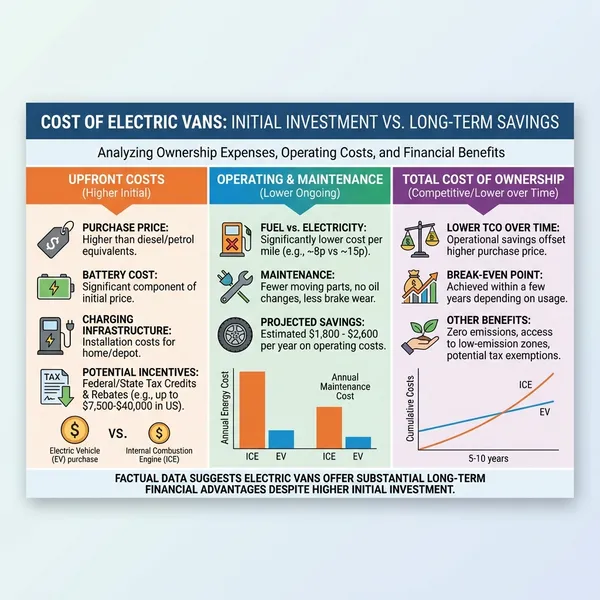
As businesses seek to reduce their carbon footprint and operational costs, electric vans have emerged as a potential solution. The cost of electric vans has become a hot topic for fleet managers and small business owners alike, prompting many to wonder if these vehicles are worth the investment. This growing interest stems from the need to balance environmental responsibility with financial viability in an increasingly eco-conscious market.
To determine if electric vans are any good for their operations, decision-makers must consider various factors. These include the initial purchase price, which can be higher than traditional fuel-powered vehicles, as well as long-term savings on fuel and maintenance. The analysis also involves comparing electric vans’ prices to their diesel counterparts, understanding why electric vans are sometimes perceived as cheap, and evaluating their overall performance. By examining these aspects, businesses can make informed decisions about whether electric vans are a smart addition to their fleet.
Initial Purchase Cost of Electric Vans
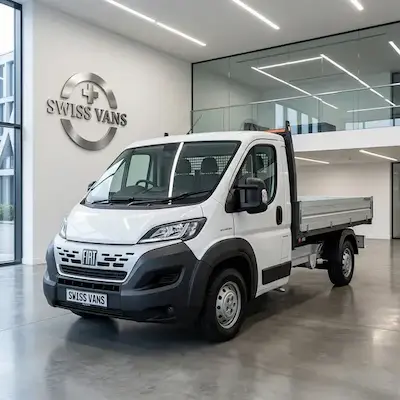
The initial purchase cost of electric vans is a crucial factor for businesses considering the transition to a more sustainable fleet. While these vehicles offer numerous benefits, their upfront price can be higher than traditional fuel-powered alternatives. This section explores the various aspects that influence the cost of electric vans and the financial considerations businesses need to keep in mind.
Pricing and Running Cost Insights
When comparing electric vans to their diesel or petrol counterparts, it’s evident that electric models generally come with a higher price tag. For instance, the Vivaro-E electric van is approximately £5,000 more expensive than its standard diesel model. This price difference reflects the advanced battery technology and ongoing development costs associated with electric vehicles.
However, it’s important to note that the initial purchase price doesn’t tell the whole story. Electric vans offer significant long-term savings in fuel, tax, and maintenance costs. They have fewer moving parts than diesel vehicles, which translates to lower servicing expenses. Additionally, electric van owners no longer need to budget for oil filter replacements or new exhausts.
Government Incentives and Grants
To encourage the adoption of electric vehicles, governments across Europe have implemented various incentive schemes. These initiatives aim to offset the higher initial costs and make electric vans more accessible to businesses.
In the UK, the government offers the Plug-in Van and Truck Grant, which is available until March 31, 2025. This grant provides a discount on the purchase price of eligible electric vans, with the seller automatically including the reduction in the vehicle’s cost. For example, small vans like the Maxus eDeliver 3 (short wheelbase variants) qualify for this grant.
Other European countries have also introduced substantial incentives. Romania, for instance, offers a grant of €11,500 for purchasing a new battery electric vehicle (BEV) and scrapping an old car. Cyprus implemented a significant incentive in 2022, providing up to €20,000 for buying a BEV priced at €80,000 or less and scrapping an old vehicle.
Price Ranges for Different Van Sizes
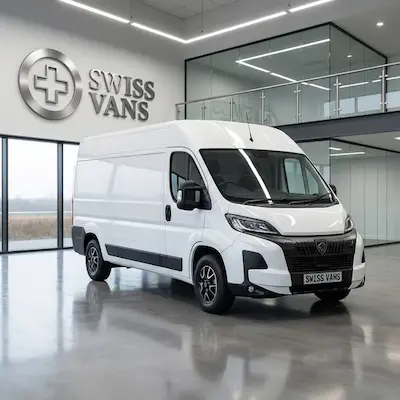
The cost of electric vans varies considerably based on size, make, and model. Here’s a general overview of the price ranges:
- Small Electric Vans: For businesses looking for a compact option, small electric vans like the Renault Kangoo electric model start from just under £20,000. These vehicles are ideal for urban deliveries and small businesses with lighter cargo needs.
- Medium Electric Vans: Medium-sized electric vans offer a balance between cargo capacity and maneuverability. While specific prices vary by manufacturer, they typically fall between the small and large van categories.
- Large Electric Vans: For businesses requiring substantial space and carrying capabilities, large electric vans are available. These vehicles benefit from the Plug-in Van Grant (PIVG), which can reduce the purchase price by up to £5,000. This incentive makes investing in larger electric vans, such as those featured in the Best electric vans 2024 list, more feasible for businesses transporting bulk goods.
It’s worth noting that while the initial purchase cost of electric vans is higher, businesses should consider the total cost of ownership (TCO) when making their decision. Factors such as lower operating costs, reduced maintenance expenses, and various tax benefits contribute to the long-term financial advantages of electric vans.
Moreover, electric vans offer additional perks that can offset the higher upfront cost. These include free entry into low emission zones like London’s ULEZ, zero road tax until 2025, and the ability to operate vans weighing up to 4,250kg with a standard driving license – 750kg more than the limit for petrol or diesel vehicles.
Operating Costs: Fuel vs. Electricity
Cost per Mile Comparison
When comparing the operating costs of electric vans to their diesel counterparts, the most immediate saving is evident at the fuel pump—or rather, the lack thereof. Fuel costs, especially diesel, are significantly higher than electricity costs. Even with rising energy prices, it’s still considerably cheaper to cover the same distance in an electric van compared to a diesel one.
To illustrate this point, let’s consider a specific example. A 100-mile daily journey in a diesel CITROEN Berlingo Crew Van would cost an estimated £9,059 in fuel over a 12-month period. In contrast, the same distance covered by an electric CITROEN e-Berlingo Crew Van would cost approximately £2,139. This translates to a potential saving of up to £19 per 100-mile journey in fuel costs alone.
On a pence-per-mile basis, electric vans often work out to be half as expensive or even less to run compared to their diesel counterparts. This cost-effectiveness is particularly pronounced for businesses operating predominantly in cities and not regularly covering long distances.
Charging Infrastructure Considerations
To maximize the benefits of electric vans, access to charging infrastructure is crucial. Businesses have several options to consider:
- Home Charging: This is typically the cheapest method but requires an initial outlay for installing a charging point. Electricity rates are much lower during off-peak hours, allowing for significant savings.
- On-site Charging: Installing chargers at the business premises can be effective, especially if vehicles are kept on-site overnight.
- Public Charging: While more expensive, public rapid chargers offer convenience for topping up batteries while on the go. Most modern vans can utilize rapid charging of at least 80kW+, gaining a 10-80% charge in around 40 minutes.
When deciding between on-site charging or home solutions for employees, there’s no one-size-fits-all approach. It’s advisable to audit drivers’ habits to determine the most suitable solution for each situation.
Long-term Savings Potential
The long-term savings potential of electric vans extends beyond fuel costs:
- Lower Maintenance Costs: Electric vans have fewer moving parts compared to diesel engines, resulting in lower maintenance and servicing expenses. Research indicates that electric vehicles cost at least 30% less to service and maintain than traditional vehicles.
- Tax Benefits: Electric vans are exempt from vehicle excise duty (VED), potentially saving thousands of pounds in the long run. They’re also exempt from charges like the London Congestion Charge and Ultra Low Emission Zone (ULEZ) fee.
- Regenerative Braking: This system recycles energy that would typically be lost through heat, using it to recharge the battery. This not only increases the van’s range but also reduces wear and tear on brakes, leading to additional savings on maintenance.
- Depreciation: While the initial purchase cost of electric vans is higher, they tend to depreciate less rapidly than diesel vans, contributing to a better total cost of ownership over time.
When considering the switch to electric vans, businesses should look beyond the initial purchase price and factor in these long-term savings. While a diesel van may be cheaper to buy initially, the cumulative savings in fuel, maintenance, and taxes can make electric vans a more economical choice in the long run, especially for businesses operating in urban areas or covering moderate daily distances.
Maintenance and Servicing Expenses
Electric vans offer significant advantages when it comes to maintenance and servicing expenses. This section explores the key factors that contribute to the reduced costs associated with maintaining electric vans compared to their traditional counterparts.
Fewer Moving Parts
One of the primary reasons for lower maintenance costs in electric vans is the simplicity of their drivetrain. Unlike internal combustion engines with hundreds of moving parts, electric motors typically have only 20 moving components. This substantial reduction in complexity leads to fewer potential points of failure and less wear and tear over time.
The absence of certain components in electric vans further contributes to reduced maintenance needs:
- No clutch
- No exhaust system
- No fuel pump
- No drive belt
Additionally, electric vans don’t require regular oil changes, air filter replacements, fuel filter changes, or spark plug replacements. This simplification results in quicker, easier, and more cost-effective maintenance procedures.
Specialized EV Technicians
While electric vans generally require less maintenance, they do necessitate specialized knowledge and skills for servicing. This has led to a growing demand for qualified EV technicians:
- Training Requirements: Technicians need comprehensive training to work safely with high-voltage systems and understand the unique components of electric vehicles.
- Technician Shortage: Recent research by the Institute of the Motor Industry (IMI) has revealed a significant gap in the availability of qualified EV technicians across the UK. Only 7 local authorities have 10% or more technicians qualified to work on electric vehicles, while over 150 local authorities have less than 2% of their workforce with the necessary qualifications.
- Future Demand: The IMI predicts that by 2030, 103,000 IMI TechSafe qualified technicians will be needed to work with electric vehicles, increasing to 124,000 by 2032. However, there’s a projected shortfall of 4,500 qualified technicians by 2029, potentially growing to 16,000 by 2032.
To address this shortage, businesses and training institutions are investing in electrical vehicle training programs. These programs focus on safety protocols, diagnostic skills, and understanding the unique components of electric vehicles.
Battery Maintenance and Replacement
Battery health is a crucial aspect of electric van maintenance:
- Degradation: Batteries typically lose about 2.3% of their capacity per year. For a vehicle with a 240-km range, this translates to a loss of approximately 27 kilometers over five years.
- Warranty: Most EV manufacturers offer an eight-year, 160,000-kilometer battery warranty, which is more extensive than the typical 100,000-km, five-year warranty for ICE vehicle drivetrains.
- Replacement Costs: While rare, out-of-warranty battery replacements can be expensive, ranging from £5,106.60 to £15,712.60, depending on the size and manufacturer. However, battery costs are declining, with projections suggesting significant reductions in the coming years.
To maximize battery life and minimize maintenance costs, owners should:
- Avoid extreme high or low battery levels
- Limit DC fast charging to special occasions
- Opt for small, frequent charges rather than large, infrequent ones
- Park in shaded areas during warm months
- Follow manufacturer-recommended maintenance tips
In conclusion, while electric vans may require specialized technicians and have some unique maintenance considerations, their overall maintenance and servicing expenses are generally lower than those of traditional vans. The simplicity of their design, coupled with fewer wear-prone components, contributes to reduced long-term costs and improved reliability.
Insurance and Tax Implications
Insurance Premium Differences
The insurance landscape for electric vans is evolving, with premiums generally higher than their combustion engine counterparts. This difference stems from several factors. Electric vehicles (EVs) often have higher repair costs, with claims being 25.5% more expensive compared to internal combustion engine (ICE) vehicles. Additionally, EVs take 14% longer to repair, which impacts insurance premiums.
Data from insurance firm QBE reveals a 50% increase in repair costs for EVs between 2021 and 2023 compared to ICE vehicles, along with a 10% increase in days off the road. Tesla vehicles, in particular, showed a 93% increase in repair costs and a 25% increase in time off the road during this period.
The higher cost of EV components and the need for specialized expertise in repairs contribute to these increased expenses. Many garages lack the skills and equipment to handle EVs, leading to higher repair costs as they invest in new infrastructure and training.
However, it’s important to note that the insurance industry is still adapting to the growing EV market. Some insurers may base their premiums on limited data, often heavily weighted towards Tesla experiences, which may not accurately represent the entire EV market. This has led to calls from organizations like the Association of Fleet Professionals (AFP) for better understanding of fleet risk around EVs.
Road Tax Benefits
Electric vans currently enjoy significant road tax benefits, which has an impact on the overall cost of ownership. Until March 2025, EV drivers are exempt from Vehicle Excise Duty (VED), commonly known as road tax. This exemption applies to all electric cars and vans, providing a substantial financial incentive for businesses and individuals to switch to electric vehicles.
However, it’s crucial to be aware of upcoming changes. From April 1, 2025, electric and low emission vehicles will be subject to VED in the same way as petrol and diesel vehicles. The new system will require EV owners to pay the lowest first-year rate of vehicle tax (applicable to vehicles with CO2 emissions of 1 to 50g/km). From the second tax payment onwards, these vehicles will pay the standard rate, which was £190 for 2024 but may change for 2025.
For electric vans specifically, most will move to the standard annual rate for light goods vehicles after April 2025. Additionally, new electric vehicles with a list price exceeding £40,000 registered on or after April 1, 2025, will be subject to the expensive car supplement from the second tax payment onwards.
Company Car Tax Considerations Cost Of Electric Vans
Company car tax, officially known as Benefit in Kind (BiK) tax, offers significant advantages for electric vans used as company vehicles. The BiK tax rate for pure battery electric vehicles is currently set at 2%, which is substantially lower than rates for petrol or diesel vehicles. This rate has been frozen until at least 2025, making electric vans an attractive option for businesses providing company vehicles.
To illustrate the financial impact, consider a comparison between an electric and a petrol company car, both valued at £40,000, for an employee in the 40% tax bracket. The EV driver would pay £320 per year in BiK tax, while the petrol car driver could pay up to £4,960 per year, resulting in potential annual savings of over £4,500 for choosing the electric option.
It’s worth noting that the BiK rate for electric vehicles is set to increase gradually after 2025. The rate will rise by 1% each year, reaching 5% by 2027/28. Despite this increase, these rates remain significantly lower than those for conventional petrol or diesel cars, which might attract BiK rates of 25% or more.
For company-provided electric vans used for personal purposes, there’s an additional benefit. Unlike conventional vans, which are subject to a van benefit charge (currently set at £3,960 for the 2023-24 financial year), zero-emission vans are exempt from this charge, further reducing the tax burden for employees using electric vans as company vehicles.
Total Cost of Ownership Analysis
When considering the investment in electric vans, a comprehensive total cost of ownership (TCO) analysis is crucial. This analysis takes into account various factors that influence the long-term financial implications of owning and operating an electric van compared to traditional fuel-powered alternatives.
Depreciation Factors
Depreciation plays a significant role in the TCO of electric vans. Several key factors influence the rate at which these vehicles lose value:
- Age and Mileage: As with all vehicles, electric vans depreciate as they get older and accumulate more miles.
- Wear and Tear: The general condition of the van, including both interior and exterior, impacts its value over time.
- Battery Condition: The state of the battery is crucial for electric vans, as it directly affects the vehicle’s performance and range.
- Market Conditions: Supply and demand dynamics in the used van market can influence depreciation rates.
- New Model Releases: The introduction of newer models with improved technology can accelerate the depreciation of older electric vans.
Electric vans typically experience the steepest depreciation in the first year, losing around 20-30% of their value. The rate then slows to about 15-20% per year for the next few years. After three to four years, many electric vans will have lost approximately 50-60% of their original value.
Residual Value Projections
Recent trends indicate that electric vehicles, including vans, are retaining their value better than their combustion engine counterparts. On average, electric cars are thought to retain about 48% of their original value after three years, slightly outperforming traditional vehicles.
However, residual values are expected to follow a declining trend in 2024 across several European markets. For instance:
- The UK market is forecasted to see the largest drop, with residual values expected to fall 7.5% year-on-year by December 2024.
- Switzerland and Austria are predicted to experience declines of 4% and 3.5%, respectively.
- Italy, Germany, and Spain are expected to see more modest declines.
It’s worth noting that some electric van models from established manufacturers like Renault and Ford tend to hold their value relatively well due to their reputation for reliability and low running costs.
Break-even Point Calculation Cost Of Electric Vans
To determine the break-even point for an electric van, businesses need to consider several factors:
- Initial Purchase Price: Electric vans typically have a higher upfront cost compared to traditional fuel-powered alternatives.
- Energy Costs: Calculate the annual savings in fuel costs by comparing electricity prices to diesel or petrol prices.
- Maintenance Expenses: Electric vans generally have lower maintenance costs due to fewer moving parts and simpler mechanics.
- Tax Incentives: Factor in any available tax credits or incentives for electric vehicle purchases.
- Operational Efficiency: Consider the higher efficiency of electric motors and potential energy recovery through regenerative braking.
To calculate the break-even point:
- Determine the price premium of the electric van over a comparable fuel-powered model.
- Estimate annual energy cost savings based on expected mileage and current fuel/electricity prices.
- Add in projected maintenance cost savings and tax benefits.
- Divide the total upfront cost difference by the annual savings to find the number of years until break-even.
For example, if an electric van costs £4,000 more than its diesel counterpart but saves £1,000 annually in fuel and maintenance costs, the break-even point would be reached in 4 years.
By conducting a thorough TCO analysis that includes these factors, businesses can make informed decisions about investing in electric vans and understand the long-term financial implications of their choice.
Conclusion Cost Of Electric Vans
The transition to electric vans has a significant impact on the fleet management landscape, offering both challenges and opportunities. The higher upfront costs are balanced by long-term savings in fuel, maintenance, and tax benefits, making electric vans an attractive option for many businesses. The growing charging infrastructure and advancements in battery technology are also helping to address range anxiety concerns, further boosting the appeal of these vehicles.
As the market evolves, businesses need to carefully weigh the total cost of ownership to make informed decisions. While factors such as insurance premiums and future tax changes require consideration, the overall trend points towards electric vans becoming increasingly cost-effective. With ongoing improvements in technology and a growing focus on sustainability, electric vans for sale are poised to play a crucial role in shaping the future of commercial transportation.
FAQs
What are the advantages of using electric vans?
Electric vans offer several benefits including significantly lower costs for charging compared to diesel refueling. They allow access to low or zero-emission zones without penalties, provide a quieter and more pleasant driving experience, and handle heavy loads efficiently due to their power.
What are the financial benefits of electric vehicles?
Electric vehicles are beneficial financially because they typically have fewer mechanical parts than traditional vehicles, which results in lower maintenance costs. Additionally, electric vehicles often incur minimal or no vehicle tax. You can calculate the charging costs using an EV charging calculator.
Is it financially prudent to invest in electric vehicles?
Investing in electric vehicles (EVs) can be worthwhile despite their higher initial costs. EVs generally have lower operational costs such as for UPS compared to petrol or diesel vehicles. Charging an EV at home usually costs less than refueling a conventional car, and there is no road tax in the first year of ownership.
Does it cost less to insure electric vans compared to traditional vans?
Insurance costs for electric vans can sometimes be higher than those for petrol or diesel vans due to their higher replacement costs, more expensive parts, and the need for specialized mechanics. However, the lower operational costs of electric vans can offset these higher insurance premiums.