 Call us on
Buy VW Transporter
Need to Buy VW Transporter? The Volkswagen Transporter has become an iconic vehicle, cherished by adventurers, businesses, and families alike. For those looking to buy a VW Transporter, the options can be overwhelming. Check which VW Transporter is most economicalThis versatile van has evolved over decades, offering a range of models to suit different needs and budgets. Whether you’re considering a new or used Volkswagen Transporter, understanding the key factors will help you make an informed decision. Source
This guide covers everything you need to know to buy a VW Transporter. We’ll explore the history of this legendary van, help you choose the right model, and discuss essential features and technology. You’ll also find information on pricing, running costs, and how the Transporter stacks up against its competitors. By the end, you’ll be well-equipped to find the best place to buy a VW Transporter that fits your requirements and budget. See all Van van lease deals
Buy VW Transporter
Is the VW Transporter Right for You?
The story of the Volkswagen Transporter began in the aftermath of World War II. In 1947, Dutch importer Ben Pon sketched the initial concept for a transporter van, inspired by the Beetle’s chassis. This sketch laid the foundation for what would become the Volkswagen Type 2, more commonly known as the VW Transporter. See all VW Transporter for sale
Volkswagen’s vision was to create a versatile vehicle that could be used for various purposes. The Type 2, with its utilitarian design and spacious interior, was a perfect fit for this vision. The early models featured a simple yet effective design: a rear-mounted engine and a flat cargo floor, making them ideal for both commercial and personal use. See VW Transporter lease.
In 1949, a hand-built panel van prototype was revealed, and by 1950, the first generation of the VW Transporter, the T1, rolled off the production line. Known for its distinctive split windscreen, the T1 quickly became a beloved icon. It was available as a panel van, passenger van, and eight-seat vehicle, offering a maximum payload of 750kg. See VW Transporter Kombi
Key Milestones and Generations Buy VW Transporter
The T1, affectionately nicknamed the “Bull,” enjoyed an impressive seventeen-year lifespan. In 1951, the iconic “Samba” model was revealed with all-round windows and a folding sunroof. A year later buy VW Transporter, a pick-up version was unveiled, further expanding the Transporter’s versatility. See VW Transporter Camper Van
In 1967, the T2, known as the “Bay Window,” was introduced. It featured a single-piece windshield, improved suspension, and a more robust engine. The T2 saw many iterations during its production, including the popular Westfalia camper model with a pop-up roof and fully equipped kitchen. See VW Transporter Sportline
The T3, introduced in 1979, marked a significant departure from previous iterations with a more boxy and utilitarian design. It was the last Transporter to feature an air-cooled engine before switching to water-cooled engines in 1983. The T3 was known for its spacious interior and improved handling.
1990 saw the introduction of the T4, representing a major shift in the Transporter’s design. It was the first to feature a front-engine, front-wheel-drive layout, improving handling and allowing for more interior space. The T4 came in various configurations, including the popular California Camper model.
Modern Innovations
The T5, introduced in 2003, built on the success of its predecessors, offering improved performance, comfort, and safety features. It was available to buy VW Transporter with a range of powerful engines, including turbocharged diesel options, providing excellent fuel efficiency and performance.
The latest generation, the T6, was introduced in 2015 and continues to build on the Transporter’s legacy. It features a more refined design with improved aerodynamics and advanced technology. The T6’s interior prioritizes comfort and convenience, with options for improved infotainment systems and customizable layouts.
In 2019, Volkswagen Commercial Vehicles brought the iconic van into the digital age with the T6.1 update. This version features a new dashboard design, a raft of technology and connectivity updates, and a new power steering system.
The upcoming seventh generation, set to be unveiled later this year and available in early 2025, promises to continue the Transporter’s evolution. It will feature a significantly longer and wider load compartment, with a digital cockpit landscape as standard, meeting all the requirements of today’s working world in the commercial vehicle sector.
Throughout its 70-year history, the VW Transporter has sold an impressive 12 million units worldwide, making it the highest-selling van in history. From its humble beginnings as a simple utility vehicle to its current status as a versatile and technologically advanced van, the buy VW Transporter has consistently adapted to meet the changing needs of its users while maintaining its iconic status.
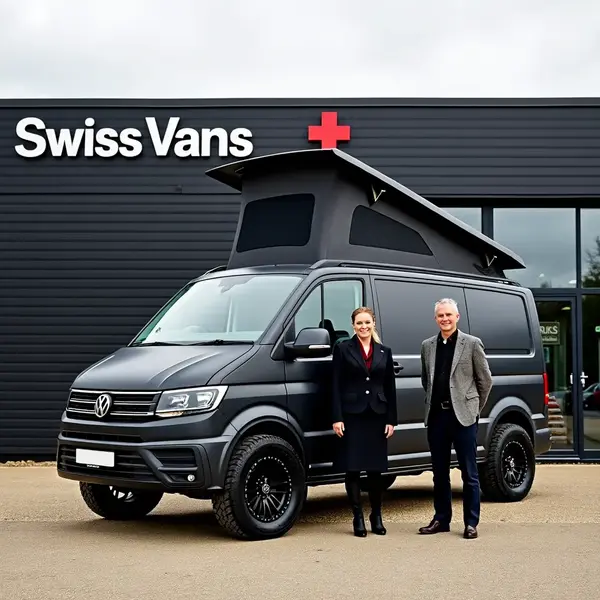
Choosing the Right VW Transporter Model
When selecting a VW Transporter, buyers have several important decisions to make. These choices include the type of van, wheelbase length, and engine options. Each of these factors has a significant impact on the vehicle’s functionality and performance.
Panel Van vs Kombi Buy VW Transporter
The first decision is whether to opt for a Panel Van or a Kombi. The Panel Van is a basic commercial vehicle with a bare interior, making it ideal for businesses or those planning a full camper conversion. It offers a clean slate for customization but lacks some of the comfort features found in other models.
On the other hand, the Kombi provides a balance between commercial and passenger use. It comes with factory-fitted sliding windows, which, while sleeker in appearance, may be prone to leaks over time. The Kombi also features more standard comfort equipment, including better seats with armrests, improved soundproofing, and a more comprehensive climate control system.
For those considering a camper conversion, a panel van with a tailgate and window wash wipe, no bulkhead, and single captain’s seats might be the ideal starting point. However, Window Vans and Shuttles can also serve as excellent base vehicles for conversions, offering additional soundproofing and door seals.
Short Wheelbase vs Long Wheelbase
The choice between buy VW Transporter Short Wheelbase (SWB) and Long Wheelbase (LWB) models is another crucial consideration. The SWB version has a wheelbase of 3,000mm and an overall length of 4,892mm, while the LWB extends to a 3,400mm wheelbase and 5,292mm overall length.
The SWB Transporter offers superior maneuverability, making it ideal for urban environments and tight spaces. Its turning circle is 11.9m, compared to the LWB’s 13.2m. However, the LWB provides additional load capacity, with a load length of 2,975mm versus the SWB’s 2,572mm.
For camper conversions, the LWB offers more interior space, allowing for a full-width RIB bed and additional room for amenities like a fridge and cupboards. It also provides more space in the pop-top area. However, certain LWB accessories may be more expensive than their SWB counterparts.
Engine Options and Performance Buy VW Transporter
The VW Transporter offers a range of engine options, primarily centered around the 2.0-liter diesel engine in various power outputs. The engine choices include:
- 2.0 TDI with outputs ranging from 84PS to 204PS
- 2.0 BiTDI (twin-turbo) with 199PS or 204PS
- 2.0 TFSi petrol engine (less common)
For most users, the 2.0-liter TDI engine is the sweet spot, offering a balance of reliability, performance, and fuel efficiency. The 110PS or 150PS variants are particularly recommended, providing sufficient power for most needs while maintaining good fuel economy.
It’s worth noting that these engines can be remapped to increase power and fuel efficiency relatively inexpensively. For instance, the 90PS variant can be remapped to produce up to 150PS.
Gearbox options include a 5-speed manual, 6-speed manual, and a 7-speed DSG automatic. While the automatic offers convenience, some users prefer the manual options for their simplicity and lower repair costs.
When considering performance, the 148bhp (150PS) TDI engine is a popular choice. It offers brisk acceleration (0-62mph in 11.1 seconds) and ample low-end torque, making it capable of handling fully loaded vans without excessive gear changes. This engine also increases the maximum towing capacity from 2200kg to 2500kg.
In conclusion, choosing the right VW Transporter model involves carefully considering your specific needs in terms of space, performance, and intended use. Whether you’re looking for a commercial vehicle, a family transporter, or a base for a camper conversion, there’s a Transporter configuration to suit your requirements.
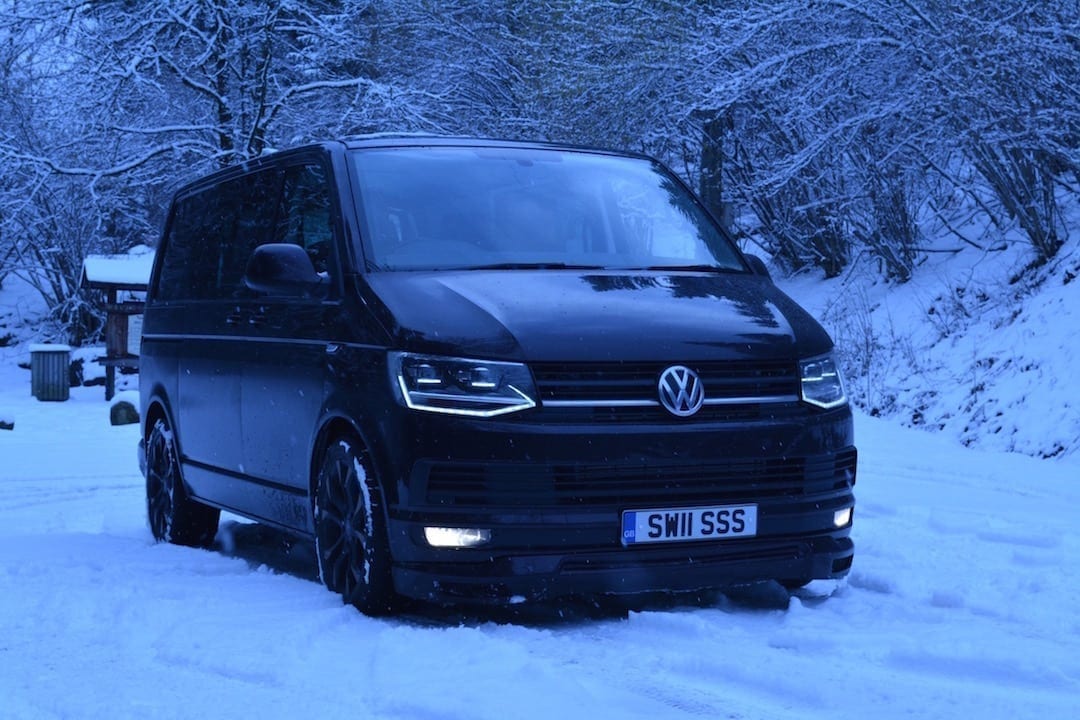
Key Features and Technology
The Volkswagen Transporter stands out with its impressive array of features and cutting-edge technology, making it a top choice for both commercial and personal use.
Cargo Space and Versatility Buy VW Transporter
The Transporter’s cargo space is designed for maximum efficiency and flexibility. The short wheelbase (SWB) model offers a load length of 2,570mm, accommodating 8×4 sheets with ease. For those requiring more space, the long wheelbase (LWB) version can carry up to three Euro pallets.
One of the buy VW Transporter key strengths is its deceptively narrow design. Despite its compact appearance, the width between the wheelarches exceeds 1.2 meters, allowing for a Euro pallet to be loaded lengthways. The rear doors, often referred to as barn doors or wing doors, open to 180 degrees as standard, with an option to extend to 250 degrees. These doors provide a wide opening of 1,486mm, surpassing many competitors at launch.
The Transporter 6.1 panel van takes versatility to the next level with a load space up to 2,975mm long and 1,410mm high. It also features a load-through option, extending the available loading length by 400mm by utilizing space under the passenger seat. This enhancement allows for the transportation of longer items without compromising on safety or comfort.
Safety Systems
Volkswagen has prioritized safety in the Transporter, incorporating advanced systems to protect drivers, passengers, and cargo. The Front Assist system monitors the road ahead, measuring critical distances and alerting the driver to potential collisions. In urban environments, the City Emergency Braking feature activates at speeds up to 18mph, autonomously applying brakes if necessary to avoid accidents or reduce their severity.
Post-Collision Braking is another innovative safety feature. In the event of a collision, this system automatically slows the vehicle to 6mph and activates hazard lights, significantly reducing the risk of secondary impacts. This technology has the potential to prevent numerous accidents and save lives, as estimated by Thatcham Research.
The Transporter also offers an optional lane support system, including Lane Departure Warning (LDW) and Lane Keep Assist (LKA). These features help prevent unintentional lane departures and can intervene in emergency situations. Additionally, a camera-based traffic sign recognition system identifies local speed limits, providing this information to the driver.
Infotainment and Connectivity Buy VW Transporter
The Transporter’s infotainment system is designed to keep drivers connected and informed. The latest radio and navigation systems feature touch-screens up to 8 inches in size, offering full online connectivity through an integrated eSIM card. This connectivity extends to smartphone integration, with both Apple CarPlay and Android Auto supported, allowing for wireless connection in VW Connect and We Connect-ready vehicles.
Volkswagen Connected Services (We Connect/ VW Connect) further enhances the digital experience. Through a smartphone app, users can access a wide range of services, including:
- Parking Position: Locates the parked vehicle and provides directions.
- Service Scheduling: Automatically notifies the preferred Volkswagen retailer when service is due.
- Emergency Call Service: Automatically calls for help in serious incidents.
- Lock and Unlock: Allows remote control of the central locking system via smartphone.
- Online Anti-Theft Alarm: Notifies the owner of break-in attempts through the app or email.
These features not only improve the driving experience but also contribute to the overall efficiency and safety of the vehicle. With its combination of spacious cargo capacity, advanced safety systems, and state-of-the-art connectivity, the Volkswagen Transporter continues to set the standard in its class.
Pricing and Running Costs
New vs Used Prices
The Volkswagen Transporter offers a wide range of pricing options, catering to various budgets and needs. For those considering a new Transporter, prices typically range from £19,900 to £41,750, depending on the model and specifications. The most affordable new Transporters start around £19,900, while top-of-the-line versions can reach up to £57,750.
Used Transporters present a more budget-friendly option, with prices varying significantly based on age, mileage, and condition. Older models from the early 2000s can be found for as low as £1,200, while more recent used Transporters may cost between £5,000 and £35,000. It’s worth noting that Volkswagen Transporters tend to hold their value well, partly due to their popularity and reputation for reliability.
Fuel Economy Buy VW Transporter
Fuel efficiency is a crucial factor in the running costs of a Volkswagen Transporter. The average fuel economy varies depending on the model year and engine type. Based on real-world data from 546 Volkswagen Transporters, covering 7.6 million miles, the fuel economy ranges from 14.5 to 30.8 miles per gallon (MPG).
Recent models show improved fuel efficiency. For instance:
- 2022 models average 25.7 MPG
- 2019 models average 27.1 MPG
- 2017 models average 28.2 MPG
It’s important to note that fuel economy can vary based on driving conditions, load, and individual driving styles. Some owners have reported achieving up to 35 MPG with careful driving and proper maintenance.
Maintenance and Servicing Buy VW Transporter
Regular maintenance is essential for keeping a Volkswagen Transporter running efficiently and minimizing long-term costs. Key maintenance items include:
- Cambelt and water pump replacement: This typically costs between £650 and £750.
- Front crank seal replacement: Adds approximately £100 to the service cost.
- Regular servicing: Volkswagen offers different service plans, including interval inspections and oil changes.
For newer vehicles, buy VW Transporter provides flexible payment options for servicing:
- Monthly payment plans for vehicles less than 12 months old and under 10,000 miles.
- Options include servicing only, servicing and maintenance, or servicing, maintenance, and tires.
These plans can help spread the cost of maintenance over smaller monthly installments, making budgeting easier for owners.
It’s worth noting that some maintenance issues can be costly. For example, one owner reported a quote of over £2,000 for brake fluid change, front crank seal replacement, flywheel bolt replacement, and cambelt/water pump replacement. Shopping around for competitive quotes from different mechanics can help reduce these costs.
To maximize fuel efficiency and reduce running costs, owners can:
- Remove excess weight when not needed, especially for daily driving.
- Keep the vehicle regularly serviced and ensure all parts are up to date.
- Use the correct tire size and type, as this can impact fuel economy due to rolling resistance.
By considering these factors and maintaining their vehicle properly, Volkswagen Transporter owners can manage their running costs effectively while enjoying the benefits of this versatile and popular van.
Alternatives and Competitors
When considering alternatives to the Volkswagen Transporter, several notable competitors stand out in the medium van market. Each offers unique features and benefits, catering to different needs and preferences.
Ford Transit Custom Buy VW Transporter
The Ford Transit Custom has established itself as the UK’s best-selling medium van, and for good reason. Introduced in 2012 and facelifted in 2018, this van has become a common sight on British roads. The Transit Custom boasts one of the best cabins in its class, offering a perfect balance of comfort and functionality. With touchscreen technology, comfortable seats, and well-designed cup holders, Ford has prioritized driver comfort and convenience.
Under the hood, the Transit Custom features Ford’s 2.0-liter TDCi EcoBlue turbodiesel engines, which deliver impressive torque and surprisingly low running costs. The engine lineup includes 105hp, 130hp, 170hp, and a recently added 185hp version for top-range models. Ford has also introduced a 6-speed automatic gearbox option for enhanced driving comfort.
In terms of practicality, the Transit Custom offers payloads ranging from under 700kg to nearly 1,500kg, rivaling some large van sector vehicles. The low-roof versions provide load volumes of up to 6.8 cubic meters, while high-roof variants offer increased headroom for frequent loading bay access.
Mercedes-Benz Vito Buy VW Transporter
The Mercedes-Benz Vito, introduced in 1996, is currently in its third generation, launched in 2014. Named after its manufacturing location in Vitoria, Spain, the Vito offers a unique blend of style and functionality. It’s available in a ‘Sport’ trim, featuring 17-inch alloy wheels, color-coded bumpers, and chrome accents for a more premium appearance.
The Vito stands out with its lower profile compared to competitors, which may appeal to those prioritizing a sleeker look. However, this design choice results in a lower seating position, potentially impacting visibility. The interior, while functional, shows signs of age compared to newer competitors, with a smaller, non-touchscreen display and less modern dashboard design.
Engine options for the Vito include a 1.6-liter diesel from Renault (available in 88bhp and 114bhp variants) for front-wheel-drive models, and Mercedes’ own 2.1-liter diesel (136bhp, 163bhp, and 190bhp) for rear-wheel-drive versions. The 2.1-liter engine comes paired with a 7-speed automatic transmission.
The Vito offers impressive payload capacity, up to 1,344kg, slightly higher than some competitors. While its load volume is somewhat less at 6.6 cubic meters, it’s still substantial for most needs. The van also features dual side loading doors as standard, enhancing accessibility.
Vauxhall Vivaro
The Vauxhall Vivaro presents itself as a more budget-friendly alternative in the medium van segment. While it may not carry the same brand prestige as Volkswagen or Mercedes-Benz, it offers a compelling package for cost-conscious buyers.
However, reliability concerns have been reported by some users. One owner mentioned significant issues with their 2016 Vivaro LWB crew, including a rebuilt gearbox, replacement radiator, and two engine replacements within 44,000 miles. Such experiences highlight the importance of thorough research and consideration of long-term ownership costs when choosing a van.
Despite these potential drawbacks, the Vivaro has its advocates. Some users have reported positive experiences, suggesting that individual experiences may vary. As with any vehicle purchase, it’s crucial to weigh the initial cost savings against potential long-term maintenance expenses and reliability factors.
When comparing these alternatives to the Volkswagen Transporter, it’s clear that each offers distinct advantages. The Ford Transit Custom excels in cabin design and engine efficiency, the Mercedes-Benz Vito provides a premium feel and versatile engine options, while the Vauxhall Vivaro offers a more budget-friendly entry point. Ultimately, the choice depends on individual priorities, whether they be comfort, reliability, payload capacity, or initial purchase price.
Conclusion Buy VW Transporter
The Volkswagen Transporter has proven itself as a versatile and reliable choice in the medium van market. Its rich history, coupled with continuous innovations, has an influence on its enduring popularity among businesses and individuals alike. The range of models, from panel vans to kombis, and the variety of engine options allow buyers to find a Transporter that fits their specific needs. The van’s impressive cargo space, advanced safety features, and modern connectivity options further solidify its position as a top contender in its class.
When considering a buy VW Transporter purchase, it’s crucial to weigh factors such as new versus used prices, fuel economy, and maintenance costs. While the initial investment might be higher compared to some competitors, the Transporter’s reputation for reliability and strong resale value often justify the cost in the long run. In the end, whether choosing a Transporter or exploring alternatives like the Ford Transit Custom or Mercedes-Benz Vito, the decision should be based on individual requirements, budget constraints, and long-term ownership considerations.
FAQs Buy VW Transporter
What is the most recommended model of Volkswagen Transporter to purchase?
The VW Transporter T5 and T6 models are highly recommended due to their robustness and adaptability. They offer various engine choices, with the 2.0-liter TDI engine being particularly praised for its reliability.
At what mileage should one avoid buying a used VW Transporter?
While VW Transporters are known for their durable engines that can exceed 250,000 miles, it’s generally advisable to opt for a used Transporter with under 100,000 miles. This range is considered safe, especially if the vehicle has been well-maintained by its previous owner.
Is investing in a VW Transporter a smart decision?
Yes, investing in a VW Transporter, especially a professionally converted campervan, is considered a smart choice. These vehicles tend to maintain their value well over time, particularly if they are well-kept and of high conversion quality.
What is the expected lifespan of a VW Transporter?
A VW Transporter, especially the T5 model, is noted for its dependability and longevity. With proper upkeep, a T5 Transporter can typically achieve up to 250,000 miles before it might need significant engine repairs.