 Call us on
Best Van Lease Deals
Best Van Lease Deals : Your Guide
In today’s best van lease deals fast-paced business world, securing the best short term van lease deals has become crucial for companies looking to optimize their fleet operations without breaking the bank. Whether it’s for a small startup or a large corporation, finding cost-effective van leasing options can significantly impact a company’s bottom line. The market is flooded with various offers, making it challenging for businesses to navigate through the sea of choices and identify the most advantageous deals. Source
This comprehensive guide aims to equip readers with the knowledge and strategies needed to secure the most favorable van lease agreements. It will cover essential topics such as understanding the basics of van leasing, factors that affect lease deals, how to research and compare offers, negotiation techniques, and potential hidden costs to watch out for. By the end of this article, readers will be well-prepared to make informed decisions and find the van lease deals that best suit their business needs and budget constraints.
Understanding Best Van Lease Deals
Top Van Lease Options Across the UK
Van leasing and affordable ford van leasing deals is a long-term rental agreement that allows businesses or individuals to use a van or pick-up truck for a set period without owning it outright. This arrangement offers an alternative to purchasing a vehicle, often proving to be a more cost-effective solution for many companies. Over recent years, van leasing has gained popularity among sole traders, partnerships, and limited companies due to its financial advantages.
The concept is similar to renting, but typically for an extended duration. Leasing provides the exclusive use of a vehicle for a predetermined time, usually ranging from two to four years. This option allows businesses to access newer models with up-to-date technology and safety features without the burden of ownership.
How Does Van Leasing Work?
The process of best van lease deals is straightforward. At the beginning of the contract, the customer pays an initial rental, which is generally smaller compared to the deposits required for other van finance options. Following this, the lessee makes a series of monthly payments for the duration of the lease term. Bad Credit
Here’s a breakdown of the typical van leasing process:
- Initial Payment: A small upfront cost to start the lease.
- Monthly Payments: Regular payments throughout the lease term.
- Lease Duration: Usually between two to four years.
- Vehicle Return: At the end of the contract, the van is handed back to the finance provider.
One of the key benefits of leasing is that it frees businesses from worrying about vehicle depreciation or the hassle of selling the van later, as these responsibilities lie with the finance provider. This arrangement allows companies to focus on their core operations while enjoying the use of a reliable vehicle.
Types of Best Van Lease deals
There are several types of van leases available, catering to different business needs and preferences:
- Business Contract Hire (BCH): This is the most popular van leasing contract type. It’s suitable for sole traders, partnerships, and limited companies. With BCH, you pay for the use of the vehicle throughout your contract and return it to the finance company at the end without any further obligations.
- Business Contract Purchase (BCP): This option is designed for VAT-registered companies that want to own their vehicles while avoiding the risk of depreciating assets. BCP involves a series of monthly installments, with ownership passing to the lessee at the end of the contract following a final payment.
- Business Lease Purchase: This is a popular choice for businesses that want to buy the vehicle but prefer not to spend money upfront. It involves fixed monthly payments with the option to purchase the van at the end of the agreement.
- Personal Contract Hire (PCH): This is a long-term lease agreement for private individuals. Similar to BCH, you pay for the vehicle’s use throughout the contract and return it at the end without further obligations.
- Personal Contract Purchase (PCP): This finance agreement gives you the option to purchase the vehicle at the end of the term. It involves an initial rental, followed by monthly rentals, and a final lump sum payment if you choose to buy the van.
Each of these best van lease deals offers different advantages, allowing businesses to choose the most suitable arrangement based on their financial situation, tax implications, and long-term vehicle needs. By understanding these basic concepts of van leasing, businesses can make informed decisions about their fleet management strategies, potentially leading to more efficient operations and better financial planning. See all small van leasing deals
Factors Affecting Best Van Lease Deals
When considering van lease deals, several key factors influence the terms and costs. Understanding these elements helps businesses make informed decisions and secure the best possible arrangements for their needs.
Van Make and Model Best Van Lease Deals
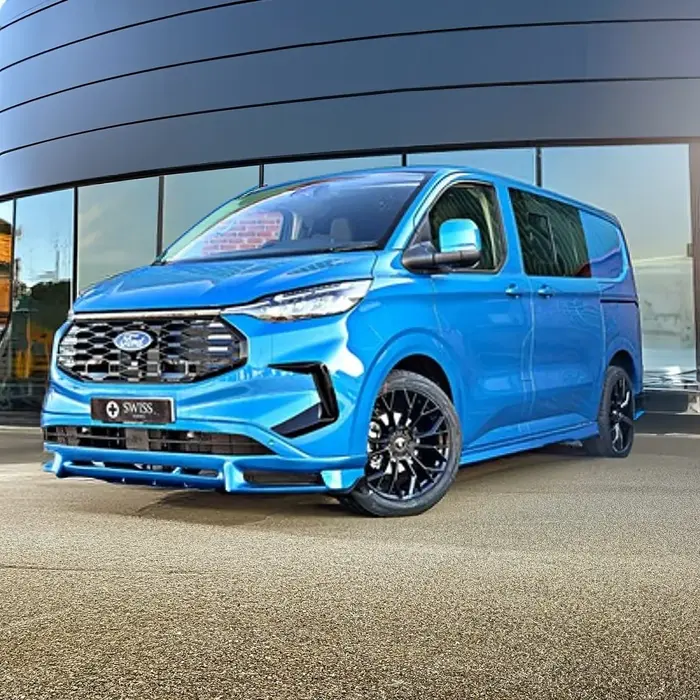
The specific make and model of the van play a crucial role in determining lease costs. Different variants of the same model, such as the Ford Transit Custom, can have varying prices based on features, color schemes, and size differences. It’s essential to compare the exact specifications when evaluating lease offers, as cheaper options might lack essential features for your business needs.
Lease Term and Mileage Best Van Lease Deals
The duration of the lease and the agreed-upon mileage allowance significantly impact monthly payments. Typical lease durations range from 24 to 48 months, with longer terms often resulting in lower monthly costs. Mileage allowance is equally important, as it affects the vehicle’s depreciation and, consequently, the lease price.
Mileage limits serve to protect the residual value of the van and help leasing companies manage their risk. Higher mileage increases wear and tear, potentially leading to more mechanical issues and decreased profitability for the leasing company. Most funders require a minimum of 5,000 miles per year, but the upper limit can extend to 50,000 miles annually or 180,000 miles over the entire agreement.
To determine an appropriate mileage allowance, businesses should:
- Review past MOT certificates to estimate annual usage
- Calculate average monthly mileage and multiply by 12
- Consider future business needs and potential changes in driving habits
-
Best Van Lease Deals
Initial Payment
The initial payment, often referred to as the initial rental, directly affects monthly lease costs. A higher upfront payment typically results in lower monthly rentals. Most customers opt for a three to six-month initial rental, though some finance providers allow up to 12 months upfront. It’s important to note that this payment is non-refundable and forms part of the lease contract.
Residual Value Best Van Lease Deals
The estimated residual value of the van at the end of the van lease term has a significant impact on monthly payments. A higher anticipated residual value often leads to lower monthly costs. Factors influencing residual value include:
- Vehicle popularity
- Market demand for used vans
- Overall condition and mileage at lease end
Some lease agreements include a balloon payment at the end of the term, which is based on the van’s estimated residual value. While this can lower monthly payments, it’s crucial to ensure the balloon payment aligns with the van’s expected value to avoid unexpected costs at the end of the electric van lease.
When evaluating van lease deals, it’s essential to consider all these factors holistically. A deal that appears attractive due to low monthly payments might have hidden costs or unfavorable terms in other areas. Businesses should carefully review lease agreements, paying attention to details such as:
- Delivery charges and admin fees
- Fair Wear & Tear policies
- Maintenance responsibilities
- Early termination penalties
By thoroughly understanding these factors and how they interplay, businesses can navigate the van leasing market more effectively, securing deals that align with their operational needs and financial objectives.
Researching and Comparing Deals
Securing the best van lease deal requires thorough research and careful comparison. By leveraging various resources and tools, businesses can find the most suitable and cost-effective options for their needs.
Online Comparison Tools Best Van Lease Deals
Online platforms have revolutionized the way businesses search for van lease deals. These tools allow users to compare millions of deals from top leasing companies quickly and easily. Here’s how to make the most of these resources: See Hybrid Van Lease
- Select preferences: Choose the make, model, specifications, and initial rental payment that suit your business needs.
- Compare deals: Browse through the compiled offers from various UK leasing providers, all in one place.
- Evaluate options: Use unique scoring systems, like the LocoScore algorithm, which rates deals out of 100. Deals scoring 70 and above are considered good value.
- Tailor search: Narrow down options based on factors such as contract length, annual mileage, and initial payment amount.
- Send inquiries: Once you’ve found a suitable deal, send an inquiry or call the leasing company directly through the comparison platform.
These online tools save time and effort, eliminating the need to spend hours or days searching the internet for the best deal. They often provide transparent pricing, with no hidden fees added to the advertised price.
Dealer Offers Best Van Lease Deals
While online platforms offer convenience, exploring deals directly from van dealers can also yield favorable results. Here’s what to consider when researching dealer offers:
- Local Business dealerships: Visit or contact nearby van dealerships to inquire about their current lease promotions.
- Manufacturer-specific deals: Some dealers may have exclusive offers and deposits on certain van makes and models.
- Negotiation potential: Unlike online platforms, dealing directly with a dealer might allow for some negotiation on terms or additional perks.
- Test drives: Visiting a dealership provides the opportunity to test drive the van, ensuring it meets your business requirements.
- Face-to-face consultation: Dealers can offer personalized advice based on your specific business needs and usage patterns.
Manufacturer Promotions
Van manufacturers often run promotional campaigns that can result in attractive lease deals even for refrigerated van lease. Here’s how to stay informed about these offers:
- Official websites: Regularly check the websites of van manufacturers for their latest lease promotions. Such as small van lease offers
- Newsletter subscriptions: Sign up for email newsletters from manufacturers to receive updates on special offers.
- Seasonal deals: Look out for end-of-year or new model release promotions, which can offer significant savings.
- Fleet discounts: If leasing multiple vans, inquire about fleet discounts or special rates for business customers.
- Limited-time offers: Be prepared to act quickly on time-sensitive deals that offer exceptional value.
When researching and comparing van lease deals, it’s crucial to consider factors beyond just the monthly payment. Evaluate the total cost of the lease, including initial payments, mileage allowances, and any additional fees. Also, consider the reputation and reliability of the leasing company or dealer. See
Remember that the cheapest deal isn’t always the best. Factor in the van’s suitability for your business needs, the terms of the lease agreement, and the level of customer service provided. By thoroughly researching and comparing deals from various sources, businesses can make informed decisions that align with their operational requirements and financial goals. See Van Leasing Bristol
Negotiating the Best Lease Terms
Securing favorable lease terms requires a strategic approach and careful consideration of various factors. By understanding the negotiation process and leveraging key tactics, businesses can significantly improve their van lease deals.
Timing Your Lease
The timing of a van lease agreement can have a substantial impact on the terms and costs. Certain periods throughout the year offer more advantageous conditions for lessees:
- New Model Releases: Following the introduction of new van models, lessees can often secure better deals on previous versions. This is because the residual value of these vehicles is at its highest, resulting in lower monthly payments due to reduced depreciation costs.
- Registration Plate Changes: In the UK, March and September are crucial months for new registration plate releases. Leasing a van around these times can provide access to the latest plate formats, such as the 23 plates in March 2023 or the 73 plates in September 2023.
- Seasonal Considerations: Depending on the type of van needed, seasonal timing can be advantageous. For instance, leasing an off-road capable van before winter can ensure preparedness for challenging weather conditions.
- End-of-Year Deals: Manufacturers and dealerships often offer special promotions towards the end of the year to meet sales targets. This period can yield attractive lease terms for savvy negotiators.
Leveraging Competition
To secure the best van lease deal, it’s crucial to leverage competition among leasing providers:
- Obtain Multiple Quotes: Research and compare offers from various leasing companies. This approach provides a comprehensive view of the market and strengthens your negotiating position.
- Compare Beyond Monthly Payments: When evaluating deals, look beyond just the monthly costs. Consider factors such as maintenance packages, mileage allowances, and additional services included in the lease.
- Use Competitive Quotes: If a preferred leasing provider’s offer isn’t satisfactory, presenting them with better quotes from competitors can encourage them to improve their terms.
- Be Prepared to Walk Away: Having alternative options gives you the confidence to walk away from unfavorable deals, potentially prompting better offers.
Asking for Extras
Negotiating additional benefits can significantly enhance the value of a van lease deal:
- Focus on Vehicle Cost: Begin negotiations by discussing the vehicle’s selling price rather than monthly payments. A lower vehicle cost can lead to reduced depreciation fees, finance charges, and sales tax.
- Request Free Add-Ons: Similar to purchasing a vehicle outright, lessees can ask for complimentary extras such as additional features or services.
- Mileage Allowance: Pay close attention to the mileage limits in the lease agreement. Negotiating a higher mileage allowance can prevent unexpected charges for exceeding the agreed-upon limit.
- Maintenance Packages: Some leasing providers may be willing to include maintenance packages or extend warranty coverage as part of the negotiation process.
- Flexible Terms: Discuss the possibility of adjusting lease terms, such as the duration or initial payment, to better suit your business needs. See Van Leasing Manchester
When entering lease negotiations, it’s essential to be well-prepared and informed. Research current market rates, understand the vehicle’s specifications, and have a clear idea of your budget and requirements. Remember that while leasing companies have standard calculations for determining monthly payments, there’s often room for negotiation on commission and other aspects of the deal.
Approach negotiations confidently, showcasing your knowledge of leasing processes. Be transparent about your research and willingness to explore other options if a fair agreement can’t be reached. This approach positions you as a serious and informed lessee, potentially leading to more favorable terms.
Hidden Costs and Fees to Watch Out For
When leasing a van, it’s crucial to be aware of potential hidden costs and fees that may arise during or at the end of the lease term. Understanding these charges can help businesses make informed decisions and avoid unexpected expenses.
Excess Mileage Charges
One of the most common hidden costs in van leasing is excess mileage charges. These fees apply when a lessee exceeds the pre-agreed mileage allowance specified in the contract. The charges are calculated at a pence-per-mile rate, which varies depending on the finance provider and the vehicle. See Fiat Van Leasing
For example, if the excess mileage charge is 5p per mile and the lessee exceeds their allowance by 1,000 miles, they would incur a £50 charge at the end of the lease. It’s important to note that:
- Mileage limits are set annually but are typically calculated over the entire lease term.
- Unused miles from previous years can often be carried forward.
- Some providers offer tiered excess mileage rates, with different charges applying at various thresholds.
To avoid these charges, lessees should carefully consider their expected mileage when setting up the lease agreement. If necessary, they can request a mileage extension during the lease term, which may result in adjusted monthly payments but can help avoid costly excess mileage fees. See Pick Up Truck Lease deals
Wear and Tear Fees
At the end of the lease term, the van undergoes a detailed inspection to assess its condition. Any damage beyond what is considered “fair wear and tear” can result in additional charges. The British Vehicle Rental and Leasing Association (BVRLA) provides guidelines on what constitutes fair wear and tear, which typically depends on the van’s age and mileage.
Common issues that may lead to wear and tear fees include:
- Dents, scuffs, scratches, and scrapes on the exterior
- Damage to the loading floor or lining
- Broken or cracked grilles and bumpers
- Wheel and trim damage
- Broken windows or lights
- Interior damage such as stains, rips, or burns
To minimize these charges, lessees should:
- Regularly inspect and maintain the van throughout the lease term
- Address any damage promptly
- Ensure all repairs are carried out professionally
- Keep the van clean and well-maintained
- Return all original equipment and documentation
Early Termination Penalties
If a lessee needs to end their van lease agreement before the contracted term, they may face early termination penalties. These fees can be substantial and are typically calculated based on the remaining payments in the contract. See all Citroen Van Leasing
The exact cost of early termination varies depending on the finance company and the specific circumstances. Some common reasons for early termination include:
- Financial difficulties
- Relocation
- Change in business needs
- Finding a better deal near the end of the contract
It’s important to note that early termination fees can sometimes amount to 50% or more of the remaining monthly payments. For example, if a lessee has 18 months left on a £300 per month contract, they could face a termination fee of £2,700 or higher.
To avoid or minimize these penalties, lessees should:
- Carefully consider the lease term when setting up the agreement
- Explore options for transferring the lease if circumstances change
- Understand the specific terms and conditions related to early termination in their contract
By being aware of these potential hidden costs and fees, businesses can make more informed decisions when leasing vans and take steps to avoid unexpected expenses throughout the lease term.
Conclusion Best Van Lease Deals
Securing the best van lease deals has a significant impact on a company’s financial health and operational efficiency. This guide has shed light on the key aspects to consider, from understanding the basics of van leasing to navigating hidden costs. By carefully weighing factors such as the van model, lease terms, and market timing, businesses can make informed decisions that align with their needs and budget constraints.
To wrap up, the process of finding the right van lease deal involves thorough research, smart negotiation, and a keen eye for potential pitfalls. Armed with the insights from this guide, companies are now better equipped to explore the van leasing market confidently. Remember, the goal is not just to find the cheapest option, but to secure a deal that offers the best value and supports the company’s long-term objectives.
FAQs Best Van Lease Deals
1. Can self-employed individuals benefit from leasing a van?
Absolutely! Self-employed individuals can significantly benefit from leasing a van. Advantages include tax benefits, lower monthly payments, coverage under a full manufacturer’s warranty, the ability to frequently upgrade to newer models, and predictable costs.
2. What are some potential drawbacks to leasing a van?
While leasing a van offers several benefits, it also has some drawbacks, including mileage limits, lack of ownership, and potentially higher costs over the long term. It’s crucial to consider both the advantages and disadvantages to decide if leasing is the right option for your business.
3. How does van leasing work?
Van leasing functions similarly to a long-term rental. It allows you to use a van or pick-up truck exclusively for a predetermined period, typically 2, 3, or 4 years. The process begins with an initial rental payment, followed by regular monthly payments throughout the duration of the lease agreement.
4. Is a good credit rating necessary to lease a van?
While there is no specific credit score required to lease a van, having a good credit rating can improve your chances of securing a lease with a low rate. Different finance companies have varying policies; some may approve leases for those with lower credit scores, while others may not.