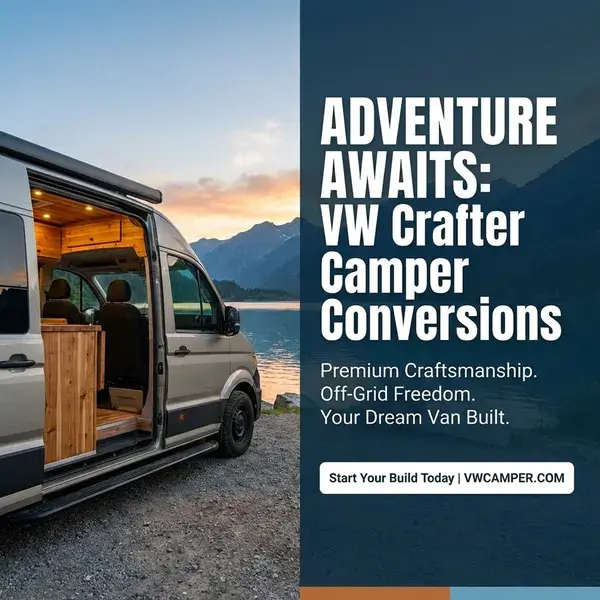
VW Crafter Camper Conversion
VW Crafter Camper Conversion:Dream Home
The VW Crafter camper conversion has become a popular choice for those seeking to transform their van into a home on wheels. This versatile vehicle offers ample space and customization options, making it an ideal base for creating a personalized camper. From weekend warriors to full-time travelers, the VW Crafter provides a canvas to build the ultimate mobile living space, combining comfort and functionality. Source
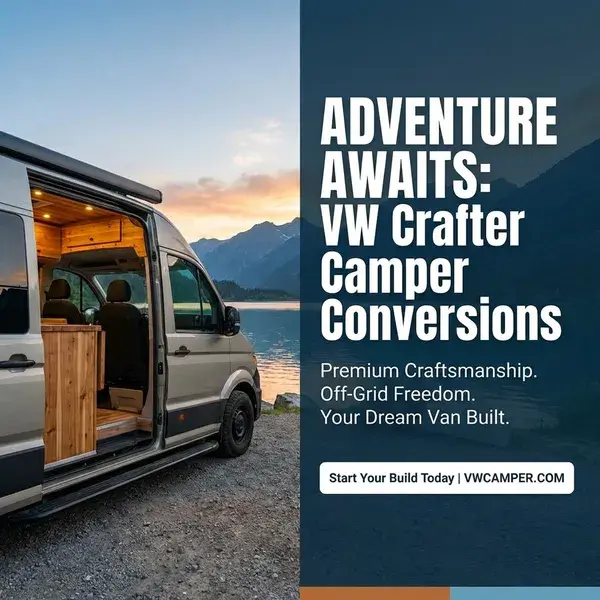
This comprehensive guide will explore the essential aspects of converting a VW Crafter Camper Conversion. It will cover choosing the right model, planning the conversion process, and weighing the pros and cons of DIY versus professional conversions. Additionally, it will delve into equipping the camper for off-grid adventures, ensuring that travelers have everything they need to enjoy life on the road. By the end, readers will have a clear understanding of how to transform their VW Crafter into their dream home on wheels. See all VW Crafter for sale
Choosing the Right VW Crafter Model for Your Conversion
Selecting the ideal VW Crafter model for a camper conversion is crucial to creating the perfect home on wheels. The Crafter offers various options, including different wheelbases, roof heights, and engine sizes, each with its own advantages for campervan enthusiasts. See VW Crafter lease deals
Medium vs Long Wheelbase
The VW Crafter Camper Conversion comes in both medium wheelbase (MWB) and long wheelbase (LWB) options. The MWB Crafter is more versatile for city driving and everyday use, while still providing ample space for conversion. It can fit into most parking spaces and has a maximum capacity of around 12 cubic meters. See all New VW Crafter
The LWB VW Crafter Camper Conversion, measuring just under 7 meters in length, offers more interior space, making it ideal for those who prioritize roominess. This model allows for the inclusion of a spacious bathroom, a complete kitchen and dining area, and a fixed bed at the rear, with additional storage space underneath. See VW Crafter racking
When deciding between MWB and LWB VW Crafter Camper Conversion, consider your intended use. If you need extra space for a large family or extensive gear, the LWB might be the better choice. However, if maneuverability and versatility are priorities, the MWB could be more suitable. VW Crafter 4×4
High Roof vs Pop-Top Options VW Crafter Camper Conversion
The Volkswagen Crafter is available in three roof heights: low, medium, and high. The high-roof Crafter is the largest option, providing the most internal space with a maximum capacity of around 15 cubic meters. This configuration is perfect for long-distance trips and those who value standing room. VW Crafter motorhomes
Alternatively, some converters opt for a pop-top roof, which offers additional headroom when parked while maintaining a lower profile while driving. Pop-top roofs are available from various manufacturers, including SCA, Reimo, and Austops. They provide flexibility in design and can be a great option for those who want to maintain the van’s original esthetics.
When choosing between a high roof and a pop-top, consider factors such as your height requirements, desired aerodynamics, and potential parking restrictions. High roofs offer constant standing room but may limit access to some parking structures, while pop-tops provide a more streamlined appearance but require setup when camping.
Key Features to Consider
When selecting a VW Crafter for conversion, several key features deserve attention:
- Engine size: The Crafter is available with a 2.0-liter engine in both petrol and diesel versions, with power outputs ranging from 108 bhp to 181 bhp. For a camper conversion, it’s recommended to choose at least the 134 bhp engine to ensure adequate performance when fully loaded.
- Transmission: Both manual and automatic options are available. Choose based on your driving preferences and intended use.
- Drive system: All Crafter campervans come with rear-wheel drive (RWD), offering good traction and stability, especially when heavily loaded.
- Trim levels: The Crafter typically comes in two trim options: Trendline and Highline. Consider which features are important for your conversion and daily use.
- Weight: All Wildworx conversions weigh less than 3.5 tons after the interior fit-out, allowing them to be driven on a standard UK driving license.
By carefully considering these factors, you can choose the VW Crafter model that best suits your camper conversion needs, ensuring a comfortable and functional home on wheels.
Essential Steps for Planning Your Crafter Conversion
Planning a VW Crafter camper conversion requires careful consideration and preparation. By following these essential steps, individuals can transform their van into a comfortable and functional home on wheels.
Setting a Budget VW Crafter Camper Conversion
One of the first steps in planning a VW Crafter camper conversion is setting a realistic budget. The cost can vary significantly depending on the chosen materials, features, and whether it’s a DIY project or a professional conversion. For example, a basic DIY conversion might cost around £1,000 for insulation and heating, while a high-end professional conversion could reach £35,000 or more.
When budgeting, consider the following factors:
• The cost of the base van (a new VW Crafter can cost £35,000+) • Materials and equipment • Labor costs (if hiring professionals) • Electrical setup (including solar panels, batteries, and inverters) • Amenities and features (kitchen, bathroom, sleeping arrangements)
It’s advisable to allocate extra funds for unexpected expenses or upgrades. Some converters have successfully completed their projects within a £20,000 budget, including the cost of purchasing the van. Some people sepnd £1000 on VW Crafter alloys alone
Designing Your Layout VW Crafter Camper Conversion
Creating an efficient and comfortable layout is crucial for a successful VW Crafter camper conversion. Consider the following aspects when designing:
• Sleeping arrangements (fixed bed, convertible bed, or pop-top roof) • Kitchen area (including sink, hob, and storage) • Seating and dining space • Bathroom facilities (toilet and shower options) • Storage solutions
When planning the layout, think about the intended use of the camper. For weekend trips, a simpler layout might suffice, while full-time travelers may require more amenities and storage space.
Some popular VW Crafter camper conversion ideas include:
• Installing swivel seats for versatile seating options • Using convertible beds to maximize space • Incorporating underslung tank systems for water storage • Adding a pop-top roof for extra headroom and sleeping space
Obtaining Necessary Permits VW Crafter Camper Conversion
Before starting the conversion process, it’s essential to research and obtain any required permits or certifications. In the UK, there are specific requirements for changing a vehicle’s body type to a “motor caravan” with the DVLA:
- The vehicle must meet DVLA’s policy for body types.
- External features should be recognizable as those of a motor caravan.
- The conversion must not compromise the vehicle’s safety.
To apply for a body type change, you’ll need to provide:
• A completed motor caravan conversion checklist • The V5C document showing the current body type • Interior and exterior photos of the converted van • A photo of the vehicle identification number (VIN)
It’s important to note that the DVLA may require an inspection of the vehicle, which they will cover the cost of, but transportation expenses are not reimbursed.
By carefully considering these essential steps – setting a budget, designing the layout, and obtaining necessary permits – individuals can ensure a smooth and successful VW Crafter camper conversion process, creating their ideal home on wheels.
DIY vs Professional Conversion: Pros and Cons
When it comes to a VW Crafter camper conversion, individuals have the option to either tackle the project themselves or hire professionals. Both approaches have their advantages and drawbacks, which should be carefully considered before making a decision.

Cost Comparison
One of the most significant factors in choosing between DIY and professional conversion is the cost. A DIY VW Crafter camper conversion can be considerably more budget-friendly, with some basic conversions starting as low as £500. This cost can increase to around £15,000 for a more comprehensive DIY build, excluding the price of the base van. On the other hand, professional conversions typically start at around £23,568.90 for a minimal interior build and can easily exceed £78,563.01 for high-end, fully equipped campervans.
The cost savings of a DIY conversion can be substantial, allowing individuals to allocate their budget more flexibly. However, it’s important to note that unexpected expenses can arise during a DIY project, and the final cost may exceed initial estimates.
Time Investment VW Crafter Camper Conversion
Time is another crucial factor to consider when deciding between DIY and professional conversion. A DIY VW Crafter camper conversion can take anywhere from 7 weeks to 7 months to complete, depending on factors such as available free time, the number of people involved, and individual skills. For those with busy lifestyles or limited time to spare, a DIY conversion can be a significant time commitment.
Professional conversions, in contrast, can be completed much more quickly. Some companies can finish a conversion in as little as 4 weeks, allowing individuals to start their adventures sooner. This time-saving aspect can be particularly beneficial for those planning to use their campervan for full-time living or extensive travel.
Quality and Safety Considerations
Quality and safety are paramount when converting a VW Crafter into a camper. DIY conversions allow for a high degree of personalization and hands-on knowledge of the build. This can be advantageous when it comes to maintenance and repairs on the road. However, DIY builders must be cautious about safety, especially when dealing with electrical systems and gas installations.
Professional conversions often come with certifications and warranties, ensuring that the work meets safety standards and regulations. For example, some professional converters are officially accredited by Volkswagen and Ford, providing additional assurance of quality and safety. These accreditations often include rigorous safety testing and quality system certifications.
When considering a DIY conversion, it’s crucial to research thoroughly and seek professional help for complex systems like electrical wiring. Many self-builders opt to have their work checked by qualified professionals to ensure safety and compliance with regulations.
Equipping Your Crafter Camper for Off-Grid Adventures
Transforming a VW Crafter into a fully-equipped camper for off-grid adventures requires careful planning and consideration of essential systems. By installing the right components, travelers can enjoy extended periods of self-sufficiency and explore remote locations with comfort and ease.
Power Systems and Solar Panels
A robust power setup is crucial for off-grid living in a VW Crafter camper conversion. Many enthusiasts opt for a combination of solar panels, leisure batteries, and inverters to ensure a reliable energy supply. A popular configuration includes 555W of Victron solar panels, which can generate sufficient power during spring, summer, and autumn in the UK. This setup typically consists of three 185W panels mounted on the roof.
To store this energy, high-capacity leisure batteries are essential. A system with 560Ah Fogstar Drift Lithium Batteries, comprising two 280Ah units, provides ample power storage for extended trips. These batteries offer a significant advantage over traditional lead-acid batteries due to their longer lifespan and improved efficiency.
For charging while driving, a 50amp Victron Orion XS DC to DC charging system is an excellent addition. This allows the leisure batteries to charge from the vehicle’s alternator during travel, ensuring a topped-up power supply upon arrival at a destination.
Water Storage and Filtration
Adequate water storage is vital for off-grid adventures in a VW Crafter camper. Many conversions incorporate both fresh and gray water tanks. A popular option is an 82-liter underslung fresh water tank, specially designed for the VW Crafter 2017 onwards. This tank fits against three chassis members underneath the van, maximizing space efficiency.
For waste water, a separate tank is necessary. Some campers opt for a 23-liter side-fill waste water tank, which can be easily emptied when facilities are available. It’s crucial to have a system for monitoring water levels to manage consumption effectively.
Water filtration is another important consideration for off-grid travel. Installing a high-quality water filter ensures clean, safe drinking water, regardless of the source. This can be particularly useful when refilling tanks from natural water sources during extended trips.
Heating and Cooling Solutions
To make a VW Crafter camper comfortable in various climates, efficient heating and cooling systems are essential. For heating, many converters choose a diesel heater, which can provide cost-effective warmth using the vehicle’s fuel supply. These heaters are typically compact and efficient, making them ideal for camper conversions.
For cooling, a popular choice is the Dometic FreshWell 3000 under-bench air conditioning unit. This system is designed for vehicles up to 8 meters in length, making it suitable for most VW Crafter conversions. The under-bench installation saves valuable space and doesn’t affect the vehicle’s exterior profile.
Proper ventilation is also crucial for maintaining a comfortable interior environment. Installing roof vents or windows that can be opened allows for natural airflow, reducing the need for powered cooling systems in milder weather.
Conclusion
The VW Crafter camper conversion has a significant impact on transforming a simple van into a comfortable and versatile home on wheels. From choosing the right model to equipping it for off-grid adventures, this guide covers all the essential aspects to create a personalized mobile living space. Whether opting for a DIY approach or professional conversion, careful planning and consideration of power systems, water storage, and climate control are crucial to ensure a successful transformation.
In the end, a well-executed VW Crafter camper conversion opens up a world of possibilities for adventure and exploration. It provides the freedom to travel and live comfortably on the road, whether for weekend getaways or full-time living. With the right setup, individuals can enjoy the flexibility and independence that comes with having a home on wheels, ready to embark on new journeys and create lasting memories.
FAQs VW Crafter Camper Conversion
- Is it necessary to register a van conversion as a camper? Registering your van conversion as a motor caravan with the DVLA is not mandatory if you only plan to sleep in it. However, there are several advantages to officially registering your conversion.
- What is the cost range for converting a VW Crafter into a campervan? The initial cost of a Volkswagen Crafter suitable for conversion ranges from £5,000 for a used model to £50,000 for a new, high-spec version. The conversion itself, especially for a fully off-grid setup, typically costs between £15,000 and £35,000.
- How much time does it take to convert a van into a camper? The duration of a camper van conversion varies widely. Most projects take between three months to a year, but depending on the complexity and personal dedication, it could extend up to three years.
- What should you consider when converting a van into a camper? When planning a van conversion, set a clear budget first. Consider your essential needs from a campervan, choose the appropriate size, and ensure adequate ventilation. Also, plan for electrical power and gas requirements, invest in good insulation, and arrange for both fresh and waste water storage. Lastly, make sure the furniture you select fits properly in the space.