 Call us on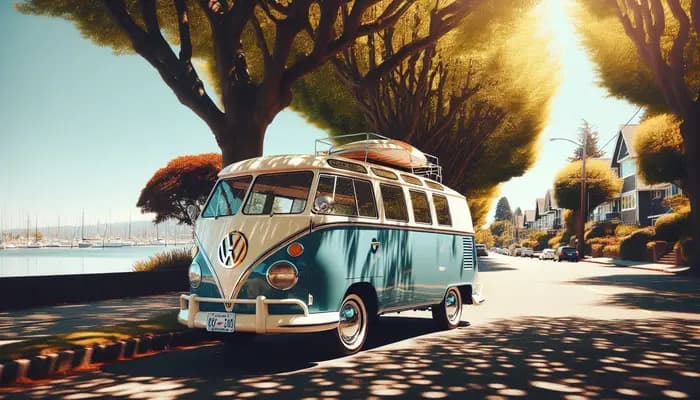
VW Bus For Sale
VW Bus For Sale
The classic Volkswagen Bus, an enduring symbol of freedom and adventure, continues to captivate automotive enthusiasts worldwide. With its distinctive design and rich cultural significance, the VW Bus has transcended its original purpose as a simple utility vehicle to become a highly sought-after collector’s item. Today, finding a VW Bus for sale presents an exciting opportunity for those looking to own a piece of automotive history or embark on a unique restoration project.
For potential buyers, the market offers a wide range of options, from meticulously restored 1967 VW Busses to more affordable project vehicles. Whether browsing VW Amarok For Sale in London or a Volkswagen Bus for sale in Texas, California, or South Carolina, or searching for an old Volkswagen van for sale at local dealerships, enthusiasts can find models spanning several decades. The availability of the new VW Bus 2024 has also renewed interest in classic models, prompting many to explore vintage options, including the iconic 1966 VW Bus or the beloved “hippie van” from the 1970s.
The Iconic VW Bus: A Brief History
Classic & Modern VW Buses
The story of the Volkswagen Bus began in 1947, when Dutch Volkswagen importer Ben Pon visited a VW factory in Wolfsburg. Inspired by a stripped-down Beetle used as a parts-mover, Pon sketched a design for a new vehicle that could easily transport people or goods. This initial concept bore similarities to the 1920s Rumpler Tropfenwagen and 1930s Dymaxion car, though neither of those reached production.
Volkswagen’s chief executive officer, Heinz Nordhoff, approved the van for production on May 19, 1949. The first model, designated as Type 2, rolled off the assembly line on November 12 of the same year. Initially, only two models were offered: the Kombi, with removable middle and rear seats, and the Commercial. The Microbus joined the lineup in May 1950, followed by the Deluxe Microbus in June 1951.
Evolution through the decades
The VW Bus, unlike other rear-engine Volkswagens, underwent complete revisions periodically. These variations were retrospectively referred to as versions “T1” to “T5,” a nomenclature invented after the introduction of the front-drive T4.
The Type 2, along with the 1939 Citroën TUB and the 1947 Citroën H Van, pioneered the ‘forward control’ van concept in Europe. This design placed the driver above the front roadwheels, starting a trend followed by other European manufacturers in the 1950s and 1960s.
Throughout its production run, the VW Bus adapted to changing needs and preferences. Its simple styling and usefulness as a vehicle for home, work, and play made it popular among diverse groups. The roomy interior, rear-wheel drive, and air-cooled engine made it easy to operate and maintain. In the United States, it became a cost-effective alternative to the family station wagon.
Cultural impact and popularity
The VW Bus quickly became an icon of popular culture, earning various nicknames across different regions. In Europe, it was known as the Combi (short for “combination-use vehicle”) and the Splittie (referencing the split windshield). However, it gained worldwide fame as the “hippie van,” a moniker that cemented its place in cultural history.
The 1960s saw the rise of the hippie movement, which influenced nearly every aspect of young adult life, from music to fashion to politics. The VW Bus became intrinsically linked to this counterculture, appearing on album covers like Bob Dylan’s 1963 “The Freewheelin’ Bob Dylan” and in films such as “Fast Times at Ridgemont High” (1982).
The van’s association with beach culture in the 1950s made it an ideal vehicle for surfers, capable of transporting both surfboards and groups of friends. As the Vietnam War ignited and the Civil Rights Movement gained momentum, the VW Bus found itself at the center of social change. It was even used to bus black children to and from school in segregated Charleston, South Carolina.
The versatility of the VW Bus led to various adaptations. Outdoor enthusiasts began outfitting it as a camper, prompting Volkswagen to collaborate with Westfalia, a German company known for building carts and wagons, to create camper conversion kits. The first VW Westfalia campers were exported to the United States in 1956.
After 41 years of production, the original VW Bus ceased production in 1991. However, its legacy continues to captivate automotive enthusiasts and cultural historians alike. In a nod to its enduring popularity, Volkswagen announced in 2017 that they would be introducing an electric VW microbus based on the new MEB platform in 2022, bringing this iconic vehicle into the modern era.
Why Buy a Classic VW Bus?
The classic Volkswagen Bus holds a special place in automotive history, offering a unique blend of nostalgia, investment potential, and practicality. For those considering purchasing a VW Bus for sale, there are several compelling reasons to take the plunge.
Nostalgic appeal
The VW Bus, particularly the iconic Type 2 Microbus, evokes a strong sense of nostalgia for many. It represents an era of freedom, adventure, and counterculture that resonates with people across generations. The vehicle’s association with the 1960s and early 1970s makes it a symbol of a time when it served as an antidote to the industrialization and standardization of the 1950s.
This nostalgic appeal extends beyond just memories. In today’s climate, purchasing a classic VW Bus can fulfill a sentimental longing for happier times. It offers a tangible connection to the past, allowing owners to relive or experience the irreverent, youthful spirit that Volkswagen captured with its iconic designs.
Investment potential
Contrary to what some might expect, classic VW Busses have proven to be sound investments. Their value has shown remarkable resilience and growth over time, making them an attractive option for those looking to diversify their investment portfolio.
- Value retention: Professionally converted Volkswagen campervans often hold their value better than standard vans, especially when well-maintained and completed to a high quality.
- Strong resale value: VW campervans are known for retaining a high resale value due to their popularity, durability, and iconic status. Some models can retain up to 70% of their value after five years, ensuring a good return on investment.
- Supply and demand: The continued high market demand for VW campervans, coupled with their limited supply, contributes to their strong resale value. Even models with high mileage, such as the VW T5, maintain their value exceptionally well.
- Inflation hedge: As the supply of classic VW Busses dries up, their value is likely to continue increasing, potentially outperforming traditional investment vehicles like government bonds or money market funds.
Versatility and practicality
Beyond their nostalgic charm and investment potential, classic VW Busses offer remarkable versatility and practicality for their owners.
- Multi-purpose vehicle: A Volkswagen Transporter campervan serves as both an everyday travel vehicle and an adventure-ready companion. Its versatile design allows for a multitude of uses, from daily commuting to weekend getaways.
- Spacious interior: The VW Bus’s ingenious and practical interior design offers ample space for passengers and cargo. For example, some models can comfortably seat up to nine occupants while still providing a large, roof-high luggage compartment.
- Conversion potential: Many VW Busses serve as excellent bases for camper conversions. This flexibility allows owners to customize their vehicles to suit their specific needs and preferences.
- Reliable performance: Volkswagen’s reputation for producing quality vehicles with lasting performance and minimal maintenance needs extends to their classic Bus models. The 2.0 Type 4 engine, for instance, is highly regarded for its impressive capabilities and suitability for highway cruising.
- Easy maintenance: The simplicity of classic VW Bus designs makes them relatively easy to maintain and repair. This characteristic is particularly appealing to enthusiasts who enjoy working on their own vehicles.
In conclusion, buying a classic VW Bus offers a unique combination of emotional satisfaction, financial potential, and practical utility. Whether one is drawn to its nostalgic charm, seeking a sound investment, or in need of a versatile vehicle, the VW Bus continues to captivate and deliver value to its owners.
What to Look for When Buying
When searching for a VW bus for sale, potential buyers should carefully evaluate several key aspects to ensure they’re making a sound investment. These iconic vehicles require thorough inspection due to their age and unique characteristics. Here’s what to focus on:
Rust and body condition VW Bus For Sale
Rust is a common issue in classic VW Busses and can be more expensive to fix than mechanical problems. Prospective buyers should conduct a comprehensive examination of the vehicle’s body:
- Check the floorboards for rusted-out spots
- Examine the inside of each wheel arch
- Inspect the entire body for rust spots, especially those that have created holes
- Look for spreading rust, as it can indicate more severe damage
- Assess for large dents that might require part replacement
Surface rust is generally acceptable, but holes caused by rust can be costly and challenging to repair. Bodywork on VW Busses can be expensive, and finding skilled technicians for these vintage vehicles can be difficult.
Additionally, watch for signs of water damage, such as damp carpets, which could indicate underlying rust issues. Inspect the paintwork for irregularities or bubbling, as these can be telltale signs of rust beneath the surface.
Engine and mechanical health VW Bus For Sale
The mechanical condition of a VW Bus is crucial for its longevity and performance. Here are key areas to examine:
- Gearbox: During a test drive, ensure all gears work properly. While VW Busses aren’t known for smooth gear changes, they shouldn’t fall out of gear or produce whining noises. Check the gearbox for worn-out cables or other visible issues.
- Oil and fluids: Check the oil level and inspect the area where the bus is parked for any leaks. After a test drive, recheck for leaks. Look for unusually dirty parts of the engine, which might indicate past oil leaks.
- Water system: Examine the water tank for oil contamination and vice versa. Mixing of these fluids can suggest serious problems like a broken head gasket.
- Brakes: During the test drive, ensure the brakes don’t cause the bus to veer to one side and that the brake pedal doesn’t go all the way to the floor. These issues could indicate brake fluid leaks or other significant problems.
If possible, bring along someone knowledgeable about engines to help assess the vehicle’s mechanical condition. For certain models, such as the 1.4, 1.8, and 2.0 TFSI and TSI engines, consider a more in-depth check including compression and oil pressure tests.
Interior and features
While many buyers plan to renovate the interior, it’s still important to assess its current condition:
- Headlining: Check for tears or rips that might be too large to repair. Replacing the entire headlining can be expensive, so factor this into your decision.
- General condition: Evaluate the overall state of the interior. While you may plan to customize it, a well-maintained interior can indicate how the previous owners cared for the vehicle.
- Electrical systems: Test all lights and basic electrical components to ensure they’re functioning correctly.
Remember, owning a VW Bus or VW California Beach is about more than just the vehicle itself; it’s about embracing a lifestyle. However, a thorough inspection before purchase can save you from unexpected expenses and ensure you’re getting a vehicle that will provide years of enjoyment on the road.
Restoration Considerations
When considering the restoration of a classic VW Bus, owners face several important decisions that can significantly impact the outcome and cost of the project. These considerations range from choosing between DIY and professional restoration to understanding the various cost factors involved and sourcing the necessary parts and resources.
DIY vs Professional Restoration VW Bus For Sale
The decision between DIY and professional restoration is crucial and depends on several factors:
- Skill level: If the owner has experience with mechanical work and bodywork, a DIY approach might be feasible. However, for those new to vehicle restoration, professional help may be necessary.
- Time commitment: DIY restorations often take longer but can be more rewarding. Professional restorations, while typically faster, come at a higher cost.
- Quality of work: Professional restorers often have the expertise to achieve a higher quality finish, especially for complex tasks like bodywork and paint.
- Learning curve: DIY restoration offers an opportunity to learn new skills, but mistakes can be costly.
For those opting for a DIY approach, it’s essential to research thoroughly and be prepared for challenges. As one enthusiast noted, “Learn to do it yourself. I was a programmer who never touched a greasy thing and now I have no fear tearing into anything.”
Cost Factors VW Bus For Sale
Restoration costs can vary widely depending on the vehicle’s condition and the desired outcome. Key cost factors include:
- Bodywork: Rust repair is often the most expensive aspect of restoration. As one expert mentioned, “Do it right and have all that rust removed. No one knows how much rust damage something like that has until you start removing the paint.”
- Mechanical work: Engine rebuilds, transmission repairs, and suspension work can add significant costs.
- Interior restoration: Upholstery and cabin restoration can be surprisingly expensive.
- Paint: A high-quality paint job can cost several thousand pounds.
- Parts: Vintage VW Bus parts have become increasingly expensive over the years.
It’s important to note that restoration costs often exceed the vehicle’s market value. As one restorer advised, “General rules are whatever you think for time and cash, then times by three. Oh, and you never sell it for more than the restoration costs, so it’s got to be a labor of love rather than to make money.”
Finding Parts and Resources
Sourcing parts for a classic VW Bus restoration can be challenging but is crucial for a successful project:
- Specialized suppliers: Many companies specialize in VW Bus parts, offering both new reproduction parts and used original components.
- Online marketplaces: Websites and forums dedicated to VW enthusiasts can be excellent resources for hard-to-find parts.
- Swap meets and shows: VW-specific events often feature vendors selling rare and vintage parts.
- Networking: Joining VW Bus clubs and online communities can provide valuable connections and resources.
- Fabrication: For some rare parts, custom fabrication might be necessary.
When sourcing parts, it’s crucial to balance cost with quality. As one restorer noted, “Parts have gotten expensive. Better set aside £19.64K if you want a nice bus or £7.86K for a sound but needs some minor bodywork bus.”
In conclusion, restoring a classic VW Bus is a significant undertaking that requires careful planning, research, and often a substantial financial investment. Whether opting for a DIY approach or professional restoration, understanding these considerations can help ensure a more successful and satisfying restoration process.
Owning and Maintaining a VW Bus
Owning a VW Bus is not just about having a vehicle; it’s about embracing a lifestyle. These iconic vans require regular care and attention to keep them running smoothly and to preserve their unique charm. Whether you have a classic model or a more recent version, proper maintenance is crucial for ensuring longevity and optimal performance.
Regular maintenance tips
To keep a VW Bus in top condition, owners should follow a regular maintenance schedule. This includes:
- Oil changes: Engine oil should be changed or topped up according to the manufacturer’s recommendations. Using the correct oil specifications helps maintain engine performance and fuel efficiency.
- Air filter replacement: Check the air filter at least once a month, especially if driving in dusty areas. Replace it as needed to ensure proper engine function.
- Transmission fluid: Regularly check the transmission fluid levels using the dipstick. Low levels could indicate a leak, which should be addressed promptly.
- Battery maintenance: For batteries that require topping up, check the electrolyte levels weekly. Use distilled water for top-ups and clean any corrosion from the terminals.
- Tire care: Commercial vehicle tires wear out faster than those on private cars. Regularly check tire treads, rotate tires as recommended, and have wheel alignment checked during servicing.
Addressing common issues VW Bus For Sale
VW Busses, like any vehicle, can experience specific issues. Being aware of these can help owners address problems early:
- Flywheel problems: Listen for rattling or knocking sounds when idling, which may indicate a need for flywheel replacement.
- EGR valve issues: Reduced acceleration, engine performance, and fuel economy could signal problems with the EGR valve. Regular long-distance drives can help prevent valve clogging.
- Water pump leaks: Check for puddles under the engine or leaks around the water pump. Use the correct engine coolant and flush the system regularly to prevent issues.
- Window leaks: T5 models are prone to leaking windows. Consider replacing original windows or applying sealant to prevent water ingress.
- Rust prevention: Although not highly susceptible, regularly clean wheel arches and check for rust buildup, especially in older models.
Joining the VW Bus community
Owning a VW Bus offers more than just transportation; it provides an opportunity to join a vibrant community of enthusiasts. Joining a VW camper owners club in the UK can provide numerous benefits:
- Access to exclusive events and resources
- Discounts on parts and services
- Networking opportunities with fellow enthusiasts
- Expert advice on maintenance and restoration
Some notable clubs include:
- The Volkswagen Type 2 Owners Club: Caters exclusively to VW Transporter and camper enthusiasts.
- The Hampshire Volkswagen Owners Club: Hosts regular events and provides valuable knowledge sharing.
- The Cornwall Volkswagen Owners Club: Offers resources and support for maintaining all types of VW vehicles.
- The Historic Volkswagen Club: Dedicated to preserving the history of Type 1 Volkswagen vehicles built before 1979.
By joining these communities, VW Bus owners can enhance their experience, gain valuable insights, and connect with like-minded individuals who share their passion for these iconic vehicles.
Conclusion
The classic VW Bus holds a special place in automotive history, offering a unique blend of nostalgia, investment potential, and practicality. Its enduring appeal stems from its role as a symbol of freedom and adventure, making it a sought-after collector’s item. Whether you’re drawn to its iconic design, looking to invest, or seeking a versatile vehicle, owning a VW Bus provides a chance to be part of a vibrant community and experience a piece of cultural history.
For those considering buying a classic VW Bus, it’s crucial to carefully evaluate the vehicle’s condition, focusing on rust, mechanical health, and interior features. The restoration process, whether DIY or professional, requires careful planning and often a significant investment. However, with proper maintenance and care, a VW Bus can provide years of enjoyment on the road. In the end, owning a VW Bus is more than just having a vehicle – it’s about embracing a lifestyle and joining a passionate community of enthusiasts.
FAQs VW Bus For Sale
Currently, there are no frequently asked questions available related to the article on “Classic VW Bus for Sale: Owning a Piece of Automotive History.” Please check back later for updates.