Van Racking Solutions UK
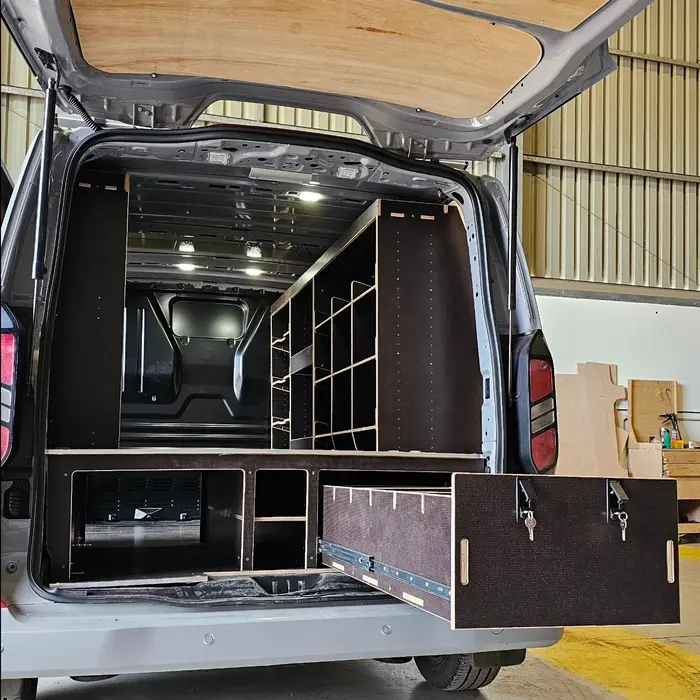
Mk2 Kit Variant
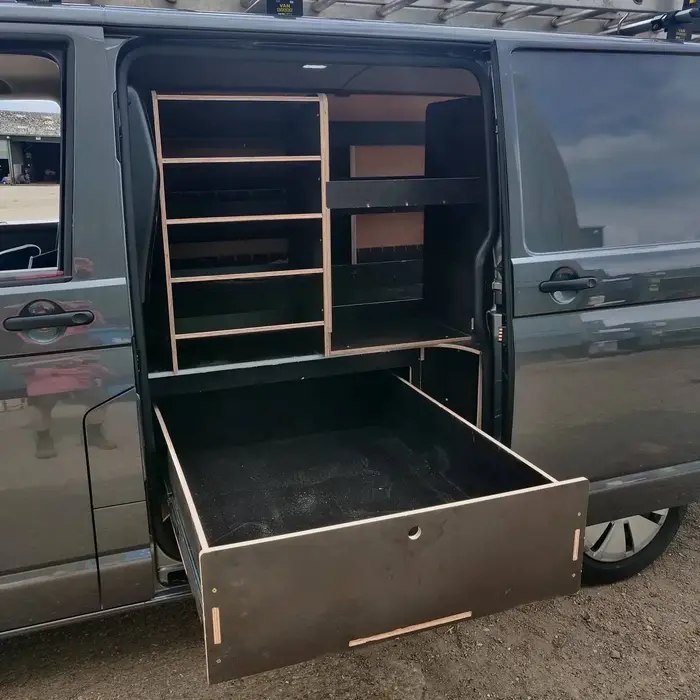
Bespoke
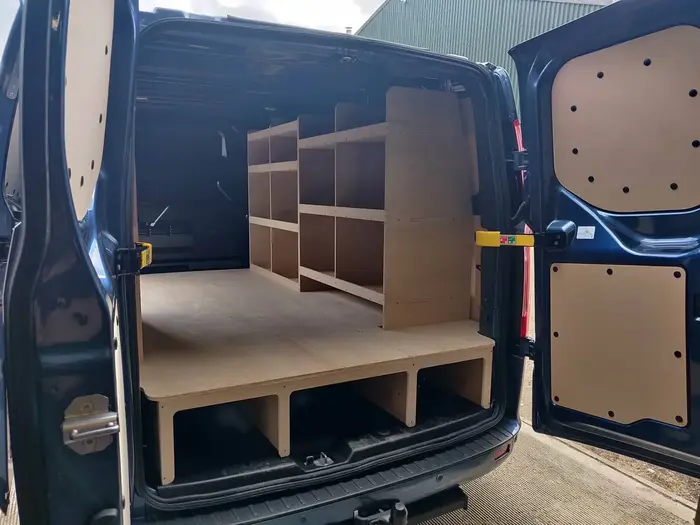
Mk 2 Variant
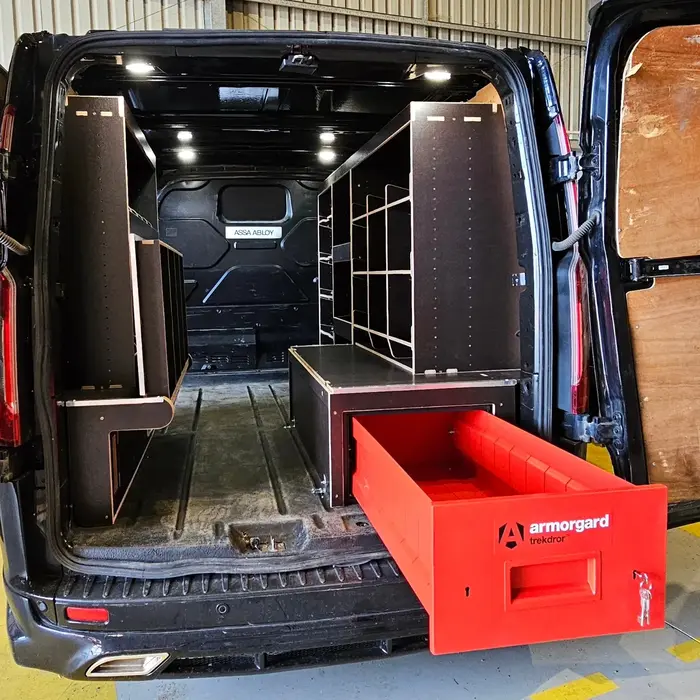
MK 2 Variant Flip Floor
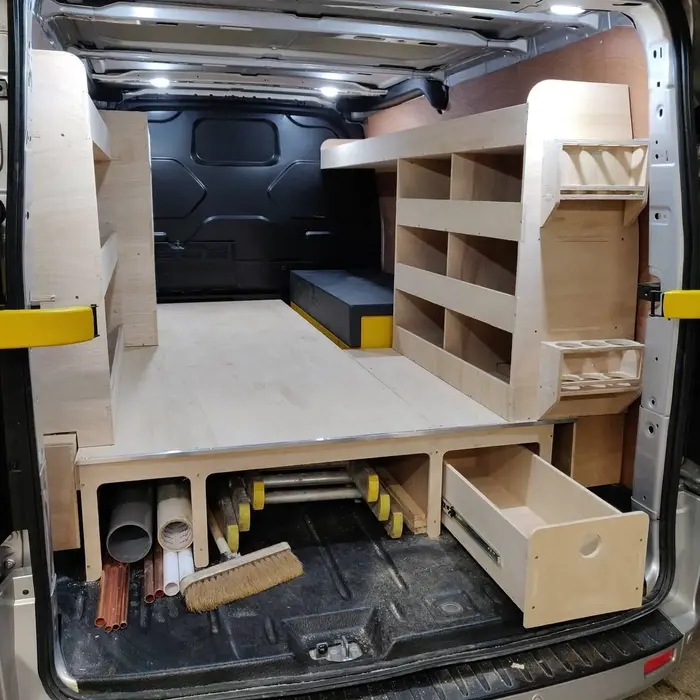
MK 2 Version
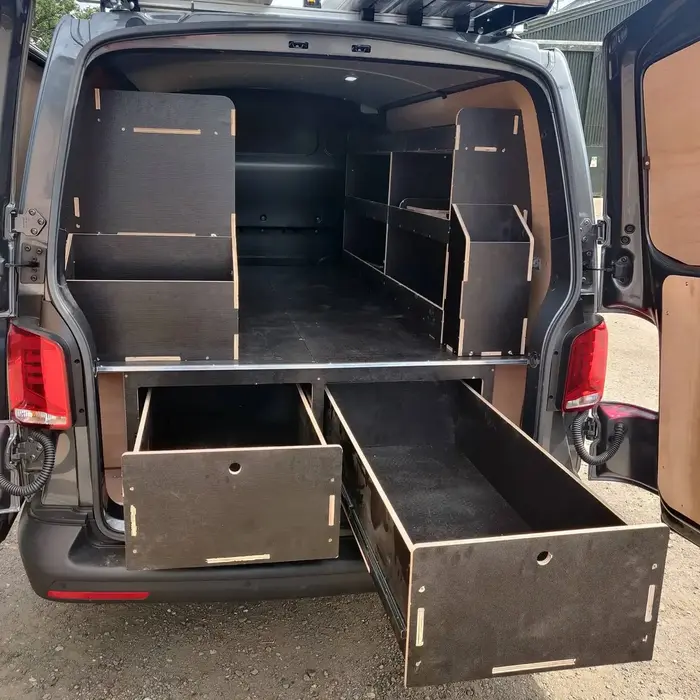
MK 2 Version
Van Racking
On every work van we sell you have the option to get a bespoke racking system added. This is fitted free at their headquarters near London.
Or we can fit here in Wales
We have our own design slants incorporated for the start of 2025 Build 2
Including a new Tool Purchase Scheme
As a professional Van Racking tradesperson, I know that organizing my work van is crucial for maximizing efficiency on the job. Van racking systems have revolutionized the way we store and access tools and materials, making our work lives much easier. From metal van racking to modular solutions, there’s a wide range of options available to suit every need and vehicle size.
In this comprehensive guide, we’ll explore everything you need to know about van racking. We’ll dive into the different types of systems, help you choose the right solution for your needs, and provide tips on installation and maximizing efficiency. Whether you’re looking for small van racking ideas or seeking the best van racking systems for your trade, we’ve got you covered. By the end of this article, you’ll have all the information you need to transform your work van into a well-organized, mobile workspace.
Understanding Van Racking Systems
Van racking systems are essential for transforming your work vehicle into an organized, efficient mobile workspace. These systems come in various types, materials, and configurations to suit different needs and preferences.
Organised & Secure Storage
There are several types of van racking systems available, each designed to address specific requirements:
-
Shelving Units Van Racking: These are the backbone of most van racking systems, providing a structure for organizing tools and equipment.
-
Drawer Units Van Racking: Perfect for storing smaller items, these units offer secure and easily accessible storage.
-
Workbenches Van Racking : Some van racking systems include built-in workbenches, creating a mobile workspace within your van.
-
Modular Systems Van Racking : These flexible systems allow you to customize your van’s layout according to your changing needs.
-
Folding Racking Van Racking: Ideal for courier and parcel services, these systems offer maximum flexibility while efficiently using the available loading space.
Materials Used Van Racking
The choice of materials for van racking can significantly impact its weight, durability, and functionality. The two most common materials are:
-
Metal: Steel and aluminum are popular choices for van racking. Metal racking systems are lightweight, durable, and offer a sleek appearance. They’re particularly suitable for heavy-duty use and can withstand the rigors of daily work. Aluminum shelves are extremely lightweight and available in adjustable or welded systems.
-
Wood: Wooden racking systems, often made from plywood, offer a cost-effective and customizable solution. They’re easier to install and modify but may be heavier and less durable than metal options. Wood is ideal for creating tailored van builds but may not be suitable for heavy materials and equipment.
Benefits for Tradespeople Van Racking
Investing in a quality van racking system offers numerous advantages for tradespeople:
-
Improved Organization: A well-organized van reduces the risk of misplacing or losing tools, saving time and frustration on the job.
-
Enhanced Productivity: With everything in its designated place, you can quickly locate and access your tools, increasing overall efficiency.
-
Better Space Utilization: Van racking systems help maximize the available space in your vehicle, allowing you to carry more equipment and supplies.
-
Increased Safety: Properly secured tools and equipment reduce the risk of items shifting during transit, creating a safer work environment.
-
Professional Image: A neat and organized van reflects positively on your business, potentially attracting more clients and improving your professional reputation.
-
Protection for Tools and Equipment: Secure storage prevents damage to valuable tools during transport, potentially saving money on replacements in the long run.
-
Customization: Many van racking systems offer modular components, allowing you to tailor the setup to your specific needs and adapt as your requirements change.
By understanding the types, materials, and benefits of van racking systems, you can make an informed decision when choosing the best solution for your trade vehicle.
Choosing the Right Van Racking Solution
When it comes to selecting the perfect van racking system for your needs, there are several factors to consider. Let’s dive into the key aspects that will help you make an informed decision.
Assessing Your Needs Van Racking
Before diving into the world of van racking, it’s crucial to take a step back and evaluate what you actually need. The right storage solution should be tailored to your specific requirements. Start by taking stock of what you typically carry in your van. Are they large tools and equipment or smaller items? Do you have numerous fixings or fittings that require their own compartments? See all VW Van Centres
Understanding your daily routine and workflow can help optimize your van’s layout. For instance, if there are tools or supplies you use frequently, you may want these items easily accessible. Consider not just your current needs, but potential future needs as well. If your inventory changes often, you might want a more versatile and adjustable racking system.
Considering Vehicle Specifications
The make and model of your van play a crucial role in determining the right racking solution. The size and type of your van will dictate what kind of storage solutions you can implement. Consider factors like the height, width, and length of your van’s cargo area.
It’s also important to think about the weight of any racking you plan to install, as it will eat into your van’s payload capacity. A report by Arval found that an increased payload contributed to a loss in fuel efficiency: with a 75% payload, fuel economy dropped by 21.2% in tests the firm carried out. Therefore, it’s worth considering if heavy van racking will hinder your vehicle’s performance.
Modern, lightweight racking can help to maximize the carrying capacity and payload of a vehicle and generally increase its efficiency in use. Materials like aluminum are popular choices for van racking as they’re lightweight, durable, and offer a sleek appearance.
Budget Considerations
While not the only factor, your budget will play a role in determining what kind of storage solutions you can afford. The obvious attraction of installing van racking yourself is lower cost. However, it’s important to consider the long-term implications.
Often, tradespeople opt for DIY ply van racking due to its cheaper initial cost. However, long-term there are a huge number of financial implications. Not only is ply heavy (therefore difficult to fit and costly on fuel) but it also has a much shorter lifespan than metal alternatives.
Remember that a well-organized van can increase efficiency and productivity, which can save you money in the long run. Investing in a quality van racking system might seem expensive initially, but it can pay off through improved organization, enhanced productivity, and better space utilization.
When considering your budget, also factor in the time it takes to install the system. A custom build project will clock up a lot of hours, which could be spent on the job. Some professional systems are designed for easy, no-drill installation, potentially saving you time and money.
Installing Your Van Racking System
When it comes to installing van racking systems, you have two main options: DIY installation or professional installation. Both approaches have their merits, and the choice depends on your skills, time, and budget. Let’s explore both options and consider some important safety considerations.
DIY Installation Tips
For those who are handy and want to save some money, DIY installation of van racking can be a rewarding project. Here are some tips to help you get started:
-
Plan carefully: Before you start drilling, measure your van’s interior and create a detailed plan. Consider what tools and equipment you need to store and how you’ll access them.
-
Choose the right materials: Lightweight materials like aluminum are ideal for van racking. They’re durable and won’t add unnecessary weight to your vehicle.
-
Use proper tools: Make sure you have all the necessary tools, including a drill, screwdriver, level, and measuring tape.
-
Start with the floor: Install a plywood floor to provide a solid base for your racking system. This will also help protect your van’s original floor.
-
Secure everything properly: Use appropriate fixings to ensure your racking is securely attached to the van’s structure.
-
Consider modular systems: These allow for easy customization and future changes as your needs evolve.
Professional Installation Options
If you’re not confident in your DIY skills or simply don’t have the time, professional installation is a great option. Many companies specialize in van racking solutions and can provide expert advice and installation. Here’s what to expect:
-
Consultation: A professional will assess your needs and design a custom solution for your van.
-
Quality materials: They’ll use high-quality, lightweight materials designed specifically for van racking.
-
Efficient use of space: Professionals know how to maximize every inch of your van’s interior.
-
Proper installation: They’ll ensure everything is securely installed and meets safety standards.
-
Warranty: Many professional installations come with a warranty for added peace of mind.
Safety Considerations
Whether you choose DIY or professional installation, safety should be your top priority. Here are some key safety considerations:
-
Weight distribution: Ensure your van racking system distributes weight evenly to maintain vehicle stability.
-
Secure storage: All tools and equipment should be securely stored to prevent them from becoming projectiles in case of sudden stops or accidents.
-
Crash testing: Consider using crash-tested van racking systems for maximum safety.
-
Ventilation: If you’re storing chemicals or paints, ensure proper ventilation to prevent fume buildup.
-
Fire safety: Include a fire extinguisher in your van racking setup.
-
Regular checks: Periodically inspect your van racking system for any loose fittings or wear and tear.
Remember, a well-installed van racking system not only improves your efficiency but also enhances safety on the job. Whether you choose DIY or professional installation, take the time to do it right. Your van is your mobile workspace, and a properly installed racking system will make it work harder for you.
Maximizing Efficiency with Van Racking
When it comes to making the most of your van racking system, organization is key. By implementing smart strategies and using the right accessories, we can transform our work vans into efficient mobile workspaces. Let’s explore some practical ways to maximize efficiency with van racking.
Organizing Tools and Equipment
The first step in boosting efficiency is to organize our tools and equipment properly. We need to think about our daily routine and workflow to optimize the van’s layout. For frequently used items, it’s best to keep them easily accessible. We can use angled shelves for boxed tools, which secure them during transit while allowing easy access. For tools not stored in boxes, a false floor with a pull-out drawer is an excellent option.
To organize small fixings, we can use plastic organizers or adjustable racking with dividers. This flexibility allows us to adapt to our changing needs. For cleaning equipment, adjustable racking with a front lip or bungee strap ensures everything stays in place during transit.
Implementing a Labeling System
A well-implemented labeling system can save us time and frustration. By clearly marking shelves, drawers, and bins, we can quickly locate specific items without rummaging through everything. We can use color-coding for different categories of tools or types of jobs. This system not only helps us find what we need faster but also makes it easier to put things back in their proper place.
For a professional touch, we can use a label maker to create uniform, easy-to-read labels. Some van racking systems even come with built-in labeling options, making it even easier to keep everything organized.
Maintenance Tips
Regular maintenance of our van racking system is crucial for long-term efficiency. Here are some tips to keep our setup in top shape:
-
Regular cleaning: We should set aside time each week to remove trash, organize tools, and wipe down surfaces. This prevents dirt and debris from accumulating and ensures a professional appearance.
-
Check for loose fittings: Periodically inspect the racking system for any loose screws or fittings. Tightening them up can prevent damage and extend the life of our setup.
-
Update the system: As our needs change, we should be willing to update our van racking system. This might mean adding new accessories or rearranging the layout to accommodate new tools or equipment.
-
Maintain tools: Keeping our tools clean and in good working order not only extends their life but also makes our work more efficient.
By following these strategies for organizing, labeling, and maintaining our van racking system, we can significantly boost our efficiency on the job. A well-organized van not only saves time but also presents a professional image to our customers.
Conclusion
Van racking systems have a profound influence on the way tradespeople organize their mobile workspaces. By implementing the right solution, professionals can boost their productivity, enhance safety, and present a more polished image to clients. The choice between DIY and professional installation, along with careful consideration of materials and vehicle specifications, plays a crucial role in creating an efficient mobile workspace.
To wrap up, maximizing efficiency with van racking goes beyond just installation. It involves thoughtful organization of tools and equipment, smart labeling systems, and regular maintenance. By putting these strategies into action, tradespeople can transform their vans into well-organized, efficient workspaces that save time and streamline their daily operations. This attention to detail in van organization can lead to improved job performance and customer satisfaction.
FAQs
What is the main function of van racking systems?
Van racking systems serve as the foundation for efficient operations in mobile workspaces, primarily by optimizing space usage and improving organizational efficiency, which is crucial for those who work on the road.
What advantages do van racking systems offer?
Van racking systems enhance the functionality of your vehicle by allowing for efficient use of space, speeding up the process of finding and accessing tools and equipment, minimizing damage to items during transit, and serving as a long-term investment in your mobile operations.
How can I ensure that racking is securely attached inside a van?
To securely install racking in a van, consider these steps: choose appropriate flooring, install and secure the shelving correctly, evenly distribute weight, utilize shelf dividers and locking doors, and employ magnets and ratchet straps to keep everything in place.
Does installing racking affect van insurance costs?
Interestingly, installing professional racking systems in your van can lead to lower insurance premiums. This is because racking helps in securely organizing tools and equipment, reducing the perceived risk by insurance providers compared to having loose items in the vehicle.