 Call us on
Van PCP Finance Options
In today’s world of vehicle financing, van PCP has become an increasingly popular option for those seeking flexibility and affordability. Personal Contract Purchase (PCP) deals for vans offer a unique way to drive a new or used commercial vehicle without the hefty upfront costs typically associated with outright purchases. This financing method has gained traction across the UK, with many major manufacturers like Ford, Volkswagen, and Renault offering attractive van PCP deals to suit various needs and budgets. Source
Understanding van PCP is crucial for anyone considering this financing option. This guide will explore how van PCP works, its advantages, and potential drawbacks. We’ll also delve into end-of-agreement options, compare van PCP to other financing methods like leasing, and discuss the availability of deals for different types of vans, including camper vans and electric models. Whether you’re looking for a new Ford Transit or a used VW Transporter, this comprehensive overview will help you make an informed decision about van PCP financing.
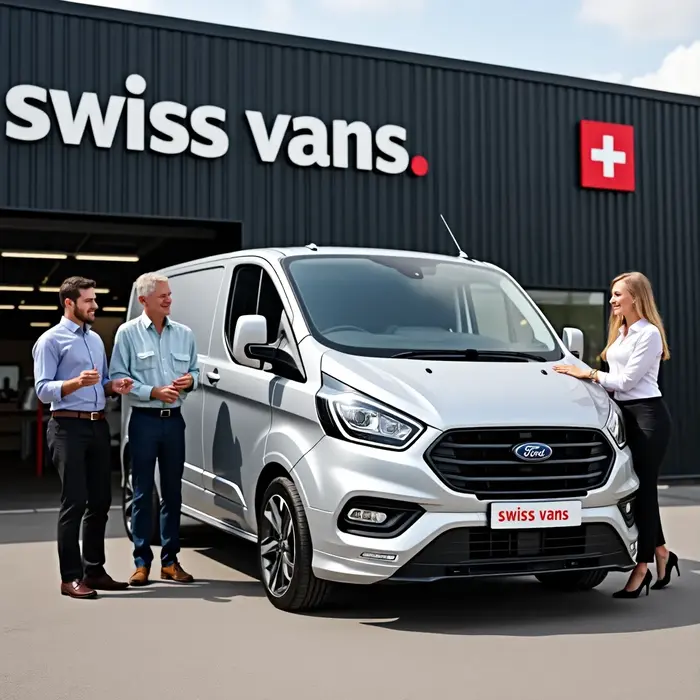
Van PCP
Personal Contract Purchase (Van PCP) is a popular financing option designed to make acquiring a van more accessible and affordable. It’s a type of loan that allows individuals to drive a new or used van without paying the full cost upfront. PCP has become one of the most common methods of vehicle financing in recent years, offering flexibility and lower monthly payments compared to traditional loans.
In essence, a Van PCP agreement for vans works similarly to car PCP deals. It involves paying off only a portion of the vehicle’s value over a fixed term, typically ranging from 24 to 48 months. This structure results in lower monthly payments compared to other financing options, making it an attractive choice for those who prefer to change their vehicles regularly.
Flexible Payment Solutions
Van PCP stands out from other financing methods, such as Hire Purchase (HP), in several key ways:
- Partial repayment: Unlike HP, where you pay off the entire value of the van, Van PCP only requires you to pay off the depreciation of the vehicle during the agreement period.
- Lower monthly payments: Due to the partial repayment structure, PCP often offers lower monthly installments compared to HP or personal loans.
- End-of-term options: Van PCP provides more flexibility at the end of the agreement, allowing you to choose between buying the van, returning it, or using any equity towards a new vehicle.
- Guaranteed Future Value (GFV): PCP agreements include a predetermined GFV, which protects you from unexpected depreciation and helps in planning your finances.
Key components of a Van PCP agreement
A typical van PCP agreement consists of three main elements:
- Initial deposit: Most Van PCP deals require an upfront payment, usually around 10% of the van’s price. Some manufacturers may offer 0% deposit options, but these often result in higher overall costs.
- Monthly repayments: These payments cover the difference between the van’s initial value and its predicted value at the end of the agreement (the GFV), plus interest. The repayment period is typically 24 to 36 months.
- Balloon payment: Also known as the final payment or GFV, this is a larger sum due at the end of the agreement if you choose to keep the van. It represents the minimum future value of the vehicle, agreed upon at the start of the deal.

It’s important to note that throughout the Van PCP agreement, you don’t own the van outright. The finance company retains ownership until you make the final balloon payment, should you choose to do so.
Van PCP agreements also often include mileage allowances and condition requirements. Exceeding the agreed-upon mileage or returning the van with excessive wear and tear may result in additional charges at the end of the term.
For many van users, Van PCP offers an ideal balance of affordability and flexibility. It allows them to drive newer vehicles with lower monthly commitments and provides options at the end of the agreement. However, it’s crucial to carefully consider your needs, driving habits, and long-term financial goals before committing to a van PCP deal.

How Van PCP Works
Van PCP (Personal Contract Purchase) operates as a flexible financing solution that allows individuals or businesses to acquire a van without paying the full purchase price upfront. This method of financing has gained popularity due to its lower monthly payments and end-of-term options. Here’s a breakdown of how van PCP typically works:
Initial deposit Van PCP
At the start of a Van PCP agreement, the customer pays an initial deposit. This deposit can be a cash payment, a part-exchange of an old vehicle, or a combination of both. The amount of the deposit often influences the subsequent monthly payments – a larger deposit generally results in lower monthly installments. Some PCP deals may offer zero deposit options, but these usually lead to higher monthly payments over the course of the agreement.
Monthly payments Van PCP
Once the deposit has been paid and the credit agreement signed, the customer begins making fixed monthly payments. These payments typically span 24 to 48 months, depending on the terms of the agreement. The monthly payments in a PCP deal are generally lower compared to other financing options because they only cover the depreciation of the van during the agreement period, rather than its full value.
The calculation of monthly payments takes into account several factors:
- The length of the agreement
- The annual mileage limit
- The age, type, and size of the van
- The van’s expected value at the end of the agreement
Balloon payment
A key feature of van PCP is the balloon payment, also known as the Guaranteed Minimum Future Value (GMFV) or the optional final payment. This is a larger sum due at the end of the agreement if the customer chooses to purchase the van outright. The balloon payment represents the van’s predicted value at the end of the contract and has a significant impact on the monthly payments – a higher balloon payment results in lower monthly installments.
The balloon payment has several important aspects:
- It’s fixed at the beginning of the contract, providing clarity on the cost of keeping the vehicle at the end of the agreement.
- It protects the customer from unexpected depreciation, as the finance company bears the risk if the van’s value falls below the GMFV.
- It offers flexibility at the end of the agreement, allowing the customer to decide whether to purchase the van, return it, or use any equity towards a new vehicle.
Mileage limits and condition agreements
Van PCP agreements typically include mileage allowances and condition requirements. These factors play a crucial role in determining the van’s future value and, consequently, the monthly payments and balloon payment.
Mileage limits:
- Customers must select an annual mileage limit at the start of the agreement.
- Exceeding this limit may result in additional charges at the end of the term.
- Mileage allowances usually range from 5,000 to 30,000 miles per year.
- Excess mileage charges can be around £0.10 per mile, but this varies between agreements.
Condition agreements:
- The van must be returned in a condition that aligns with fair wear and tear guidelines.
- Excessive damage or wear may result in additional charges.
- Regular maintenance and servicing are typically required to keep the van in good condition.
It’s crucial for customers to choose realistic mileage limits and adhere to the condition agreements to avoid unexpected costs at the end of the term. Some providers may allow adjustments to mileage limits during the agreement, but this is subject to the finance company’s discretion and may affect monthly payments.
Advantages of Van PCP
Van PCP (Personal Contract Purchase) has gained significant popularity in the UK due to its numerous benefits for van buyers. This financing option offers a range of advantages that make it an attractive choice for individuals and businesses alike.
Lower monthly payments Van PCP
One of the primary benefits of van PCP is the lower monthly payments compared to traditional financing methods. This advantage stems from the structure of PCP agreements, where customers only pay for the depreciation of the van during the contract period, rather than its full value. As a result, PCP typically offers more affordable monthly installments than other finance options like Hire Purchase (HP).
The reduced monthly payments allow van buyers to:
- Afford more expensive or higher-specification vans while keeping monthly expenses manageable
- Allocate funds to other business needs or personal expenses
- Potentially upgrade to a better model than they could with alternative financing methods
Flexibility at the end of the agreement
Van PCP provides customers with multiple options at the end of the contract term, offering unparalleled flexibility. This feature allows individuals and businesses to adapt to changing needs or circumstances. The typical choices available include:
- Return the van: If the customer no longer needs the vehicle or wishes to explore other options, they can simply return it without further financial obligations (beyond potential excess mileage or damage charges).
- Purchase the van: By paying the pre-agreed balloon payment (also known as the Guaranteed Minimum Future Value or Optional Final Payment), customers can own the van outright.
- Part-exchange for a new van: If the van’s value exceeds the Guaranteed Future Value (GFV), customers can use this equity as a deposit towards a new PCP deal on another vehicle.
This flexibility allows van users to make decisions based on their current situation and future requirements without being locked into a long-term commitment.
Option to upgrade regularly
Van PCP appeals to those who enjoy driving a new vehicle every few years. Since customers are not committing to owning the van outright, they can upgrade to a new model at the end of each PCP term without the hassle of selling or trading in the vehicle. This advantage has several benefits:
- Access to the latest technology and safety features
- Ability to adapt to changing business needs or personal preferences
- Continuous warranty coverage, reducing maintenance and repair costs
- Improved fuel efficiency and lower emissions with newer models
For businesses, this regular upgrade option ensures that their fleet remains modern, efficient, and compliant with the latest regulations.
Protection against depreciation
A significant advantage of van PCP is the protection it offers against unforeseen depreciation. This benefit comes in the form of a Guaranteed Minimum Future Value (GMFV) or Guaranteed Future Value (GFV), which has a significant impact on the overall agreement:
- The GFV is agreed upon at the start of the contract, providing clarity on the van’s predicted value at the end of the term.
- If the van depreciates more than expected, the finance company bears the risk, not the customer.
- Customers are protected from negative equity situations, where the van’s value falls below the outstanding finance amount.
This protection allows van users to budget with confidence, knowing that they won’t be liable for any unexpected depreciation if they choose to return the vehicle at the end of the agreement.
In conclusion, van PCP offers a combination of lower monthly payments, end-of-term flexibility, regular upgrade options, and depreciation protection. These advantages make it an attractive financing solution for individuals and businesses seeking a cost-effective and flexible way to drive a new or nearly new van.
Potential Drawbacks of Van PCP
While van PCP offers numerous advantages, it’s essential to consider potential drawbacks before committing to this financing option. Understanding these limitations helps in making an informed decision and avoiding unexpected costs.
Mileage restrictions
One of the primary concerns with van PCP agreements is the mileage limit. When entering a PCP contract, customers must select an annual mileage allowance. This figure significantly impacts the monthly payments and the van’s residual value. Exceeding the agreed mileage can result in substantial charges at the end of the agreement.
Key points to consider:
- Excess mileage charges can be as high as £0.10 per mile or more.
- Underestimating mileage leads to higher costs at the end of the term.
- Overestimating mileage results in unnecessarily high monthly payments.
It’s crucial to accurately estimate your annual mileage to avoid these pitfalls. While some providers may allow adjustments during the agreement, this is not guaranteed and may affect your monthly payments.
Condition charges
Van PCP agreements require the vehicle to be returned in good condition, adhering to fair wear and tear guidelines. Failure to meet these standards can result in additional charges at the end of the contract.
Potential condition-related charges include:
- Alloy wheel scratches: £50 or more per wheel
- Dented bumpers: £100 or more
- Windscreen chips: £20 or more per chip
- Missing items: Replacement cost plus admin charges (e.g., missing keys can cost over £100)
These charges can quickly accumulate, significantly increasing the total cost of the agreement. Regular maintenance and careful use of the van are essential to avoid these expenses.
Balloon payment considerations
The balloon payment, also known as the Optional Final Payment, is a key feature of van PCP agreements. While it allows for lower monthly payments, it can present challenges:
- Large final payment: The balloon payment is typically a substantial sum, which may be difficult to afford if not planned for in advance.
- Extended financing: Opting to refinance the balloon payment extends the overall financing period, potentially increasing the total cost.
- Depreciation risk: If the van’s market value falls below the Guaranteed Minimum Future Value (GMFV), it may limit your options at the end of the agreement.
Carefully consider your long-term financial situation and whether you’ll be able to afford the balloon payment before entering a PCP agreement.
Total cost of ownership
Understanding the Total Cost of Ownership (TCO) has a significant impact on the overall value of a van PCP deal. TCO encompasses various factors beyond the monthly payments, including:
- Fuel or charging costs
- Insurance premiums
- Road tax
- Maintenance and servicing expenses
- Potential excess mileage and condition charges
Calculating TCO provides a more accurate picture of the van’s true cost over the agreement period. It’s essential to consider these factors when comparing PCP deals to other financing options or even between different van models.
For example, while an electric van might have higher monthly payments, lower fuel costs and reduced maintenance expenses could result in a lower TCO compared to a traditional combustion engine van.
By carefully considering these potential drawbacks and calculating the TCO, van users can make more informed decisions about PCP agreements. It’s crucial to assess your specific needs, driving habits, and financial situation to determine if van PCP is the most suitable financing option for you.
End-of-Agreement Options
When a van PCP agreement reaches its conclusion, customers have several options to choose from. These choices provide flexibility and allow individuals to make decisions based on their current needs and financial situation.
Return the van
One of the most straightforward options at the end of a PCP agreement is to simply return the van to the finance company. This option allows customers to walk away without any further financial obligations, provided they have adhered to the terms of the agreement. However, there are important considerations to keep in mind:
- Mileage limits: If the van has exceeded the pre-agreed mileage limit, additional charges may apply.
- Condition requirements: The van must be returned in good condition, adhering to fair wear and tear guidelines. Excessive damage or wear may result in additional charges.
- Valuation comparison: Before returning the van, it’s advisable to compare its current market value with the optional final payment. If the van is worth less than the final payment, returning it may be the most cost-effective solution.
Part-exchange for a new vehicle
Many customers opt to part-exchange their current van for a new one at the end of the PCP agreement. This option offers several advantages:
- Seamless transition: Most dealers can handle the process, settling the outstanding finance and setting up a new agreement, ensuring minimal disruption.
- Potential equity: If the van’s value exceeds the optional final payment, the surplus can be used as a deposit towards the new vehicle, potentially reducing future monthly payments.
- Avoiding additional charges: Part-exchanging may be more cost-effective than returning the van if there are potential mileage or condition charges.
To part-exchange effectively:
- Obtain a settlement figure from the finance company.
- Get a valuation from the dealer or buying company.
- Compare the valuation with the settlement figure to determine if there’s any equity.
Pay the balloon payment and keep the van
For those who wish to retain ownership of the van, paying the balloon payment (also known as the optional final payment) is the way forward. This option has several considerations:
- Affordability: The balloon payment is typically a substantial sum, which may be challenging for some customers to pay outright.
- Refinancing options: If the lump sum is unaffordable, refinancing the balloon payment may be possible, spreading the cost over a new finance agreement.
- Value comparison: Before deciding to keep the van, it’s crucial to compare its current market value with the balloon payment. If the van is worth more than the final payment, purchasing it could be financially advantageous, even if you plan to sell it immediately afterward.
When considering this option, customers should:
- Request the final payment amount from the finance company.
- Assess their financial situation and ability to make the payment.
- Explore refinancing options if necessary.
- Compare the van’s current value with the balloon payment to make an informed decision.
It’s important to note that circumstances can change over the course of a PCP agreement. If financial difficulties arise, it may be possible to renegotiate the contract or agree to a payment plan with the finance company. Additionally, for those who no longer need a van but still require a vehicle, considering car leasing as an alternative could be a cost-effective solution for driving a new vehicle without the complexities of PCP financing.
Conclusion Van PCP
Van PCP financing has a significant impact on the commercial vehicle market, offering a unique blend of affordability and flexibility. This guide has explored the ins and outs of van PCP, shedding light on its workings, benefits, and potential drawbacks. By understanding these aspects, van users can make well-informed decisions about their financing options, weighing the lower monthly payments and end-of-term choices against mileage restrictions and condition requirements.
To wrap up, van PCP stands out as a versatile solution to drive newer vehicles without breaking the bank. However, it’s crucial to consider your long-term needs, driving habits, and financial situation before jumping in. By carefully evaluating these factors and comparing van PCP with other financing methods, you can determine if it’s the right fit for your personal or business requirements. Remember, the key to making the most of van PCP lies in understanding its nuances and planning ahead.
FAQs Van PCP
What are the guidelines for a PCP agreement?
In a PCP (Personal Contract Purchase) agreement, the finance company calculates the amount you need to borrow based on their estimate of the vehicle’s depreciation over the contract term, typically 24 to 36 months. They deduct your initial deposit from this value to determine the total amount owed, which you will then repay through monthly installments that include interest.
What is the optimal duration for a PCP contract?
The ideal length for a PCP agreement varies based on individual financial circumstances, but most contracts span between 36 to 60 months. Generally, choosing a longer term results in lower monthly payments.
What are the disadvantages of PCP financing?
PCP financing comes with several potential drawbacks. If payments are not maintained, there is a risk of vehicle repossession. Most agreements include an annual mileage limit, usually between 10,000 to 15,000 miles, and exceeding this limit can incur charges as high as 15p per mile, adding significant extra costs if you drive more than anticipated.
How long do PCP agreements typically last?
PCP contracts generally last between three to five years. To enter into a PCP agreement, you must pass a credit check, pay an upfront deposit, and be aware that the total amount paid by the end of the contract is often higher than that of Personal Contract Hire (PCH).