 Call us on
 van finance lease
How to Choose the Right Van Finance Lease: A Simple Guide for Business Owners
Need help understanding van finance lease and whether it fits your business vehicle needs? Finance lease has become a popular choice among businesses that need cars, vans and commercial vehicles but can't opt for contract hire.
Contract hire keeps things simple, but finance lease brings its own set of advantages to business owners. The agreement works exclusively for business customers—limited companies, self-employed people and sole traders can apply, though private individuals cannot. Your decision about a van business lease needs a clear understanding of what finance lease means.
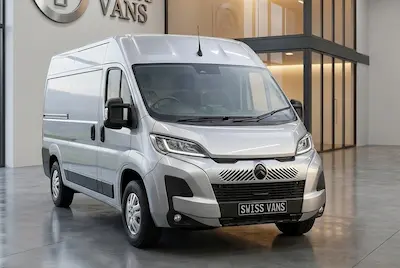
Finance lease on a van sales comes with appealing benefits. Companies that aren't VAT registered can spread their VAT costs across the lease term by adding it to monthly rentals. These payments usually offset against taxable profits, though cars follow special rules.
You might ask what happens at the end of your finance lease agreement. The choice becomes yours - sell the vehicle to an unrelated third party or clear the outstanding 'balloon payment' and keep using the vehicle under a peppercorn agreement.
Let's explore everything about finance lease vans that will help you decide if this option lines up with your business's needs and financial goals.
Understanding Van Finance Lease
A finance lease offers businesses a smart way to get commercial vehicles without buying them outright. Finance lease on a van lets you make fixed monthly payments over a set time, usually two to five years. The vehicle shows up as an asset on your company's balance sheet.
How Does a Van Finance Lease Work?
A finance lease agreement works like a long-term van rental where your business leases a vehicle and makes regular monthly payments. You have two payment options. You can pay the full vehicle cost plus interest during the agreement period. Another option allows lower monthly payments with a final 'balloon payment' based on the predicted resale value. The leasing company owns the vehicle, but your business takes on both the risks and benefits of having the asset.
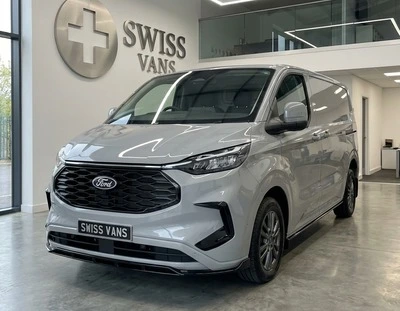
How it is different from other lease types
A finance lease van gives you better control and flexibility compared to contract hire. Here are the main advantages:
- You won't face strict mileage limits or costly excess mileage fees
- No formal penalties for damage when the contract ends
- You get more choices when the term ends, including selling the vehicle and keeping most of the money
- Commercial vehicles with payloads over 1000kg qualify for full tax deductions
- You can modify vehicles without restoring them when the contract ends
Contract hire works differently - you return the vehicle at the end and might face extra charges for excess mileage and repairs.
Who is eligible for a finance lease?
Van business lease finance serves only business customers, including limited companies, self-employed people and sole traders. Personal van leases work through different contracts. Every applicant needs to pass a credit check during the application process.
Limited companies need two years of profitable accounts filed with Companies House. Sole traders must have a 'good' or 'excellent' personal credit rating. The application process needs your company details, director information, and business bank details, just like other finance products.
How a Finance Lease Works for Your Business
Setting up a finance lease van arrangement comes with several financial components that affect your business's cash flow and accounting.
Initial costs and monthly payments
A finance lease agreement starts with an original payment, usually equal to three monthly rentals. You can manage cash flow better by making a larger upfront payment—six, nine, or twelve months' worth. This reduces your future monthly costs. Your monthly payments stay fixed throughout the agreement. The payment structure adapts to your specific needs and financial situation.
Balloon payments and final value
Finance leases usually come with an optional final lump sum "balloon payment." This payment depends on the vehicle's predicted value at the contract end. Monthly payments become much lower throughout the agreement term because of this structure. Your vehicle's type, contract length, and expected mileage determine the balloon payment. Accurate mileage estimates matter a lot at the start. Your vehicle's final value drops if you exceed the stated mileage.
VAT and tax implications for businesses
VAT-registered businesses can claim back 50% to 100% of the VAT on payments. This percentage depends on whether you lease a car or commercial vehicle. Yes, it is worth noting that commercial vehicles with payloads over 1000kg qualify for 100% tax-deductible VAT. Companies without VAT registration can spread their VAT costs across the contract term through monthly rentals. Monthly payments count as allowable business expenses and could lower your taxable profits.
How it appears on your balance sheet
The van shows up as an asset on your company's balance sheet under a finance lease. Future monthly rentals appear as a liability. This accounting method helps certain business strategies and could boost your financial flexibility. This approach is different from contract hire arrangements where vehicles stay off balance sheets completely.
Key Benefits of Choosing a Finance Lease
Business owners looking for van financing solutions will find several compelling benefits in a finance lease.
Low upfront investment
A finance lease needs less money upfront than other financing options. Your working capital stays protected and you can use funds for other business needs. Some providers make it even better by offering no-deposit van finance lease options, letting businesses start without any upfront costs.
Flexible payment structures
You'll get plenty of flexibility with payment plans that run between 24 to 60 months. Monthly costs can be reduced through a final balloon payment. The end of term brings choices - you can refinance the final payment or sell the vehicle and keep the equity.
Tax advantages for VAT-registered businesses
VAT-registered businesses get significant benefits:
- Commercial vehicles allow up to 100% VAT reclaim on monthly rentals
- Monthly payments count as allowable business expenses
- Lease costs can bring corporation tax savings up to 25%
No mileage or damage penalties
Finance lease works differently from contract hire since it has no strict mileage limits or costly excess mileage fees. The vehicle's resale value takes any damage into account instead of triggering specific penalties.
Access to newer vehicles without ownership
You can drive better quality vehicles that might be too expensive to buy outright with a finance lease. This works well because you pay for the vehicle during its most reliable years.
What to Consider Before Signing a Lease
You need to consider several key factors before getting a finance lease van. Smart decisions today will help you avoid problems that can get pricey later.
Assessing your business cash flow
Your financial health depends on how monthly lease payments will work with your budget. A finance lease agreement helps manage cash flow through smaller, regular payments instead of big upfront costs. Take a good look at your budget limits and how you plan to use the van to pick a lease that fits your business plans.
Choosing the right lease term
The length of your lease will affect your costs and options by a lot. You can choose between 24, 36, or 48 months. Longer terms usually mean lower monthly payments, which works well for stable businesses with clear future plans. Shorter terms give you more flexibility to update your fleet if your business needs change often. Your mileage estimates need to be realistic because lower-than-actual figures could reduce the vehicle's value when the contract ends.
Understanding end-of-contract options
Your finance lease gives you several choices when your contract ends:
- You can sell the vehicle and keep most profits after paying the balloon payment
- The lease can be extended with a peppercorn rental
- You have the option to refinance the final balloon payment
- Trading in for a newer model is possible
Common mistakes to avoid
Many business owners fall into common traps. Low mileage estimates are a real issue—while there are no formal excess charges, they hurt your resale value. People often skip reading contract terms fully, forget about maintenance duties, and don't shop around enough. Early termination costs can shock you if you're not careful—they usually run about 50% of your remaining payments.
Conclusion
A finance lease can be the most important decision you'll make as a business owner looking for a van. This piece has shown how finance lease is a chance to get commercial vehicles without dealing with full ownership hassles. The flexibility in payment structures and freedom from strict mileage limits make finance leases an attractive choice compared to other options.
Your business's cash flow and expected vehicle usage need careful evaluation before you sign any agreement. You get better control over business assets and financial planning when you know your end-of-contract choices. The tax advantages make this financing route worth considering, especially when you have VAT-registered businesses.
Businesses wanting newer, better-quality vehicles while keeping their working capital intact will find finance lease to be an excellent choice. You get predictable monthly payments without worrying about depreciation that comes with outright ownership. All factors considered, a finance lease could be the perfect match for your business goals and financial strategy.
The right van finance solution changes based on your business situation. Your unique needs will determine whether you choose a finance lease, contract hire, or another option. The knowledge from this piece lets you tackle van financing decisions with confidence, keeping your business moving without straining finances unnecessarily.
FAQs
Q1. Is leasing a van more advantageous than buying for a business? Leasing a van can be beneficial as it eliminates depreciation costs and allows you to upgrade to newer models regularly. However, the best choice depends on your specific business needs, financial situation, and long-term plans.
Q2. What are the tax implications of a van finance lease for businesses? For VAT-registered businesses, up to 100% of the VAT on monthly rentals can be reclaimed for commercial vehicles. Additionally, monthly payments are typically considered allowable business expenses, potentially reducing taxable profits.
Q3. How flexible are the payment structures in a van finance lease? Finance leases offer considerable flexibility with contract periods ranging from 24 to 60 months. You can opt for lower monthly costs by including a final balloon payment, and there are various end-of-term options available.
Q4. Are there mileage restrictions or damage penalties in a van finance lease? Unlike some other leasing options, finance leases generally don't impose strict mileage restrictions or excess mileage charges. Damage only affects the vehicle's resale value rather than triggering specific penalties.
Q5. What should businesses consider before signing a van finance lease? Before signing, assess your business cash flow, choose an appropriate lease term, understand end-of-contract options, and avoid common mistakes like underestimating mileage requirements or neglecting to read contract terms thoroughly.