 Call us on
Van Finance For New Business
Van Finance For New Business
For startups, acquiring a van can be a game-changer. Van finance for new businesses offers a lifeline to entrepreneurs looking to expand their operations without depleting their capital. This financial solution allows companies to secure essential vehicles, enabling them to meet delivery demands, transport equipment, or provide mobile services efficiently. Source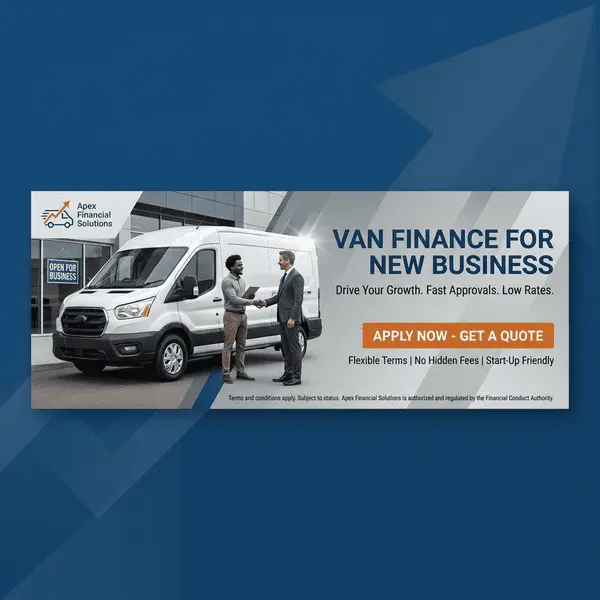
Understanding the ins and outs of van finance is crucial for startups. This article explores various van finance options, from hire purchase to leasing, and discusses how to assess a company’s vehicle needs. It delves into the process of comparing lenders, navigating the application journey, and managing cash flow with van payments. By the end, readers will have a comprehensive grasp of how to acquire vans for their new ventures effectively. See all va
Understanding Van Finance Options for Startups
For startups and new businesses, acquiring a van can be a crucial step in expanding operations. However, the financial commitment can be daunting. Fortunately, there are several van finance options available that cater to the unique needs of new enterprises. These options allow companies to secure essential vehicles without depleting their capital, enabling them to meet delivery demands, transport equipment, or provide mobile services efficiently.
Van Hire Purchase
Van Hire purchase, also known as lease purchase, is a popular option for businesses looking to own their vehicle at the end of the agreement. With this method, the company pays off the full amount of the van over a defined period, typically ranging from 24 to 60 months. The process usually involves an initial deposit, although zero-deposit options may be available, followed by fixed monthly payments. See all van finance deals
Key features of hire purchase include:
- Flexibility in vehicle choice, including new and used vans
- Option to purchase from various sources, not just main dealers
- Capital allowance benefits (currently 25% on the reducing balance)
- Ability to claim back VAT upfront for VAT-registered businesses
- Interest payments can be offset against profits
At the end of the agreement, provided all terms are met, the business becomes the owner of the van. This option is particularly attractive for companies that want to build equity in their assets over time. Buy a van on finance
Van Finance Lease
A van finance lease is an alternative that offers some distinct advantages for startups. Unlike hire purchase, ownership of the van remains with the finance company throughout the agreement. However, the lessee (the business) has the right to use the vehicle and pays off its entire value over the lease term. Known as Van Lease
Key aspects of finance lease agreements include:
- Monthly VAT payments on the vehicle, spreading the cost
- Potential tax advantages for VAT-registered companies
- Flexibility at the end of the primary lease period
At the conclusion of the primary lease period, businesses typically have three options:
- Return the vehicle to the lessor, who will sell it and refund a portion of the sale proceeds
- Act as an agent for the finance company and arrange a sale to a third party
- Continue using the vehicle by paying an annual secondary rental
Finance leases can be an attractive option for businesses that want to use a van without the long-term commitment of ownership.
Van Contract Hire
Van Contract hire, also referred to as leasing, is essentially a long-term rental agreement for a brand-new vehicle. This option is designed for convenience and is particularly well-suited for businesses that prefer not to deal with asset depreciation or long-term vehicle ownership.
Key features of contract hire include:
- Fixed monthly payments for a set period (usually 2-4 years)
- Option to include maintenance and servicing in the agreement
- Simplifies budgeting and running costs
- No need to worry about vehicle depreciation
- Return the vehicle at the end of the lease term
Contract hire can be an excellent choice for startups that want to maintain a modern fleet without the responsibilities of ownership. It allows businesses to focus on their core operations while leaving vehicle management to the leasing company.
When considering van finance options, startups should assess their specific needs, budget, and long-term goals. Factors such as cash flow management, tax implications, and desired level of vehicle ownership should all play a role in the decision-making process. By carefully evaluating these options, new businesses can find a van finance solution that aligns with their operational requirements and financial capabilities, setting the stage for efficient growth and success.
Assessing Your Startup’s Van Needs
Business Requirements
For startups, acquiring a van can be a game-changing decision. The type and size of van a company needs depend heavily on its specific business operations. For instance, a self-employed tradesperson might require a smaller van to transport tools and parts to job sites. On the other hand, a courier service aiming to maximize delivery efficiency without frequent depot returns would benefit from a larger vehicle.
When assessing van needs, startups should consider the following factors:
- Nature of the business (e.g., delivery services, construction, landscaping)
- Type of goods or equipment to be transported
- Payload capacity requirements
- Frequency and distance of travel
- Number of passengers to accommodate
Accessibility is another crucial aspect to consider. Depending on the business type, features such as side and rear loading doors, tail lifts, or ramps can significantly enhance loading and unloading efficiency. Some vans offer customization options like shelving and storage systems, which can help organize tools and equipment more effectively.
Budget Considerations Van Finance For New Business
For many startups, budget is often the primary consideration when acquiring a van. It’s essential to work out how much the company can afford to spend on a new vehicle. This calculation should factor in not only the purchase price but also insurance costs and ongoing running expenses.
When evaluating the budget, startups should consider the following:
- Initial purchase cost or monthly lease payments
- Insurance premiums
- Fuel efficiency and costs
- Maintenance and repair expenses
- Potential tax implications
It’s important to note that larger vans typically consume more fuel and may have higher insurance costs. While small vans tend to be cheaper to buy, they have limited capacity and can only carry smaller, lighter loads. Startups should weigh these factors against their specific needs to find the most cost-effective solution.
For businesses operating on a tight budget, there are several options to consider:
- Purchasing a used van in good condition
- Exploring vehicle finance options or business loans
- Investigating leasing arrangements that include maintenance and insurance
Future Growth Plans
When assessing van needs, startups must look beyond their current requirements and consider future growth plans. Thinking too short-term could lead to additional costs down the line if the business outgrows its vehicle quickly.
To future-proof their van acquisition, startups should:
- Analyze their business’s projected growth trajectory
- Anticipate changes in cargo volume or type
- Consider potential expansion into new service areas or markets
- Evaluate the possibility of fleet expansion
It’s also crucial to stay informed about upcoming regulations that may affect van usage. For example, the UK government plans to ban the sale of new petrol or diesel vans from 2035. Measures such as the ULEZ in London or Clean Air Zones in other cities might impact operations. Considering electric or hybrid options could be beneficial, especially with available grants that can reduce the cost of company vans by up to 35%.
By carefully assessing their current needs, budget constraints, and future growth plans, startups can make informed decisions about van finance for their new business. This approach ensures that the chosen vehicle not only meets immediate requirements but also supports the company’s long-term success and sustainability.
Comparing Lenders and Financing Terms
When seeking van finance for a new business, it’s crucial to compare different lenders and financing terms to find the most suitable option. This process involves evaluating various factors that can significantly impact the overall cost and flexibility of the financing arrangement.
Interest Rates
Interest rates play a pivotal role in determining the cost of van finance. These rates can vary widely depending on several factors, including the lender, the borrower’s creditworthiness, and market conditions. For instance, some lenders offer interest rates ranging from 2% to 6% per month on flexible loans. However, it’s important to note that the Annual Percentage Rate (APR) provides a more comprehensive view of the total cost of borrowing over a year, including both interest and any additional fees.
The APR offered by lenders is influenced by various factors:
- Credit score: A higher credit score typically results in lower interest rates.
- Loan term: Generally, shorter loan terms come with lower APRs but may have higher monthly payments.
- Loan amount: The size of the loan can affect the interest rate offered.
- Market conditions: Economic factors can cause fluctuations in interest rates.
It’s worth noting that some lenders offer rates starting from 9.9% APR, with a representative APR of 19.9%. However, the exact rate offered will depend on individual circumstances and is subject to status.
Repayment Periods
The repayment period is another crucial aspect to consider when comparing van finance options. Lenders typically offer repayment terms ranging from one to five years, depending on the borrower’s affordability and preferences. Some lenders may even extend this period to 24 months or more.
When evaluating repayment periods, consider the following:
- Monthly affordability: Longer terms generally mean lower monthly payments but higher overall interest costs.
- Total cost of borrowing: Shorter terms often result in lower total interest payments.
- Business cash flow: Choose a repayment schedule that aligns with your business’s income patterns.
Some lenders offer flexibility in repayment schedules, allowing borrowers to choose between weekly or monthly repayments. This flexibility can be particularly beneficial for businesses with varying cash flow patterns.
Early Repayment Options Van Finance For New Business
Early repayment options can provide significant benefits for businesses that experience improved cash flow or wish to reduce their overall borrowing costs. When comparing lenders, it’s essential to understand their policies regarding early repayment.
Key points to consider include:
- Early repayment fees: Some lenders may charge fees for settling the loan before the agreed term. However, others, like iwoca, don’t charge early repayment fees.
- Interest calculations: Look for lenders who only charge interest for the days you have the money. This approach can lead to substantial savings if you repay early.
- Cooling-off period: Some lenders offer a cooling-off period, typically 14 days after signing the loan agreement, during which you can repay the loan without incurring any interest.
- Partial overpayments: Check if the lender allows partial overpayments without penalties, as this can help reduce the overall interest cost.
When comparing lenders and financing terms for van finance, it’s crucial to look beyond just the headline interest rates. Consider the full spectrum of factors, including the APR, repayment flexibility, and early repayment options. By carefully evaluating these aspects, new businesses can secure van finance that not only meets their immediate needs but also aligns with their long-term financial goals and cash flow projections.
Navigating the Application Process
For startups seeking van finance, navigating the application process can be challenging. However, with proper preparation and understanding of the requirements, businesses can increase their chances of securing the necessary funding.
Required Documentation
When applying for van finance, startups need to provide various documents to support their application. These typically include:
- Personal Information: Full name, date of birth, marital status, and residential status.
- Proof of Identity: A valid driving license is often the most convenient form of identification.
- Proof of Address: Recent utility bills, council tax bills, or bank statements can serve as evidence of residence.
- Employment Details: Information about current and previous employers, including job titles and salaries, for at least the last three years.
- Bank Details: Account number, sort code, and branch address of the account to be used for monthly repayments.
- Proof of Income: Three months of payslips or bank statements to demonstrate the ability to afford monthly payments.
For new businesses, additional documentation may be required:
- Proof of trading
- Bank statements
- Directors’ Guarantee
It’s worth noting that transitioning from a sole trader to a limited company can simplify the process, as many required documents may already be available.
Credit Checks Van Finance For New Business
Most finance companies conduct credit checks as part of the application process. These checks help lenders assess the risk associated with lending to a particular business or individual. Key aspects of credit checks include:
- Credit Score: A higher credit score generally leads to better finance rates and increased chances of approval.
- Payment History: Lenders examine past repayment behavior, including timely payments and any missed payments.
- Current Debt Levels: The total amount of existing debt is considered to ensure new repayments are manageable.
- Address Stability: Multiple address changes in a short period may be viewed as a red flag.
- Financial Associations: Connections to individuals with poor credit can impact the application.
To improve chances of approval, applicants should:
- Ensure they are registered on the electoral roll
- Maintain a stable address for over three years if possible
- Check their credit score before applying
- Address any issues in their credit history
Approval Timelines
The time taken for approval can vary depending on the lender and the completeness of the application. Generally, the process follows these steps:
- Initial Application: Provide all required information and documentation.
- Credit Check: Lenders perform a credit check, which can be completed within hours.
- Review: The finance provider assesses the application and may request additional information.
- Decision: Most funders respond to credit applications within two working days, though it can take up to five working days during busy periods.
It’s important to note that businesses under 24 months old or startups with limited financial information may face challenges in obtaining vehicle finance. In such cases, providing a director’s guarantee can help reassure lenders of repayment capability.
By understanding these aspects of the application process, startups can better prepare themselves for securing van finance, increasing their chances of approval and potentially accessing more favorable terms.
Managing Cash Flow with Van Finance
For startups and new businesses, managing cash flow while financing a van is crucial for long-term success. By understanding the various aspects of van finance and implementing effective strategies, companies can maintain a healthy financial balance.
Budgeting for Repayments
When opting for van finance, businesses need to carefully consider their repayment obligations. To effectively manage cash flow, companies should:
- Choose a repayment schedule that aligns with their income patterns
- Consider the impact of fixed monthly payments on overall cash flow
- Evaluate different finance options, such as hire purchase, finance lease, or contract hire
For instance, a finance lease allows businesses to rent a van for a fixed period without the commitment of ownership. This option typically involves an initial deposit followed by monthly payments for the lease term. On the other hand, hire purchase requires an initial deposit (usually 10%-20% of the vehicle’s value) and fixed monthly payments over a specified term, typically between 2 and 5 years.
Tax Implications Van Finance For New Business
Understanding the tax implications of van finance can help businesses optimize their cash flow. Key considerations include:
- Capital allowances: When purchasing a van through hire purchase, companies can claim capital allowances on the cost of the vehicle. The Annual Investment Allowance (AIA) allows businesses to deduct the full cost of the van from their profits before tax in the year of purchase, up to a certain limit.
- Lease payments: For finance leases, businesses can deduct the cost of lease payments from their taxable profits. This deduction is spread over the term of the lease, aligning tax relief with lease payments.
- VAT considerations: VAT-registered businesses can claim back the VAT paid on the purchase or lease of a van, provided it is used exclusively for business purposes. If the van is used for both personal and business purposes, only the portion of VAT proportional to its business use can be claimed.
- Interest deductions: While the principal portion of van loan payments is not tax-deductible, the interest portion is considered a regular business expense and can be deducted from taxable income.
Maintenance Costs
Managing maintenance costs is essential for effective cash flow management. Businesses should consider the following strategies:
- Maintenance contracts: Many finance providers offer maintenance packages that can be added to the van finance agreement. These contracts typically include:
- Scheduled servicing
- MOT testing
- Replacement tires
- General repairs
- Fixed monthly fees: By opting for a maintenance contract, businesses can spread maintenance costs across the term of the lease deal, avoiding unexpected repair fees.
- VAT benefits: For VAT-registered companies, the VAT on maintenance contracts is 100% recoverable, similar to the vehicle lease itself.
- Preventative maintenance: Implementing a structured maintenance schedule can help businesses address minor issues before they escalate into costly repairs. This approach can save money in the long run, as emergency repairs can be up to four times more expensive than routine maintenance.
- Fleet management software: Some maintenance plans include software that allows drivers to update the condition of their vehicle in real-time. This feature enables businesses to track servicing needs and resolve issues early on, reducing downtime and maximizing productivity.
By carefully considering these aspects of van finance and implementing effective strategies for managing repayments, tax implications, and maintenance costs, startups and new businesses can maintain a healthy cash flow while benefiting from the use of commercial vehicles.
Conclusion Van Finance For New Business
Van finance plays a crucial role in helping startups acquire essential vehicles without draining their capital. By exploring various options like hire purchase, finance lease, and contract hire, new businesses can find a solution that aligns with their operational needs and financial capabilities. Careful assessment of business requirements, budget considerations, and future growth plans has a significant impact on making informed decisions about van acquisition.
To wrap up, the process of securing van finance involves comparing lenders, navigating the application process, and managing cash flow effectively. By understanding the nuances of interest rates, repayment periods, and early repayment options, startups can negotiate favorable terms. Proper budgeting for repayments, considering tax implications, and planning for maintenance costs are key to maintain a healthy financial balance while benefiting from commercial vehicles.
FAQs Van Finance For New Business
Can a startup secure financing for a van? Yes, startups can obtain finance for vans. Typically, lenders might request one to two years of trading figures for loan approval; however, there are specific finance deals available for new businesses and startups. It’s important to note that you might need to provide a personal guarantee or face higher interest rates.
What is the process of financing a van? Van finance, often referred to as van leasing or contract hire, is a financing arrangement where a business can use a van for a set period without owning it. The business agrees to make regular monthly payments to the leasing company throughout the term of the contract.