Call us on
 17 Seater Minibus For Sale

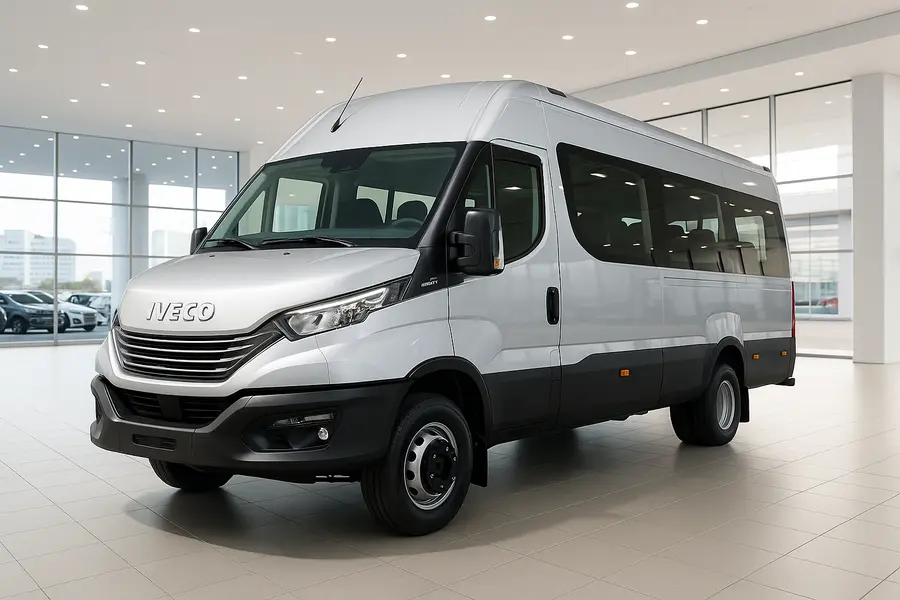
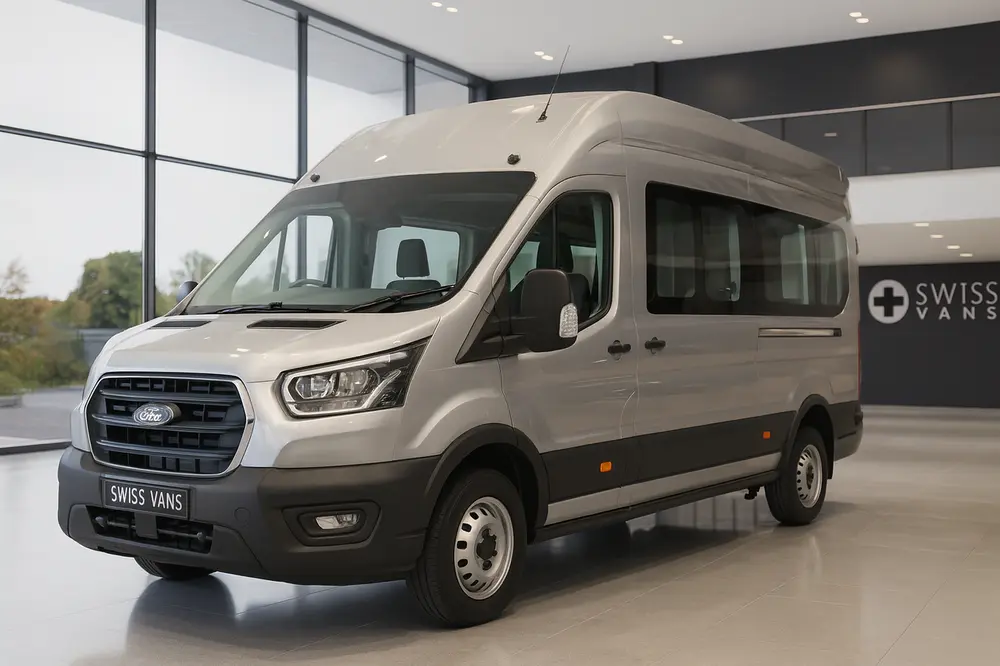
17 Seater Minibuses for Sale
Looking for a versatile 17 seater minibus for sale to transport larger groups? A 17 seater minibus for sale could be the perfect solution. These spacious vehicles offer an excellent balance of passenger capacity and maneuverability, making them ideal for various uses from shuttle services to group outings. Whether you're in the market for a new, used, or second-hand 17 seater minibus, understanding your options is key to making an informed purchase decision. Source
This comprehensive guide covers everything you need to know about 17 seater minibusses. We'll explore top brands and models, including popular choices like the Ford Transit 17 seater minibus. You'll learn about important buying considerations, key features to look for, and what to expect in terms of maintenance and running costs. Whether you're searching for a 17 seater minibus for sale in the UK, browsing options on AutoTrader or eBay, or looking for automatic or Euro 6 compliant models, this article aims to equip you with the knowledge to find the right vehicle for your needs. See all minibus for sale
Understanding 17 Seater Minibusses
What is a 17 Seater Minibus for sale?
A 17 seater minibus for sale is a versatile vehicle designed to transport larger groups of people comfortably. It strikes a balance between passenger capacity and maneuverability, making it an ideal choice for various transportation needs. These vehicles typically have a Gross Vehicle Weight (GVW) ranging from 3500kg to 4600kg, depending on the model and manufacturer. See all minibus 9 seater for sale
For instance, the Ford Transit 350 model, a popular choice for 17 seater minibus conversions, has a GVW of 3500kg with a payload of 1221kg. On the other hand, the Peugeot Boxer, another common option, offers a GVW of 3500kg with a higher payload of 1420kg. This additional carrying capacity can make a significant difference in practical use.
Key Features and Benefits
Spacious Interior: 17 seater minibusses provide ample space to accommodate passengers comfortably. They often come with removable seats, allowing for wheelchair access and increased flexibility in seating arrangements.
Advanced Safety Features: Many modern 17 seater minibusses are equipped with safety features such as seat belts for all passengers, Anti-lock Braking System (ABS), and electronic stability control. Some models also include lane departure warning systems and multiple airbags to enhance passenger safety.
Comfort and Amenities: These vehicles often offer comfortable seating with adequate legroom, air conditioning, heating systems, and entertainment options like DVD players. Some models come with added insulation and carpeting for noise suppression and heat retention.
Storage Space: 17 seater minibusses typically have sufficient storage space for bags, equipment, and other necessities. This ensures that all required materials can be transported without cluttering the seating area.
Cost-Effectiveness: Renting, owning, or leasing a 17 seater minibus can be more economical than hiring multiple smaller vehicles or larger busses, striking a balance between capacity and cost.
Eco-Friendly Options: Some manufacturers now offer eco-friendly minibus models, including hybrid and electric options, helping to reduce carbon footprint and promote sustainable practices.
Common Use Cases 17 Seater Minibuses for Sale
School Transportation: 17 seater minibusses are ideal for transporting a typical class size along with teachers and chaperones. They eliminate the need for multiple vehicles, ensuring the group stays together and making coordination easier.
Sports Teams: The easy-to-clean flooring and removable seats make these minibusses perfect for transporting sports teams and their equipment.
Field Trips and Educational Tours: The versatility of 17 seater minibusses makes them suitable for various school activities, including field trips, inter-school competitions, and educational tours.
Shuttle Services: These vehicles are often used for shuttle services, providing efficient transportation for small to medium-sized groups.
Community Organizations: Non-profit and voluntary organizations frequently use 17 seater minibusses for community outings and events.
It's important to note that driving a 17 seater minibus for sale may require special licensing depending on the vehicle's weight and the driver's qualifications. In some cases, individuals with a standard car license who meet certain conditions can drive these vehicles. However, for commercial use or if specific conditions aren't met, additional licenses such as a minibus provisional entitlement (PCV license) and a public service vehicle (PSV) operator license may be required. See all Minibus lease deals
When considering a 17 seater minibus, it's crucial to understand the vehicle's weight limitations and payload capacity to ensure safe and legal operation. The maximum authorized mass (MAM) or GVW, which includes the weight of passengers, luggage, and equipment, should not exceed the manufacturer's specifications.
Top Brands and Models
When it comes to 17 seater minibusses for sale, several manufacturers stand out for their quality, reliability, and performance. Let's explore some of the top brands and models in this category.
Ford Transit Minibusses
The Ford Transit Minibus for sale has long been a favorite in the market. It offers seating for 17 passengers, all equipped with seat belts and easy aisle access. The Transit's design allows for comfortable entry and exit, even for older passengers who might have difficulty with high steps.
One of the Transit's strengths lies in its practicality. The seats are fixed and bolted down, which means they can't be easily removed to convert the minibus into a van. While this might seem limiting, it ensures stability and safety for passengers.
The Transit's interior is designed with function in mind. It features large cup holders, a standard Ford CD radio with a hidden auxiliary input socket, and a 6-speed gearbox. Safety features include dual airbags and electric windows.
However, like many minibusses, the Transit faces a common challenge: limited luggage space when at full passenger capacity. This is an important consideration for those planning long trips or transporting groups with significant baggage.
Despite its size, the Transit handles well on the road. It offers a smooth ride and can be driven confidently at higher speeds, although it's limited to 62 mph. The vehicle's design gives drivers a sense of maneuverability that belies its actual size.
It's worth noting that while the Transit provides a comfortable ride, it may not offer the same level of sound insulation as Ford's car range. Some users have reported occasional squeaks from the rear, indicating that the build quality might not be as tight as in smaller vehicles.
Mercedes-Benz Sprinter Minibusses
17 Seater Minibuses for Sale
The Mercedes-Benz Sprinter sets a high standard in the minibus market. It's known for its technical sophistication and offers an extensive range of options to suit various needs.
One of the Sprinter's standout features is its drivetrain options. It's available in front-wheel drive, rear-wheel drive, and all-wheel drive configurations. The front-wheel drive models, in particular, offer increased payload capacity and a lower loading floor.
The Sprinter is praised for its refined performance. The engines are notably quiet, and there's less vibration in the cab compared to some competitors. This makes for a more comfortable experience for both drivers and passengers.
In terms of versatility, the Sprinter shines. It's available as a Cargo Van with up to 530 cubic feet of cargo space, a Minibus that can seat up to 18 passengers, or a Cab Chassis capable of hauling up to 7,500 pounds.
Mercedes-Benz backs the Sprinter with comprehensive warranties, reflecting confidence in the vehicle's quality and durability. The brand's reputation for high-performance vehicles carries over to their commercial line, combining practicality with style and comfort.
Volkswagen Crafter Minibusses
The Volkswagen Crafter is another strong contender in the 17 seater minibus market. It's particularly notable for its robust build and customization options.
A 2008 Crafter minibus model, for instance, offers 16+1 seating configuration with a wheelchair lift, demonstrating the vehicle's accessibility features. The twin wheel rear axle provides added stability, which is crucial for passenger comfort and safety.
Volkswagen provides extensive technical information for coachbuilders and conversion specialists through their "Body builder guidelines." This comprehensive guide allows for significant customization, making the Crafter adaptable to various specific needs.
The Crafter's kerb weight can vary depending on the chosen configuration. For example, a 2014 LWB 5.0t high roof panel van has a kerb weight of 2494kg. However, additional features like glass windows, air-conditioning, and suspension seats can increase this weight, affecting the available payload capacity.
Buying Considerations
When considering the purchase of a 17 seater minibus, several factors come into play. These considerations can significantly impact the decision-making process and ultimately determine the most suitable option for the buyer's needs.
New vs Used Minibusses
The choice between a new and used minibus is often influenced by budget constraints and specific requirements. New minibusses offer the latest features and technologies but come with a higher price tag. On the other hand, used minibusses can provide excellent value for money, especially for those with limited budgets.
Used minibusses often come from suppliers who have previously contracted them to schools and academies. These vehicles typically have low mileage and full service histories, making them a reliable choice. Many suppliers refurbish these minibusses before resale and offer them with a 12-month warranty, providing additional peace of mind to buyers.
For organizations looking to manage transportation needs efficiently and cost-effectively, opting for a used minibus can offer numerous advantages. The significant cost savings compared to purchasing a new vehicle allow businesses to allocate funds to other crucial areas while still meeting their transportation requirements.
Budget and Pricing
Creating a budget for purchasing a minibus involves several key considerations. The initial purchase cost is the primary factor, but it's essential to compare it with available funds. While used minibusses are generally more affordable than new ones, prices can vary based on age, mileage, and condition.
When budgeting, it's crucial to factor in ongoing expenses such as maintenance, insurance, and fuel costs. Additionally, consider any necessary modifications or upgrades to meet specific organizational needs.
To assist with the purchase, a wide choice of finance options is available. These include lease and purchase plans, as well as outright purchase. Contract hire has become a popular choice for many, allowing for a fixed monthly rental to be set aside. With the exception of fuel and insurance, this option typically requires no additional costs.
Legal Requirements and Licensing
Understanding the legal requirements and licensing for driving a 17 seater minibus is crucial. The rules vary depending on when the driver obtained their license and the intended use of the vehicle.
For those who passed their driving test on or after January 1, 1997, they can drive a category B license minibus under certain conditions:
The driver must be at least 21 years old.
They must have held their car license for a minimum of 2 years.
The minibus is being used on a voluntary basis for social purposes by a non-commercial body (e.g., state schools, scouts, charities, sports clubs).
The maximum weight of the minibus and its contents (GVW or MAM) cannot exceed 3.5 tons, or 4.25 tons where specialist equipment is fitted to carry disabled passengers.
No trailer can be towed.
The driver receives no payment for driving, other than out-of-pocket expenses.
For drivers over 70 years old, a medical examination to meet 'Group 2' medical standards is required.
It's important to note the concept of 'hire or reward.' If passengers make any form of payment for travel in the minibus, whether direct or indirect, it's classified as hire or reward. This classification applies regardless of whether the organization is profit-making or not.
For schools, the classification can differ. Independent schools with charitable status or state schools are unlikely to be classed as operating for hire or reward when taking pupils off-site for trips within the school day or during extra-curricular activities where pupils don't pay for transport. However, independent, fee-paying schools without charitable status may be viewed as commercial bodies, with school fees potentially being considered as hire or reward where minibus transport is provided.
Features to Look For
When selecting a 17 seater minibus for sale, several key features deserve careful consideration. These features impact safety, comfort, accessibility, and efficiency, all of which are crucial for ensuring a positive experience for both drivers and passengers.
Safety Features
Safety is paramount when it comes to transporting groups of people. Modern minibusses come equipped with a range of advanced safety features designed to protect occupants and enhance overall road safety.
Essential safety features include:
Seat belts for all passengers
Airbags (at least for the driver)
Anti-lock braking system (ABS)
Electronic stability control (ESC)
Lane departure warnings
Blind-spot monitoring
Additional safety equipment that organizations should consider providing includes:
First aid kit
Fire extinguisher
Warning triangles
Reflective jackets
Torches
"Break-glass" hammers and seatbelt cutters
It's crucial to ensure that the minibus is not overloaded. Operators should check the handbook or the plate on the vehicle for the maximum weight capacity. If there's any doubt about whether the vehicle is overloaded, it should be taken to a public weighbridge for verification.
Comfort and Accessibility 17 Seater Minibuses for Sale
Comfort and accessibility features are essential for ensuring a pleasant journey for all passengers, including those with mobility impairments.
Key comfort features include:
Ergonomically designed seats with adequate cushioning
Generous legroom and spacious aisles
Dual-zone or multi-zone climate control systems
Advanced infotainment systems with Wi-Fi and USB ports
Accessibility features to look for:
Wheelchair ramps or lifts
Low-floor designs
Adequate space to secure wheelchairs safely
Handrails and non-slip flooring
When considering roof racks, ensure they are securely fitted and that loads are evenly distributed and securely fastened. It's also important to consider how and where items can be safely loaded and unloaded from a roof rack.
Fuel Efficiency and Environmental Impact
Fuel efficiency has become increasingly important for minibus operators looking to minimize running costs while maintaining reliable service. The Ford Transit 17 seater, for example, is known for its impressive fuel efficiency, achieving fuel economy figures in the range of 30-35 miles per gallon (mpg).
Key factors contributing to fuel efficiency include:
Advanced engine technology (e.g., Ford's 2.0-liter EcoBlue diesel engine)
Auto Start-Stop technology
Efficient transmission systems
To maximize fuel efficiency, drivers should adopt economical driving habits such as maintaining steady speeds, avoiding harsh acceleration and braking, and ensuring regular vehicle maintenance.
Environmental impact is another crucial consideration. Many modern minibusses, like the Citroën Relay, feature engines that meet Euro 6 emissions standards. This compliance not only makes the vehicle more environmentally friendly but also exempts it from costs associated with entering Ultra Low Emission Zones (ULEZ) or clean air zones.
By carefully evaluating these features, organizations can select a 17 seater minibus that not only meets regulatory standards but also enhances the overall travel experience for all passengers while minimizing operational costs and environmental impact.
Maintenance and Running Costs
Owning and operating a 17 seater minibus for sale involves various costs beyond the initial purchase price. Understanding these expenses is crucial for effective budgeting and ensuring the vehicle's longevity.
Regular Servicing Requirements
Regular maintenance is essential for keeping a minibus in optimal condition and preventing costly repairs. Operators should follow the manufacturer's recommended service schedule, which typically includes professional inspections at least once a year. These checks help identify potential issues before they escalate into major problems.
Daily precautionary checks are also crucial. Drivers should inspect tire pressure, lights, and any visible damage before each journey. Additional checks should cover specialized equipment such as first aid kits, fire extinguishers, and passenger lifts in accessible minibusses.
[caption id="attachment_56160" align="alignnone" width="700"] 17 Seater Minibus For Sale[/caption]
For minibusses adapted for disabled passengers, extra attention is necessary for equipment like passenger restraint systems, wheelchair clamps, and low-level steps. The Lifting Operations and Lifting Equipment Regulations 1998 (LOLER) mandate that passenger lifts undergo inspection every six months and annual weight testing.
Safety inspections, distinct from daily checks and MOTs, should be conducted every 10 to 12 weeks. These detailed examinations, performed by qualified mechanics, certify the minibus's roadworthiness until the next planned inspection.
Importantly, minibus operators must retain all maintenance records for at least 15 months. These records should include defect reports, repair lists, safety inspection reports, MOT certificates, and service history.
Fuel Consumption
Fuel efficiency has a significant impact on running costs. Modern minibusses, such as the Citroën Relay, balance power and efficiency with their 2.2-liter BlueHDi diesel engines. These engines meet Euro 6 emissions standards, making them environmentally friendly and exempt from costs associated with entering Ultra Low Emission Zones (ULEZ) or clean air zones.
To maximize fuel efficiency, drivers should adopt economical driving habits such as maintaining steady speeds and avoiding harsh acceleration and braking. Regular vehicle maintenance also contributes to better fuel economy.
Insurance and Road Tax
Insurance is a legal requirement for minibus operators and owners. It protects against the unique risks associated with carrying multiple passengers and making frequent stops. The cost of minibus insurance premiums can vary based on factors such as the level of cover, vehicle size, usage, and number of passengers.
Comprehensive policies typically include Public Liability Cover to protect against claims from third parties. For organizations providing transport on a 'not for profit' basis, section 19 or section 22 permits allow charges towards running costs without profit.
[caption id="attachment_56156" align="alignnone" width="700"] 17 Seater Minibus For Sale[/caption]
It's crucial to provide accurate, up-to-date information to insurers about driving history, intended use of the minibus, and vehicle details. This ensures appropriate coverage and proper insurance.
Road tax is another ongoing expense for minibus operators. The amount payable depends on various factors, including the vehicle's emissions and weight. Minibusses meeting certain criteria, such as those used by qualifying organizations for the transport of disabled persons, may be eligible for tax exemptions.
By carefully managing these maintenance and running costs, operators can ensure the safe and efficient operation of their 17 seater minibusses while minimizing unexpected expenses.
Conclusion 17 Seater Minibuses for Sale
The world of 17 seater minibus for sale has a lot to offer to those looking to transport larger groups safely and comfortably. From popular models like the Ford Transit to eco-friendly options that meet strict emissions standards, there's a minibus out there to suit various needs and budgets. What's more, the flexibility these vehicles provide, along with their cost-effectiveness, makes them a go-to choice for schools, sports teams, and community organizations alike.
When shopping for a 17 seater minibus, it's crucial to weigh factors such as safety features, comfort, accessibility, and running costs. By carefully considering these aspects, buyers can find a vehicle that not only meets their immediate transportation needs but also proves to be a smart long-term investment. Whether you're in the market for a new or used minibus, taking the time to research and compare options will help ensure you make a choice that's right for your specific situation.
FAQs
What type of license is needed to drive a 17-seater minibus?
To drive a 17-seater minibus, you will need to pass the PCV Category D1 test. This license allows you to operate minibusses with up to 17 seats, including the driver's seat, and to potentially earn income from driving such vehicles commercially.
What are the dimensions of a 17-seater transit minibus?
A typical 17-seater transit minibus for sale measures approximately 6.70 meters in length and 2.68 meters in height. It has a gross vehicle weight of about 4.6 tons, which highlights its robust construction and spacious interior.
What is the passenger capacity of a minibus?
Minibusses are generally designed to accommodate between 9 to 17 passengers, including the driver. This capacity is one of the key features that distinguish minibusses from other vehicle types.