Classic VW Camper Van For Sale
Classic VW Camper Van For Sale
The iconic Volkswagen van has captivated enthusiasts and adventurers for decades, with its timeless design and versatile functionality. From its humble beginnings as a utilitarian vehicle to its status as a symbol of counterculture, the VW van has left an indelible mark on automotive history. Today, the allure of classic And VW Amarok For Sale or VW camper vans for sale continues to grow, attracting collectors, restorers, and those seeking a slice of nostalgia on wheels. VW Vans
This journey through time explores the evolution of VW vans, from the birth of the Type 2 to the various models that followed. We’ll delve into the cultural impact of these beloved vehicles, examine their popularity in different regions like Brazil and the UK, and discuss the thriving market for restored vans and affordable options under $10,000. Whether you’re fascinated by hippie VW vans or searching for a vintage Volkswagen to call your own, this article offers a comprehensive look at the enduring legacy of these classic vehicles. Source
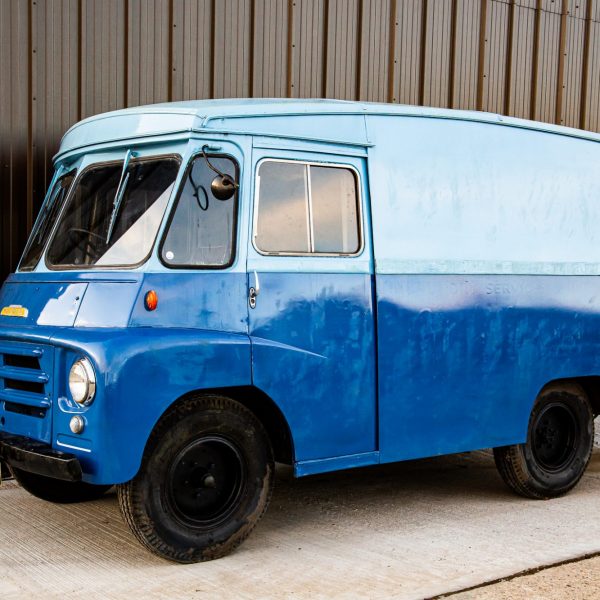
The Birth of an Icon: VW Type 2 Origins of the VW Bus
The story of the Volkswagen Type 2, commonly known as the VW Bus, begins in the aftermath of World War II. In 1947, Dutch Volkswagen importer Ben Pon visited the VW factory in Wolfsburg, Germany. There, he observed motorized trolleys built using stripped-down Beetle chassis and running gear transporting parts around the factory. Inspired by these rudimentary yet ingenious vehicles, Pon sketched a design for a Beetle-based van that resembled a box on wheels.
Heinz Nordhoff, who became Volkswagen’s chief executive in 1948, recognized the potential in Pon’s idea. On May 19, 1949, Nordhoff approved the van for production. The first production model, designated as the Type 2 (with the Beetle being Type 1), rolled off the assembly line on November 12, 1949. Initially, only two models were offered: the Kombi, featuring two side windows and easily removable middle and rear seats, and the Commercial, which was essentially the first panel van.
Design and Innovation
The Type 2’s design was revolutionary for its time. It was among the first ‘forward control’ vans, placing the driver above the front wheels. This design trend would later be adopted by other European manufacturers, including the 1952 GM Bedford CA and the 1959 Renault Estafette.
Early prototypes of the Type 2 faced aerodynamic challenges. To address this issue, engineers conducted wind tunnel testing and made several improvements. One significant change was splitting the windshield in two, giving it a slight V shape. This modification not only improved the van’s aerodynamics but also earned it the affectionate nickname “Splitty” among fans.
The improved aerodynamics helped the VW Bus maintain a decent speed on highways, which was crucial considering its initial power source: a 24 bhp flat-four engine borrowed from the Beetle. Despite its modest engine, the Type 2’s spacious interior and versatile design quickly made it popular among businesses and families alike.
Cultural Impact Classic VW Camper Van For Sale
The VW Type 2 soon became more than just a practical vehicle; it evolved into a cultural icon. Its simple yet sturdy construction, spacious interior, and affordable price made it attractive to a wide range of users. In the 1960s, the Type 2 took on a new identity as it became associated with the hippie movement.
The van’s low price, high availability, and charming appearance made it the vehicle of choice for counterculture enthusiasts. Its large frontal VW emblem could be easily transformed into a peace symbol, further cementing its status as a symbol of freedom and rebellion. Musicians also embraced the Type 2, with Bob Dylan featuring it on his album cover “The Freewheelin'” and The Grateful Dead being famously followed by a convoy of Type 2s while touring.
The Type 2’s versatility extended beyond its countercultural associations. German company Westfalia recognized its potential as a camping vehicle and began converting it into the perfect home on wheels. These conversions included amenities such as beds, stoves, tables, and air conditioning. Some models even featured a distinctive pop-up top for added space and functionality.
The VW Type 2’s impact on automotive history and popular culture cannot be overstated. For over seven decades, it has embodied reliability, versatility, and innovation in the commercial vehicle world. Its enduring legacy continues to inspire new generations, as evidenced by Volkswagen’s plans to release an electric version, the ID Buzz, based on the beloved VW Bus from the 1960s.
Evolution of the VW Van
The Volkswagen Type 2, commonly known as the VW Van, has undergone significant transformations since its inception. This evolution spans three distinct generations, each with its unique characteristics and improvements.
T1 Splitscreen (1950-1967) Classic VW Camper Van For Sale
The journey of the VW Van began in 1950 with the introduction of the T1 Splitscreen. This iconic model, also known as the “Splittie,” featured a distinctive split windscreen that gave it its name. The T1’s design was inspired by Ben Pon, a Dutch VW importer, who had seen a homemade parts mover at the Wolfsburg factory in 1946.
The T1 was initially powered by a modest 1131cc air-cooled, flat-four engine producing 25 horsepower. To compensate for the limited power, VW ingeniously employed reduction boxes, which effectively acted as an additional gearbox, providing more torque at the expense of higher engine revs and a slower top speed.
As the years progressed, VW made several improvements to the T1:
- In 1953, the engine was upgraded to a 1192cc 30hp unit.
- 1955 saw an increase in the compression ratio.
- 1962 brought a heavy-duty version with a load capacity increase from 750kg to 1000kg and a more powerful 1500cc engine.
- In 1963, the engine was further upgraded to a 1493cc 51bhp version.
The T1 became an icon of the 1960s, strongly associated with the Hippie movement due to its low running costs and versatility as a living space.
T2 Bay Window (1967-1979)
In August 1967, Volkswagen introduced the T2 Bay Window, marking the second generation of the VW Van. The T2 featured significant design changes, most notably the replacement of the split windscreen with a single panoramic windscreen, earning it the “Bay Window” moniker.
Key features and improvements of the T2 included:
- A sliding door as standard
- Dual circuit brakes and IRS rear suspension
- Introduction of disk brakes on the front axle in 1971
- Upgrade to a Twin Port 1600cc engine in 1971
The T2 underwent several refinements throughout its production run:
- 1972 saw the introduction of the 1700cc Type 4 engine
- 1973 brought significant body modifications, including relocated front indicators
- 1974 featured an increase in engine capacity to 1800cc
- By 1977, the engine capacity had reached 2000cc
T3 Vanagon (1979-1992)
The third generation, known as the T3 or Vanagon, was introduced in 1979. It represented a significant departure from its predecessors in terms of design and engineering.
Key characteristics of the T3 included:
- Larger, heavier, and more angular styling
- Available in both rear-wheel drive and 4WD (Syncro) versions
- Initially featured air-cooled engines, later transitioning to water-cooled engines
The T3 underwent several notable changes during its production:
- Early models (1979-1985) featured round headlights and basic steel bumpers
- 1986 saw revisions including a rev counter, redesigned air conditioning, and rectangular headlights on select models
- South African production continued until 2002, featuring an Audi five-cylinder engine from 1990 onwards
The T3 was the final generation of rear-engined Volkswagens, marking the end of an era in VW Van design. Throughout its evolution, the VW Van maintained its status as a versatile and beloved vehicle, adapting to changing needs while retaining its iconic charm.
Iconic Models and Variations Classic VW Camper Van For Sale
The Volkswagen Type 2, commonly known as the VW Van, has spawned numerous iconic models and variations throughout its history. These diverse iterations have catered to various needs and preferences, solidifying the VW Van’s status as a versatile and beloved vehicle.
Westfalia Campers
One of the most cherished variations of the VW Van is the Westfalia Camper. From the early 1950s to 2003, Volkswagen subcontracted modifications to Westfalia-Werke in Rheda-Wiedenbrück, Germany. These conversions transformed the standard VW Type 2 and later Type 2 (T3) into fully-equipped camper vans.
The early years of Westfalia conversions saw approximately 1,000 Camper Box modifications between 1951 and August 1958. In August 1958, Westfalia introduced the SO (Sonderausführung, German for “special model”) series. These special models included variations such as the SO-23, -33, -34, -35, -42, -44, and -45.
Westfalia Campers gained popularity worldwide and were available through Volkswagen dealers globally. Many were acquired through the Tourist Delivery Program, allowing customers to pick up their new van in Germany, tour Europe, and then have VW ship it to their home country. This program was particularly popular among American servicemen in the 1950s and 1960s.
The Westfalia legacy continued with the introduction of the Westfalia Vanagon, also known as the Volkswagen Campmobile, which was produced from 1979 to 1992. These campers offered a home-away-from-home experience, featuring amenities such as sleeping quarters, kitchenettes, and storage solutions.
Kombi Classic VW Camper Van For Sale
The Kombi, short for Kombinationskraftwagen (combination motor vehicle), is another iconic variation of the VW Van. This versatile model featured two side windows and easily removable middle and rear seats, making it adaptable for both passenger and cargo transport.
The Kombi’s flexibility made it popular among various users, from families to businesses. Its design allowed for easy conversion between passenger and cargo configurations, making it a practical choice for those needing a multi-purpose vehicle.
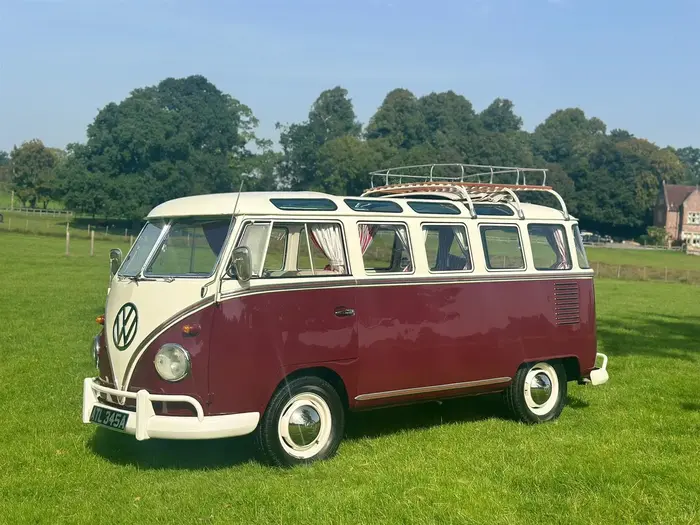
Among enthusiasts, it became common to refer to different Kombi models by the number of their windows. The basic Kombi or Bus is known as the 11-window (also called the three-window bus due to its three side windows). It featured a split windshield, two front cabin door windows, six rear side windows, and one rear window.
The DeLuxe model, not available in Europe, boasted eight rear side windows and two rear corner windows, earning it the 15-window designation. The sunroof DeLuxe, with its additional eight small skylight windows, became known as the 23-window model.
Microbus
The Microbus, often referred to as the “hippie van,” became an icon of the 1960s counterculture movement. Its spacious interior, affordable price, and distinctive appearance made it the vehicle of choice for those seeking freedom and adventure.
One of the most luxurious versions of the T1 was the Volkswagen “Samba,” officially called the Kleinbus Sonderausführung (small bus, special version). In the United States, it was marketed as the Microbus Deluxe and Sunroof Deluxe. Volkswagen advertised the Samba for tourist trips through the Alps, showcasing its versatility and comfort.
The Samba featured a standard two-tone paint finish, usually with the upper bodywork in white and a contrasting color for the lower bodywork, separated by a decorative strip. It also boasted a more comprehensive dashboard than the standard T1 and chrome tables on the windows.
From the 1964 model year, design changes led to the discontinuation of rear corner windows, resulting in the 13-window and 21-window variants. These models, particularly the 21-window version, carried the nickname “Samba” or “Alpine” in Australia.
The enduring popularity of these iconic models and variations has led to modern reinterpretations. Volkswagen has recently introduced the ID. Buzz, an electric reimagining of the legendary T1. This new model brings the iconic design into the age of electric mobility, offering both passenger and cargo (ID. Buzz Cargo) versions that combine nostalgia with cutting-edge technology.
The VW Van in Popular Culture
The Volkswagen Van, particularly the iconic Type 2 model, has left an indelible mark on popular culture. Its versatile design and affordable price point have made it a symbol of freedom, adventure, and counterculture movements across the globe.
Hippie Movement
The VW Van became synonymous with the hippie movement of the 1960s and 1970s. Its affordability, versatility, and spacious interior made it the perfect vehicle for young people seeking an alternative lifestyle. The van’s simple and boxy design allowed for easy customization, with many hippies decorating their vehicles with colorful paint, peace signs, and psychedelic designs.
The Volkswagen Kombi, as it was also known, represented more than just a mode of transportation. It embodied the spirit of anti-establishment and counterculture movements. Its association with freedom and individuality appealed to those who identified with these values. The van’s practicality also played a significant role in its popularity among hippies. Its rear-engine layout and flat floor design provided ample space for passengers and cargo, making it ideal for road trips and outdoor activities.
Surf Culture
The VW Van’s connection to surf culture is equally significant. Since the 1950s, the vehicle has been intrinsically linked with the surfing lifestyle, particularly in California. As surfing gained popularity and generated its own culture, fashion, and music, the VW Van emerged as the perfect companion for beach-loving adventurers.
The T1 ‘split-screen’ Transporter, produced for around 17 years, became particularly popular among surfers. Its spacious interior allowed for easy transport of surfboards, either inside or on top of the vehicle. The van’s ability to serve as both transportation and accommodation made it ideal for surfers seeking the perfect wave.
This association between VW Vans and surfing culture has persisted through subsequent generations of the vehicle. The T2 ‘bay window’ and T3 models continued to be popular among surfers, with the T3 Synchro’s all-wheel drive making it particularly well-suited for beach environments.
Film and Television Appearances
The VW Van’s cultural significance has been further cemented through its numerous appearances in film and television. Its distinctive look and cultural associations have made it a popular choice for filmmakers and showrunners alike.
In the film “Argo,” loosely based on true events, a VW Kombi plays a crucial role in the rescue of US embassy staff during the 1980 Iran hostage crisis. The vehicle, described as a sierra yellow and white US spec T2b microbus, serves as the cover for the rescue operation.
Television shows have also featured the VW Van prominently. In the series “Grimm,” a yellow and white Late Bay Westfalia campervan with a fold-up roof appears as the vehicle of choice for one of the characters. The van’s appearance in such shows often serves to establish character traits or evoke a certain era or lifestyle.
Animated media has also embraced the VW Van’s iconic status. The vehicle has made appearances in various anime series, including “Innocence,” “Michiko to Hatchin,” and “Black Lagoon,” among others. Its presence in these diverse forms of media underscores the VW Van’s enduring cultural significance and global recognition.
The VW Van’s journey through popular culture has been long and varied. From its adoption by the hippie movement to its enduring association with surf culture and its appearances in film and television, the vehicle has become more than just a means of transportation. It has evolved into a symbol of freedom, adventure, and alternative lifestyles, cementing its place in the cultural zeitgeist.
Collecting and Restoring Classic VW Vans
The allure of classic Volkswagen vans has captivated enthusiasts for decades, leading to a thriving community of collectors and restorers. These iconic vehicles, particularly the Type 2 Transporter models produced between 1950 and 1967, have become highly sought-after pieces of automotive history.
Value and Rarity
The value of classic VW vans has skyrocketed in recent years, with certain models fetching astronomical prices. If those prices have you considering a brand-new model instead, see our guide on leasing a camper van. The 1951 VW Transporter 23-Window Samba, which originally cost around $2,200 (equivalent to $22,000 today), now has an average Concours condition value of $198,000. Even models in fair condition can command prices of $39,000 or more.
The rarity of these vehicles plays a significant role in their value. The 23-window version is considered the most desirable, with its value increasing by an impressive 73% over the past five years. Comparatively, a 21-window Type 2 in excellent condition is worth about 16% less than a 23-window, while a 15-window version is valued at 42% less than a 21-window.
Restoration Challenges Classic VW Camper Van For Sale
Restoring a classic VW van can be a rewarding yet challenging endeavor. The process often involves addressing common issues such as rust in the bodywork, particularly in areas like the front and rear outriggers, lower sills, wheel arches, and cab door skins. A full restoration may require stripping the van down to bare metal before addressing these problems.
One of the most significant challenges in restoring the Classic VW Camper Van For Sale is sourcing parts. While many components are readily available, some specific parts can be difficult to find. This scarcity can lead to delays in the restoration process and may require extensive searching through specialized suppliers and enthusiast networks.
The interior restoration presents its own set of challenges and opportunities. Many restorers find this aspect particularly rewarding, as it allows for personal customization while maintaining the van’s classic esthetic. Custom upholstery, such as cream and gray vinyl seats, can breathe new life into the vehicle’s interior.
Community and Resources
The classic VW van community is vibrant and supportive, offering numerous resources for collectors and restorers. Organizations like the Split Screen Van Club, founded in 1983, provide a platform for enthusiasts to connect, share knowledge, and celebrate these unique vehicles. With approximately 800 members, this club welcomes all owners, families, and enthusiasts of pre-1967 vans, regardless of whether they own a Split Screen Van.
These communities often organize social events, including camping weekends in the UK and Europe, catering to families and enthusiasts of all ages. Such gatherings provide opportunities to share restoration tips, showcase completed projects, and foster a sense of camaraderie among VW van aficionados.
Online forums, social media groups, and specialized websites have become invaluable resources for those undertaking restoration projects. These platforms allow enthusiasts to seek advice, share experiences, and locate hard-to-find parts. Additionally, many restoration specialists and parts suppliers have emerged to cater specifically to the classic VW van market, making the restoration process more accessible to a wider range of enthusiasts.
Conclusion Classic VW Camper Van For Sale
The Volkswagen van’s journey through time has left an indelible mark on automotive history and popular culture. From its humble beginnings as a practical workhorse to its status as a symbol of freedom and adventure, the VW van has captivated hearts across generations. Its evolution from the iconic Type 2 to modern electric incarnations showcases Volkswagen’s commitment to innovation while preserving the spirit that made these vehicles beloved worldwide.
The enduring appeal of classic VW vans has given rise to a passionate community of collectors and restorers. Despite the challenges of sourcing parts and addressing restoration issues, enthusiasts continue to breathe new life into these timeless vehicles. As the values of rare models soar and interest in vintage Volkswagens grows, it’s clear that the legacy of the VW van will continue to inspire and delight for years to come.
FAQs Classic VW Camper Van For Sale
1. What is the lifespan of a VW van?
VW vans are known for their durability, with many reaching up to 250,000 miles. When considering a used Transporter, it’s advisable to choose one with fewer than 100,000 miles for a safer investment, provided it has been well-maintained.
2. What is the official name of the classic Volkswagen van Centre?
The classic Classic VW Camper Van For Sale is officially known by several names depending on the body type, including the Transporter, Kombi, or Microbus. It is also referred to informally as the Volkswagen Station Wagon in the US, Bus in the US, Camper in the UK, or Bulli in Germany. It was designated as Type 2 by the factory, following the Type 1 (Beetle).
3. What are some common nicknames for the VW van?
The VW van is affectionately known by various names including Transporter, Kombi, Samba, and Microbus. In the US, it is commonly called the Bus. Originally designed as a van version of the Type 1 (Beetle), the Type 2 became a beloved and practical vehicle globally.
4. How long has the VW camper van been in existence?
The VW camper van has a storied history dating back to 1950, when the concept of the VW Transporter was first developed. It was subsequently recognized as an ideal vehicle for conversion into a camper van.